Therapy For Sleeping Problems

Key Takeaways
- Sleep problems can come from stress, habits, medical conditions, medications, or a sleep disorder.
- Behavioral approaches, especially cognitive behavioral therapy for insomnia, are often central to treatment.
- A medical assessment is important when poor sleep is persistent, severe, or linked to breathing, mood, or movement symptoms.
- Treatment is usually most effective when it matches the cause rather than focusing only on sleep duration.
- People traveling for care can benefit from a clear diagnosis, a practical home plan, and follow-up after returning home.
Therapy for sleeping problems aims to restore more regular, restful sleep by addressing the habits, medical issues, and stressors that interfere with sleep. A thoughtful plan may include behavioral strategies, evaluation for underlying conditions, and, when appropriate, short-term medical treatment.
Overview
Sleeping well is not only about getting enough hours in bed. It is about falling asleep at a reasonable time, staying asleep with fewer interruptions, and waking in a way that leaves the body and mind ready for the day. When that rhythm breaks down, therapy for sleeping problems focuses on identifying what is disturbing sleep and then choosing the safest, most useful response.
Sleep difficulties can look different from person to person. One individual may lie awake for long periods before falling asleep, another may wake repeatedly through the night, and a third may sleep for several hours yet still feel unrefreshed. Because these patterns have many possible causes, a good treatment plan starts with careful listening rather than assumptions.
For some people, the issue is temporary and tied to travel, stress, shift work, or a short illness. For others, poor sleep is part of a longer-standing condition such as insomnia, restless legs syndrome, sleep apnea, depression, anxiety, chronic pain, reflux, thyroid disease, or medication side effects. Effective care aims to improve sleep while also addressing the underlying trigger whenever possible.
In an international-patient setting, the process often begins with deciding whether the problem needs specialist evaluation before or after travel. A clear diagnosis can help patients avoid trial-and-error treatment and return home with a plan that is practical, understandable, and realistic to continue in daily life.
Symptoms
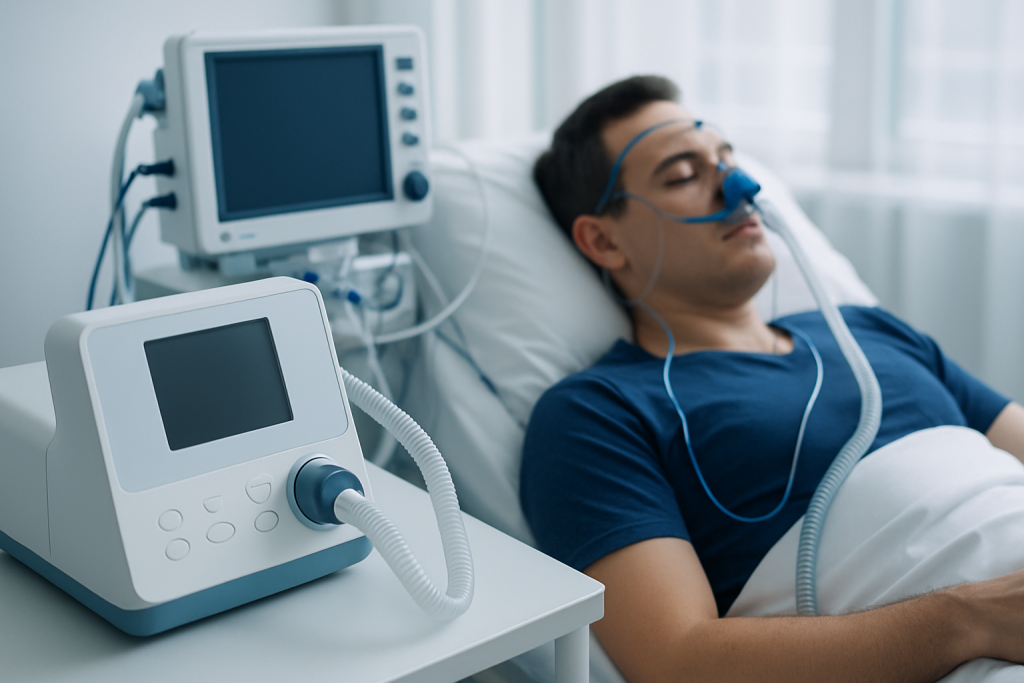
Sleep problems are not defined by a single symptom. They can involve trouble starting sleep, staying asleep, waking too early, or feeling that sleep is light, fragmented, or unrefreshing. Some people notice the problem mainly at night, while others first realize something is wrong because daytime energy, concentration, or mood is slipping.
Common signs include frequent nighttime awakenings, long stretches awake in bed, morning grogginess, irritability, reduced attention, and a need to nap during the day. Some people also report headaches on waking, dry mouth, snoring, leg discomfort at night, or a sense of anxiety when trying to sleep.
It is useful to notice the pattern. Sleep trouble that happens only during busy periods may point toward stress-related insomnia, while loud snoring, choking, or pauses in breathing suggest a possible breathing-related sleep disorder. An urge to move the legs at rest, especially in the evening, may indicate a movement-related sleep problem that deserves medical review.
When sleep loss continues, the effects can spread beyond fatigue. It may influence driving safety, work performance, emotional resilience, and the ability to manage other health conditions. That is one reason therapy for sleeping problems is approached as a health issue, not simply a lifestyle complaint.
Causes & Risk Factors

Many different factors can disrupt sleep, and more than one may be present at the same time. Stress, grief, shift work, jet lag, inconsistent bedtimes, heavy evening meals, caffeine, alcohol, and screen exposure before bed can all make sleep more difficult. In some people, these habits are enough to explain the problem; in others, they amplify a medical condition that is already present.
Health-related causes are common. Pain, asthma, acid reflux, urinary symptoms, menopause-related changes, thyroid disorders, neurological conditions, depression, anxiety, and certain medicines can all interfere with sleep quality or timing. Some sleep problems are also linked to breathing obstruction during sleep, unusual movements during sleep, or circadian rhythm disruption.
Risk is higher when there is a family history of sleep disorders, chronic illness, high stress, irregular schedules, obesity, smoking, or use of substances that alter sleep. Age can matter too: older adults may wake more often at night, while some children and adolescents have sleep difficulties related to routines, development, or behavior patterns.
Understanding the cause is essential because the wrong approach can miss the real issue. For example, repeated use of sleep aids without evaluating snoring and breathing pauses may delay diagnosis of sleep apnea, while repeatedly changing bedtime without addressing anxiety may not solve insomnia. Therapy is most successful when it is matched to the reason sleep is failing.
Diagnosis
Diagnosis usually begins with a detailed discussion of sleep patterns. A clinician may ask when the problem started, how long it has lasted, what the bedroom routine looks like, whether snoring or leg discomfort is present, and whether daytime sleepiness or mood changes are affecting daily life. A sleep diary can be very helpful because it shows patterns that are easy to miss in memory alone.
A physical examination and review of medical history often help narrow the possibilities. Depending on the symptoms, the clinician may recommend blood tests, medication review, or a sleep study. A sleep study can be done in a lab or sometimes at home, and it is especially useful when sleep apnea or another breathing-related disorder is suspected.
In some cases, questionnaires are used to assess insomnia severity, daytime sleepiness, or mood symptoms. This does not replace a medical assessment, but it helps shape the treatment plan. If a patient is traveling for care, keeping records of past diagnoses, current medications, and prior sleep treatments can make the evaluation more efficient and more precise.
The goal of diagnosis is not only to name the problem, but also to understand which parts of the sleep story are most important. That may include sleep timing, quality, breathing, movement, pain, stress, or environmental factors. The best treatment plans are usually those that address several of these pieces together.
Treatment Options
Therapy for sleeping problems is not one single intervention. It is a set of approaches chosen according to the cause and the person’s needs. For many patients, the foundation is behavioral treatment, especially cognitive behavioral therapy for insomnia, often called CBT-I. This approach helps reshape thoughts, habits, and routines that unintentionally keep the sleep cycle stuck.
CBT-I may include stimulus control, which helps the brain reconnect the bed with sleep rather than wakefulness, and sleep restriction or sleep scheduling, which can improve sleep efficiency when used carefully. It may also include relaxation methods, practical education about sleep patterns, and ways to reduce the worry that often grows around bedtime.
Other treatments depend on the underlying cause. Sleep apnea may be treated with airway-focused therapies, positional strategies, or devices that keep the airway open during sleep. Restless legs syndrome may require evaluation for iron deficiency or other contributors. Pain-related sleep difficulty may improve when pain control is addressed thoughtfully, and mood-related sleep problems may respond to treatment for anxiety or depression.
Medicines can sometimes be helpful, but they are usually considered with care and tailored to the individual. They may be used for a limited period, or in specific situations, when the expected benefit outweighs the risks. A clinician may also review current medications to see whether one of them is worsening sleep and can be adjusted safely.
In patients who seek care across borders, treatment planning should account for continuity. It is useful to leave with a written explanation of the diagnosis, the reasons for each recommendation, and a follow-up plan that can continue with a local doctor or sleep specialist at home. Acibadem Health Point’s multidisciplinary specialists and JCI-accredited hospitals can diagnose and treat sleep-related conditions for international patients, with coordination designed to support both in-person care and follow-up after travel.
Prevention & Self-care
Self-care cannot replace medical treatment when a sleep disorder is present, but it can make therapy more effective. Consistent sleep and wake times are often a good starting point, even on weekends. A steady routine helps the body recognize when it is time to wind down and when it is time to be alert.
Bedroom habits matter as well. Many people sleep better when the room is dark, quiet, and comfortably cool, and when the bed is used mainly for sleep rather than work, television, or scrolling. Reducing caffeine later in the day, limiting alcohol near bedtime, and avoiding heavy meals close to sleep can also help some individuals.
Relaxation can be useful, especially for people who feel “tired but wired.” Breathing exercises, gentle stretching, reading, mindfulness, or a calming pre-sleep routine may reduce the sense of pressure that often makes sleep harder. Daytime exercise can support better sleep too, although vigorous activity very late at night may be stimulating for some people.
It is also wise to pay attention to untreated health issues. Nasal obstruction, reflux, pain, mood symptoms, and medication side effects can all quietly undermine sleep. Self-care works best when it is paired with a realistic understanding of the cause, rather than a long list of rules that are difficult to maintain.
When to See a Doctor
Medical advice is appropriate when sleep problems last more than a few weeks, keep returning, or start affecting work, school, relationships, or safety. A clinician should also be consulted if a person is sleeping poorly despite trying sensible routine changes, or if the problem is causing significant daytime sleepiness, irritability, or difficulty concentrating.
Prompt evaluation is especially important when sleep trouble comes with loud snoring, choking, pauses in breathing, morning headaches, chest symptoms, leg discomfort, uncontrollable movements during sleep, or a strong urge to move the legs at night. These patterns may point to a sleep disorder that benefits from targeted testing and treatment.
It is also wise to seek help when sleep problems occur alongside depression, panic, trauma-related symptoms, substance use, or medication changes. Children, older adults, pregnant people, and patients with chronic disease may need a more tailored approach because the causes and treatments can differ from person to person.
For travelers, planning ahead can reduce delay and uncertainty. Bringing prior records, a list of medicines, and a brief sleep history helps the care team move quickly toward a diagnosis and a practical plan. That is often the fastest way to move from guessing to therapy that actually fits the problem.
Frequently asked questions
What is the most effective therapy for sleeping problems?
The most effective therapy depends on the cause. For chronic insomnia, cognitive behavioral therapy for insomnia is often a first-line approach because it addresses the habits and thoughts that keep sleep disrupted. If another condition is driving the problem, such as sleep apnea or pain, treatment should focus on that underlying issue.
Can sleep problems improve without medicine?
Yes, many people improve with behavioral changes, better sleep routines, stress management, and treatment of the underlying cause. Medicines are not always needed, and they are usually considered selectively. A doctor can help decide whether non-drug therapy is likely to be enough.
How is insomnia different from other sleep disorders?
Insomnia usually involves difficulty falling asleep, staying asleep, or waking too early, along with daytime impact. Other sleep disorders may involve breathing pauses, unusual movements, disrupted sleep timing, or excessive sleepiness. A proper evaluation helps tell these apart.
Is a sleep study always necessary?
No, not every sleep problem needs a sleep study. It is most useful when symptoms suggest sleep apnea, unusual movements, or another condition that cannot be confirmed by history alone. A clinician can decide whether it is needed based on the symptom pattern.
What should a patient bring to a sleep consultation?
A list of current medicines, past diagnoses, any prior sleep test results, and a short record of sleep times can be very helpful. Notes about snoring, nighttime awakenings, naps, caffeine, alcohol, and stress also improve the quality of the assessment. This is especially useful for patients who are traveling for care.
Can sleep therapy help if the problem started during travel or stress?
Yes, but the approach may be different if the issue is temporary. Short-term sleep disruption often improves with routine, light exposure, and stress reduction, while persistent symptoms may need structured therapy. If sleep does not return to normal, medical evaluation is recommended.
References
- National Heart, Lung, and Blood Institute
- American Academy of Sleep Medicine
- Mayo Clinic
- World Health Organization
- National Institute of Neurological Disorders and Stroke
This article is for general information only and is not a substitute for professional medical advice. Please consult a qualified doctor about your individual situation.