Human Body
Key Takeaways
- The human body depends on many systems working together, not on one organ alone.
- Nutrition, movement, sleep, hydration, and stress management all influence how the body functions.
- Many health concerns begin with subtle changes such as fatigue, pain, or shifts in appetite or energy.
- Routine checkups help identify problems early, when treatment is often simpler and more effective.
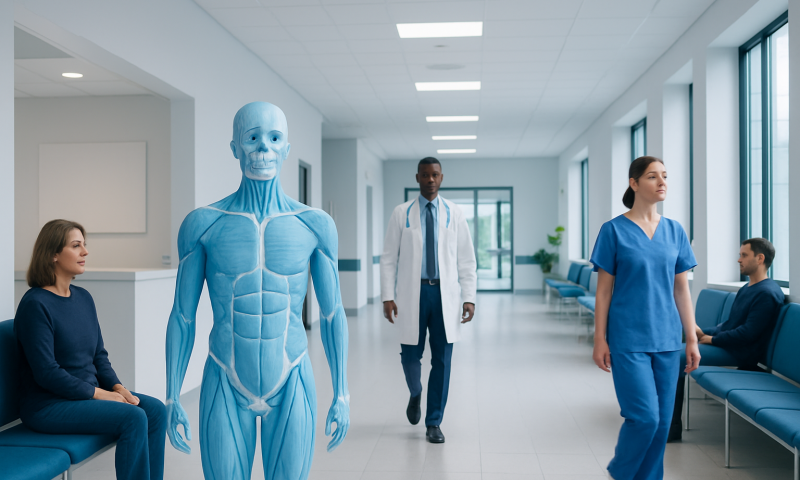
The human body is a highly coordinated system in which organs, tissues, and cells work together every moment to maintain health and function. Understanding the basics of how it works can make it easier to notice changes early, support daily wellbeing, and seek care when needed.
Overview
The human body is often described in parts, but it behaves more like a finely tuned network. The heart does not work alone, the brain does not act alone, and even simple actions such as walking, speaking, or digesting food require several systems to coordinate at once.
At the most basic level, the body is built from cells. Cells form tissues, tissues form organs, and organs form systems. Those systems include the cardiovascular, respiratory, digestive, nervous, musculoskeletal, endocrine, immune, urinary, and reproductive systems. Each one has a specific job, yet none of them functions in isolation.
For patients trying to understand a symptom or decide where to begin with medical care, this bigger picture matters. A headache, for example, may relate to sleep, hydration, vision, blood pressure, stress, or another issue entirely. Looking at the body as an interconnected whole often helps doctors make better decisions and helps patients feel more prepared to participate in their own care.
How the Main Systems Work Together
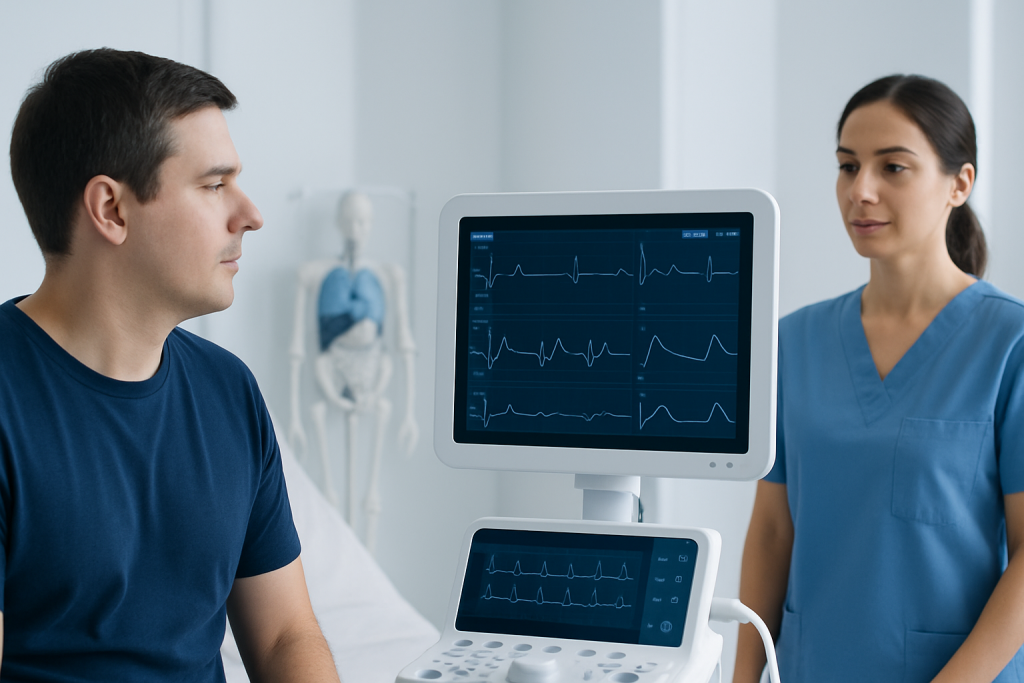
The body’s systems are designed to support one another. The respiratory system brings oxygen into the lungs, the cardiovascular system carries that oxygen through the bloodstream, and the cells use it to produce energy. At the same time, the digestive system supplies nutrients, while the endocrine system helps regulate metabolism and growth.
The nervous system acts as a rapid communication network. It helps the body respond to temperature, pain, movement, balance, and many automatic functions such as breathing and heart rate. The immune system monitors for infection or injury, while the lymphatic system helps manage fluid balance and immune activity.
Movement also depends on teamwork. Bones provide structure, joints allow motion, muscles create force, and nerves coordinate timing. When one part is limited, other parts often compensate. That is why a problem in the feet may affect the knees, a breathing issue may change energy levels, and a thyroid disorder may influence weight, mood, and temperature tolerance.
In everyday life, these connections are why whole-person care is useful. Doctors often consider symptoms, medical history, medication use, sleep quality, eating patterns, activity level, and stress together rather than focusing on a single isolated complaint.
Common Signs That Something May Be Off

Many body changes are mild at first. A person may simply feel more tired than usual, recover more slowly after activity, or notice that routine tasks require more effort. These early shifts do not always mean disease, but they are worth attention if they persist.
Other common signals include pain that does not settle, unexplained weight changes, shortness of breath, palpitations, digestive upset, repeated infections, dizziness, sleep problems, or changes in skin, hair, or mood. Because the body is interconnected, the same symptom can have several possible explanations.
Some signs are especially important when they appear suddenly or become severe. These include chest pain, weakness on one side of the body, difficulty speaking, severe abdominal pain, high fever that does not improve, black or bloody stools, fainting, or trouble breathing. Such symptoms need prompt medical attention.
A practical way to think about symptoms is to ask whether they are new, worsening, persistent, or affecting daily life. If the answer is yes, a doctor’s evaluation can help clarify the cause and guide next steps.
What Influences Body Health
The human body responds to both internal and external influences. Genetics can shape risk for certain conditions, but daily habits and environment often play a major role in how those risks are expressed over time.
Nutrition, physical activity, sleep, hydration, and stress management are central. Balanced meals support tissues and organs, movement helps maintain circulation and joint function, sleep allows repair and regulation, and water supports temperature control, digestion, and transport of nutrients. Chronic stress, on the other hand, can affect hormones, immune response, digestion, and mental wellbeing.
Age is another factor. Children, adults, and older adults have different physiological needs, and the body changes gradually across the lifespan. Hormonal shifts, bone density changes, muscle loss, and slower healing can become more noticeable with age, which is one reason preventive care becomes increasingly important.
Environmental exposures also matter. Tobacco, alcohol, air pollution, poor ergonomics, repeated strain, infections, and limited access to care can all influence health. For international patients, travel itself may add temporary stressors such as jet lag, changes in routine, or disruption of medications and follow-up schedules.
How Doctors Evaluate the Body
When a doctor evaluates a general health concern, the process usually starts with conversation. Symptoms, timing, medical history, family history, travel, medications, allergies, and daily habits all help create a clearer clinical picture.
A physical examination may follow. Depending on the concern, this might include checking blood pressure, heart and lung sounds, abdomen, skin, joints, balance, or neurological function. The goal is not simply to “look for disease,” but to understand how the body is functioning as a whole.
Tests are selected based on the question being asked. Blood tests can assess blood counts, inflammation, sugar, kidney function, liver function, thyroid function, vitamins, and more. Urine tests, imaging studies, electrocardiograms, or other diagnostics may be used when appropriate. A careful doctor chooses tests to confirm a suspicion, rule out important conditions, or track treatment response.
For patients traveling from another country, this stage often benefits from organized records. Previous lab results, imaging reports, medication lists, and operative notes can save time and reduce repetition. Clear communication about goals for the visit also helps the care team plan efficiently.
Ways to Support the Body Every Day
Supporting the body does not require perfection. Small, steady habits are often more useful than short bursts of extreme effort. A realistic routine is more likely to last and more likely to improve energy, sleep, mood, and long-term health.
- Choose meals that include a mix of protein, fiber, healthy fats, and colorful plant foods.
- Move regularly in ways the body can tolerate, such as walking, stretching, or structured exercise.
- Keep hydration consistent, especially during travel, heat, or illness.
- Protect sleep by maintaining a regular schedule and reducing late-night stimulation when possible.
- Manage stress with practical supports such as breathing exercises, counseling, social connection, or downtime.
- Avoid tobacco and keep alcohol use within medically advised limits.
Preventive care is also part of self-care. Routine blood pressure checks, age-appropriate screenings, vaccinations, dental care, vision checks, and follow-up for chronic conditions help detect issues before they become more complicated.
Recovery deserves attention too. After illness, surgery, or a major life event, the body may need time to regain strength. Rest, gradual activity, medication adherence, and follow-up appointments all support a safer return to normal routines. International patients may need a recovery plan that accounts for travel timing and continuity of care after returning home.
When to See a Doctor
A doctor’s opinion is wise when a symptom lasts longer than expected, keeps returning, or interferes with work, sleep, eating, movement, or concentration. Evaluation is also helpful when the concern is vague but persistent, such as ongoing fatigue or unexplained aches.
It is especially important to seek medical care if there is chest pain, breathing difficulty, sudden weakness, confusion, fainting, severe headache, severe abdominal pain, or any symptom that appears quickly and feels unusual. In children, older adults, and people with chronic medical conditions, even seemingly mild changes can deserve earlier review.
For people considering care abroad, it helps to choose a setting that can coordinate diagnostics, treatment, and follow-up clearly. Acibadem Health Point brings together multidisciplinary specialists and JCI-accredited hospitals to diagnose and treat a wide range of conditions for international patients, with attention to continuity before and after the trip.
In general, there is no need to wait until symptoms become severe before asking for help. Early assessment often provides reassurance, a clearer plan, and a better chance of addressing problems at the right time.
Frequently asked questions
What is the human body made of?
The human body is made of cells, which group together to form tissues, organs, and systems. These parts work as a connected whole to support movement, thinking, digestion, breathing, circulation, and healing.
Why do body symptoms sometimes seem unrelated to the real cause?
Because the body’s systems are interconnected, one problem can show up in another part of the body. For example, stress may affect sleep and digestion, while hormone changes may influence energy, weight, or mood.
How can a person tell if a symptom is serious?
A symptom deserves medical attention if it is sudden, severe, persistent, or getting worse. Chest pain, trouble breathing, one-sided weakness, fainting, and confusion should be assessed promptly.
What everyday habits help keep the body healthy?
Regular movement, balanced eating, good sleep, hydration, and stress management all support healthy body function. Avoiding tobacco and keeping up with preventive care also make a meaningful difference.
Do routine checkups matter if someone feels well?
Yes. Many conditions develop quietly, especially in their early stages. Routine checkups can identify risk factors, monitor chronic conditions, and catch changes before they become more difficult to manage.
What should an international patient bring to a medical appointment?
It is helpful to bring previous test results, imaging reports, a medication list, allergy information, and a summary of past procedures. Having these documents ready can make evaluation and follow-up more efficient.
References
- World Health Organization
- National Institutes of Health
- Mayo Clinic
- MedlinePlus
- Centers for Disease Control and Prevention
This article is for general information only and is not a substitute for professional medical advice. Please consult a qualified doctor about your individual situation.