Ventral Hernia

Key Takeaways
- Ventral hernias form through a weakness in the abdominal wall and may become more noticeable with coughing, lifting, or standing.
- Common signs include a soft bulge, aching or pressure, and discomfort during activity; some hernias cause few or no symptoms.
- Past abdominal surgery, pregnancy, obesity, heavy lifting, and wound healing problems can increase risk.
- Diagnosis usually begins with a physical exam and may include imaging when the hernia is hard to feel or the anatomy is unclear.
- Treatment depends on size and symptoms; some hernias are monitored, while others need surgical repair to reduce the risk of complications.
A ventral hernia happens when tissue pushes through a weak spot in the abdominal wall, often creating a visible bulge and discomfort. It may stay mild for a while, but proper evaluation helps determine whether watchful waiting or repair is the safest next step.
Overview
A ventral hernia develops when part of the abdomen’s contents, such as fat or intestine, pushes through a weak area in the abdominal wall. The word ventral simply refers to the front of the body, so this term covers hernias that appear anywhere along the front of the abdomen.
Some ventral hernias are small and easy to ignore at first. Others become visible as a bulge that changes shape with movement, coughing, or straining. For people deciding whether to seek care at home or travel for treatment, the key question is not just how the bulge looks, but whether it is causing pain, limiting activity, or becoming harder to push back in.
Ventral hernia is an umbrella term that includes several common types, such as incisional hernias that form through a previous surgical scar, umbilical hernias near the navel, and other midline abdominal wall hernias. Understanding the type helps the medical team choose the best treatment approach.
Symptoms
The most recognizable sign is a soft or firm bulge in the abdomen. It may be easier to notice when standing, coughing, lifting, or after a long day, and it may flatten when lying down. Some people feel a dragging sensation or pressure rather than clear pain.
Symptoms can range from barely noticeable to bothersome. A hernia may cause discomfort during exercise, bending, or everyday tasks such as lifting luggage, carrying children, or rising from a chair. In some cases, the area feels tender, especially after physical exertion.
Possible symptoms include:
- A visible bulge or swelling in the abdominal wall
- Aching, pressure, or a sense of heaviness
- Discomfort that increases with coughing, straining, or lifting
- Bulge that becomes more prominent over time
Some hernias do not cause pain at all. That does not mean they should be ignored, since size and symptoms can change gradually.
Causes & Risk Factors
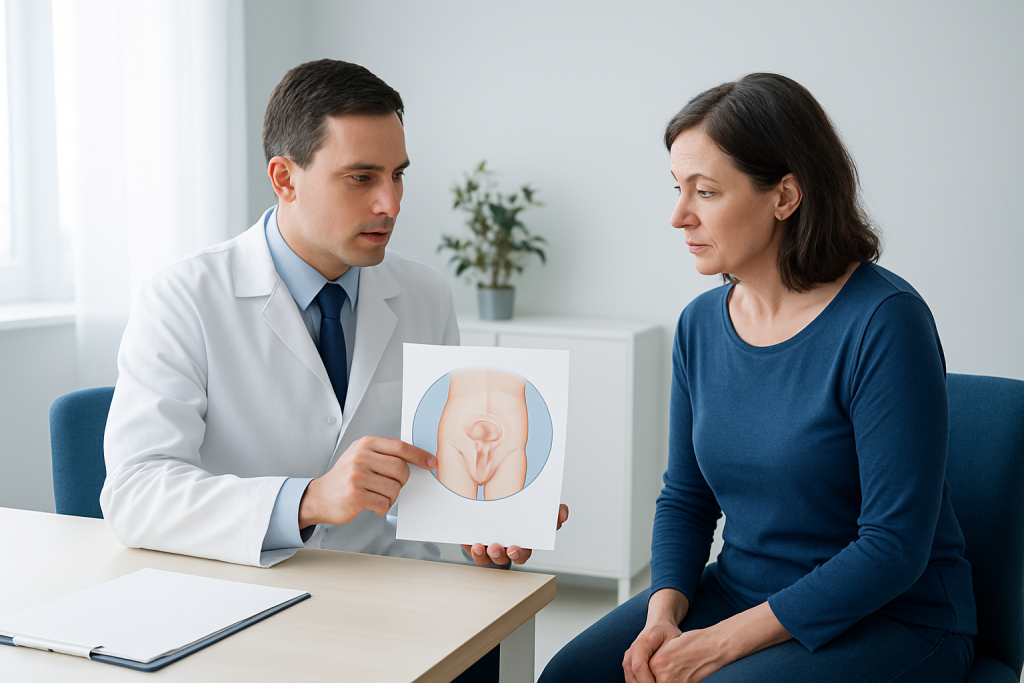
Ventral hernias occur when the abdominal wall is weakened and no longer holds tissue securely in place. This weakness can be present from birth or develop later in life after surgery, pregnancy, strain, or repeated pressure on the abdomen.
One of the most common causes is a previous abdominal operation. The healing tissue along a surgical incision can remain vulnerable, especially if the wound was under stress during recovery. For international patients, this history is important because even an operation performed years earlier can still shape today’s treatment plan.
Factors that may increase the chance of a ventral hernia include:
- Prior abdominal surgery
- Pregnancy or multiple pregnancies
- Obesity or significant weight gain
- Heavy lifting or frequent straining
- Chronic cough or constipation
- Smoking, which can affect wound healing
- Conditions that weaken connective tissue
Risk factors do not guarantee a hernia will develop, but they help explain why some abdominal walls become vulnerable. A careful medical history is often the first step toward understanding the problem.
Diagnosis
Diagnosis usually starts with a clinician examining the abdomen while the person is standing, coughing, or gently bearing down. These simple maneuvers can make the hernia easier to see and feel. The examiner will also ask about pain, prior surgeries, bowel changes, and how the bulge behaves during the day.
If the hernia is small, deep, or difficult to distinguish from other abdominal wall conditions, imaging may be recommended. Ultrasound, CT scan, or occasionally MRI can help define the size of the hernia, the tissues involved, and whether any complication is present. This can be especially helpful when a person is traveling for care and the surgical team needs precise planning before treatment begins.
Diagnosis is not only about naming the hernia. It is also about deciding whether the hernia is reducible, whether surrounding tissue is healthy, and whether the symptoms fit a simple repair or a more complex abdominal wall reconstruction.
Treatment Options
Not every ventral hernia needs immediate surgery, but many symptomatic hernias eventually do. The treatment plan depends on the size of the defect, the amount of discomfort, the person’s overall health, and whether the hernia is growing or becoming harder to reduce.
When a hernia is small and causes minimal symptoms, a clinician may suggest observation with regular follow-up. This approach is sometimes called watchful waiting. It can be appropriate when the risk of surgery seems higher than the current impact of the hernia, provided the person knows which warning signs require prompt reassessment.
Surgical repair is the main definitive treatment. It may be done with an open approach or minimally invasive techniques, and many repairs use mesh to reinforce the abdominal wall and lower the chance of recurrence. In more complex cases, especially after prior operations or repeated hernias, surgeons may recommend a tailored abdominal wall reconstruction plan.
General treatment goals include:
- Relieve pain or pressure
- Restore abdominal wall strength
- Prevent enlargement of the hernia
- Reduce the risk of incarceration or strangulation
Recovery planning matters as much as the operation itself. Patients traveling internationally may need guidance on wound care, activity limits, follow-up timing, and how to coordinate support once they return home.
Prevention & Self-care
Not all ventral hernias are preventable, especially those related to previous surgery or tissue weakness. Still, good self-care can reduce strain on the abdominal wall and support healing after surgery or during watchful waiting.
People are often advised to avoid sudden heavy lifting, manage constipation, and treat persistent coughs when possible. Gentle movement, healthy weight management, and stopping smoking can also support the abdominal wall and overall recovery. After surgery, following the surgeon’s instructions about activity is more useful than trying to return to normal too quickly.
Helpful self-care habits include:
- Use proper lifting technique and ask for help with heavy objects
- Prevent constipation with fiber, fluids, and clinician-approved measures
- Support cough management with appropriate medical care
- Maintain a healthy body weight when feasible
- Avoid smoking and nicotine exposure
For patients recovering away from home, clear discharge instructions are especially important. Knowing when to walk, when to rest, and which symptoms should prompt a call to the care team can make recovery calmer and safer.
When to See a Doctor
Medical evaluation is a good idea if a new bulge appears in the abdomen, even when it is not painful. A hernia that is slowly enlarging, causing discomfort, or interfering with daily activity should be assessed rather than simply watched indefinitely.
Urgent care is needed if the bulge becomes very painful, firm, red, or cannot be pushed back in when it previously could. Nausea, vomiting, bloating, fever, or a sudden change in bowel movements can suggest a complication that needs prompt attention.
People who are planning Varicose Vein Treatment Abroad: When Stockings Are Enough and When Procedures Help More" class="ahp-ilk">treatment abroad may benefit from an early consultation so imaging, surgical review, and post-operative follow-up can be organized in advance. Acibadem Health Point’s multidisciplinary specialists and JCI-accredited hospitals diagnose and treat ventral hernia for international patients with coordinated care and clear follow-up planning.
Even when surgery is not immediately necessary, a doctor can help confirm the diagnosis, explain the level of risk, and set sensible expectations for monitoring.
Living with a Ventral Hernia
Living with a ventral hernia often means paying attention to changes rather than waiting for a crisis. Many people continue normal activities with a few adjustments, especially if symptoms are mild and the hernia is stable. The goal is to protect the abdominal wall while staying active in a practical, sustainable way.
It can help to notice which movements make the bulge or discomfort worse, such as lifting suitcases, pushing heavy doors, or straining during bowel movements. Those patterns give the care team useful information and may guide decisions about surgery, timing, or activity limits.
A hernia may feel like a small issue at first, but it deserves proper assessment because treatment is most straightforward when planned calmly rather than arranged in an emergency. For that reason, people are encouraged to discuss new or changing abdominal bulges with a qualified doctor rather than waiting for them to settle on their own.
Frequently asked questions
Is a ventral hernia always painful?
No. Some ventral hernias cause no pain at all and are noticed only as a bulge. Others produce aching, pressure, or tenderness, especially during lifting or straining.
Can a ventral hernia go away on its own?
In adults, ventral hernias usually do not close on their own because the abdominal wall weakness remains. A doctor can advise whether monitoring is reasonable or whether repair is the better option.
What is the difference between a ventral hernia and an incisional hernia?
A ventral hernia is the broader term for hernias on the front abdominal wall. An incisional hernia is a type of ventral hernia that forms through a previous surgical scar.
When is surgery recommended?
Surgery is more likely to be recommended if the hernia is painful, enlarging, difficult to reduce, or affecting daily life. It may also be advised if the doctor is concerned about future complications.
Is mesh always used in hernia repair?
Not always, but mesh is commonly used to strengthen the repair and lower recurrence risk. The choice depends on the hernia size, tissue quality, and the surgeon’s assessment.
What should a person do while waiting for evaluation?
It is sensible to avoid heavy lifting and watch for changes in pain, size, or reducibility. If the hernia becomes suddenly painful, firm, or associated with nausea or vomiting, urgent medical attention is needed.
References
- National Institute of Diabetes and Digestive and Kidney Diseases
- American College of Surgeons
- Mayo Clinic
- Cleveland Clinic
- World Health Organization
This article is for general information only and is not a substitute for professional medical advice. Please consult a qualified doctor about your individual situation.