Gallbladder Pain: Causes, Symptoms and Treatment

Key Takeaways
- Gallbladder pain often appears in the upper right abdomen and may spread to the back or right shoulder.
- Gallstones are a common cause, but inflammation, infection, and bile duct blockage can also be involved.
- Symptoms that include fever, jaundice, or ongoing severe pain deserve medical evaluation without delay.
- Diagnosis usually includes a medical history, physical examination, blood tests, and imaging such as ultrasound.
- Treatment depends on the cause and may include diet changes, medicines, or gallbladder removal in selected cases.
Medically reviewed by the Acıbadem clinical team — August 19, 2026
Gallbladder pain is often linked to gallstones or inflammation in the gallbladder and can range from brief discomfort after meals to a more persistent, intense pain. Understanding the pattern of symptoms helps patients know when simple evaluation is enough and when prompt medical care is needed.
Overview
Gallbladder pain is usually felt as a sharp, cramping, or steady ache in the upper right side of the abdomen, though some people notice it more in the center of the upper belly. It often appears after a meal, especially a larger or fatty one, because the gallbladder contracts to release bile for digestion.
The gallbladder itself is a small storage pouch under the liver. When bile cannot flow normally or the gallbladder becomes irritated, discomfort may follow. For many patients, the pain is brief and comes in episodes; for others, it can become persistent and signal inflammation that needs medical attention.
Because the symptoms can overlap with stomach, liver, and pancreatic conditions, gallbladder pain should not be self-diagnosed based on location alone. A careful medical review helps separate a passing digestive upset from a condition that needs targeted treatment.
Symptoms
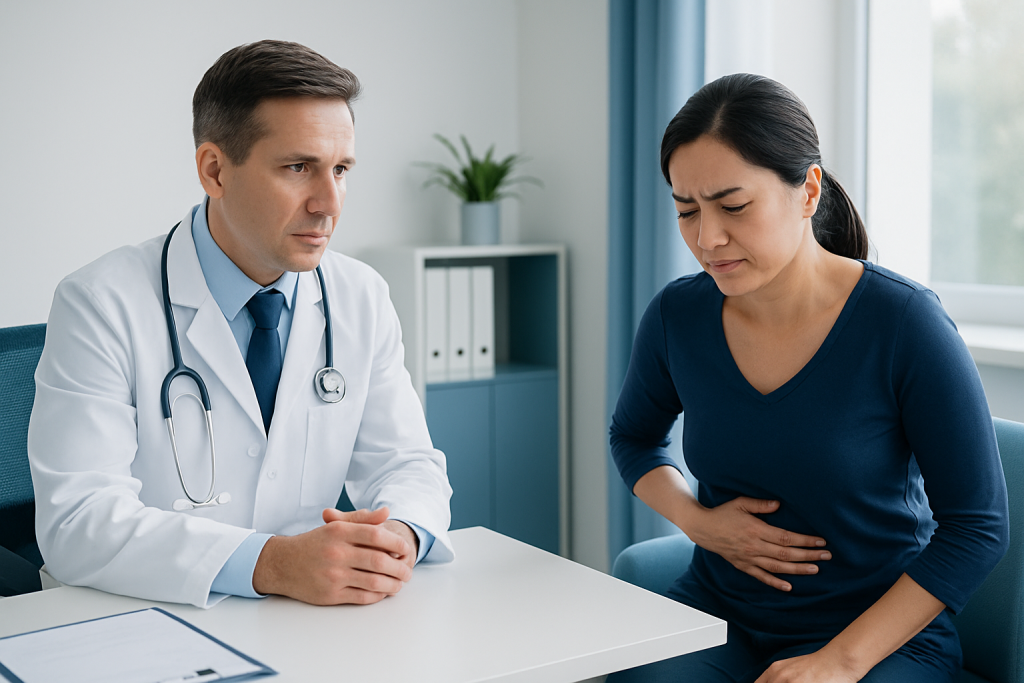
People describe gallbladder pain in different ways. Some feel a sudden, strong cramp after eating, while others notice a dull ache that builds gradually and lingers. The pain may stay in the upper right abdomen, but it can also travel to the back, between the shoulder blades, or under the right shoulder.
Other symptoms may appear alongside the pain, especially if a gallstone is blocking bile flow or the gallbladder is inflamed. Nausea, vomiting, bloating, indigestion, and a feeling of fullness are common. Some patients notice that fatty foods reliably bring on symptoms, which can be a clue but not a diagnosis on its own.
More concerning features include fever, chills, yellowing of the skin or eyes, dark urine, pale stools, or pain that lasts for hours and does not ease. These signs may suggest infection or a blocked bile duct and should be assessed promptly.
- Upper right abdominal pain
- Pain after meals, especially fatty foods
- Nausea or vomiting
- Pain spreading to the back or shoulder
- Fever or jaundice in more serious cases
Causes & Risk Factors
Gallstones are the most common reason for gallbladder pain. These stones form when substances in bile, such as cholesterol or bilirubin, harden into small deposits. If a stone blocks the opening of the gallbladder, the result can be a painful episode known as biliary colic.
Inflammation of the gallbladder, called cholecystitis, may develop when a blockage continues or when the gallbladder becomes irritated. Less commonly, pain can be related to bile duct stones, infection, problems with gallbladder emptying, or conditions that affect the pancreas and liver. The exact cause matters because the treatment approach may differ.
Certain factors make gallstones more likely, although gallbladder pain can occur in people without obvious risks. Risk may increase with a family history of gallstones, obesity, rapid weight loss, pregnancy, female sex, increasing age, and some medical conditions that affect bile composition or digestion. Patients planning care from another country may find it helpful to bring prior imaging or blood-test reports, since earlier results can clarify whether symptoms are new or part of an existing pattern.
Diagnosis
Diagnosis usually begins with a detailed discussion of the pain itself: where it starts, how long it lasts, whether it follows meals, and whether it has happened before. A clinician will also ask about fever, jaundice, bowel changes, nausea, and any previous gallbladder or liver problems.
Physical examination may show tenderness in the upper right abdomen, but exam findings alone are not enough to confirm the cause. Blood tests can check for signs of infection, inflammation, liver irritation, or bile duct blockage. Depending on the situation, tests may also assess pancreatic enzymes if pancreatic involvement is a concern.
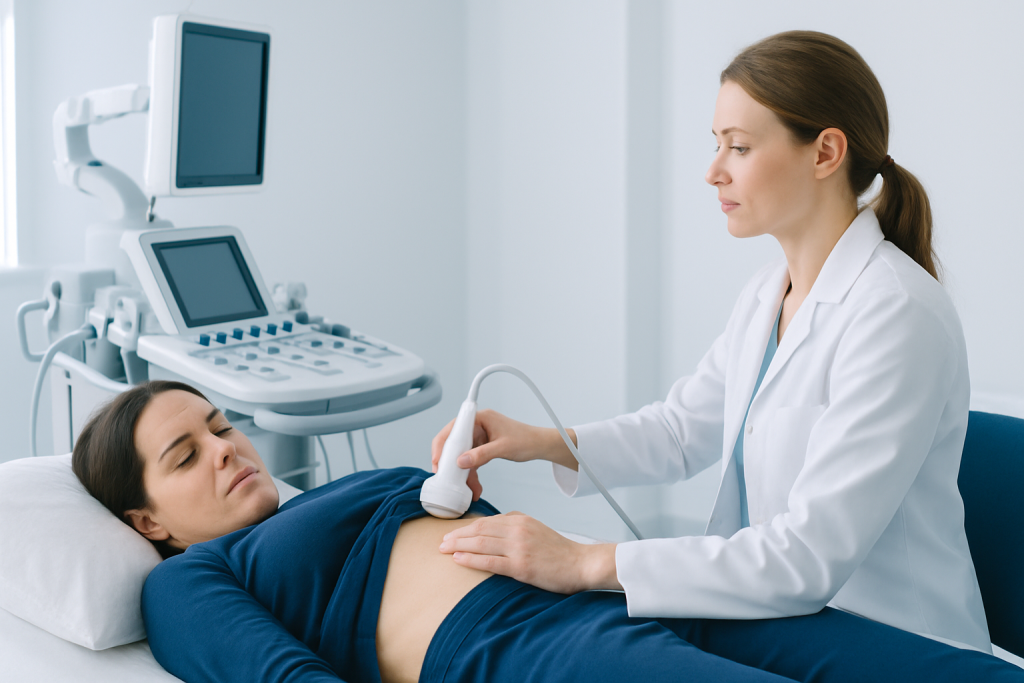
Ultrasound is the usual first imaging test because it can detect gallstones, gallbladder swelling, and some signs of blockage without radiation. If the picture is still unclear, additional imaging such as CT, MRI, or specialized bile-duct imaging may be recommended. For international patients, it is often useful to arrive with any prior scans, lab results, and a summary of treatments already tried so the care team can compare findings efficiently.
Treatment Options
Treatment depends on whether the pain is caused by a temporary stone episode, ongoing inflammation, infection, or a blockage in the bile ducts. Some people with mild, infrequent symptoms may first be advised to adjust their diet and monitor for recurrence. Others need medication, hospital observation, or a procedure more quickly.
Pain relief and anti-nausea medicines may be used when symptoms are active, but they do not remove the underlying cause. If inflammation or infection is suspected, antibiotics and supportive care may be needed. When gallstones repeatedly cause pain, or when complications develop, surgical removal of the gallbladder is often considered the most definitive option.
Gallbladder surgery is commonly performed with minimally invasive techniques when appropriate, which may support a shorter recovery. In some cases, bile duct stones are treated with endoscopic procedures before or after gallbladder surgery. The best plan is individualized, especially for patients coordinating treatment across borders, where timing, recovery needs, and follow-up logistics should be discussed clearly before travel.
Prevention & Self-care
Not every case of gallbladder pain can be prevented, but certain habits may reduce flare-ups or lower gallstone risk. A balanced eating pattern, regular physical activity, and gradual rather than rapid weight loss are often helpful. Very large or high-fat meals may trigger symptoms in some people, so smaller meals can be easier to tolerate during evaluation.
People already known to have gallstones may benefit from observing which foods seem to worsen discomfort and sharing that pattern with a clinician. Staying hydrated and keeping follow-up appointments are also useful, especially if symptoms have been intermittent. Self-care is supportive, but it should not delay medical review if pain becomes severe or is paired with fever or jaundice.
When traveling for care, patients can make recovery smoother by planning for rest, arranging a companion if surgery is possible, and asking in advance about diet changes, activity limits, and warning signs after discharge. Clear instructions matter more than generic advice because aftercare depends on the exact diagnosis and treatment received.
When to See a Doctor
Medical evaluation is appropriate when gallbladder pain is repeated, lasting, or strong enough to interfere with eating, sleeping, or daily activity. Even if the pain comes and goes, a pattern that keeps returning often points to an underlying problem that deserves attention.
Prompt care is especially important if the pain is accompanied by fever, vomiting that prevents hydration, yellowing of the skin or eyes, dark urine, pale stools, or a tender abdomen that seems to worsen. These features may indicate infection or blocked bile flow and should not be watched at home for long.
Patients who are traveling or recovering away from home should seek care early if symptoms change, rather than waiting for a return flight or planned appointment. Acibadem Health Point’s multidisciplinary specialists and JCI-accredited hospitals diagnose and treat gallbladder conditions for international patients with coordinated evaluation, procedure planning, and follow-up support.
Living With Gallbladder Symptoms While Awaiting Care
If symptoms are mild and a clinician has not identified an emergency, people often do best with simple, careful adjustments until the next appointment. Smaller meals, avoiding heavy fried foods, and noting the timing of symptoms can make the pattern easier to understand and discuss at the visit.
It is also wise to keep a list of medications, allergies, past surgeries, and prior abdominal imaging. For international patients, having these documents translated or summarized in advance can save time and reduce repeat testing. If symptoms escalate, however, home measures should stop and medical review should take priority.
Gallbladder pain can be unsettling because it often appears without warning, but it is usually manageable once the cause is identified. Clear testing and a treatment plan tailored to the person’s situation are the best tools for moving from uncertainty to relief.
Frequently asked questions
What does gallbladder pain usually feel like?
It often feels like a steady or cramping pain in the upper right abdomen, sometimes after eating. Some people also feel it in the middle of the upper abdomen, back, or right shoulder. Nausea or bloating may happen at the same time.
Is gallbladder pain always caused by gallstones?
Gallstones are the most common cause, but they are not the only one. Inflammation, infection, bile duct blockage, and other digestive problems can produce similar pain. That is why medical evaluation is important when symptoms recur.
Can gallbladder pain go away on its own?
A short episode may settle when a stone moves, but the underlying issue can remain. If the pain keeps returning, becomes more intense, or is associated with other symptoms, a doctor should assess it. Repeated attacks often need a more definitive plan.
What foods can trigger gallbladder pain?
Fatty or heavy meals are common triggers because they make the gallbladder contract more strongly. Fried foods, rich sauces, and very large portions may be harder to tolerate for some people. Keeping a food-and-symptom note can help identify personal triggers.
How is gallbladder pain diagnosed?
Doctors usually start with a history, physical exam, blood tests, and an ultrasound. If needed, additional imaging or bile-duct testing may be used. The goal is to find the exact cause and rule out complications.
When is gallbladder pain an emergency?
Severe pain that does not improve, especially with fever, jaundice, vomiting, or dark urine, needs prompt medical attention. These signs may indicate infection or blockage. It is safer to seek care early than to wait and hope symptoms pass.
References
- National Institute of Diabetes and Digestive and Kidney Diseases
- American College of Gastroenterology
- Mayo Clinic
- World Health Organization
This article is for general information only and is not a substitute for professional medical advice. Please consult a qualified doctor about your individual situation.
Persistent digestive symptoms? Get evaluated in Turkey
JCI-accredited · board-certified surgeons · reply within 24h
Add us as a Preferred Source to see more of our trusted health content across Google Search, AI Overviews and Discover.