Gallbladder Removal: What Changes If You Have Pain, Infection, or Pancreatitis

Key Takeaways
- Gallbladder removal is often recommended when gallstones cause ongoing pain, inflammation, infection, or pancreatitis.
- Many people recover well after laparoscopic surgery and return to normal routines gradually.
- Some digestive changes can happen after surgery, but most are manageable with diet adjustments and follow-up care.
- Infection, severe abdominal pain, jaundice, or pancreatitis symptoms need prompt medical assessment.
- A doctor may confirm the cause with blood tests, ultrasound, and sometimes additional imaging before planning treatment.
Medically reviewed by the Acıbadem clinical team — June 13, 2026
Gallbladder removal, or cholecystectomy, is a common treatment when gallstones cause repeated pain, infection, or pancreatitis. Understanding when surgery is recommended, what recovery looks like, and how digestion may change can help patients feel more prepared.
Overview
The gallbladder is a small organ that stores bile, a fluid that helps digest fat. When stones form inside it, they can block bile flow and trigger pain, inflammation, infection, or even pancreatitis. In those situations, gallbladder removal, also called cholecystectomy, is often the most effective way to stop repeated attacks and prevent further complications.
For many patients, the decision is not simply about removing an organ. It is about reducing the cycle of emergency visits, meal-related pain, and uncertainty that can follow gallstone disease. If someone is traveling for care or arranging surgery from another country, it also helps to know how the diagnosis is confirmed, what type of operation is planned, and how follow-up will be organized after returning home.
Gallbladder removal does not usually affect the body’s ability to live a normal life. The liver still makes bile, and most people adjust well after surgery. The main difference is that bile flows directly into the small intestine instead of being stored first in the gallbladder.
Symptoms
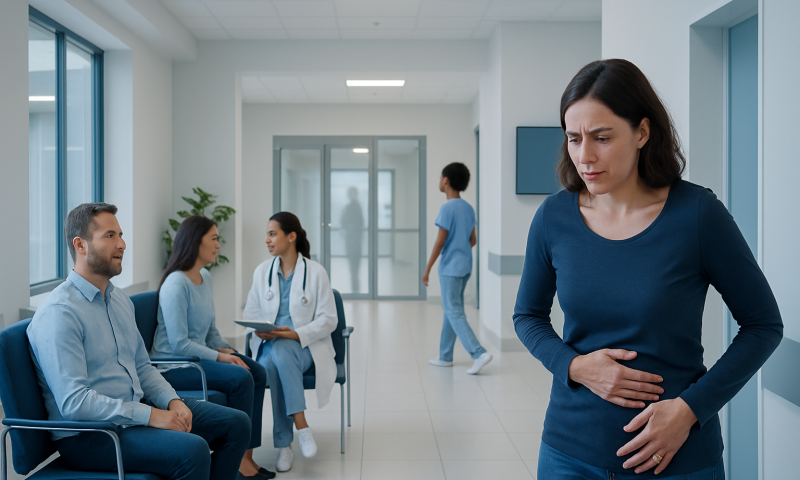
Gallbladder problems often begin with pain after eating, especially after rich or fatty meals. The discomfort is typically felt in the upper right side of the abdomen or in the center of the upper belly, and it may spread to the back or right shoulder. Some people describe nausea, bloating, or a deep sense of fullness that lingers after meals.
When inflammation or infection develops, the picture can change quickly. Pain may become constant rather than coming and going, and fever, chills, vomiting, or a tender abdomen may appear. If a gallstone blocks the bile duct, the skin or eyes may look yellow, urine may darken, and stools may become pale.
Pancreatitis caused by gallstones can bring a more intense, steady upper abdominal pain that often reaches through to the back. It may be accompanied by vomiting and a feeling of illness that is hard to ignore. These symptoms deserve prompt medical attention, because the condition may become serious without treatment.
Causes & Risk Factors

The most common reason for gallbladder removal is gallstones. These are hardened deposits that can form when bile contains too much cholesterol or bilirubin, or when the gallbladder does not empty well. A stone may remain silent for years, but if it blocks the outlet of the gallbladder or slips into the bile ducts, symptoms can begin.
Some people are more likely to develop gallstones due to age, female sex, pregnancy, rapid weight loss, obesity, certain diets, family history, or some medical conditions that affect the liver or blood. Long periods without eating, certain medications, and a history of gallstone attacks can also increase the chance of future episodes.
Complications such as cholecystitis, cholangitis, and gallstone pancreatitis happen when the blockage leads to inflammation or infection. In these cases, surgery is often considered not only to relieve current symptoms but also to lower the risk of another emergency.
Diagnosis
Before recommending surgery, a doctor usually tries to confirm that the gallbladder is the source of the problem. A medical history and physical examination are followed by tests that may include blood work to look for infection, inflammation, liver irritation, or pancreatitis.
An abdominal ultrasound is usually the first imaging study because it can show gallstones and signs of gallbladder inflammation. If the symptoms suggest a stone in the bile duct or pancreas involvement, additional imaging such as MRCP, CT, or an endoscopic procedure may be used to get a clearer view.
The diagnosis matters because not every upper abdominal pain is caused by the gallbladder. Heartburn, ulcers, liver disease, and pancreatic disorders can feel similar. Careful evaluation helps the team decide whether the best next step is observation, urgent treatment, or planned gallbladder removal.
Treatment Options
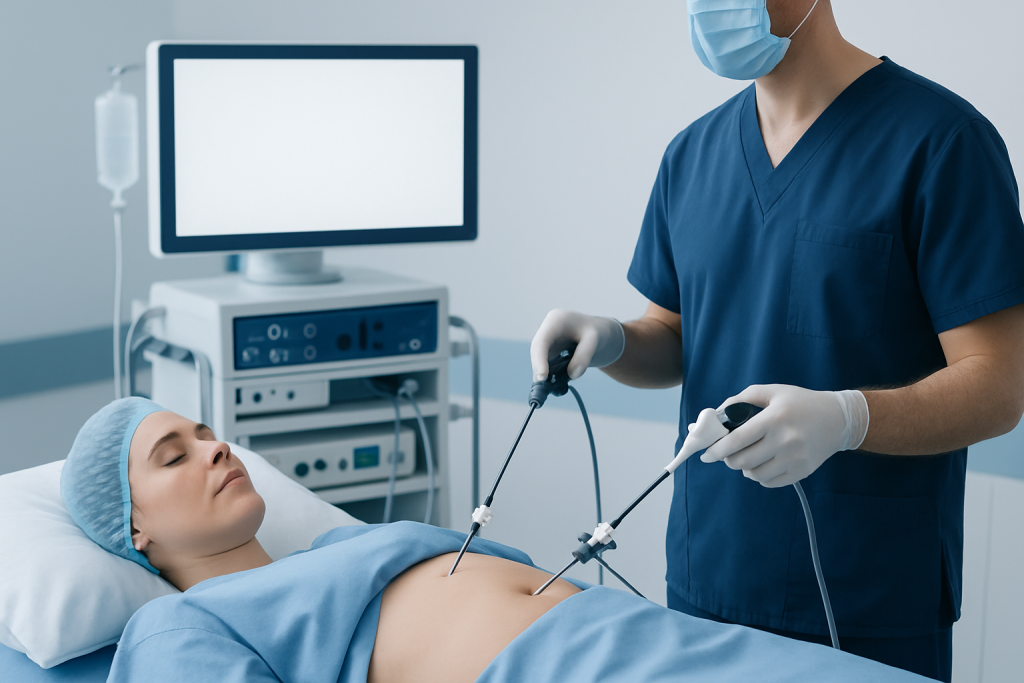
Gallbladder removal is the standard treatment when gallstones keep causing pain or when complications such as infection or pancreatitis have occurred. The operation is usually done laparoscopically through small incisions, which often means less pain and a shorter recovery than open surgery. In some situations, such as severe inflammation or scar tissue, an open operation may be safer.
If the problem is infection or a blocked duct, treatment may begin with fluids, pain relief, antibiotics, and sometimes a procedure to remove a stone from the bile duct before or instead of surgery. For pancreatitis linked to gallstones, doctors often focus first on stabilizing the pancreas and then planning gallbladder removal to prevent recurrence.
After surgery, most patients stay in the hospital only briefly, though the timing depends on the severity of the illness and the type of operation. A follow-up plan is important, especially for international patients who may be traveling soon after treatment. Clear instructions on wound care, diet, and warning signs help the recovery continue smoothly at home.
Prevention & Self-care
Not every gallstone can be prevented, but some habits may lower the chance of future attacks and support healing after surgery. A balanced eating pattern, steady weight management, and avoiding very rapid weight loss can be helpful. People recovering from surgery often do better when they introduce fatty foods gradually and pay attention to which meals feel comfortable.
During the healing period, it is sensible to walk regularly, rest as needed, and follow the surgeon’s instructions about lifting, showering, and returning to work or travel. Small meals may be easier at first, especially if the stomach feels sensitive. Keeping track of symptoms such as fever, worsening pain, nausea, or jaundice can help identify problems early.
Because recovery can continue after a patient returns to another country, written instructions and access to follow-up communication are valuable. For some patients, multidisciplinary specialists and JCI-accredited hospitals, such as those at Acibadem Health Point, can coordinate diagnosis, surgery, and post-operative follow-up for international care pathways.
When to See a Doctor
Medical evaluation is important if gallbladder pain keeps coming back, interrupts eating, or becomes more severe over time. A doctor should also be seen if pain is accompanied by fever, vomiting, jaundice, dark urine, or pale stools, because these can point to blockage or infection.
Urgent care is needed when abdominal pain is intense and steady, especially if it spreads to the back or comes with a very unwell feeling, since this may signal pancreatitis. Anyone with a known gallstone problem who develops confusion, fainting, breathing difficulty, or severe weakness should seek emergency help without delay.
Even after surgery, new symptoms should not be ignored. Persistent vomiting, increasing redness around the incision, worsening abdominal pain, or fever can suggest a complication that needs prompt review. Early contact with the surgical team is often the simplest way to keep recovery on track.
Frequently asked questions
Why is gallbladder removal recommended for some people with gallstones?
It is often recommended when gallstones cause repeated pain, inflammation, infection, or pancreatitis. Removing the gallbladder lowers the chance of the same problem happening again. Many patients feel better once the source of the blockage is gone.
Can someone live normally without a gallbladder?
Yes, most people can live well without a gallbladder. The liver still makes bile, but it flows directly into the intestine instead of being stored. Some people notice temporary digestive changes, especially after fatty meals.
Is gallbladder surgery always urgent?
Not always. If symptoms are mild and there is no complication, surgery may be planned electively. When infection, bile duct blockage, or pancreatitis is present, treatment may need to happen sooner.
What is the difference between gallbladder pain and pancreatitis pain?
Gallbladder pain is often felt in the upper right abdomen or center of the upper belly and may come after meals. Pancreatitis pain is usually more intense, steady, and often radiates to the back. Both need medical assessment, especially if vomiting or fever is present.
How long is recovery after gallbladder removal?
Recovery varies with the type of surgery and the reason for it. Many people who have laparoscopic surgery begin moving around quickly and gradually resume normal activities over time. Your doctor will give guidance based on the operation and overall health.
What foods are usually easier after surgery?
Smaller, lighter meals are often easier at first. Many people do better with foods that are not very greasy or heavily fried, then slowly return to their usual diet as tolerated. It helps to pay attention to individual triggers rather than follow a strict long-term rule.
References
- National Institute of Diabetes and Digestive and Kidney Diseases
- American College of Gastroenterology
- Mayo Clinic
- World Health Organization
This article is for general information only and is not a substitute for professional medical advice. Please consult a qualified doctor about your individual situation.