Fetal Position

Key Takeaways
- Fetal position refers to how the baby lies in the uterus and how the head, back, and limbs are aligned.
- A head-down position is usually best for a vaginal birth, while breech or transverse positions may need extra planning.
- Fetal position is assessed with examination and ultrasound, especially near the end of pregnancy.
- Many babies change position on their own, but persistent non-head-down positions should be reviewed by an obstetric specialist.
- Women should seek medical advice promptly if they notice reduced fetal movement, bleeding, fluid leakage, or regular contractions.
Fetal position describes how a baby is oriented in the uterus and can influence comfort during pregnancy and the course of labor. Most babies move into a head-down position before birth, but some remain in positions that need closer monitoring or delivery planning.
Overview
Fetal position is the way a baby is oriented inside the uterus. It is a simple phrase, but it matters because it can affect how pregnancy feels, how labor begins, and what kind of birth planning may be needed.
In the middle months of pregnancy, babies often change position frequently. By the later weeks, many settle into a head-down posture, which is generally the most favorable position for vaginal birth. When the baby is not head-down, clinicians may speak about breech, transverse, or oblique positions, each of which calls for a different discussion with the obstetric team.
For Myomectomy Recovery for International Patients: The Usual Travel Timeline" class="ahp-ilk">international patients, this topic often becomes especially important when travel plans, delivery timing, and follow-up care need to be coordinated across countries. Clear information early on helps families make practical decisions with confidence rather than urgency.
Common Fetal Positions
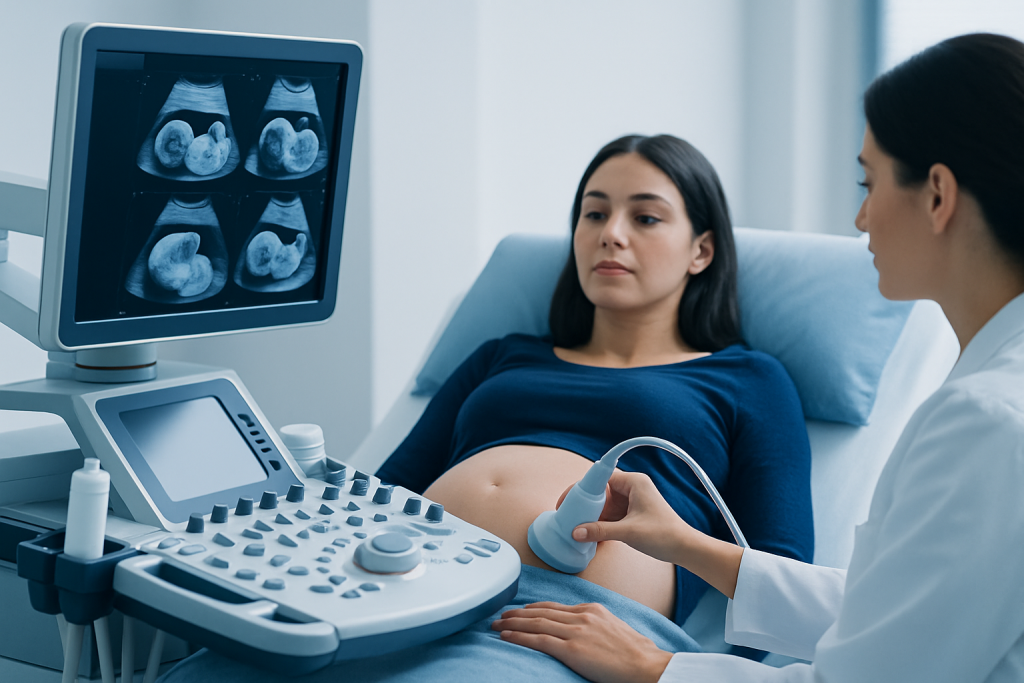
The most familiar term is cephalic or head-down presentation. In this position, the baby’s head points toward the birth canal. This is the usual position seen near the end of pregnancy and is often associated with the smoothest path for labor.
Other positions are also possible. In breech presentation, the baby’s bottom or feet are positioned to come out first. In transverse lie, the baby lies sideways across the uterus. A baby may also be in an oblique position, meaning angled rather than straight up-and-down.
- Head-down: most common near term
- Breech: buttocks or feet first
- Transverse: sideways across the uterus
- Oblique: diagonal position
Fetal position can also be described in finer detail, such as whether the baby is facing the mother’s front or back. These details may matter during labor because they can influence how the baby descends through the pelvis.
Signs and Symptoms
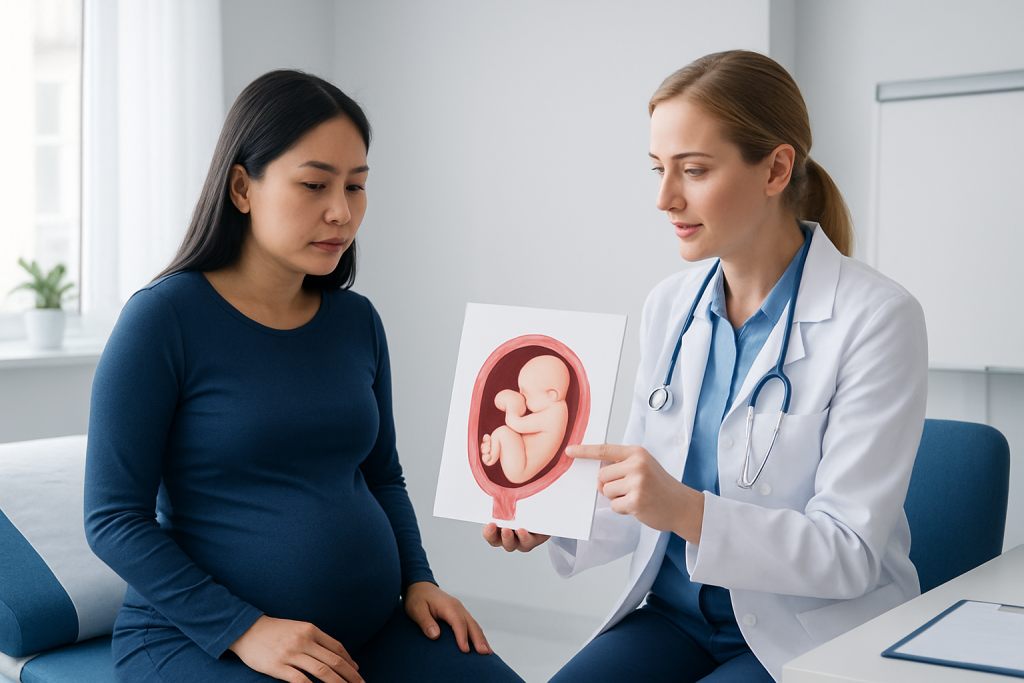
Fetal position is not something a pregnant woman can reliably identify on her own. The way kicks, pressure, or a bump in the abdomen feel may offer clues, but these sensations are not precise enough to confirm position.
Some women notice more pressure under the ribs if the baby is head-up, or stronger movement in one area of the abdomen if the baby’s back is on one side. These observations can be interesting, but they should be treated as informal hints rather than a diagnosis.
More important than guessing the position is paying attention to overall pregnancy well-being. A sudden change in movement patterns, persistent pain, fluid leakage, vaginal bleeding, or strong regular contractions should always be discussed with a clinician.
Causes & Risk Factors
There is often no single reason why a baby remains in a certain position. Babies move because the uterus, placenta, amniotic fluid, and fetal size all influence available space, and those conditions can vary from pregnancy to pregnancy.
Some factors can make a non-head-down position more likely. These may include a first pregnancy, preterm pregnancy, multiple pregnancy, certain uterine shapes, placenta location, too much or too little amniotic fluid, or a baby with a condition that affects movement. In many cases, however, no clear cause is found.
It is helpful to remember that fetal position is not a reflection of anything the mother did or did not do. Most position changes happen because of normal biology, not because of diet, posture, or daily activities alone.
Diagnosis and Monitoring
Clinicians usually assess fetal position during prenatal visits, especially in the third trimester. A physical examination, where the abdomen is gently felt, may suggest how the baby is lying, but ultrasound gives a clearer view when the position is uncertain or when labor planning depends on the result.
Ultrasound can show whether the baby is head-down, breech, or sideways and may also help confirm placental position and the amount of amniotic fluid. If there is concern about growth, movement, or labor readiness, monitoring may be repeated over time.
For patients traveling for care, this step is often part of a broader review before delivery. The team may discuss timing of travel, where birth should take place, and whether a repeat scan is sensible shortly before labor or before a planned procedure.
Treatment Options
Fetal position itself is not treated in the way an infection or illness is treated. Instead, the care plan focuses on helping the baby move into the safest possible position when appropriate, or on choosing the safest delivery approach if the position remains unchanged.
If a baby is breech near term, a clinician may discuss options such as close observation, an external cephalic version in selected cases, or a planned cesarean birth. External cephalic version is a hands-on maneuver done by experienced specialists to try to turn the baby from the outside of the abdomen. It is not suitable for every pregnancy and is only considered after assessing risks and benefits.
If the baby is head-down but in a less favorable angle or facing a difficult direction, labor may still progress normally, though it may be watched more closely. When a non-head-down position persists, the delivery plan is individualized based on the baby’s position, gestational age, maternal health, and the obstetric team’s assessment.
Acibadem Health Point’s multidisciplinary specialists and JCI-accredited hospitals diagnose and treat this condition for international patients, with care planning that can be coordinated around travel and follow-up needs.
Prevention & Self-care
There is no guaranteed way to control fetal position, but regular prenatal care gives the best chance of identifying a non-head-down presentation early enough to plan calmly. Keeping scheduled appointments matters, especially during the third trimester when position becomes more relevant for delivery.
Simple self-care focuses on general pregnancy health: staying hydrated, resting as advised, following movement awareness guidance from the clinician, and attending recommended scans or reviews. If a provider suggests posture-based exercises or activity adjustments, these should be done only under professional guidance, since advice varies by pregnancy.
For women who are considering birth abroad, it can be useful to share prenatal records, ultrasound reports, and any prior birth history with the destination team before travel. That makes it easier to confirm fetal position and discuss delivery options without delay.
When to See a Doctor
Medical advice should be sought if a baby is known or suspected to be breech or sideways, especially after the 36th week of pregnancy or when planning delivery. Early review gives the team time to confirm position and discuss the safest birth plan.
Urgent assessment is needed if there is reduced fetal movement, vaginal bleeding, fluid leakage, severe abdominal pain, fever, or regular contractions before term. These symptoms may have causes unrelated to fetal position, but they should always be checked promptly.
Women who are traveling for care should also ask when they should arrive at their destination hospital and what documents they should bring. A coordinated plan can reduce uncertainty and help the clinical team respond appropriately if the baby’s position changes near the due date.
Living With a Pregnancy That Needs Extra Planning
Learning that a baby is breech or otherwise not in the expected position can be unsettling, but it does not automatically mean there is a serious problem. Many pregnancies simply need a more careful delivery conversation, not a crisis response.
Support is often strongest when the mother understands the options, the timing, and the reason behind each recommendation. A clear explanation of the ultrasound findings, the likely next steps, and the backup plan can make the final weeks of pregnancy feel more manageable.
When care is happening across borders, clear records and open communication are especially valuable. A well-organized handover helps the receiving team review the fetal position, confirm the plan, and provide follow-up after birth if needed.
Frequently asked questions
What does fetal position mean?
Fetal position describes how the baby is lying inside the uterus, including whether the head, bottom, or side is facing the birth canal. It is one of the factors that helps clinicians plan for labor and delivery.
Can a baby change position before birth?
Yes. Babies often move many times during pregnancy, and some who are breech earlier will turn head-down later. The position becomes more important in the final weeks, when there is less room to turn.
Is breech position dangerous?
Breech position is not automatically dangerous, but it can affect how delivery is planned. The obstetric team may discuss extra monitoring, an attempt to turn the baby, or a planned cesarean if that is the safest option.
How do doctors check fetal position?
They may use a hands-on abdominal exam and, when needed, ultrasound. Ultrasound is especially helpful when the position is unclear or when delivery planning depends on the result.
Can a mother tell the baby's position by feeling movement?
Not reliably. Movement patterns can offer clues, but they cannot confirm the position with confidence. Only clinical assessment can do that accurately.
When should a pregnant woman call a doctor about fetal position?
She should call if she has been told the baby is breech or sideways, especially near term, or if she notices reduced movement, bleeding, fluid leakage, or regular contractions. These situations deserve prompt medical review.
References
- American College of Obstetricians and Gynecologists
- Royal College of Obstetricians and Gynaecologists
- World Health Organization
- Mayo Clinic
- NHS
This article is for general information only and is not a substitute for professional medical advice. Please consult a qualified doctor about your individual situation.
More from the Health Library



Related Specialists

Prof. Dr. A. Taner Usta
Gynecology & Obstetrics
Prof. Dr. Ahmet Tayyar
Gynecology & Obstetrics
Prof. Dr. Ahmet Cem Batukan
Gynecology & Obstetrics
Dr. Sevgi Selen
Gynecology & Obstetrics