Disc Herniation And Symptoms

Key Takeaways
- Disc herniation may cause pain, numbness, tingling, or weakness if a nearby nerve is compressed or irritated.
- Symptoms often differ by spinal level: cervical herniation may affect the arm, while lumbar herniation may affect the leg.
- Many cases improve with non-surgical treatment such as rest modification, physical therapy, and pain management.
- Imaging is usually considered when symptoms are severe, persistent, or accompanied by nerve-related changes.
- Sudden weakness, bowel or bladder changes, or worsening numbness need prompt medical assessment.
Medically reviewed by the Acıbadem clinical team — August 19, 2026
Disc herniation happens when the soft center of a spinal disc pushes through its outer layer and may irritate nearby nerves. Symptoms can range from localized back pain to arm or leg pain, numbness, tingling, or weakness, depending on where the disc is affected.
Overview
A spinal disc is a cushion-like structure between the bones of the spine. When the disc’s softer center moves through a tear or weak spot in the tougher outer ring, it is called a disc herniation. The change may stay small and quiet, or it may press on a nerve and create symptoms that travel far beyond the back itself.
That is why people often describe disc herniation in practical terms rather than anatomical ones: pain that shoots into a shoulder, a leg that feels “asleep,” or a hand that suddenly feels clumsy. The pattern depends on which part of the spine is involved and which nerve is being irritated.
For patients who are deciding whether to seek care at home or travel for a specialist opinion, the key point is that symptoms do not always match the size of the herniation. Some large herniations cause only mild discomfort, while a smaller one can trigger intense nerve pain. A careful clinical evaluation is therefore more useful than assumptions based on pain alone.
Symptoms
The classic symptom is pain that follows a nerve pathway. In the neck, this may be felt in the shoulder, arm, forearm, or hand. In the lower back, pain may move into the buttock, thigh, calf, or foot. The discomfort may be sharp, burning, electric, or deep and aching, and it can worsen with coughing, sneezing, bending, or sitting for long periods.
Other symptoms reflect how the nerve is functioning. People may notice numbness, tingling, a “pins and needles” sensation, or reduced sensation in a specific area. Weakness may appear as difficulty lifting the foot, gripping objects, or holding the arm in certain positions. In some cases, reflexes become less responsive, although this is usually identified during an examination rather than by the patient directly.
Symptoms can also vary by location:
- Cervical disc herniation: neck pain, arm pain, hand numbness, shoulder blade discomfort.
- Thoracic disc herniation: mid-back pain, chest wall discomfort, or band-like pain around the trunk, though this is less common.
- Lumbar disc herniation: low-back pain, sciatica, leg numbness, or foot weakness.
Some people have pain without numbness, while others have numbness or weakness with little pain. Both patterns can still reflect nerve irritation and deserve proper assessment if they persist or interfere with daily activity.
Causes & Risk Factors
Disc herniation is usually related to a combination of wear, strain, and time. As discs age, they may lose water content and become less flexible, which makes them more vulnerable to tearing. A sudden lift, twist, or awkward movement can then bring symptoms to the surface, but the underlying change often develops gradually.
Several factors can increase the likelihood of a herniated disc. Repetitive heavy lifting, frequent bending, prolonged sitting, smoking, excess body weight, and physically demanding work can all place additional stress on the spine. Genetics may also play a role, as some people are more prone to disc degeneration than others.
Age is another important factor. Disc herniation is more common in adults, especially in midlife, although it can occur at different ages depending on lifestyle, spinal anatomy, and prior injury. A history of back problems does not mean a herniation is inevitable, but it does make early attention to posture, movement habits, and core strength more worthwhile.
Diagnosis
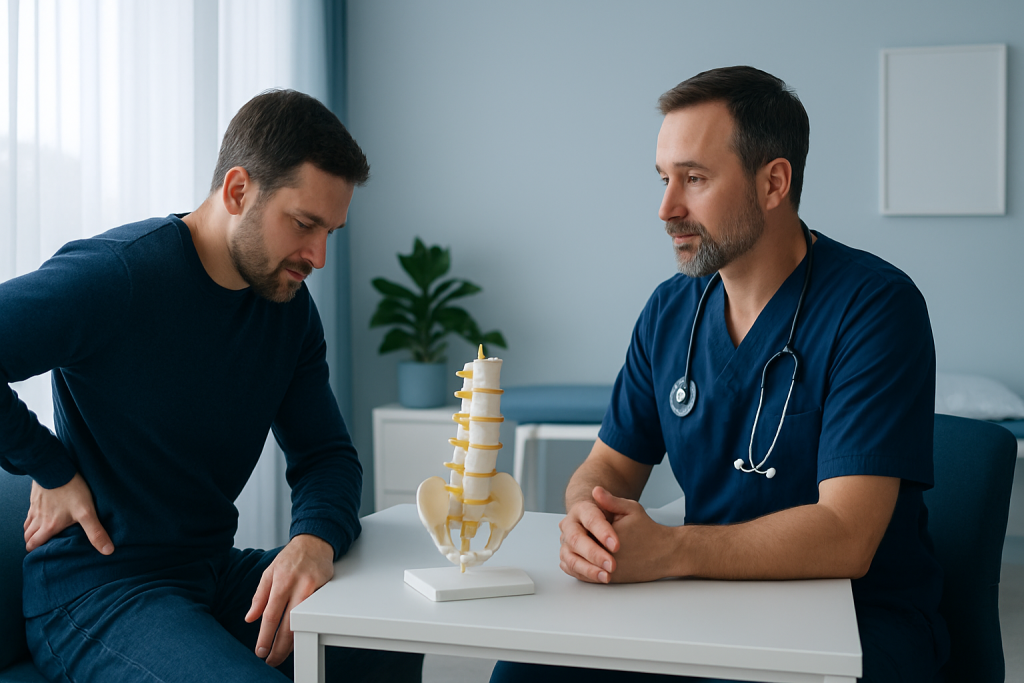
Diagnosis begins with a detailed conversation about symptoms. A clinician will usually ask where the pain is felt, whether it travels, what makes it better or worse, and whether there is numbness, tingling, or weakness. This history helps identify whether the problem is more likely to involve a nerve root, a joint, a muscle, or another spinal structure.
A physical examination is then used to check movement, posture, reflexes, strength, and sensation. Simple tests may reproduce the pain pattern or reveal whether the symptoms fit a particular nerve distribution. These findings are especially useful because many back or neck conditions can feel similar at first.
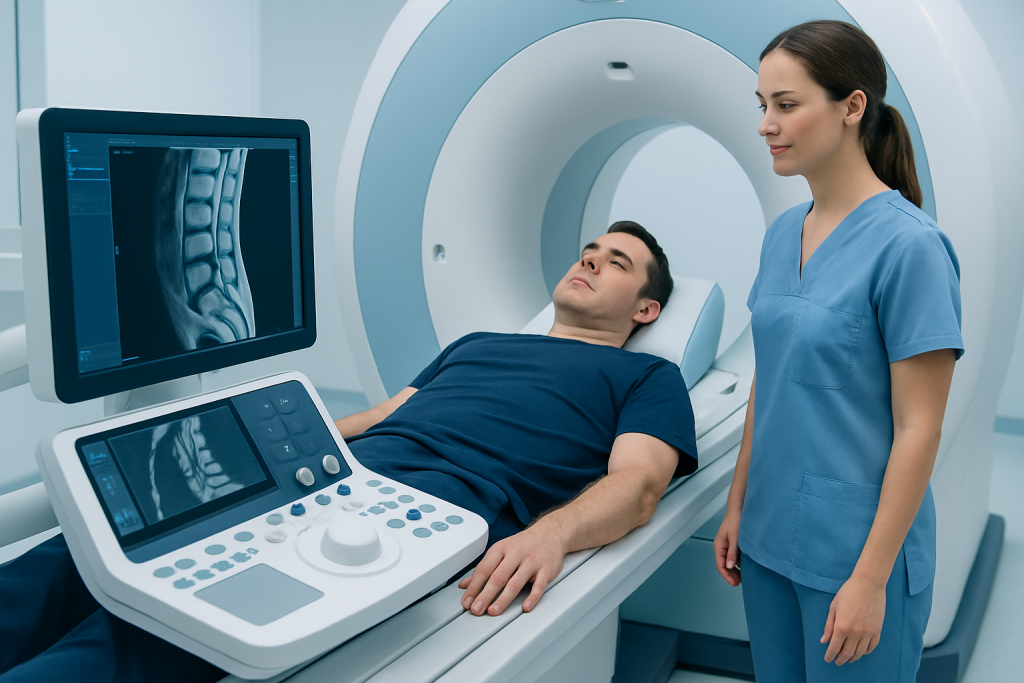
Imaging is not always needed right away. MRI is commonly used when symptoms are persistent, severe, or associated with nerve changes, because it shows soft tissues and disc material well. In some situations, X-rays or other tests may help rule out different causes of pain. For patients arriving from another country, bringing prior imaging reports and treatment notes can make specialist review smoother and can reduce unnecessary repeat testing.
Treatment Options
Many disc herniations improve without surgery. Initial treatment often focuses on reducing inflammation, easing pain, and restoring normal movement step by step. Temporary activity modification is usually more helpful than complete bed rest, since gentle movement supports recovery while protecting the irritated area.
Common non-surgical approaches may include:
- Physical therapy: exercises for mobility, posture, core support, and nerve-friendly movement.
- Knee Pain Relief: Causes and Treatment" class="ahp-ilk">Pain relief strategies: doctor-recommended medicines or other methods to reduce discomfort.
- Activity adjustment: avoiding movements that trigger symptoms while staying as active as tolerated.
- Targeted procedures: in selected cases, injections may be considered to calm nerve inflammation.
Surgery is considered when symptoms do not improve, when pain remains disabling, or when there is significant weakness or nerve compression. The goal of surgery is to relieve pressure on the nerve, not simply to remove a disc fragment at all costs. The best option depends on the exact location of the herniation, the severity of symptoms, and the patient’s overall health and functional needs.
For international patients, treatment planning often includes a practical discussion about timing, recovery environment, and follow-up after returning home. This matters because a successful treatment plan is not only about the procedure itself; it also needs to fit travel, rehabilitation, and communication with the care team after discharge.
Prevention & Self-care
Not every disc herniation can be prevented, but the spine usually benefits from regular, sustainable habits. A balanced approach is more effective than dramatic changes that are hard to maintain. The aim is to reduce repeated stress on the discs and improve the body’s support system.
Helpful self-care habits may include keeping active with walking or other low-impact exercise, building core and hip strength, using good lifting technique, and taking breaks from long periods of sitting. A supportive chair, sensible workstation setup, and attention to sleep position may also reduce strain. Smoking cessation is particularly important because tobacco use can affect disc health and healing.
When symptoms are mild, people often do best by staying gently mobile, avoiding provocative twisting or heavy lifting, and watching for changes in pain, sensation, or strength. Heat or cold may help some patients feel more comfortable, but these measures should be used as comfort tools rather than as substitutes for evaluation when symptoms are ongoing.
When to See a Doctor
Medical review is important if back or neck pain lasts more than a short period, keeps returning, or starts to interfere with work, sleep, or routine movement. It is also wise to seek assessment when pain travels into the arm or leg, especially if numbness, tingling, or weakness appears alongside it.
Urgent attention is needed if there is rapidly worsening weakness, new difficulty walking, or changes in bladder or bowel control. These signs can indicate significant nerve compression and should not be ignored. Severe pain after trauma, fever with spinal pain, or unexplained weight loss also deserve prompt medical evaluation.
For people who are considering care abroad, it helps to arrange consultation before travel if possible, particularly when symptoms are changing. Acibadem Health Point’s multidisciplinary specialists and JCI-accredited hospitals diagnose and treat disc herniation for international patients, with attention to coordinated evaluation, treatment, and follow-up planning.
Living With the Recovery Process
Recovery from disc herniation is often gradual, and that can be reassuring rather than frustrating. Many patients improve in stages: pain settles first, then nerve symptoms lessen, and later strength and confidence return. During this period, consistency matters more than intensity, whether the plan includes home exercises, formal rehabilitation, or a return-to-work schedule.
It is useful to track practical changes rather than only focusing on pain scores. Examples include how long it takes to sit comfortably, whether walking feels easier, or whether numbness is spreading or shrinking. These details help the care team judge whether the plan is working and whether adjustments are needed.
Follow-up is especially important for patients who have traveled for treatment. A clear discharge plan, written exercise guidance, and a way to contact the medical team after returning home can make recovery feel more manageable and less uncertain.
Frequently asked questions
What is the difference between a herniated disc and a bulging disc?
A bulging disc usually means the disc extends outward more broadly, while a herniated disc means part of the inner disc material has pushed through a tear in the outer layer. Both can cause symptoms, but a herniation is more likely to irritate a nearby nerve. A clinician uses symptoms and examination findings, along with imaging when needed, to tell them apart.
Can disc herniation happen without pain?
Yes. Some people have little or no pain and only discover the problem during an evaluation for numbness, weakness, or another issue. Because symptoms depend on nerve involvement, absence of pain does not always mean the disc is not affecting a nerve.
How long does recovery usually take?
Recovery varies widely, depending on the location of the herniation, symptom severity, and the treatment approach. Many people improve with conservative care over time, but nerve-related symptoms may take longer than back or neck pain. A doctor can help estimate the expected course based on the individual case.
Is surgery always needed for a herniated disc?
No. Many patients improve with non-surgical treatment such as guided exercise, activity modification, and pain management. Surgery is usually reserved for persistent symptoms, significant weakness, or nerve compression that does not improve as expected.
Can exercise make a herniated disc worse?
The right type of exercise can help recovery, but some movements may aggravate symptoms early on. Gentle, guided activity is usually preferred over strenuous lifting, twisting, or high-impact exercise. A physiotherapist or doctor can suggest safer options based on the location of the disc herniation.
When should someone seek urgent medical help?
Urgent care is needed if there is new or worsening weakness, trouble walking, or loss of bladder or bowel control. These can be signs of serious nerve compression. Sudden severe symptoms should be assessed promptly rather than watched at home.
References
- National Institute of Neurological Disorders and Stroke
- American Academy of Orthopaedic Surgeons
- Mayo Clinic
- North American Spine Society
- World Health Organization
This article is for general information only and is not a substitute for professional medical advice. Please consult a qualified doctor about your individual situation.
Joint and spine care in Turkey — expert assessment & treatment
JCI-accredited · board-certified surgeons · reply within 24h
Add us as a Preferred Source to see more of our trusted health content across Google Search, AI Overviews and Discover.
More from the Health Library



Related Specialists

Assoc. Prof. Dr. Ali Şahin
Orthopedic Surgery & Traumatology
Prof. Dr. Ahmet Alanay
Orthopedic Surgery & Traumatology
Dr. Sinan Aksu
Orthopedic Surgery & Traumatology
Dr. Sirri Baştürk
Orthopedic Surgery & Traumatology