Depo Shot

Key Takeaways
- The Depo shot is an injectable birth control method that works for several months at a time.
- It may change bleeding patterns, especially in the first months of use.
- Some people notice weight change, headaches, mood shifts, or delayed return to fertility after stopping.
- It does not protect against sexually transmitted infections, so barrier protection may still be needed.
- A clinician should review medical history, bone health, and other medications before starting the injection.
The Depo shot is a long-acting hormonal contraceptive given by injection, often chosen by people who want a private and low-maintenance birth control option. Understanding how it works, what to expect, and when to check in with a clinician can make it easier to use safely and confidently.
Overview
The Depo shot is a form of hormonal contraception given as an injection, usually in the arm or buttock, that provides pregnancy prevention for a set period of time. Many people choose it because it removes the need to remember a daily pill and because it is discreet, which can be especially helpful during busy travel, demanding work schedules, or when follow-up care may need to be planned across borders.
Its active ingredient is a progestin, a hormone that helps prevent ovulation and changes the cervical mucus so sperm have a harder time reaching an egg. For some patients, the convenience of returning every few months for a repeat injection fits well with international care plans, but timing matters, and the injection schedule should be followed carefully to maintain protection.
The Depo shot is one contraceptive option among many, not a universal solution. A good choice for one person may not suit another, especially if there are concerns about bone health, irregular bleeding, fertility plans in the near future, or certain medical conditions. A clinician can help weigh these details in a calm, practical way.
Symptoms
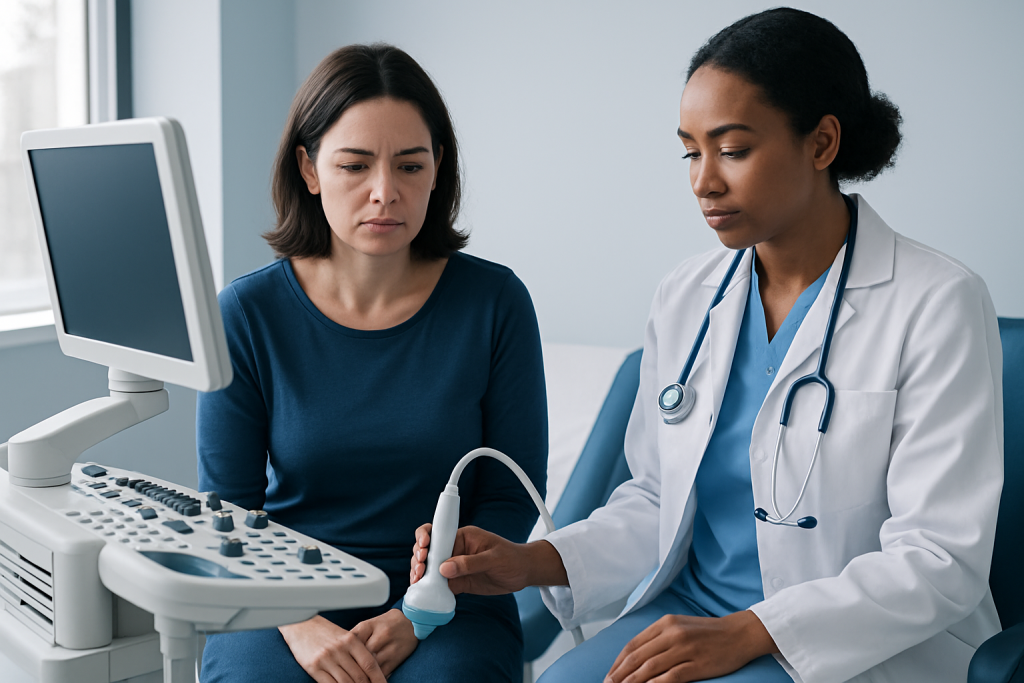
Because the Depo shot is not a treatment for pain or illness, the most noticeable changes are usually related to the menstrual cycle and hormone effects. Some people have lighter periods over time, while others develop spotting or irregular bleeding, especially after starting the injections. For many users, periods eventually stop altogether, which can be normal with this method.
Other changes may be subtler. Headaches, breast tenderness, mood changes, bloating, or changes in appetite can occur in some people. Not everyone experiences these effects, and when they do occur, they often vary in intensity from one injection cycle to the next.
It is also common to have local injection-site soreness for a short time. If bleeding becomes very heavy, pain develops, or symptoms feel unusual or disruptive, the person should speak with a healthcare professional rather than assuming the change is expected.
Causes & Risk Factors

The Depo shot works by altering hormone signals that normally lead to ovulation. Without regular ovulation, pregnancy is less likely. The same hormonal effect also thickens cervical mucus and can make the uterine lining thinner, which is part of why bleeding patterns often change after starting the shot.
Whether the Depo shot is a suitable option depends on individual health factors. A clinician may look at age, bleeding history, migraine patterns, smoking status, current medications, a history of osteoporosis or other bone concerns, and whether pregnancy might be desired soon. These details help determine whether another contraceptive may be a better fit.
People with limited access to frequent follow-up sometimes appreciate the shot’s convenience, but it still requires a reliable plan for repeat injections. Myomectomy Recovery for International Patients: The Usual Travel Timeline" class="ahp-ilk">International patients, in particular, may want to confirm how their schedule will be maintained if they are leaving the country or changing time zones, so protection is not interrupted.
Diagnosis
The Depo shot itself does not require a diagnostic test to be recognized, but starting it safely usually involves a brief medical review. A clinician may ask about menstrual history, past pregnancies, current medications, allergies, and any conditions that could affect contraceptive choice. In some cases, a pregnancy test may be done before the first injection.
If the person has unusual bleeding or side effects after starting the shot, evaluation may include a discussion of when the symptoms began, how often they happen, and whether anything else has changed. This helps distinguish expected hormone-related changes from problems that need a different approach.
When bone health is a concern, the clinician may consider whether additional assessment is needed based on age and medical background. The goal is not to create alarm, but to match the contraceptive choice to the person’s overall health and future plans.
Treatment Options
The main “treatment” for pregnancy prevention with this method is the injection itself, repeated on schedule as advised by the healthcare team. If the shot is started at the right time in the menstrual cycle or with backup contraception as recommended, protection can begin promptly. For international patients, planning follow-up injections before travel or arranging a trusted clinic at the destination can help avoid gaps.
If side effects arise, the response depends on the symptom. Irregular bleeding may improve with time, and a clinician may suggest observation or another contraceptive if the pattern remains bothersome. If mood symptoms, headaches, or weight concerns become significant, the method can be reassessed rather than continued automatically.
For people who want pregnancy in the near future, another birth control method may be more practical because fertility can take time to return after the Depo shot is stopped. A doctor can help compare options such as pills, implants, intrauterine devices, condoms, or non-hormonal methods based on medical history and lifestyle.
Prevention & Self-care
Staying on schedule is the most practical way to use the Depo shot well. Setting calendar reminders, carrying a copy of the injection record during travel, and keeping contact details for the clinic can reduce the chance of a missed dose. This is especially useful for people who receive care in one country but spend part of the year elsewhere.
Self-care also means paying attention to bleeding patterns, mood, and general wellbeing without overinterpreting every change. A symptom diary can be helpful if the clinician needs to review trends over several months. Balanced nutrition, regular exercise, and attention to bone health are sensible habits for everyone, particularly for people who use long-acting hormonal contraception for extended periods.
The Depo shot does not protect against sexually transmitted infections. Condoms or other barrier methods may still be appropriate depending on the person’s sexual health needs, and STI testing should be considered when recommended by a clinician.
- Keep the next injection date clearly recorded.
- Ask in advance how to handle travel or rescheduling.
- Report heavy bleeding, severe headaches, or concerning mood changes.
- Use condoms if STI protection is needed.
When to See a Doctor
Medical advice should be sought if bleeding becomes very heavy, lasts much longer than expected, or is accompanied by dizziness or significant pain. Although irregular bleeding is common with the Depo shot, a new or severe pattern deserves review so other causes can be ruled out.
A clinician should also be contacted if there are signs of a possible allergic reaction, persistent depression, major mood changes, chest pain, shortness of breath, or swelling in a leg. These symptoms are not typical side effects to ignore, even if they are not necessarily caused by the injection.
It is equally reasonable to ask for guidance before starting the shot if there is uncertainty about bone health, future fertility plans, or whether another contraceptive would be easier to continue while traveling. Acibadem Health Point’s multidisciplinary specialists and JCI-accredited hospitals can help international patients diagnose and manage contraceptive concerns in a coordinated way, with careful follow-up when needed.
Frequently asked questions
What is the Depo shot used for?
The Depo shot is used for birth control and is given as an injection every few months. It prevents pregnancy primarily by stopping ovulation and changing cervical mucus. It is a convenient option for people who prefer not to take a daily pill.
Does the Depo shot stop periods?
It can. Some people have irregular spotting at first, while others notice lighter periods over time or no periods at all. These changes can be normal with this method, but unusually heavy or prolonged bleeding should be checked by a clinician.
How quickly does fertility return after stopping the Depo shot?
Fertility may return more slowly after the Depo shot is stopped than after some other contraceptive methods. The timing varies from person to person, so anyone planning pregnancy soon should discuss this in advance. A doctor can help choose a method that better matches near-term family-planning goals.
Does the Depo shot protect against sexually transmitted infections?
No, it does not protect against STIs. Condoms or other barrier methods may still be needed depending on a person’s situation. STI testing and safer-sex counseling can be part of a routine visit.
What side effects are most common?
Common side effects can include irregular bleeding, spotting, headaches, breast tenderness, mood changes, and weight-related concerns. Many people tolerate the shot well, but side effects should be reviewed if they are persistent or bothersome. A clinician can help decide whether to continue or switch methods.
Who should ask a doctor before using the Depo shot?
Anyone with bone health concerns, unexplained bleeding, a history of severe mood symptoms, or plans for pregnancy in the near future should get medical advice first. It is also important to review the shot with a clinician if the person takes other medications or has a complex medical history. A personalized discussion helps confirm whether it is the right contraceptive choice.
References
- World Health Organization
- Centers for Disease Control and Prevention
- American College of Obstetricians and Gynecologists
- Mayo Clinic
- NHS
This article is for general information only and is not a substitute for professional medical advice. Please consult a qualified doctor about your individual situation.
More from the Health Library



Related Specialists

Prof. Dr. A. Taner Usta
Gynecology & Obstetrics
Prof. Dr. Ahmet Tayyar
Gynecology & Obstetrics
Prof. Dr. Ahmet Cem Batukan
Gynecology & Obstetrics
Dr. Sevgi Selen
Gynecology & Obstetrics