Signs Of Perimenopause

Key Takeaways
- Perimenopause is a gradual hormonal transition, not a sudden event.
- Changes in cycle timing, sleep, mood, and temperature control are common signs.
- Symptoms can overlap with other health conditions, so assessment matters.
- Diagnosis is usually based on symptoms and menstrual history rather than a single test.
- Treatment and self-care options can improve comfort and daily function.
Perimenopause is the transition period before menopause, when hormone levels naturally begin to change and menstrual patterns may shift. The signs can be subtle at first, but recognizing them early helps women understand what is happening and choose the right support.
Overview
Perimenopause is the stage of life when the ovaries begin to make estrogen and progesterone less consistently. It is a natural transition, but the timing and experience vary widely from person to person. For some women, it begins in the early 40s; for others, it starts later and unfolds quietly over several years.
The first signs are often not dramatic. A period that arrives earlier than expected, sleep that feels lighter than usual, or mood changes that seem out of character can all be part of the picture. Because these changes can be gradual, many women first notice them only in hindsight—especially when they are balancing work, travel, family responsibilities, or cross-border care decisions at the same time.
Understanding perimenopause helps separate normal transition symptoms from conditions that deserve medical attention. It also gives women a clearer way to talk with a clinician, whether they are arranging care locally or seeking an international specialist for a second opinion.
Common Signs and Symptoms
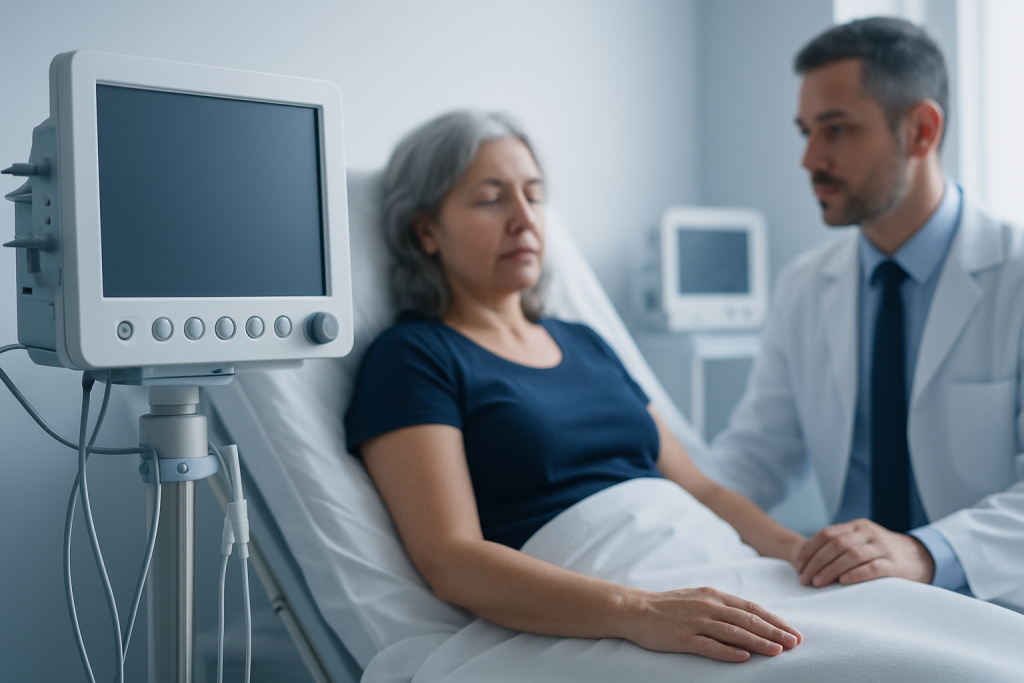
The most recognized sign of perimenopause is a change in menstrual cycles. Periods may become shorter or longer, heavier or lighter, or they may be skipped altogether for a month and then return. Some women also notice spotting between periods or a different premenstrual pattern than they had before.
Hormone shifts can affect more than the cycle. Hot flashes and night sweats are common, and they may be brief or intense enough to disrupt sleep. Sleep problems can also appear without obvious hot flashes, leaving a woman feeling tired, less focused, or more easily irritated during the day.
Other common changes include:
- Mood swings, anxiety, or feeling more emotionally reactive
- Vaginal dryness or discomfort during intercourse
- Lower libido
- Headaches or migraines that change in pattern
- Bloating or breast tenderness
- Difficulty concentrating or “brain fog”
Not every woman will have all of these signs, and the same symptom may feel mild in one person and disruptive in another. The key clue is often the combination of symptoms together with a shifting menstrual pattern.
Why Perimenopause Happens

Perimenopause happens because ovarian hormone production becomes less predictable with age. Estrogen levels can rise and fall unevenly, while ovulation becomes less regular. These changes affect the menstrual cycle and can also influence sleep, temperature regulation, mood, and vaginal tissue health.
There are also factors that can shape when symptoms start or how noticeable they feel. Family history may influence timing. Smoking has been linked with earlier menopause in some women. Certain medical treatments, ovarian surgery, or some health conditions may also affect hormone function or bring on earlier symptoms.
It is important to remember that perimenopause is not a diagnosis of exclusion by age alone. A woman may be in this transition and still need evaluation for other causes of irregular periods or hot flashes, such as thyroid disorders, pregnancy, anemia, stress-related cycle changes, or medication effects.
How Perimenopause Is Diagnosed
In many cases, diagnosis begins with a detailed discussion of symptoms and menstrual history. A clinician will usually ask when the cycle changes started, how often periods are occurring, and whether there are sleep, mood, or temperature-related symptoms. For women in the typical age range, this history is often the most useful tool.
Blood tests may sometimes be used, but they do not always give a simple yes-or-no answer. Hormone levels can fluctuate from day to day during perimenopause, so a single test may not reflect the overall pattern. A doctor may order tests to rule out other conditions when symptoms are unusual, severe, or occurring at a younger age than expected.
A careful assessment may include questions about medications, pregnancy possibility, thyroid symptoms, bleeding patterns, and personal or family history. This is especially helpful for women who are planning care from abroad, because the clinician can decide which tests are truly necessary and which can be avoided.
Treatment Options
Treatment for perimenopause is personalized. Some women need only reassurance and a few practical adjustments, while others benefit from medication or hormone therapy. The best choice depends on symptoms, age, medical history, and personal preferences.
For hot flashes and night sweats, hormone therapy may be considered for appropriate candidates after a clinician reviews risks and benefits. Non-hormonal medicines may also help some women, especially if hormone therapy is not suitable. For vaginal dryness, local treatments such as moisturizers or prescribed vaginal estrogen can improve comfort and quality of life.
Other symptom-focused approaches may include:
- Adjusting treatment for heavy or irregular bleeding
- Managing migraines or sleep disturbance
- Addressing mood symptoms with counseling, stress-reduction strategies, or selected medications
- Reviewing medications that may worsen symptoms
Women seeking care internationally often appreciate a coordinated plan, because it can bring gynecology, endocrinology, and imaging or laboratory evaluation into one pathway rather than spreading it across multiple appointments.
Prevention & Self-care
Perimenopause itself cannot be prevented, but symptoms may be easier to manage with steady routines and a few targeted habits. Regular physical activity supports mood, sleep, bone health, and cardiovascular health. A balanced diet with enough protein, calcium, and overall nutrients can help sustain energy during this transition.
Sleep hygiene matters more than many women expect. Keeping the bedroom cool, limiting alcohol close to bedtime, reducing late caffeine, and maintaining a consistent sleep schedule can lessen the impact of night sweats and insomnia. Some women also find relief by dressing in layers and using breathable bedding.
It can help to track periods and symptoms for several months. A simple record of cycle timing, bleeding amount, hot flashes, sleep quality, and mood changes gives both the patient and clinician a clearer picture. For those traveling for consultation, this record can make the first visit more productive and reduce the need for repeat testing.
When to See a Doctor
Medical advice is recommended when symptoms are affecting daily life, when bleeding becomes very heavy or frequent, or when periods change abruptly. A clinician should also be consulted if hot flashes, mood symptoms, or sleep problems are severe enough to disrupt work, family life, or travel plans.
Prompt evaluation is especially important if bleeding occurs after sex, between periods, or after a long gap without periods. Very heavy bleeding, symptoms of anemia, pelvic pain, or perimenopause-like symptoms in a younger woman may point to another condition that needs attention.
Perimenopause can be managed more comfortably when women do not have to guess at what is normal. A clear medical review helps rule out other causes and opens the door to treatment choices that fit the woman’s health history and goals. Acibadem Health Point’s multidisciplinary specialists and JCI-accredited hospitals support diagnosis and treatment for Myomectomy Recovery for International Patients: The Usual Travel Timeline" class="ahp-ilk">international patients who need coordinated care.
Living Well Through the Transition
Perimenopause is often easier to handle when the experience is named early and discussed openly. That conversation can be practical rather than emotional: what changed, when it changed, and which symptoms are worth treating now. A woman does not need to “wait it out” if the transition is interfering with sleep, work, intimacy, or overall well-being.
For many patients, the goal is not to eliminate every symptom but to regain steadiness. That may mean a combination of cycle monitoring, lifestyle changes, symptom-directed therapy, and follow-up visits over time. When care is coordinated well, women can move through this stage with more confidence and less uncertainty.
Frequently asked questions
What is the first sign of perimenopause?
The first sign is often a change in menstrual timing or flow. Periods may become irregular, shorter, longer, heavier, or lighter before other symptoms are noticed.
Can perimenopause start in the early 40s?
Yes, it can. The starting age varies, and some women begin to notice changes in their early 40s, while others notice them later.
Do all women get hot flashes during perimenopause?
No, not everyone does. Some women have hot flashes or night sweats, while others mainly notice cycle changes, sleep issues, or mood symptoms.
How is perimenopause diagnosed?
It is usually diagnosed through symptoms and menstrual history. Blood tests may be used in some cases, but hormone levels can fluctuate, so they do not always confirm the diagnosis on their own.
Can perimenopause cause anxiety or mood changes?
Yes, hormonal changes can affect mood, and some women notice anxiety, irritability, or mood swings. Because these symptoms can also have other causes, a doctor may help determine whether perimenopause is the main factor.
When should bleeding changes be checked by a doctor?
Bleeding that is very heavy, occurs between periods, happens after sex, or appears after a long gap without periods should be assessed. Sudden or severe changes should not be assumed to be perimenopause without medical review.
References
- American College of Obstetricians and Gynecologists
- North American Menopause Society
- National Institute on Aging
- Mayo Clinic
- World Health Organization
This article is for general information only and is not a substitute for professional medical advice. Please consult a qualified doctor about your individual situation.
More from the Health Library



Related Specialists

Prof. Dr. A. Taner Usta
Gynecology & Obstetrics
Prof. Dr. Ahmet Tayyar
Gynecology & Obstetrics
Prof. Dr. Ahmet Cem Batukan
Gynecology & Obstetrics
Dr. Sevgi Selen
Gynecology & Obstetrics