32 Weeks Pregnant

Key Takeaways
- At 32 weeks, many people notice more fatigue, pelvic pressure, shortness of breath, and changes in sleep.
- The baby is continuing to gain weight, practice breathing movements, and refine temperature control.
- Regular prenatal visits help track blood pressure, fetal growth, baby position, and any signs of preterm labor.
- Comfort measures such as hydration, side-sleeping, light activity, and rest can make this stage easier.
- Urgent symptoms include leaking fluid, vaginal bleeding, reduced fetal movement, severe pain, or regular contractions before term.
At 32 weeks pregnant, the body is deep into the third trimester and preparing for birth in practical, noticeable ways. Many changes are normal at this stage, but it is also a time to stay alert to symptoms that need medical advice.
Overview
Reaching 32 weeks of pregnancy often brings a mix of anticipation and discomfort. The baby is growing quickly, the uterus is taking up more room, and everyday tasks may begin to feel slower and more effortful. For many people, this is the point when the reality of birth starts to feel closer, even if there are still several weeks to go.
From a medical point of view, 32 weeks sits in the early part of the third trimester. The pregnancy is still considered ongoing rather than full term, so the goal is steady monitoring and sensible preparation. This stage is usually about noticing what is normal for the body now, recognizing changes early, and building a birth plan that feels practical rather than rushed.
For those receiving care while living abroad or planning a medical trip for obstetric support, this can also be a useful time to organize records, confirm prenatal test results, and understand where to seek help if symptoms change. Good communication with a qualified maternity team can make the weeks ahead feel much more manageable.
Symptoms and Common Changes at 32 Weeks
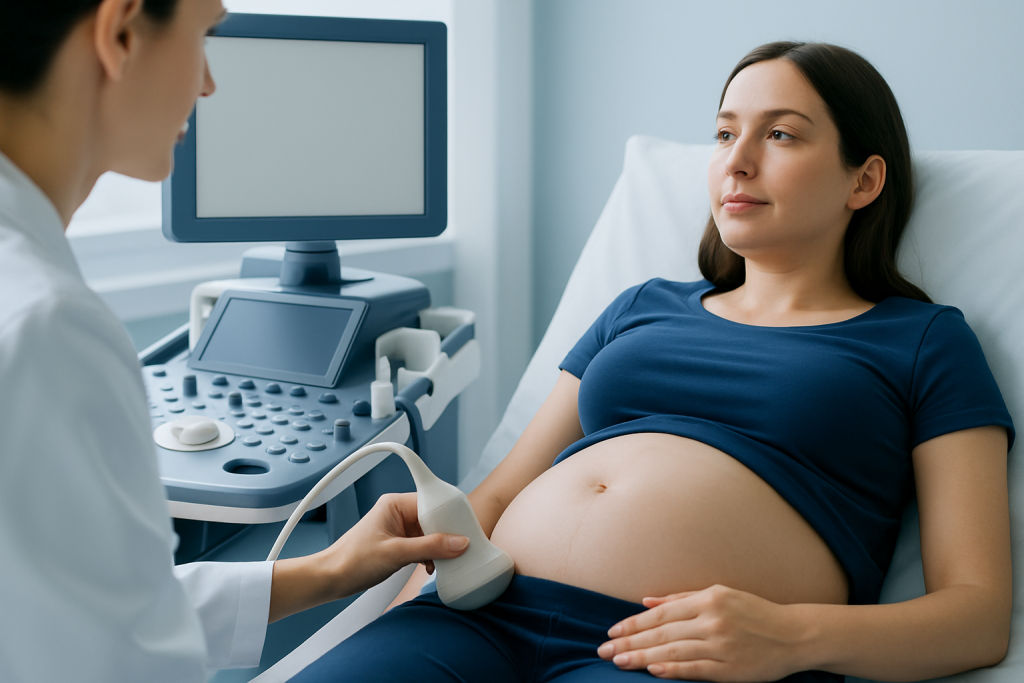
Many pregnancy symptoms become more noticeable at 32 weeks because the baby is larger and the uterus is rising higher in the abdomen. Shortness of breath, heartburn, back pain, leg cramps, pelvic pressure, and trouble sleeping are all commonly reported. Some people also notice Contractions" class="ahp-ilk">Braxton Hicks contractions, which are irregular tightening episodes that come and go and do not steadily intensify.
Fatigue may return even after the more exhausting early pregnancy months have passed. This often happens because the body is working harder, sleep can be fragmented, and simple movements such as turning in bed or climbing stairs may take more energy. Swelling in the feet and ankles is also fairly common, especially after standing for long periods or in hot weather.
Changes in movement pattern can be felt too. The baby should still be moving regularly, though the kicks may feel less sharp as space becomes tighter. If movement seems reduced, it should be taken seriously and discussed with a maternity provider promptly rather than watched for too long at home.
- More frequent urination due to pressure on the bladder
- Nasal congestion or occasional nosebleeds from pregnancy-related blood flow changes
- Mild constipation or hemorrhoids
- Difficulty finding a comfortable sleeping position
Baby Development at 32 Weeks
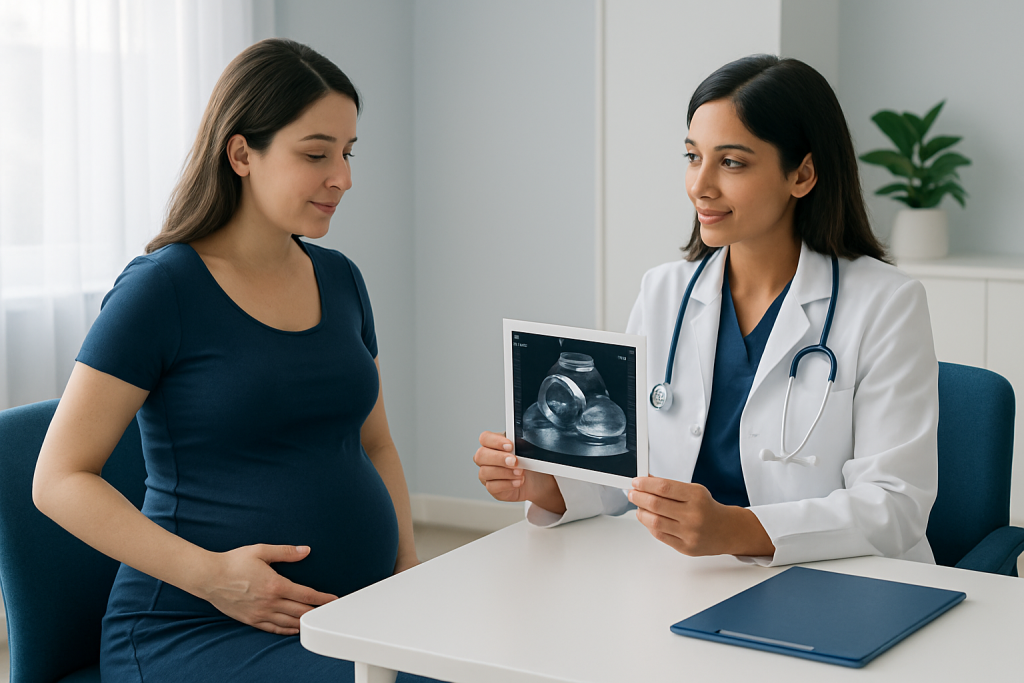
At 32 weeks, the baby is continuing to mature in ways that support life outside the womb, even though additional growth is still very important. Fat stores are building, the skin is becoming smoother, and the nervous system is developing coordination. The baby’s movements may feel more organized, with stretches, rolls, and strong pushes rather than the early fluttering sensations.
The lungs are still developing, and the baby is practicing breathing motions. The brain is also changing rapidly during this period, supporting better regulation of temperature, feeding, and other newborn functions after birth. Many babies at this stage are beginning to settle into a head-down position, though some remain breech for a while longer.
It is reassuring to remember that development continues week by week. Even if a baby were born prematurely, neonatal teams are often able to provide specialized support. Still, the healthiest pathway is usually to remain pregnant until birth occurs naturally at an appropriate time, unless medical reasons call for earlier delivery.
Causes and Risk Factors for Problems in Late Pregnancy
Most of what people feel at 32 weeks is the result of normal late-pregnancy physiology. Hormonal changes relax muscles and ligaments, the uterus grows larger, and blood volume increases, all of which can affect breathing, digestion, posture, and circulation. These changes are expected, but they can also make certain complications easier to overlook if symptoms are dismissed as “just pregnancy.”
Some factors raise the chance of needing closer monitoring in the third trimester. These can include a history of preterm birth, carrying twins or other multiples, high blood pressure, diabetes, placenta problems, cervical shortening, smoking, or certain uterine or cervical conditions. Infections and dehydration can also contribute to contractions or other concerns.
For some patients, the bigger issue is not the pregnancy itself but logistics: long travel, limited access to the same clinician, or gaps in records when care is split between countries. In those situations, it helps to have a clear summary of ultrasound findings, blood tests, medication lists, and any prior pregnancy complications before changing care settings.
Diagnosis and Prenatal Checkups at This Stage
At 32 weeks, routine prenatal care usually focuses on checking maternal well-being and baby growth. A clinician may review blood pressure, weight trends, swelling, urine findings if needed, fundal height, and the baby’s heartbeat. Questions about movement, contractions, sleep, and pain are also important because they help reveal issues that may not show up on a brief exam.
Depending on the pregnancy, additional tests may be recommended. These can include ultrasound scans to assess growth, amniotic fluid, or baby position, as well as blood tests if there are concerns such as anemia or diabetes-related changes. In some cases, especially if symptoms suggest preterm labor or if the baby is not moving as expected, fetal monitoring may be used.
Diagnosis at this stage is often about pattern recognition. A single symptom is not always meaningful on its own, but the combination of symptoms, exam findings, and test results helps the care team decide whether the pregnancy is progressing normally or needs a closer look.
Treatment Options and Medical Management
There is no single treatment for “being 32 weeks pregnant,” because normal pregnancy is not a disease. Care is tailored to the specific concern, whether that is heartburn, back pain, anemia, high blood pressure, infection, or possible preterm labor. The right approach depends on the mother’s health, the baby’s growth, and how far along the pregnancy truly is based on dating.
For discomforts, treatment may be simple and conservative. A doctor may suggest posture changes, rest, safe physical activity, dietary adjustments, support garments, or pregnancy-safe medicines when appropriate. If a complication is suspected, management may include hospitalization, corticosteroids for fetal lung maturity, medications to slow contractions in select situations, or planning delivery if the benefit of ending the pregnancy outweighs the risks of continuing it.
Myomectomy Recovery for International Patients: The Usual Travel Timeline" class="ahp-ilk">International patients sometimes arrive with a mix of imaging reports, medication names, and handwritten notes from different clinics. A multidisciplinary maternity team can help interpret those records, align them with current findings, and build a plan that is medically consistent rather than fragmented across providers.
Prevention and Self-care
Daily habits can make the third trimester more comfortable and may also help reduce avoidable problems. Regular hydration, balanced meals, and enough rest support circulation and energy levels. Many people also feel better when they sleep on the side, often with a pillow between the knees or under the bump to ease pressure on the back and hips.
Light movement, if approved by the clinician, can help with stiffness, digestion, and mood. Short walks, gentle stretching, and prenatal exercise routines are often easier on the body than long periods of sitting or standing. It is also sensible to avoid overexertion, heat stress, and anything that causes dizziness or pain.
A practical self-care routine at 32 weeks can include:
- Tracking fetal movement in the way recommended by the care team
- Keeping prenatal appointments and bringing all test results to each visit
- Preparing the hospital bag and transport plan without rushing
- Noting contractions, pain, fluid leakage, or unusual symptoms in a simple log
These small habits can be especially helpful for patients who will deliver far from home, because they create continuity even when care crosses borders or hospital systems.
When to See a Doctor
Some symptoms at 32 weeks deserve prompt medical attention rather than watchful waiting. Regular contractions, vaginal bleeding, leaking fluid, a noticeable reduction in fetal movement, severe abdominal pain, fever, or intense headache with visual symptoms should be reported right away. The same is true for sudden swelling, chest pain, breathing difficulty that is more than expected, or signs of high blood pressure such as persistent headache and upper abdominal discomfort.
It is also important to call a clinician if the body feels “different” in a way that is hard to explain. A change in movement pattern, a sense that labor may be starting early, or symptoms that are getting steadily worse are reasons to check in. Medical teams are used to evaluating uncertain situations, and it is better to ask early than to wait until symptoms become harder to manage.
For patients planning care abroad, having a direct contact number for the maternity unit, knowing where the nearest emergency department is, and carrying a brief pregnancy summary can save time if symptoms appear unexpectedly. Acibadem Health Point’s multidisciplinary specialists and JCI-accredited hospitals diagnose and treat pregnancy-related concerns for international patients, helping coordinate care when the details need to be handled across borders.
Frequently asked questions
Is 32 weeks considered safe for the baby to be born?
A baby born at 32 weeks is premature, not full term, and usually needs specialized newborn care. Many babies do well with neonatal support, but the pregnancy is ideally continued if it is medically safe to do so.
What symptoms are normal at 32 weeks pregnant?
Common symptoms include back pain, heartburn, swelling, pelvic pressure, fatigue, and trouble sleeping. Braxton Hicks contractions can also happen, but they should not become regular, strong, or progressively painful.
How can the baby’s movements be monitored at this stage?
Most clinicians advise paying attention to the baby’s usual pattern of movement rather than counting every kick in the same way. If movement seems clearly reduced or unusually different, the pregnant person should contact a doctor promptly.
What should be packed or prepared by 32 weeks?
It is sensible to prepare a hospital bag, arrange transport to the maternity unit, and keep important records together. Those records may include ultrasound reports, blood test results, medications, and any previous pregnancy notes, especially for patients traveling from another country.
When should contractions be considered a warning sign?
Contractions that become regular, closer together, more painful, or are accompanied by back pain, bleeding, or fluid leakage may signal preterm labor. A maternity provider should be contacted promptly if that happens.
Can a person still travel at 32 weeks pregnant?
Some people can travel safely, but it depends on the pregnancy history, destination, and the airline or transport rules involved. A clinician should review the plan first, especially if there have been complications, placenta issues, or a history of early labor.
References
- American College of Obstetricians and Gynecologists
- NHS
- Mayo Clinic
- World Health Organization
This article is for general information only and is not a substitute for professional medical advice. Please consult a qualified doctor about your individual situation.
More from the Health Library



Related Specialists

Prof. Dr. A. Taner Usta
Gynecology & Obstetrics
Prof. Dr. Ahmet Tayyar
Gynecology & Obstetrics
Prof. Dr. Ahmet Cem Batukan
Gynecology & Obstetrics
Dr. Sevgi Selen
Gynecology & Obstetrics