Cva Medical Abbreviation

Key Takeaways
- CVA usually stands for cerebrovascular accident, a term used for stroke.
- Stroke is a medical emergency because brain cells can be injured within minutes to hours.
- Sudden facial drooping, arm weakness, and speech changes are classic warning signs.
- Diagnosis often includes brain imaging and tests to look for the cause of the stroke.
- Recovery may involve medication, rehabilitation, and long-term risk factor control.
CVA is a medical abbreviation most commonly used to mean cerebrovascular accident, which is another term for stroke. Understanding the term can help patients and families recognize symptoms quickly and seek urgent care when it matters most.
Overview
CVA does not describe one single disease pathway. It is an umbrella term that may be used for an ischemic stroke, caused by a blocked artery, or a hemorrhagic stroke, caused by bleeding. Both need prompt medical attention, but the treatments are different, which is why quick evaluation is essential.
Some clinicians prefer more specific wording such as “ischemic stroke,” “intracerebral hemorrhage,” or “TIA” for a transient ischemic attack. Still, patients may continue to see CVA in older records, insurance forms, or referral letters, so it helps to know what the abbreviation means in everyday language.
Symptoms
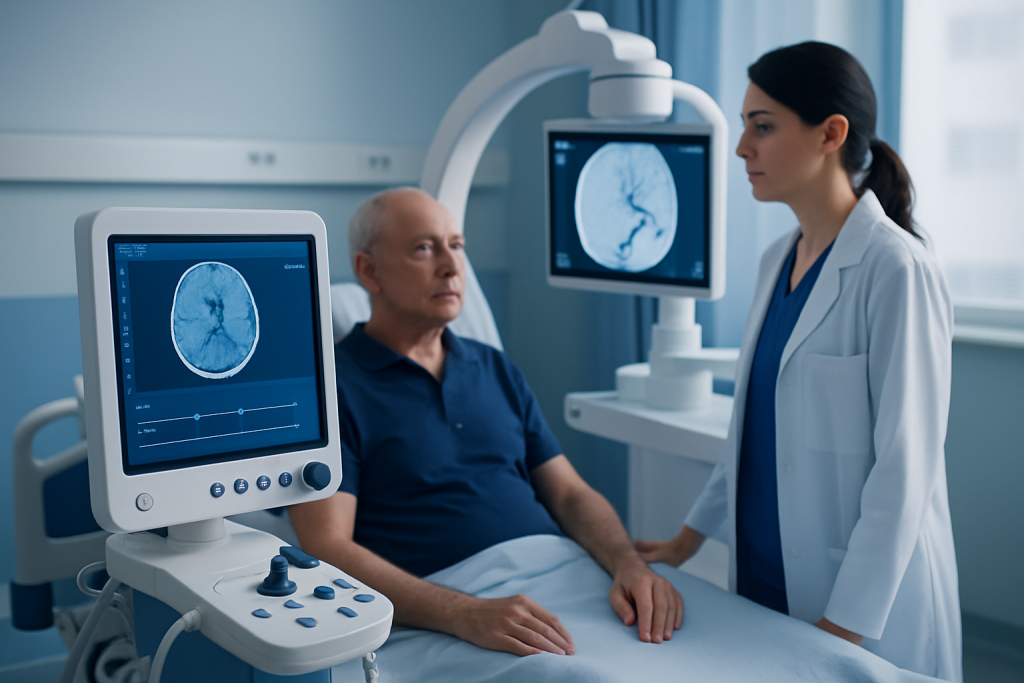
Stroke symptoms usually begin suddenly. The most familiar warning signs include one-sided weakness, trouble speaking, facial drooping, vision changes, numbness, dizziness, or severe imbalance. Some people develop a sudden, severe headache, especially in hemorrhagic stroke.
Not every stroke looks the same. Symptoms vary depending on which area of the brain is affected, and they may be subtle at first. A person may notice clumsy hand movements, confusion, a new problem finding words, or a change in walking that appears without a clear explanation.
A practical way to remember urgent stroke signs is the FAST approach:
- Face: one side may droop
- Arm: one arm may feel weak or drift downward
- Speech: speech may sound slurred or unusual
- Time: emergency care is needed immediately
Even if symptoms fade after a few minutes, they still deserve urgent medical assessment. A brief episode can be a transient ischemic attack, which may be a warning that a more serious stroke could follow.
Causes & Risk Factors

Understanding the cause is not only about naming the stroke; it shapes the long-term plan. A clot-related stroke may require anticoagulation or antiplatelet therapy, while a bleeding-related stroke calls for a very different approach. This is one reason self-diagnosis is never enough.
Diagnosis
Families sometimes ask whether a stroke can be diagnosed from symptoms alone. The short answer is no. Symptoms may strongly suggest CVA, but imaging and medical assessment are needed to tell ischemic stroke from hemorrhagic stroke and to rule out look-alike conditions such as migraine, seizure, or infection.
Treatment Options
For some patients, surgery or a minimally invasive procedure may be recommended, especially when a blood vessel needs repair, a clot must be removed, or pressure from bleeding must be relieved. These decisions are highly individualized and depend on scan findings, symptoms, and overall stability.
Patients traveling for care should ask the treating team about the expected hospital course, rehabilitation plan, and arrangements for follow-up once they return home. Coordinated discharge planning can make recovery smoother and help maintain continuity with local physicians.
Prevention & Self-care
Family members and caregivers play a central role. They can help notice subtle changes, support medication routines, and make sure follow-up appointments are not missed. When everyone understands the warning signs and the recovery plan, day-to-day care becomes more manageable.
When to See a Doctor
A suspected stroke should always be treated as an emergency. If a person develops sudden facial drooping, arm weakness, speech difficulty, vision loss, severe dizziness, confusion, or an abrupt severe headache, emergency services should be contacted immediately.
Medical attention is also important if symptoms seem to improve quickly. A short-lived episode can still signal an unstable blood vessel or a clotting problem that needs assessment. Delaying care may close the window for treatments that could reduce brain injury.
After a confirmed CVA, follow-up with a neurologist or stroke specialist is essential, especially if new symptoms appear, medications cause side effects, or recovery stalls. Patients recovering internationally may benefit from a team that can coordinate imaging, rehabilitation, and written handover for local doctors back home.
Acibadem Health Point’s multidisciplinary specialists and JCI-accredited hospitals diagnose and treat stroke for international patients, with care plans built around both urgent treatment and continued recovery.
Living With the After-Effects of CVA
Recovery after stroke is often a gradual process rather than a single event. Some people improve quickly, while others need months of rehabilitation and practical support. The pace depends on the stroke type, the area of the brain involved, and how soon treatment began.
Emotional changes are common and deserve attention. Fatigue, frustration, anxiety, low mood, and personality changes can affect both the patient and family members. These are not signs of weakness; they are part of recovery and should be discussed with the care team if they interfere with daily life.
A sensible recovery plan usually combines medical follow-up, therapy, healthy routines, and realistic goals. For many patients, the most useful question is not “How fast will everything return to normal?” but “What support is needed now, and what can improve next?”
Frequently asked questions
What does CVA stand for in medical terms?
CVA usually stands for cerebrovascular accident. In modern patient language, it generally means stroke. Doctors may still use the abbreviation in records, referrals, and older documents.
Is CVA the same as a stroke?
Yes, CVA is commonly used to refer to a stroke. It may describe either an ischemic stroke or a hemorrhagic stroke, so further testing is needed to identify the exact type.
What are the first signs of a CVA?
Common early signs include sudden facial drooping, weakness on one side, speech problems, vision changes, and trouble walking or balancing. Symptoms can start abruptly and should be treated as an emergency.
Can a CVA be mild?
Some strokes cause only subtle or short-lasting symptoms, but they still matter medically. Even if the person seems to recover quickly, an urgent evaluation is important because the underlying cause may still be active.
How is a CVA diagnosed?
Doctors usually combine a neurological exam with brain imaging such as CT or MRI scans. They may also order blood tests, heart monitoring, and vessel studies to look for the cause of the stroke.
What should a patient do after a CVA?
Follow-up care usually includes rehabilitation, medication review, and risk factor control. Regular appointments help reduce the chance of another stroke and support ongoing recovery.
References
- World Health Organization
- Centers for Disease Control and Prevention
- American Stroke Association
- National Institute of Neurological Disorders and Stroke
- National Health Service
This article is for general information only and is not a substitute for professional medical advice. Please consult a qualified doctor about your individual situation.