

Crystals: Symptoms, Causes and Treatment

Key Takeaways
- Crystals are small solid structures that can develop in joints, urine, eyes, skin, or other tissues.
- The most common crystal-related problems include gout and kidney stones, but other causes exist.
- Symptoms vary by location and may include pain, swelling, redness, urinary discomfort, or no symptoms at all.
- Diagnosis usually combines history, examination, lab tests, and imaging or fluid analysis.
- Treatment focuses on relieving symptoms, addressing the underlying cause, and lowering the chance of recurrence.
Medically reviewed by the Acıbadem clinical team — August 19, 2026
Crystals can form in different parts of the body, most often in joints or the urinary tract, and the meaning depends on where they are found. Understanding the cause helps guide the right treatment, whether the issue is gout, kidney stones, or another crystal-related condition.
Overview
The word crystals can mean different things in medicine, and that is where many people first feel confused. In a clinic, crystals usually refer to tiny solid particles that have formed from minerals or chemicals in the body, sometimes causing irritation, inflammation, or blockage.
Where the crystals appear matters. In a joint, they may trigger a sudden attack of pain and swelling such as gout or calcium crystal arthritis. In the urinary tract, they may contribute to kidney stones or sand-like sediment in urine. Less commonly, crystals can be seen in the eyes, skin, or other tissues and point to another underlying condition.
Because the same word can describe several different problems, the most useful next step is not self-diagnosis but identifying the location, pattern of symptoms, and possible trigger. That is especially important for international patients who may be deciding whether to seek care at home or travel for a more complete workup.
Symptoms
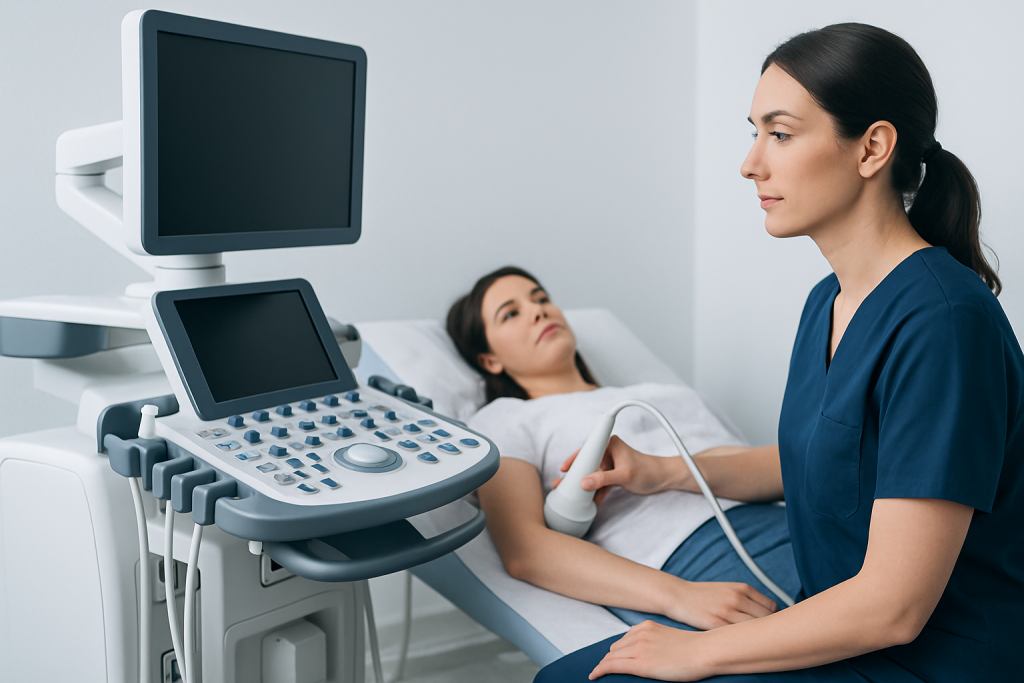
Symptoms depend on where the crystals are forming and whether they are causing inflammation or obstruction. A person with joint crystals may notice abrupt pain, warmth, redness, and limited movement, often in a single joint such as the big toe, ankle, knee, or wrist.
When crystals are part of a kidney stone process, the signs can include severe side or back pain, nausea, blood in the urine, frequent urination, burning with urination, or a feeling that the bladder is not emptying fully. Some stones remain quiet for a while and are found only on imaging or after passing into the urine.
Other crystal-related symptoms may be less specific. These can include visible white or chalky deposits under the skin, eye irritation if crystals affect the cornea, or repeated episodes that come and go. A persistent fever, marked weakness, or inability to drink fluids warrants prompt medical attention because these symptoms can point to a more serious problem rather than a simple crystal buildup.
Causes & Risk Factors
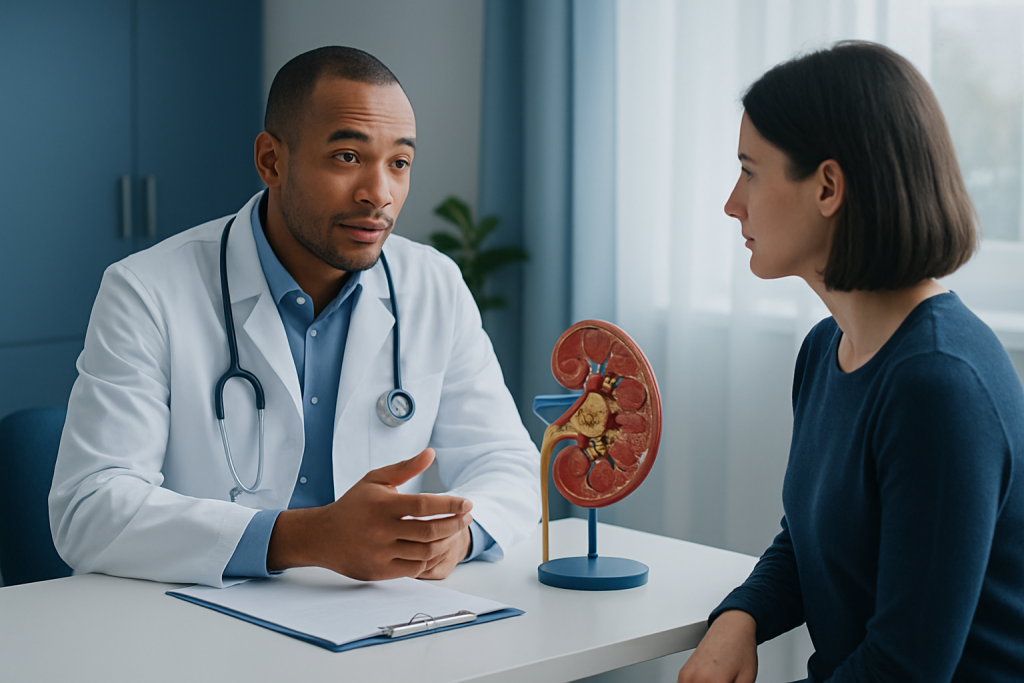
Crystals form when certain substances become too concentrated or the body’s chemistry changes in a way that favors solid deposits. In gout, uric acid can crystallize in and around joints. In kidney stones, the urine may contain too much calcium, oxalate, uric acid, or other stone-forming substances, or too little fluid to keep them dissolved.
Several factors can increase the chance of crystal formation. Dehydration is a common one, especially in hot climates, during travel, or when fluid intake is low. Diet, alcohol use, obesity, certain medicines, kidney disease, and inherited tendencies can also play a role, though the cause is not always obvious.
Some crystal conditions happen after surgery, due to metabolic disorders, or alongside long-term illnesses such as diabetes or inflammatory arthritis. The goal is not to blame a single habit, but to look at the full picture: family history, medications, daily routines, recent travel, and any prior episodes. That broader view often helps doctors find the pattern behind repeated attacks.
Diagnosis
Diagnosis starts with a careful history and physical examination. A doctor will usually ask where the pain or symptoms are located, how quickly they started, whether there has been fever or urinary symptoms, and whether similar episodes have happened before.
Tests are chosen according to the suspected crystal problem. Blood tests and urine tests may help assess uric acid, kidney function, infection, or signs of inflammation. Imaging such as ultrasound, X-ray, or CT scan may be used to look for stones or joint changes. If a joint is swollen, fluid may be drawn from it and examined under a microscope; this can directly identify crystal types and help distinguish gout from infection or other forms of arthritis.
For patients traveling from another country, bringing prior records, imaging reports, and medication lists can make diagnosis much smoother. Even if old test results are available, doctors may repeat key studies to confirm the current situation and avoid treating the wrong condition.
Treatment Options
Treatment depends on the crystal type, the location, and the severity of symptoms. The first priority is often relieving pain and calming inflammation, especially during a sudden flare. At the same time, the underlying cause is addressed so that crystals are less likely to return.
For joint-related crystals such as gout, treatment may include anti-inflammatory medicines, joint rest, and measures to reduce uric acid over time when appropriate. For kidney stones, options can range from pain control and increased fluids to medicines that help a stone pass more easily. Larger stones, persistent blockage, infection, or repeated episodes may require procedures such as shock wave treatment, ureteroscopy, or other minimally invasive approaches.
Supportive care is also important. A doctor may recommend dietary adjustments, medication review, hydration guidance, and follow-up blood or urine tests. In some cases, treatment is straightforward; in others, it requires coordinated care between specialists in rheumatology, urology, nephrology, or radiology. That is often especially helpful for international patients who need a clear plan before returning home.
Prevention & Self-care
Prevention begins with understanding the specific crystal problem, because the advice is not identical for every patient. For many people, maintaining good hydration is one of the simplest and most effective steps, particularly in warm weather, during flights, or after exercise. Regular fluid intake helps dilute urine and may reduce the chance of stone formation.
People with gout or other uric acid-related crystal problems may benefit from general diet and lifestyle adjustments recommended by their doctor. These often include limiting excess alcohol, avoiding dehydration, and following a balanced eating pattern rather than extreme restrictions. If a medicine contributes to crystal formation, the prescribing doctor may consider alternatives when possible.
Self-care also means paying attention to patterns. A person can note what was eaten, how much fluid was taken, any new medication, and whether symptoms followed travel or illness. This kind of simple record can be very useful at follow-up appointments, especially when care is being coordinated across borders and the patient wants a practical plan for the months ahead.
When to See a Doctor
Medical advice should be sought if joint pain or swelling appears suddenly, if urinary symptoms are severe, or if a person has repeated episodes that suggest a recurring crystal problem. A doctor should also be consulted if there is blood in the urine, pain with fever, vomiting, trouble keeping fluids down, or a history of kidney disease.
Urgent assessment is important when a possible kidney stone is causing severe pain, when urine output drops, or when there is concern for infection. Likewise, a hot, swollen joint should not be assumed to be “just crystals,” because joint infection can look similar and needs prompt treatment.
For people planning Herniated Disc Treatment Abroad: Injection, Rehab, or Surgery?" class="ahp-ilk">treatment abroad, it is reasonable to seek evaluation before travel if symptoms are active or diagnosis is uncertain. Acibadem Health Point’s multidisciplinary specialists and JCI-accredited hospitals diagnose and treat crystal-related conditions for international patients, with follow-up plans designed to support recovery after the patient returns home.
Living With Recurrent Crystals
Some people have one episode and never experience it again, while others deal with repeated flares or stones over many years. The difference often comes down to the type of crystals involved, how well the underlying cause is controlled, and whether prevention steps are practical in daily life.
Recurrent symptoms deserve a structured plan rather than repeated guesswork. That plan may include periodic lab checks, medication adjustments, hydration targets, and clear instructions on what to do if pain returns. For patients who live far from their treating center, a written follow-up strategy can make it easier to know which symptoms can wait for an appointment and which need urgent care.
With the right diagnosis, crystal-related conditions are often manageable. The main challenge is not the word itself, but identifying what it means in a specific body and treating the source rather than the deposit alone.
Frequently asked questions
What does it mean when a doctor says crystals are present?
It usually means tiny solid particles have formed from minerals or chemicals in the body. The exact meaning depends on where they were found, such as a joint, urine, or another tissue. A doctor uses the location and test results to identify the cause.
Are crystals always a sign of a serious disease?
Not always, but they should be taken seriously because they can signal inflammation, dehydration, kidney stones, gout, or another medical condition. Some people have few symptoms, while others develop significant pain or blockage. A proper evaluation helps determine how urgent the problem is.
Can drinking more water help with crystals?
In many urine-related crystal problems, hydration is helpful because it can dilute the urine and lower the chance of stone formation. However, fluid advice should be individualized if a person has kidney, heart, or other health conditions. A doctor can recommend a safe target.
How are gout crystals different from kidney stones?
Gout crystals usually form in or around joints and cause inflammation, pain, and swelling. Kidney stones form in the urinary tract and often cause side pain, urinary symptoms, or blood in the urine. Both involve crystal formation, but they are different conditions and are treated differently.
Do crystals always need surgery or a procedure?
No. Many crystal-related problems are managed with medicines, hydration, lifestyle changes, and monitoring. Procedures are considered when a stone is too large, pain is not controlled, blockage develops, or another complication is present.
Can crystal problems come back after treatment?
Yes, recurrence is possible if the underlying cause is not addressed. That is why follow-up testing, prevention advice, and medication review are often part of the long-term plan. With the right approach, repeat episodes can often be reduced.
References
- National Institute of Arthritis and Musculoskeletal and Skin Diseases
- National Kidney Foundation
- Mayo Clinic
- American Urological Association
- NHS
This article is for general information only and is not a substitute for professional medical advice. Please consult a qualified doctor about your individual situation.
Joint and spine care in Turkey — expert assessment & treatment
JCI-accredited · board-certified surgeons · reply within 24h
Add us as a Preferred Source to see more of our trusted health content across Google Search, AI Overviews and Discover.
More from the Health Library



Related Specialists

Prof. Dr. Ahmet Alanay
Orthopedic Surgery & Traumatology
Dr. Sinan Aksu
Orthopedic Surgery & Traumatology
Dr. Sirri Baştürk
Orthopedic Surgery & Traumatology
Prof. Dr. Korhan Özkan
Orthopedic Surgery & Traumatology