Clonus: Causes, Symptoms and Treatment

Key Takeaways
- Clonus is usually a sign of an underlying neurological problem rather than a diagnosis on its own.
- It most often appears as repeated rhythmic jerking in the ankle, foot, wrist, or jaw after a stretch.
- Common causes include upper motor neuron injury, stroke, multiple sclerosis, spinal cord disorders, and medication effects.
- Diagnosis focuses on a careful neurological examination and finding the condition responsible for the movement.
- Treatment depends on the cause and may include medication, rehabilitation, and supportive care to improve comfort and function.
Medically reviewed by the Acıbadem clinical team — August 19, 2026
Clonus is a neurological sign marked by repeated, rhythmic muscle contractions, often noticed when a muscle is stretched. It can point to an underlying nervous system condition, so understanding the pattern and seeking a proper evaluation are important.
Overview
Clonus is a repetitive, rhythmic muscle response that can be seen when a muscle is stretched and held in a certain position. A person may notice a foot that beats up and down, a hand that jerks repeatedly, or a jaw that trembles in a patterned way. It is not a condition by itself; it is a neurological sign that can help a doctor identify what is happening in the nervous system.
In everyday life, clonus may be discovered during a routine exam, after a stroke, during recovery from a spinal cord injury, or while investigating symptoms such as stiffness, weakness, or changes in balance. For international patients deciding whether to travel for care, the most useful question is often not only “What is clonus?” but “What is causing it, and how urgent is that cause?”
Because clonus is linked to the way nerves control muscle tone and reflexes, it usually points toward an issue involving the brain, spinal cord, or the pathways that connect them to the muscles. A careful neurological assessment helps determine whether the jerking is mild and temporary or part of a broader pattern that needs treatment.
Symptoms
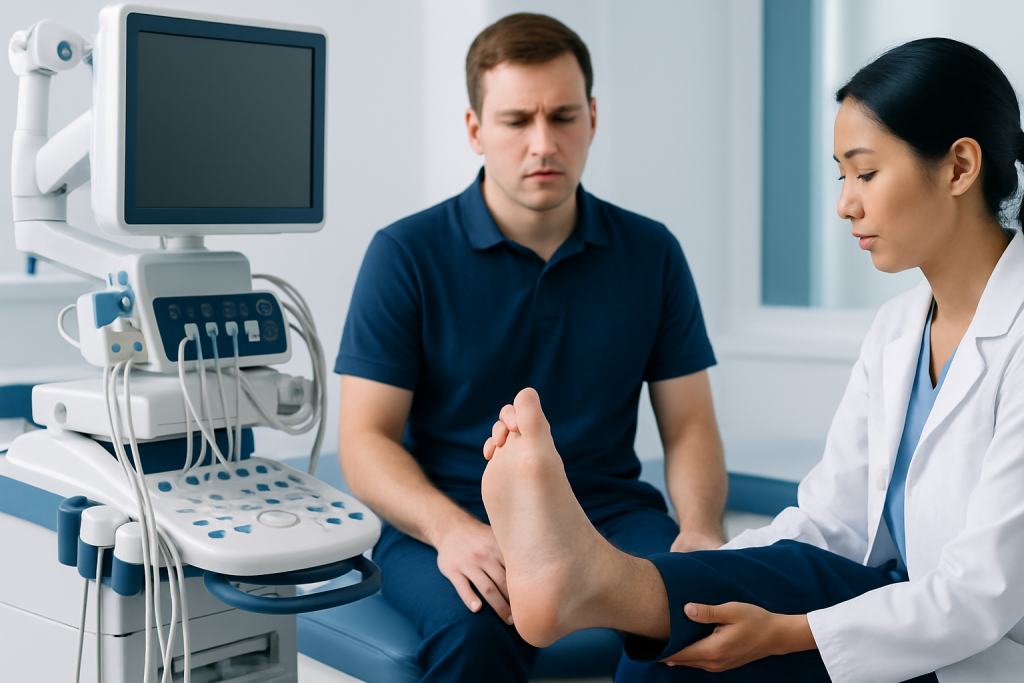
The main feature of clonus is a series of involuntary, regular muscle contractions that continue for as long as the muscle is kept stretched. The movement often looks like a rapid tapping or bouncing motion rather than a single twitch. It may be more noticeable in one side of the body, though it can occur in several muscle groups.
Common places where clonus is observed include the ankle, foot, wrist, fingers, and sometimes the jaw. Some people only experience it when a clinician tests reflexes, while others notice it during walking, stretching, or standing on tiptoe. In many cases, clonus appears together with other signs of increased muscle tone, such as stiffness, tightness, or brisk reflexes.
- Rhythmic jerking after muscle stretch
- Muscle stiffness or spasticity
- Exaggerated reflexes
- Difficulty with smooth movement or walking
- Occasional discomfort, fatigue, or cramping
Not every muscle twitch is clonus. Brief, random twitches can have different explanations, including fatigue, stress, or benign muscle activity. What distinguishes clonus is the repeating, patterned nature of the movement and its link to stretch reflexes.
Causes & Risk Factors

Clonus usually develops when the brain or spinal cord no longer regulates reflexes in the typical way. The result is an overactive stretch reflex, which can make a muscle continue contracting after it is extended. This often happens in conditions that affect the upper motor neurons, the nerve pathways that carry signals from the brain to the spinal cord and muscles.
Possible causes include stroke, multiple sclerosis, traumatic brain injury, spinal cord injury, cerebral palsy, and other disorders that disrupt these pathways. In some people, clonus may also be seen with severe metabolic problems or after exposure to certain medications or toxins that affect the nervous system.
Risk factors depend on the cause. A person with a history of neurological disease, recent brain or spinal injury, or new weakness and stiffness is more likely to develop clonus. In the travel-for-care setting, it can be useful to bring previous scans, medication lists, and hospital discharge summaries, since these details often help specialists quickly understand the context.
It is also important to recognize that clonus can occasionally be seen in urgent situations, especially when it appears with high fever, confusion, severe agitation, or marked muscle rigidity. In those cases, prompt medical attention is appropriate.
Diagnosis
Diagnosis begins with a detailed medical history and a neurological examination. A clinician will ask when the movements started, which body parts are involved, whether there has been a stroke or injury, and whether the person has symptoms such as weakness, numbness, headaches, vision changes, or trouble speaking. The exam often includes testing reflexes and checking muscle tone, strength, coordination, and gait.
During the examination, the doctor may gently stretch a muscle, such as the ankle, to see whether the movement repeats in a rhythmic way. This helps confirm whether the motion is true clonus and how pronounced it is. The goal is not simply to label the finding, but to understand what pattern it fits into neurologically.
Further tests may be used to identify the underlying cause. These can include MRI or CT scans, blood tests, and, in some situations, nerve or spinal evaluations. The exact workup depends on the overall picture, since clonus is a sign rather than a single disease.
For patients traveling internationally, diagnosis often happens in stages: records are reviewed before arrival, key examinations are completed in person, and follow-up tests may be scheduled over several days. That approach can make the process more efficient while still keeping the evaluation thorough.
Treatment Options
Treatment is directed at the cause of clonus. If the sign is related to a stroke, spinal cord disorder, multiple sclerosis, or another neurological condition, managing that illness is the central step. Reducing the underlying problem may lessen the clonus over time, although some people continue to have symptoms that need ongoing management.
When clonus is part of spasticity or muscle overactivity, doctors may recommend medication, physical therapy, and sometimes assistive devices or other rehabilitation measures. Medicines used in neurological care aim to reduce involuntary muscle activity and improve comfort, but the choice depends on the person’s diagnosis, other health conditions, and overall treatment plan. In selected cases, specialty procedures may be considered by a neurologist or rehabilitation physician.
Rehabilitation can be especially helpful for preserving mobility and reducing strain. A tailored plan may include stretching, gait training, balance work, posture support, and techniques to make daily movement safer and easier. For some international patients, a combined neurology and rehabilitation review can be valuable because it aligns diagnosis, symptom control, and recovery planning in one place.
If clonus is linked to a medication effect or another reversible trigger, adjusting the treatment may improve symptoms. Any change in medication should be done only under medical supervision, since stopping a drug suddenly can create new problems.
Prevention & Self-care
Clonus cannot always be prevented, especially when it results from an unexpected neurological event. Still, people can often reduce strain and improve day-to-day comfort by following their treatment plan carefully and staying engaged with rehabilitation or follow-up care.
Helpful self-care steps may include regular gentle stretching if recommended by a clinician, pacing activities to avoid fatigue, using support devices when advised, and keeping appointments that track neurological changes. Good communication matters, particularly for patients returning home after treatment abroad, because subtle changes in stiffness, gait, or balance can be easier to manage when they are noted early.
- Follow the prescribed treatment and therapy plan
- Keep a symptom diary if movements change over time
- Avoid self-adjusting medications without guidance
- Use safe walking strategies if balance is affected
- Ask for a review if stiffness, weakness, or falls increase
Families and caregivers can also help by observing when clonus appears, what seems to trigger it, and whether it affects sleep, walking, or daily tasks. These observations often give clinicians practical clues that are hard to capture in a short appointment.
When to See a Doctor
Any new or unexplained clonus should be discussed with a doctor, especially if it is accompanied by weakness, numbness, vision changes, speech difficulty, severe stiffness, or trouble walking. A neurological sign can be subtle at first, but it may be the earliest clue to a condition that benefits from treatment.
Urgent evaluation is especially important if clonus appears suddenly after a head or spinal injury, or if it comes with fever, confusion, severe agitation, or a rapid change in overall condition. These combinations can signal a more serious problem that should not be watched at home.
For people already living with a neurological diagnosis, a change in clonus pattern is also worth reporting. More frequent jerking, new pain, reduced mobility, or falls can mean the care plan needs adjustment. A neurologist can help determine whether the symptom is stable, worsening, or responding to treatment.
Acibadem Health Point can support international patients with multidisciplinary specialists and JCI-accredited hospitals that diagnose and treat neurological conditions such as clonus in a coordinated way.
Frequently asked questions
Is clonus a disease on its own?
No. Clonus is a neurological sign, not a standalone diagnosis. It usually means a doctor should look for an underlying problem affecting the brain, spinal cord, or nerves.
What does clonus usually feel or look like?
It often looks like rhythmic, repeated jerking after a muscle is stretched, most commonly at the ankle or foot. Some people notice stiffness or tightness at the same time.
Can clonus go away?
It may improve if the underlying cause is treated or if a reversible trigger is addressed. In some neurological conditions, it can persist and be managed rather than fully eliminated.
Is clonus always serious?
Not always, but it should be evaluated because it can point to a significant neurological condition. The level of concern depends on what other symptoms are present and how suddenly it developed.
What tests are used to find the cause of clonus?
A doctor usually starts with a neurological exam and medical history, then may order imaging or blood tests based on the suspected cause. The exact testing plan depends on the overall symptoms and exam findings.
Can rehabilitation help with clonus?
Yes, rehabilitation can help with stretching, movement, balance, and daily function. It is often part of a broader treatment plan for the condition causing the clonus.
References
- National Institute of Neurological Disorders and Stroke
- Merck Manual Professional Edition
- Mayo Clinic
- World Health Organization
This article is for general information only and is not a substitute for professional medical advice. Please consult a qualified doctor about your individual situation.
Joint and spine care in Turkey — expert assessment & treatment
JCI-accredited · board-certified surgeons · reply within 24h
Add us as a Preferred Source to see more of our trusted health content across Google Search, AI Overviews and Discover.