Cranial Nerves

Key Takeaways
- Cranial nerves connect the brain to key structures in the head and neck and help control movement, sensation, and special senses.
- Symptoms depend on which nerve is affected and may include facial drooping, double vision, hearing changes, dizziness, numbness, or swallowing difficulty.
- Many causes are treatable, including inflammation, infection, compression, trauma, diabetes-related nerve damage, and certain neurological conditions.
- Diagnosis often combines a neurological examination with imaging, blood tests, hearing or vision tests, and sometimes nerve studies.
- Prompt medical evaluation is important when symptoms appear suddenly, worsen quickly, or affect speech, swallowing, balance, or vision.
Medically reviewed by the Acıbadem clinical team — August 19, 2026
Skull nerve problems usually refer to disorders affecting the cranial nerves, the nerves that carry signals between the brain and the face, head, eyes, ears, throat, and some internal organs. Because these nerves control many everyday functions, symptoms can range from facial weakness to vision changes, dizziness, swallowing trouble, or altered sensation.
Overview
When people say “skull nerve,” they are usually referring to the cranial nerves: twelve pairs of nerves that emerge from the brain and brainstem and travel through openings in the skull. These nerves help power facial movement, eye movement, hearing, balance, taste, swallowing, and parts of the heart and digestive systems.
Because cranial nerves are so closely tied to daily function, even a small problem can be noticeable. A person may first feel that one side of the face is not moving normally, that reading has become difficult, or that swallowing takes extra effort. In many cases, the challenge is not the nerve itself alone, but the underlying condition affecting it.
For international patients, cranial nerve symptoms can be especially unsettling when they appear during travel or far from home. A careful evaluation is valuable because the same symptom may come from a temporary, reversible issue or from a condition that needs targeted treatment and follow-up.
Symptoms
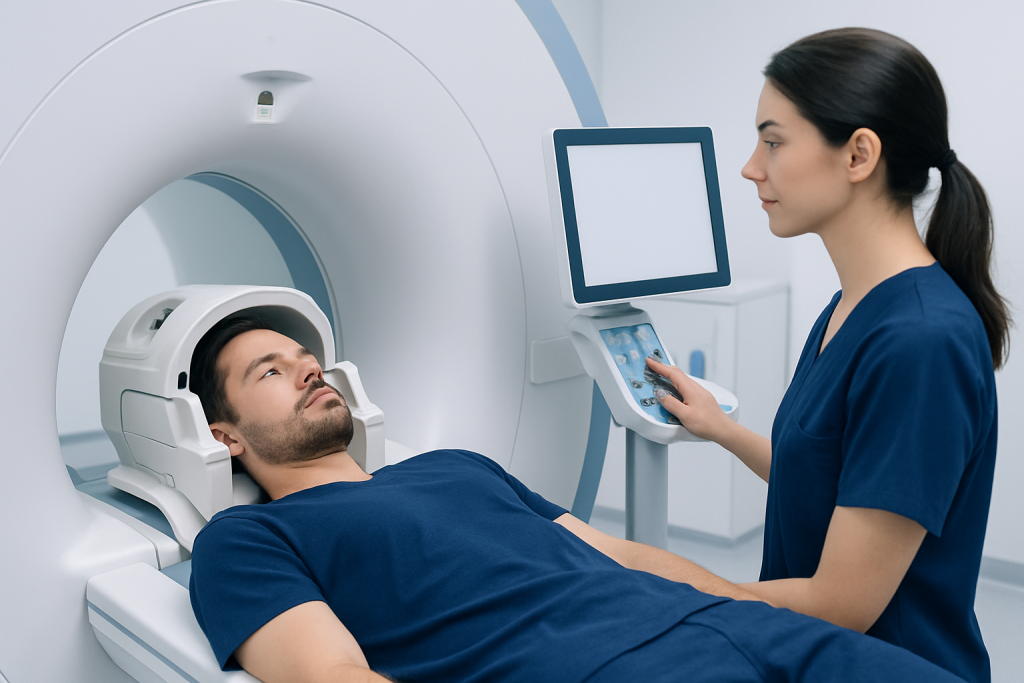
Cranial nerve symptoms vary depending on which nerve is involved. Some problems affect movement, while others change sensation, hearing, vision, or coordination. A person may notice only one symptom at first, but more than one nerve can be involved in some conditions.
Common signs include:
- Facial weakness or drooping on one side
- Double vision or difficulty moving the eyes
- Loss of facial sensation or numbness
- Changes in taste or reduced ability to smell
- Hearing loss, ringing in the ears, or vertigo
- Swallowing difficulty, choking, or a hoarse voice
- Shoulder weakness or tongue weakness in certain nerve disorders
Some symptoms begin suddenly, while others build slowly over weeks or months. Sudden facial droop, new double vision, or trouble speaking should always be assessed promptly, since these can sometimes indicate a more urgent neurological problem.
Causes & Risk Factors

There is no single cause of skull nerve problems. The cranial nerves can be affected by inflammation, compression, infection, trauma, blood vessel disorders, tumors, autoimmune disease, or metabolic conditions such as diabetes. In some people, the cause is identified quickly; in others, several tests are needed to narrow it down.
Examples of causes include Bell’s palsy affecting the facial nerve, viral infections, shingles involving the head or ear, head injury, aneurysms or stroke-related injury, multiple sclerosis, nerve compression from a mass, and diabetes-related nerve damage. Less commonly, inherited disorders or inflammatory diseases such as sarcoidosis may play a role.
Risk factors depend on the cause rather than the nerve alone. A history of diabetes, recent viral illness, ear infections, trauma, smoking, autoimmune disease, or a known tumor can increase concern. Age can also matter, especially when nerve symptoms develop alongside vascular risk factors or progressive balance and vision changes.
Diagnosis
Diagnosis usually starts with a detailed neurological examination. A clinician will ask when the symptoms began, whether they came on suddenly or gradually, and which activities are affected. Careful testing of facial movement, eye tracking, hearing, swallowing, speech, and sensation often helps identify the nerve involved.
Depending on the findings, additional testing may include MRI or CT scans of the brain, skull base, or neck; blood tests for infection, inflammation, diabetes, or vitamin deficiencies; hearing and vision assessments; and sometimes lumbar puncture or nerve conduction studies. These tests help distinguish a nerve disorder from a stroke, migraine, inner-ear condition, or other problem that can look similar at first.
For patients traveling for care, diagnosis may happen in stages. An initial consultation can clarify which tests are truly needed, and follow-up planning is important so that results, treatment decisions, and recovery steps remain coordinated after the person returns home.
Treatment Options
Treatment depends on the cause, the nerve involved, and how much function has been affected. Some cranial nerve problems improve on their own, while others need medication, rehabilitation, or procedure-based care. The main goal is to treat the underlying condition and protect function while healing takes place.
Possible treatments include antiviral or antibiotic therapy for certain infections, corticosteroids in selected inflammatory conditions, blood sugar control for diabetes-related neuropathy, pain management, eye protection when blinking is impaired, and physical or speech therapy when movement or swallowing is affected. If a tumor, aneurysm, or structural compression is present, surgery or other specialist treatment may be considered.
Recovery can be gradual, and the pace is different for each person. Even when the nerve improves, follow-up is important because symptoms such as dry eye, unsteady gait, or swallowing changes may need supportive care while healing continues. A multidisciplinary approach is often helpful when more than one function is affected.
Prevention & Self-care
Not every cranial nerve problem can be prevented, but general health measures can lower risk and support recovery. Good management of diabetes and blood pressure, seat-belt and helmet use, prompt treatment of ear or sinus infections, and avoiding tobacco can all reduce exposure to some causes of nerve injury.
Self-care is usually focused on the specific symptom. People with facial weakness may need eye lubrication and protection if the eye does not close fully. Those with swallowing difficulty may benefit from soft foods, slower eating, and guidance from a speech-language specialist. Rest, hydration, and pacing activities can also help while the cause is being evaluated.
Travelers recovering away from home should keep a written summary of diagnoses, imaging reports, and medicines, and make sure they understand which symptoms require urgent help. Clear instructions are especially useful when follow-up will continue in another country or time zone.
When to See a Doctor
Medical evaluation is recommended for any new cranial nerve symptom, especially if it is sudden, persistent, or getting worse. New facial droop, double vision, loss of balance, trouble swallowing, slurred speech, new hearing loss, or significant numbness should not be ignored.
Emergency care is appropriate if symptoms suggest a stroke, such as abrupt weakness on one side, confusion, severe headache, or trouble speaking. Even when the cause turns out to be less serious, early assessment helps protect nerve function and reduces the chance of missing a condition that needs timely treatment.
If care is being arranged internationally, it is reasonable to seek a center experienced in neurological evaluation, imaging, and follow-up coordination. Acibadem Health Point’s multidisciplinary specialists and JCI-accredited hospitals diagnose and treat cranial nerve conditions for international patients, with attention to both medical workup and continuity of care.
Living With Cranial Nerve Disorders
Some cranial nerve disorders resolve fully, while others require longer-term management. Living well with these conditions often means combining medical treatment with practical adjustments, such as fall precautions for balance problems, dietary changes for swallowing issues, or scheduled eye care when blinking is incomplete.
People often do best when they understand the plan: what symptoms are expected to improve, what needs monitoring, and which changes should prompt reassessment. This is especially important after travel, when a patient may return home before the full recovery period has passed.
Follow-up visits can help track nerve function over time and refine the treatment plan if recovery is slower than expected. With the right evaluation and support, many people regain meaningful function and confidence in daily activities.
Frequently asked questions
What does a cranial nerve problem feel like?
It depends on which nerve is affected. Some people notice facial weakness, while others develop double vision, numbness, hearing changes, dizziness, or swallowing problems. The pattern of symptoms often gives the doctor an important clue about the source of the problem.
Can skull nerve symptoms go away on their own?
Some do, especially when the cause is temporary inflammation or a mild viral illness. However, because cranial nerve symptoms can also be caused by stroke, compression, or other serious conditions, they should still be checked by a clinician.
Is facial drooping always a stroke?
No, facial drooping can happen with conditions such as Bell’s palsy or other facial nerve problems. Still, sudden facial weakness should be treated as urgent until a doctor rules out stroke or another serious cause.
What tests are used to diagnose cranial nerve disorders?
A neurological exam is the starting point, often followed by MRI or CT imaging, blood tests, and hearing or vision testing. In some cases, specialists may also order swallowing studies, lumbar puncture, or nerve tests.
Can cranial nerve disorders affect swallowing?
Yes, some cranial nerves help control the tongue, throat, and voice box. When these nerves are affected, a person may cough while eating, feel food sticking, or notice a hoarse voice.
When should someone seek emergency care?
Emergency care is important for sudden weakness, trouble speaking, severe dizziness, double vision, confusion, or a severe headache. These symptoms can signal a stroke or another urgent neurological condition.
References
- National Institute of Neurological Disorders and Stroke
- Mayo Clinic
- Cleveland Clinic
- Merck Manual Professional Edition
- World Health Organization
This article is for general information only and is not a substitute for professional medical advice. Please consult a qualified doctor about your individual situation.
Explore treatments in Turkey — costs, top hospitals & a free quote
JCI-accredited · board-certified surgeons · reply within 24h
Add us as a Preferred Source to see more of our trusted health content across Google Search, AI Overviews and Discover.