Cauda Equina Syndrome: Symptoms, Causes and Treatment

Key Takeaways
- Cauda equina syndrome happens when a bundle of nerves in the lower spine is compressed.
- New bladder changes, numbness in the groin, or leg weakness should be treated as urgent warning signs.
- MRI is often used to confirm the diagnosis and identify the cause.
- Treatment usually involves emergency surgery to relieve pressure on the nerves.
- Rehabilitation and follow-up may be needed after treatment to support recovery.
Medically reviewed by the Acıbadem clinical team — August 19, 2026
Cauda equina syndrome is a serious condition caused by compression of the nerves at the base of the spinal cord. It needs urgent medical evaluation because early treatment can help protect bladder, bowel, and leg function.
Overview
Cauda equina syndrome is a medical emergency that affects the bundle of nerve roots at the lower end of the spinal canal. These nerves help control movement and sensation in the legs, bladder, bowel, and the area around the genitals and anus. When they are compressed, even for a short time, function can change quickly.
The condition is uncommon, but it matters because the timing of care can influence recovery. For patients who are far from home or arranging treatment while traveling, it is especially important to recognize that this is not a problem to monitor for days at home. Prompt assessment in an emergency setting is the safest step.
Cauda equina syndrome is not a diagnosis people usually make on their own. It is suspected from symptoms and confirmed with imaging, most often an MRI. The goal is simple: identify the pressure on the nerves and relieve it as soon as possible.
Symptoms
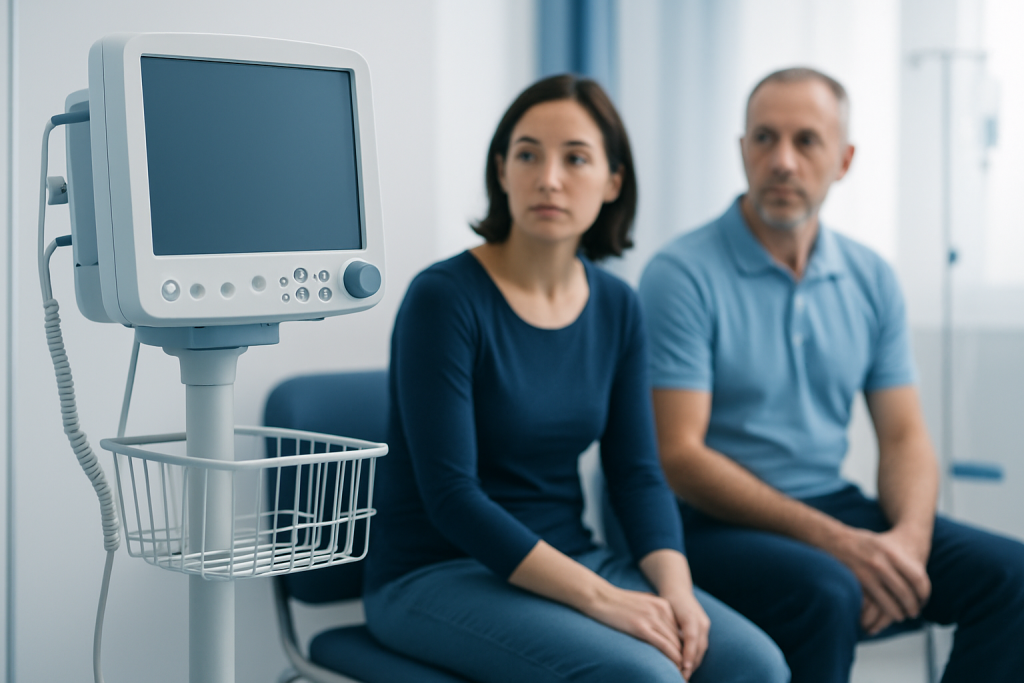
The signs of cauda equina syndrome can begin suddenly or develop over hours to days. Pain in the lower back is common, but back pain alone is not enough to explain the condition. What makes it concerning is the combination of pain with nerve-related symptoms in the legs, groin, or bladder and bowel.
Typical symptoms may include:
- Severe low back pain or sciatica on one or both sides
- Numbness or tingling in the inner thighs, buttocks, or groin
- Weakness in one or both legs
- Difficulty starting urination, reduced bladder sensation, or urinary retention
- Loss of bowel control or new constipation with numbness
- Saddle anesthesia, meaning reduced sensation in the area that would touch a saddle
Symptoms do not always appear all at once. Some people notice bladder changes before leg weakness, while others first feel altered sensation when sitting. Any new combination of these symptoms deserves urgent medical attention, especially if they are worsening.
Causes & Risk Factors
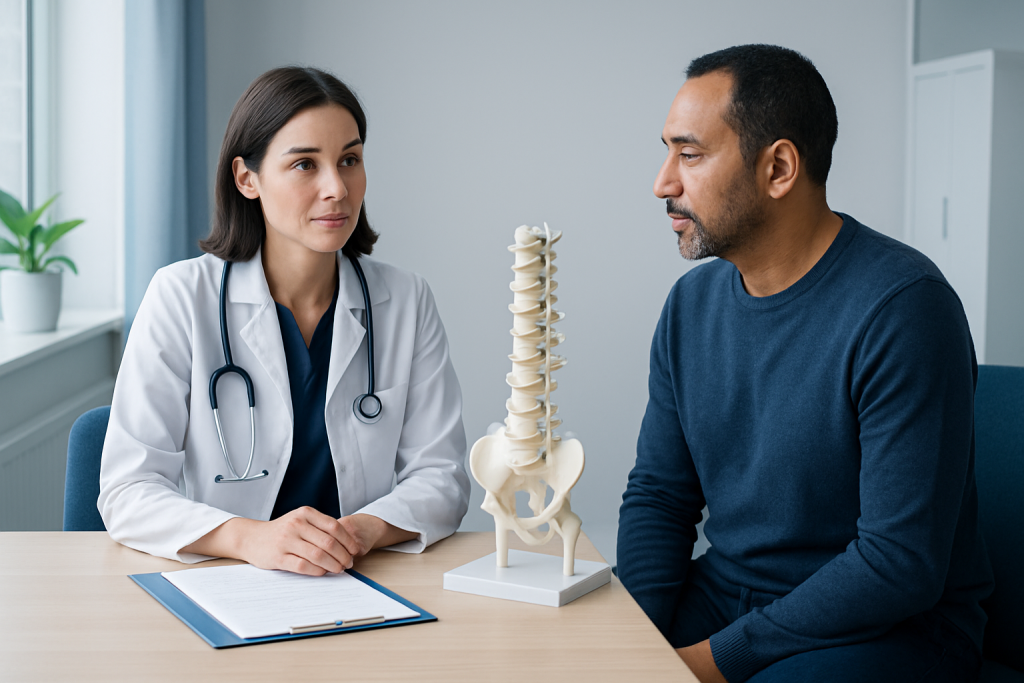
Cauda equina syndrome usually develops when something narrows or crowds the lower spinal canal and presses on the nerve roots. A large herniated disc is one of the most common causes. Other possible causes include spinal stenosis, trauma, tumors, infection, inflammation, bleeding, or complications after spinal procedures.
Certain situations can raise the risk of nerve compression in the lower spine. These include a history of significant back injury, known disc disease, spinal narrowing, cancer that can spread to bone, or infection near the spine. People who have had recent surgery, injections, or procedures on the lower back may also need careful monitoring if new symptoms appear.
It is helpful to understand that risk factors do not predict who will develop the syndrome, and many people with back pain never do. The more important issue is pattern recognition: when back or leg symptoms are joined by bladder, bowel, or saddle-area changes, the possibility of cauda equina syndrome must be considered quickly.
Diagnosis
Diagnosis begins with a focused medical history and neurological examination. A clinician will ask about the timing of symptoms, bladder and bowel function, numbness patterns, leg strength, and any recent injury or spine problems. Because symptoms can be subtle at first, direct questions about urination and sensation in the groin area are often important.
MRI is usually the key test because it shows the spinal canal and nerve compression in detail. If MRI is not available right away, other imaging may be used temporarily, but MRI is generally preferred when cauda equina syndrome is suspected. Blood tests or additional studies may be ordered if infection, inflammation, or another cause is being considered.
For patients traveling for care, diagnosis may happen in more than one step: emergency evaluation first, then imaging and surgical review. That process can feel overwhelming, but urgent assessment is the priority. Delays that occur while waiting to “see if it improves” can make recovery less predictable.
Treatment Options
Treatment depends on the cause, but the central aim is to relieve pressure on the nerves as quickly as possible. In many cases, this means emergency surgery, especially when a disc herniation is compressing the nerve roots. Surgery is often performed by a spine specialist, and the exact procedure depends on where the compression is and what is causing it.
Before surgery, or when surgery is not the immediate next step, supportive care may include pain control, bladder management, and close neurological monitoring. If an infection, tumor, or bleeding problem is responsible, treatment may also include antibiotics, cancer-directed therapy, or other specialist care alongside spinal decompression.
Recovery can take time even after the pressure is relieved. Some patients improve quickly, while others need rehabilitation for walking, balance, strength, or bladder and bowel function. Follow-up is important because the nerves may heal gradually, and ongoing assessment helps the care team tailor support to the person’s progress.
Prevention & Self-care
Not every cause of cauda equina syndrome can be prevented, but good spine care can reduce some risks. Treating back problems early, using safe lifting habits, maintaining core strength, and following medical advice for known disc or spine conditions can all be helpful. People with cancer, infection risk, or previous spinal procedures should keep their care team informed about new symptoms.
Self-care is most useful after the emergency has been addressed. This may include following rehabilitation instructions, pacing activity, protecting the back during daily tasks, and attending follow-up appointments even if improvement has started. For those recovering away from home, it helps to arrange a clear plan for medication review, wound checks if needed, and therapy support after returning home.
Most important of all is knowing which symptoms should never be watched casually. New numbness in the saddle area, urinary retention, or leg weakness is not a “wait and see” situation. Acting early gives the best chance of protecting nerve function.
When to See a Doctor
Immediate medical care is needed if back pain or sciatica is accompanied by numbness around the groin, new leg weakness, trouble urinating, loss of bladder or bowel control, or a feeling of numbness when wiping. These warning signs can point to cauda equina syndrome and should be assessed in an emergency department without delay.
If symptoms are milder but unusual, especially after a recent injury, spinal procedure, or known disc problem, the safest approach is to contact a doctor promptly for guidance. It is better to be evaluated and reassured than to miss an early window for treatment.
International patients who are arranging specialist care may benefit from a center that can coordinate urgent imaging, spine consultation, and rehabilitation planning. Acibadem Health Point’s multidisciplinary specialists and JCI-accredited hospitals diagnose and treat this condition for international patients, with attention to both the emergency phase and the follow-up that comes after.
Living After Treatment
Life after cauda equina syndrome can involve a mix of physical recovery and practical adjustment. Some people regain function gradually, while others need support for bladder training, bowel routines, walking aids, or occupational therapy. Progress is often measured in small steps rather than a single dramatic change.
Regular follow-up helps the care team monitor nerve recovery, adjust rehabilitation, and address concerns that may not be obvious during the first hospital stay. Fatigue, anxiety, and frustration are common during recovery, especially for patients who have traveled for care and are trying to manage healing across different countries or time zones.
Clear communication with the treating team matters. Questions about activity limits, warning signs, and the expected recovery timeline should be asked early and revisited as healing continues. A realistic plan can make the return home safer and less stressful.
Frequently asked questions
Is cauda equina syndrome the same as a slipped disc?
Not exactly. A slipped or herniated disc can be one cause of cauda equina syndrome, but the syndrome itself refers to nerve compression at the lower end of the spinal canal. Many people have disc problems without developing this emergency.
How urgent is numbness in the groin area?
It should be treated as urgent, especially if it is new or occurs with back pain, leg weakness, or bladder changes. Numbness in the saddle area can be a key warning sign of nerve compression.
Can cauda equina syndrome get better without surgery?
Sometimes the cause may be something other than a disc herniation, but true cauda equina syndrome usually requires urgent specialist treatment. The main goal is to relieve nerve pressure as quickly as possible to improve the chance of recovery.
What imaging test is most often used?
MRI is usually the preferred test because it shows the lower spinal nerves and surrounding structures clearly. It helps the care team identify the cause and plan treatment.
Will bladder or bowel function always recover?
Recovery varies from person to person and depends on how severe the compression was and how quickly it was treated. Some functions improve over time, while others may need ongoing rehabilitation or specialist support.
What should someone do if symptoms start while traveling?
They should seek emergency medical evaluation right away rather than waiting to fly home or book a routine appointment. If cauda equina syndrome is possible, timely local care is the safest choice.
References
- National Institute of Neurological Disorders and Stroke
- NHS
- Mayo Clinic
- American Association of Neurological Surgeons
- Cleveland Clinic
This article is for general information only and is not a substitute for professional medical advice. Please consult a qualified doctor about your individual situation.
Persistent digestive symptoms? Get evaluated in Turkey
JCI-accredited · board-certified surgeons · reply within 24h
Add us as a Preferred Source to see more of our trusted health content across Google Search, AI Overviews and Discover.