Cataract Surgery: Procedure, Recovery and Risks

Key Takeaways
- Cataracts cause progressive clouding of the eye’s natural lens and often develop slowly over time.
- Surgery is typically considered when vision changes begin to affect daily activities such as reading, driving, or recognizing faces.
- The operation usually involves removing the cloudy lens and placing a clear intraocular lens in the eye.
- Most patients notice visual improvement during recovery, but healing and follow-up are still important.
- Good eye protection, regular checkups, and managing other health conditions can support long-term eye health.
Medically reviewed by the Acıbadem clinical team — August 19, 2026
Surgery cataract removal is a common procedure used to replace a clouded natural lens with an artificial one, helping many people see more clearly. This article explains when it is considered, what the evaluation involves, and how recovery is usually managed.
Overview
Cataract surgery is a procedure that removes the eye’s cloudy natural lens and replaces it with a clear artificial lens called an intraocular lens, or IOL. For many people, it is the most effective way to restore vision that has gradually become blurred, dim, or washed out by cataracts.
Cataracts are not a sudden event. They usually develop slowly, which means a person may adapt to the changes without realizing how much vision has been affected. That is one reason the decision for surgery is often based less on the appearance of the cataract and more on how much it interferes with everyday life.
For international patients, planning cataract surgery may also involve coordinating travel, eye measurements, anesthesia review, and post-operative checkups. A clear schedule matters, because the best outcomes depend not only on the operation itself, but also on the follow-up care that confirms healing is on track.
Symptoms
Cataracts can affect each person differently, but the most common complaint is vision that no longer feels crisp. Some people describe it as looking through fogged glass, while others notice that colors seem less bright or that night driving has become uncomfortable.
Typical symptoms may include:
- Blurred or cloudy vision
- Glare or halos around lights
- Difficulty seeing at night
- Faded or yellowed color vision
- Frequent changes in eyeglass prescription
- Needing brighter light for reading or close work
Symptoms often progress gradually, so they may be easier to notice in certain situations, such as reading a menu, stepping into bright sunlight, or seeing road signs at a distance. A person may also find that one eye seems to be changing faster than the other.
Causes & Risk Factors

A cataract forms when the proteins in the natural lens of the eye change over time and begin to clump together, reducing the lens’s transparency. Age is the most common reason this happens, but cataracts are not limited to older adults.
Several factors can increase the chance of developing cataracts or cause them to appear earlier in life:
- Getting older
- Long-term sun exposure without eye protection
- Smoking
- Diabetes
- Previous eye injury or inflammation
- Long-term use of certain steroid medications
- Family history of cataracts
Because some risk factors are linked to overall health, cataract care is often part of a broader eye and medical review. A doctor may ask about past illnesses, medications, previous eye procedures, and lifestyle habits to understand whether anything else may be affecting vision.
Diagnosis
Diagnosing a cataract starts with a full eye examination. The eye doctor reviews symptoms, checks visual acuity, and examines the lens and other eye structures with specialized instruments. These steps help confirm whether the cataract is the main reason for the vision changes or whether something else may also be involved.
Common parts of the evaluation may include dilating the pupils so the lens and retina can be examined more clearly. The doctor may also measure the shape and power of the eye to help select the right intraocular lens if surgery is planned. In some cases, additional tests are used to check for other conditions such as glaucoma or macular disease.
For patients traveling from another country, it is helpful to bring previous prescriptions, eye records, and a list of medications. These details can speed up the workup and make it easier for the surgical team to compare earlier findings with the current eye examination.
Treatment Options
Cataracts do not improve with eye drops, and the only definitive treatment is surgery. In the early stages, stronger glasses, better lighting, or anti-glare lenses may help a person manage mild symptoms for a while. When those adjustments no longer provide enough benefit, surgery becomes the most reliable option.
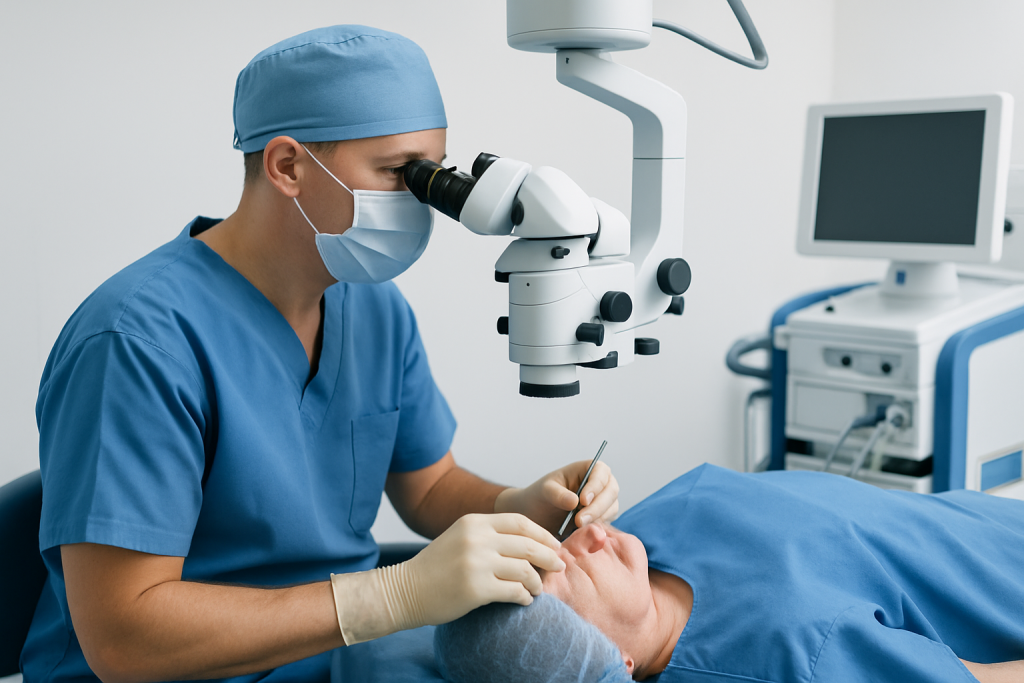
During cataract surgery, the cloudy lens is removed and replaced with an intraocular lens. The procedure is usually performed on an outpatient basis, meaning the patient goes home the same day. Most surgeries are done with local anesthesia and a calming medicine if needed, so the person remains comfortable while the eye is treated.
Several intraocular lens options may be discussed, depending on visual needs and eye health. Some lenses are designed mainly to improve distance vision, while others may reduce dependence on glasses for certain tasks. The choice is individualized, and the doctor will explain what is realistic for that eye.
After surgery, eye drops are commonly prescribed to help prevent infection and control inflammation. Follow-up visits are important to check healing, confirm the lens is in the correct position, and address any questions about vision changes during recovery.
Prevention & Self-care
Not every cataract can be prevented, especially those related to aging, but certain habits may support long-term eye health. Protecting the eyes from ultraviolet light, not smoking, and keeping chronic conditions such as diabetes well controlled are sensible steps.
Helpful self-care measures may include:
- Wearing sunglasses that block UV rays outdoors
- Using a wide-brimmed hat in strong sunlight
- Keeping regular eye examinations
- Managing blood sugar and blood pressure as advised by a doctor
- Reviewing medications with a clinician if steroid use is long term
After cataract surgery, self-care becomes especially important. Patients are usually advised to avoid rubbing the eye, follow the drop schedule carefully, protect the eye from dust or accidental bumps, and attend the planned follow-up appointments. If travel is involved, it is wise to build enough time into the itinerary for the initial recovery and at least one postoperative check.
When to See a Doctor
An eye doctor should be consulted when vision changes begin interfering with daily life, even if the change feels slow or minor. Difficulty driving at night, trouble reading, or struggling to recognize faces can all be signs that a cataract evaluation is needed.
Anyone who notices sudden vision loss, significant eye pain, marked redness, flashes of light, or a curtain-like shadow over vision should seek urgent medical attention. These symptoms are not typical of a simple cataract and may point to another eye condition that needs prompt care.
For people considering surgery abroad, it is useful to plan consultation, treatment, and follow-up as one connected process rather than as separate appointments. Acibadem Health Point’s multidisciplinary specialists and JCI-accredited hospitals diagnose and treat cataracts for international patients, with coordinated care that supports both the procedure and the recovery phase.
Recovery and Outlook
Recovery after cataract surgery is usually straightforward, but vision may fluctuate at first as the eye heals. Some people notice clearer sight within a day or two, while others improve more gradually over several weeks. Mild irritation, light sensitivity, or a gritty feeling can occur briefly during this period.
The final visual result depends on several factors, including the health of the retina, cornea, and optic nerve, as well as whether another eye condition is present. For that reason, surgery can remove the cataract and improve clarity, but it cannot correct every cause of blurry vision.
Most patients return to normal activities with guidance from their doctor, but heavy lifting, swimming, and strenuous exercise may be limited for a short time. A thoughtful recovery plan, especially for those returning to another country, helps make the post-operative period safer and more predictable.
Frequently asked questions
What is surgery cataract removal?
It is an operation that removes the eye’s cloudy natural lens and replaces it with a clear artificial lens. The goal is to improve vision affected by cataracts. It is one of the most common eye surgeries performed today.
When is cataract surgery usually recommended?
It is usually recommended when cataracts begin to interfere with daily activities such as reading, driving, or seeing clearly in everyday light. The timing depends on how much the vision changes affect the person, not just on how mature the cataract looks. An eye specialist can help decide when surgery is appropriate.
Is cataract surgery painful?
Most patients do not feel significant pain during the procedure because the eye is numbed and comfort measures are used. Some mild discomfort, itching, or light sensitivity can happen during recovery. Persistent pain should be reported to a doctor.
How long does recovery take?
Many people notice improvement quickly, but full healing can take several weeks. Follow-up visits are important to make sure the eye is healing properly and that the vision is stabilizing. The doctor may give specific guidance on activity limits during this time.
Will cataracts come back after surgery?
The removed cataract does not grow back because the cloudy natural lens is replaced. However, the membrane behind the lens implant can become cloudy in some people over time, which is treatable with a simple office procedure. A doctor can explain if this occurs.
Can both eyes be treated?
Yes, both eyes can be treated, but they are usually done separately rather than on the same day. This allows the first eye to heal and helps the doctor plan the second surgery more safely. The schedule depends on the patient’s needs and the surgeon’s recommendation.
References
- American Academy of Ophthalmology
- National Eye Institute
- World Health Organization
- NHS
This article is for general information only and is not a substitute for professional medical advice. Please consult a qualified doctor about your individual situation.
Cataract Surgery in Turkey — costs, top hospitals & a free quote
JCI-accredited · board-certified surgeons · reply within 24h
Add us as a Preferred Source to see more of our trusted health content across Google Search, AI Overviews and Discover.