Laser Eye Surgery Candidacy: Why Thin Corneas, Dry Eyes, and Stable Prescriptions Matter

Key Takeaways
- A detailed eye exam is needed before any laser vision procedure is considered.
- Thin corneas may limit the use of some techniques or make another option safer.
- Dry eyes can worsen after surgery, so the eye surface must be evaluated carefully.
- A stable prescription helps predict how long the results will remain effective.
- The best procedure depends on corneal shape, prescription, age, and overall eye health.
Laser eye surgery can reduce dependence on glasses or contact lenses, but not everyone is a good candidate. Corneal thickness, eye surface health, and a stable prescription all help doctors decide which procedure is safest and most likely to work well.
Overview
Laser eye surgery is often discussed as if it were a single decision, but candidacy is really a careful matching process. The eye team looks at the shape and thickness of the cornea, the tear film on the eye’s surface, the strength and stability of the glasses or contact lens prescription, and the person’s overall eye health before recommending a procedure.
For many people, the question is not simply whether they want clearer vision without glasses. It is whether the cornea can safely be reshaped, whether the eye surface is healthy enough to heal well, and whether the prescription has settled enough to make the outcome predictable. These details matter even more for international patients, who may be planning testing, surgery, and follow-up care around travel.
Different procedures use different approaches. LASIK, PRK, and SMILE each have strengths and limitations, and the best fit depends on the patient’s anatomy and visual goals. A thoughtful evaluation helps prevent disappointment and protects long-term eye health.
Symptoms and Signs That Often Lead to Evaluation

Most people explore laser eye surgery because they are tired of everyday dependence on glasses or contact lenses. They may notice inconvenience during sports, travel, work, or humid and dusty conditions. Others are interested because their current correction no longer feels comfortable or practical for their lifestyle.
During the candidacy visit, symptoms are not just about the desire for freedom from lenses. The specialist also asks about eye dryness, burning, fluctuating vision, contact lens intolerance, glare at night, and any history of prior eye injury or surgery. These clues help reveal whether the eye surface or cornea needs extra attention before surgery can be considered.
Some signs suggest caution rather than cancellation. For example, a person who sees well with glasses but has frequent dryness may still be eligible for a procedure, yet the doctor may recommend treating the dry eye first. Someone with stable daytime vision but nighttime halos may need more testing to understand what is causing those symptoms and whether surgery would help.
Causes and Risk Factors That Affect Candidacy
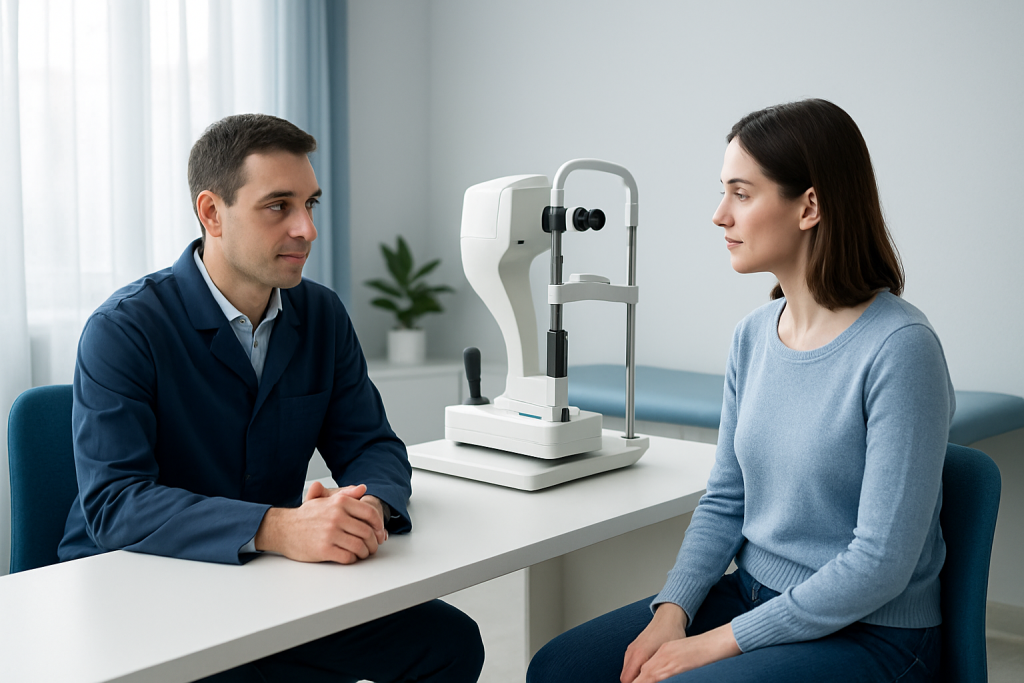
Laser eye surgery candidacy is shaped by several biological and practical factors. Thin corneas are one of the most important, because most laser procedures remove a small amount of corneal tissue to change how light focuses on the retina. If the cornea is already thin, reshaping it may leave too little structural support, which can raise the risk of an unstable cornea after surgery.
Dry eyes are another major consideration. The laser procedures themselves can temporarily reduce tear production or disturb the corneal nerves that help regulate the tear film. People who already have dry eye disease, autoimmune conditions, prolonged screen use, contact lens irritation, or environmental exposure may need treatment before surgery or may be better suited to another option.
A stable prescription also matters. If the glasses number is still changing, the eyes may not have finished shifting, which can make the surgical result less durable. Age can play a role as well: younger adults may still be experiencing refractive change, while older adults may also be developing cataracts or presbyopia, which can alter the best treatment plan. Other risk factors include corneal irregularity, previous eye surgery, certain medications, pregnancy or recent hormonal change, and diseases that affect healing.
- Thin or irregular corneas
- Ongoing dry eye symptoms
- Unstable vision prescription
- Corneal scarring or keratoconus risk
- Some autoimmune or connective tissue disorders
- Recent pregnancy, breastfeeding, or medication changes
How Doctors Evaluate Suitability
The candidacy exam usually begins with a conversation about vision goals and lifestyle. The doctor asks whether the patient wants distance vision, reduced dependence on contacts, or a specific change related to work, sports, or travel. That discussion is paired with a series of tests that measure the eye from the front surface to the back.
Corneal thickness is commonly measured with pachymetry, while corneal shape is assessed with topography or tomography. These scans can reveal whether the cornea is thick enough and regular enough for a laser procedure. Tear testing may also be done to evaluate dry eye, and the prescription is checked carefully to see whether it has remained stable over time.
Other parts of the exam may include pupil measurement, a retinal examination, and an assessment of general eye health. If the patient wears contact lenses, they may be asked to stop using them for a period before testing so the cornea can return to its natural shape. For someone traveling from another country, it is helpful to know that some evaluations can be completed in one visit, but the final surgical plan should never be rushed if more information is needed.
Treatment Options and Procedure Choices
When a patient is a good candidate, the surgeon chooses the procedure that matches the eye’s anatomy and the person’s goals. LASIK creates a corneal flap and reshapes the tissue underneath. PRK reshapes the surface without creating a flap, which may be useful when corneas are thinner or when flap-related concerns matter. SMILE uses a smaller incision and removes a lenticule of tissue, which may suit certain prescriptions and corneal profiles.
Not every patient with thin corneas or dry eyes is excluded from laser vision correction. Sometimes the doctor simply recommends a different procedure, a staged approach, or treatment first for the underlying eye-surface problem. In other cases, the safest choice may be to avoid laser surgery and discuss alternatives such as lens-based procedures, depending on the prescription and eye structure.
The decision is individualized rather than automatic. A patient with a thin cornea may be advised against LASIK but still be suitable for PRK. Someone with significant dry eye may be treated first and reassessed later. The goal is not to fit everyone into one operation, but to choose the method that gives the best chance of comfortable healing and stable vision.
Prevention and Self-care Before and After Surgery
Good preparation can improve the comfort and usefulness of the pre-surgery visit. People considering laser eye surgery should share their complete medical history, including autoimmune disease, allergies, medications, pregnancy status, and prior eye treatments. Being honest about contact lens use, dry eye symptoms, and fluctuating vision helps the specialist interpret the test results correctly.
Before the procedure, patients are often advised to avoid contact lenses for a period recommended by their doctor, because lenses can temporarily alter corneal measurements. If dry eye is present, treatment may include lubricating drops, eyelid hygiene, warm compresses, or other measures directed by the eye team. These steps do not replace a surgical evaluation, but they can help the eyes present their most accurate baseline.
After surgery, careful follow-up is important, especially for people traveling back home soon after treatment. The doctor may recommend protective eye drops, temporary activity limits, and avoidance of rubbing the eyes. It is also wise to plan for a stable recovery environment, with enough time for rest, checkups, and possible adjustment of the care plan if the healing pattern is slower than expected.
When Laser Eye Surgery May Not Be the Best Fit
Some patients learn during evaluation that laser surgery is not the safest option for them at that time. This can happen when the cornea is too thin, the prescription is still changing, dry eye is uncontrolled, or the cornea shows signs of weakness or irregularity. In these situations, postponing surgery or choosing another treatment is usually the more careful path.
This is not a failure of the process. It is the process working as intended. The purpose of candidacy testing is to avoid a procedure that would be less predictable or could compromise eye health. A patient may still be a candidate later if dry eye improves or if measurements stabilize.
For some people, lens-based options may be discussed instead of corneal laser surgery, depending on age, prescription, and other eye findings. The right recommendation comes from a full ophthalmic assessment, not from a quick online self-screening tool.
When to See a Doctor
A consultation is worthwhile for anyone who is considering laser eye surgery or who is unsure whether their eyes are suitable. It is especially important to see a qualified eye specialist if the prescription has changed recently, if dry eye symptoms are frequent, or if there is a family history of corneal conditions such as keratoconus.
People who have had eye pain, sudden vision changes, major eye trauma, autoimmune disease, or prior refractive surgery should also seek individualized advice rather than assume they qualify. The same is true for international patients who want surgery scheduled around travel, because timing, preoperative testing, and postoperative follow-up all need to be coordinated carefully.
Acibadem Health Point’s multidisciplinary specialists and JCI-accredited hospitals evaluate and treat laser vision candidates for international patients in a coordinated setting. That kind of structured assessment can help patients understand their options clearly and choose the safest path for their eyes.
Frequently asked questions
How do doctors know if someone is a good candidate for laser eye surgery?
They review the eye’s anatomy, prescription, tear film, and overall health. Tests such as corneal mapping and thickness measurements help determine whether the eye can be reshaped safely.
Why do thin corneas matter so much?
Thin corneas may not have enough tissue left after reshaping, depending on the procedure. That can increase the risk of structural problems, so surgeons use the measurements to decide whether LASIK, PRK, SMILE, or another approach is safer.
Can someone with dry eyes still have laser vision correction?
Sometimes, yes, but the dry eye usually needs to be assessed and often treated first. Uncontrolled dryness can affect healing, comfort, and the accuracy of the results.
Why does a stable prescription matter before surgery?
A stable prescription suggests the eyes have stopped changing. If the prescription is still shifting, the surgical result may not last as well or may need future correction.
What happens if a person is not a candidate for LASIK?
Not being a candidate for LASIK does not always mean all vision correction options are off the table. The doctor may recommend PRK, SMILE, lens-based surgery, or treatment of an issue such as dry eye before reconsidering surgery.
Should contact lens wearers stop wearing lenses before evaluation?
Often, yes, because contact lenses can temporarily change the cornea’s shape. The doctor will advise how long to stop them before testing so the measurements are reliable.
References
- American Academy of Ophthalmology
- National Eye Institute
- World Health Organization
- Mayo Clinic
This article is for general information only and is not a substitute for professional medical advice. Please consult a qualified doctor about your individual situation.