

Cartilage Repair Options: Microfracture, Graft, or Replacement—How Doctors Choose

Key Takeaways
- Cartilage treatment depends on the defect, the joint, and the person’s overall joint health—not just the MRI image.
- Microfracture is often used for smaller defects, while graft-based procedures may better suit larger or deeper injuries.
- Replacement procedures are usually considered when damage is extensive or when cartilage loss is part of broader joint degeneration.
- Rehabilitation is a major part of success and may shape how quickly a person can return to travel, work, and daily activity.
- A careful orthopedic evaluation helps match the procedure to long-term goals and avoid unnecessary surgery.
Medically reviewed by the Acıbadem clinical team — June 13, 2026
Cartilage injuries can affect the knee, ankle, shoulder, and other joints, but treatment is not one-size-fits-all. Doctors choose between microfracture, grafting, and replacement by looking at the size and depth of the defect, the joint involved, alignment, activity level, and whether arthritis is also present.
Overview: why cartilage repairs are chosen so differently
Cartilage is the smooth, resilient tissue that lets joints move with low friction. When it is damaged, people may notice pain, swelling, catching, stiffness, or a sense that the joint is not moving cleanly. Because cartilage has limited ability to heal on its own, doctors often consider a procedure rather than simply waiting for it to recover.
The challenge is that “cartilage repair” is not one operation but a family of strategies. A small, isolated defect in an otherwise healthy joint may be treated very differently from a large area of wear, especially if the person has arthritis, malalignment, or prior surgery. In practice, orthopedic specialists weigh the type of damage, the person’s goals, and the likely rehab burden before recommending microfracture, grafting, or replacement.
For international patients, that decision also includes practical questions: how long they can stay near the surgical team, whether follow-up imaging is needed, and what kind of physiotherapy can continue once they return home. A good plan is not only technically suitable; it is also realistic for recovery across borders.
Symptoms: what cartilage damage usually feels like
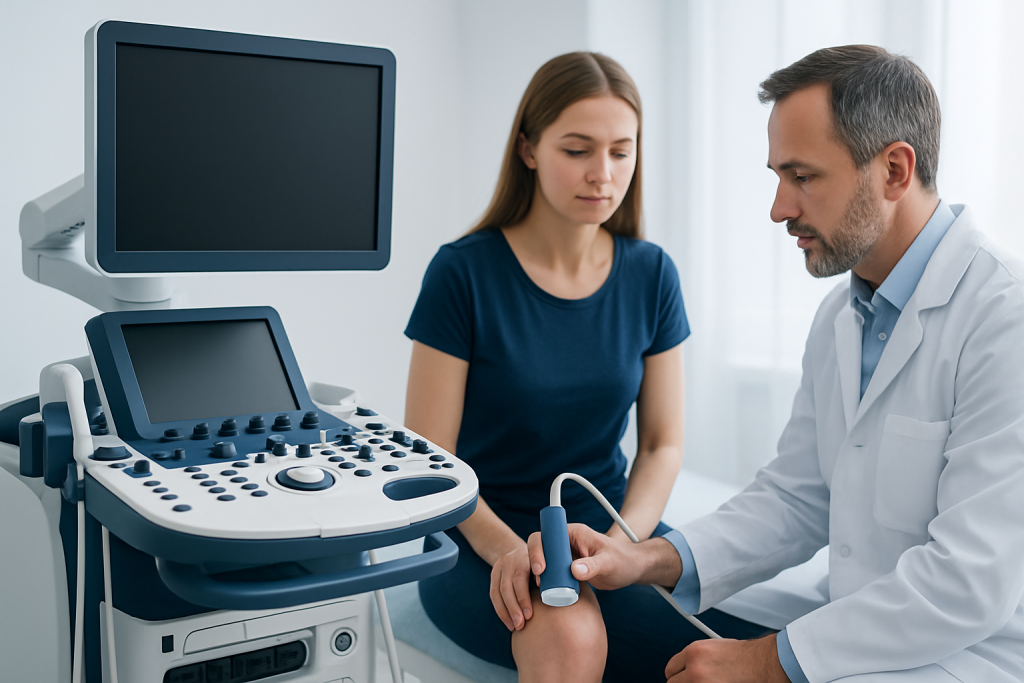
Cartilage problems often announce themselves in subtle ways at first. Some people describe a deep ache after activity, while others feel sharp pain with twisting, squatting, stairs, or sports. Swelling may come and go, and certain joints can feel as if they are catching, locking, or briefly giving way.
The symptom pattern depends partly on where the defect sits. A knee lesion may cause pain on weight-bearing or kneeling, while ankle cartilage damage can make walking or uneven surfaces uncomfortable. Shoulder cartilage problems may show up as pain with overhead movement or a feeling of grinding.
Symptoms alone do not tell the whole story, though. A person may have a dramatic MRI finding but mild discomfort, or significant pain with only a modest visible defect. That is one reason doctors combine the story, physical examination, and imaging before deciding whether repair, grafting, or replacement makes the most sense.
Causes & risk factors: how cartilage becomes injured

Cartilage damage can start with a single injury, such as a sports twist, fall, dislocation, or impact that injures the joint surface. It can also develop gradually when repeated stress wears down the tissue over time. In some people, the damage follows meniscus tears, ligament injuries, or repeated instability that keeps overloading the same area.
Several factors make repair more complex. Poor joint alignment can concentrate pressure on one part of the surface. Previous surgeries, obesity, inflammatory joint disease, and established osteoarthritis may reduce the chance that a simple cartilage procedure will succeed on its own.
Doctors also consider age and activity level, but not in a rigid way. A younger person does not automatically need microfracture, and an older adult does not automatically need replacement. The real question is whether the joint still has a mechanically healthy environment that can support healing and whether the person’s goals are better served by restoration or by resurfacing the joint in another way.
Diagnosis: how specialists decide what the joint needs
Evaluation usually begins with a careful history and examination. The doctor asks when the pain started, what movements trigger it, whether the joint swells, and whether there has been trauma or prior surgery. The physical exam helps identify tenderness, instability, range-of-motion limits, and signs that the surrounding structures are contributing to symptoms.
Imaging is important, but it is only one piece of the puzzle. X-rays can show joint space narrowing, alignment problems, or arthritis, while MRI may help outline cartilage defects, bone bruising, or associated ligament and meniscus injuries. In selected cases, arthroscopy allows the surgeon to look directly at the joint surface and confirm the true size and depth of the lesion.
What matters most is matching the finding to the person. Two patients with similar scans may be treated differently if one has a single focal defect from injury and the other has widespread degenerative wear. For patients traveling for care, the diagnostic phase also helps avoid surprises by clarifying whether the best approach is a one-stage procedure, a staged reconstruction, or a non-surgical plan.
Treatment options: microfracture, grafting, and replacement
Microfracture is generally considered for smaller, contained cartilage defects, especially when the surrounding joint is otherwise healthy. The surgeon makes tiny holes in the underlying bone to stimulate a healing response, which forms repair tissue over the defect. This tissue is not identical to native cartilage, so the procedure is often best for selected cases rather than widespread damage.
Cartilage grafting is used when a defect is larger, deeper, or not ideal for microfracture alone. Options may include osteochondral autograft transfer, osteochondral allograft, or cell-based cartilage restoration depending on the joint and the lesion. These techniques aim to replace damaged cartilage and, in some methods, restore the underlying bone as well.
Cartilage replacement enters the conversation when the problem is no longer a single isolated defect but broader joint degeneration. In the knee, this may mean partial or total joint replacement rather than a focal repair procedure. Replacement is usually considered when pain, stiffness, and loss of function are tied to advanced structural wear, and when simpler restorative options are unlikely to provide durable relief.
- Microfracture: usually for smaller focal injuries
- Graft-based restoration: often for larger or more complex defects
- Replacement: more appropriate when wear is extensive or arthritis is present
The right choice is rarely based on imaging alone. Doctors also assess joint alignment, ligament stability, bone quality, lesion location, and how much time the person can realistically devote to rehabilitation. That individual planning is especially important when care is being arranged from another country and the post-op pathway needs to be coordinated before travel.
How doctors choose among the options
Selection starts with the size and pattern of the cartilage loss. A small, isolated defect may be a candidate for microfracture, while a larger defect or one that also involves bone may push the team toward grafting. If the joint surface is broadly worn down, or if arthritis is already affecting several compartments, replacement may offer a more reliable solution than a repair attempt.
Age and activity goals matter, but they are interpreted carefully. For an athlete or an active traveler who wants to return to hiking or work that involves long days on the feet, the surgeon will ask which option provides the best balance of durability and recovery time. For someone with lower-demand daily activities, the least invasive choice is not always the best if it is unlikely to last.
Other details can change the plan. A misaligned knee may need an additional procedure to offload the damaged area. Instability from a ligament problem may need to be corrected at the same time. If the tissue around the defect is poor, a surgeon may advise against a repair that would otherwise look appealing on paper. The best decision is often the one that treats the whole joint environment, not just the hole in the cartilage.
Recovery, prevention, and self-care after cartilage surgery
Recovery varies by procedure. Microfracture and grafting typically require a careful progression of weight-bearing and activity, because the repair tissue needs time to mature. Replacement surgery often allows a different rehabilitation timeline, but it still requires structured physiotherapy, swelling control, and a gradual return to movement.
Rehabilitation is not a side note; it is part of the treatment itself. Patients are usually guided through exercises to restore range of motion, strength, balance, and gait mechanics. Skipping rehab or returning to high-impact activity too early can compromise the result, even when the operation itself was technically successful.
Self-care is focused and practical. Following the surgeon’s instructions on crutches, braces, wound care, and exercise progression matters. Maintaining a healthy body weight, avoiding smoking, and keeping surrounding muscles strong can reduce joint stress. For international patients, it also helps to arrange follow-up before travel so the care team and physiotherapist know how to monitor progress once the patient is back home.
When to see a doctor and how to prepare for care abroad
A doctor should evaluate persistent joint pain, swelling that does not settle, catching or locking, a sense of instability, or pain that limits work, travel, sport, or everyday movement. New symptoms after a twist, fall, or dislocation deserve medical attention, especially if the joint becomes difficult to bear weight on or loses motion.
It is also wise to seek an orthopedic opinion before deciding that surgery is inevitable. Some cartilage problems are best treated with rehabilitation, activity modification, alignment correction, or treatment of associated injuries rather than immediate repair. A specialist can explain why a particular option is recommended and what would happen if treatment is delayed.
When care is being considered internationally, planning should include imaging review, a discussion of expected recovery milestones, and a clear arrangement for postoperative communication. Acibadem Health Point’s multidisciplinary specialists and JCI-accredited hospitals diagnose and treat cartilage injuries for international patients, with attention to both the surgical plan and the practical path back to daily life.
Frequently asked questions
Is microfracture always the first choice for cartilage damage?
Not necessarily. Microfracture is often considered for smaller, contained defects, but it is not the right answer for every joint or every patient. Doctors also look at the lesion size, the surrounding bone, alignment, and whether arthritis is already present.
How is grafting different from microfracture?
Microfracture encourages the body to form repair tissue by stimulating the bone beneath the defect. Grafting replaces the damaged area with cartilage and sometimes bone from another source, which can be more suitable for larger or deeper injuries.
When does a doctor recommend replacement instead of repair?
Replacement is more likely when cartilage loss is extensive or part of broader joint degeneration. If the joint surface is too worn to benefit from a focal repair, resurfacing the joint may offer a more dependable improvement in pain and function.
Can cartilage repair work if a person has arthritis?
It depends on the extent and pattern of arthritis. Small, isolated defects may still be treated in selected cases, but widespread arthritis often makes repair procedures less effective and may shift the discussion toward replacement or non-surgical care.
How long does recovery usually take?
Recovery varies widely by procedure and by the joint involved. Microfracture and grafting often require a protected rehabilitation period, while replacement has its own staged recovery plan; the surgeon and physiotherapist usually tailor the timeline to the person’s progress.
What should an international patient plan before traveling for cartilage surgery?
It helps to confirm the diagnosis, understand the rehab schedule, and know which follow-up visits or imaging checks will be needed after the procedure. Clear coordination with the surgical team before and after travel can make recovery safer and more manageable.
References
- American Academy of Orthopaedic Surgeons
- Mayo Clinic
- Arthroscopy Association of North America
- National Institute of Arthritis and Musculoskeletal and Skin Diseases
- Hospital for Special Surgery
This article is for general information only and is not a substitute for professional medical advice. Please consult a qualified doctor about your individual situation.
More from the Health Library



Related Specialists

Prof. Dr. Ahmet Alanay
Orthopedic Surgery & Traumatology
Dr. Sinan Aksu
Orthopedic Surgery & Traumatology
Dr. Sirri Baştürk
Orthopedic Surgery & Traumatology
Prof. Dr. Korhan Özkan
Orthopedic Surgery & Traumatology