Cardiomegaly: Symptoms, Causes and Treatment

Key Takeaways
- Cardiomegaly is a sign, not a diagnosis on its own; it usually reflects another heart or body condition.
- Some people notice no symptoms, while others develop shortness of breath, fatigue, palpitations, or swelling.
- Diagnosis often combines imaging, ECG, blood tests, and a review of medical history and risk factors.
- Treatment focuses on the underlying cause and may include medicines, lifestyle changes, or procedures in selected cases.
- Long-term outlook improves when cardiomegaly is identified early and followed by consistent medical care.
Medically reviewed by the Acıbadem clinical team — August 19, 2026
Cardiomegaly means the heart is larger than expected, usually because another condition is making it work harder. It is a finding that deserves proper evaluation, since treatment depends on identifying the underlying cause and supporting heart function safely.
Overview
Cardiomegaly is the medical term for an enlarged heart. It is not a single disease in itself; rather, it is a clue that the heart may be under strain, adapting to pressure, volume overload, or a structural problem.
For many people, cardiomegaly is first noticed on a chest X-ray, echocardiogram, or another scan done for a different reason. That can be unsettling, but the finding is best viewed as a prompt for careful evaluation rather than a diagnosis that automatically means severe illness.
The heart can enlarge in different ways. The chambers may stretch, the muscle walls may thicken, or both may happen together. The next steps depend on why the enlargement is present, how well the heart is pumping, and whether symptoms are developing.
Symptoms
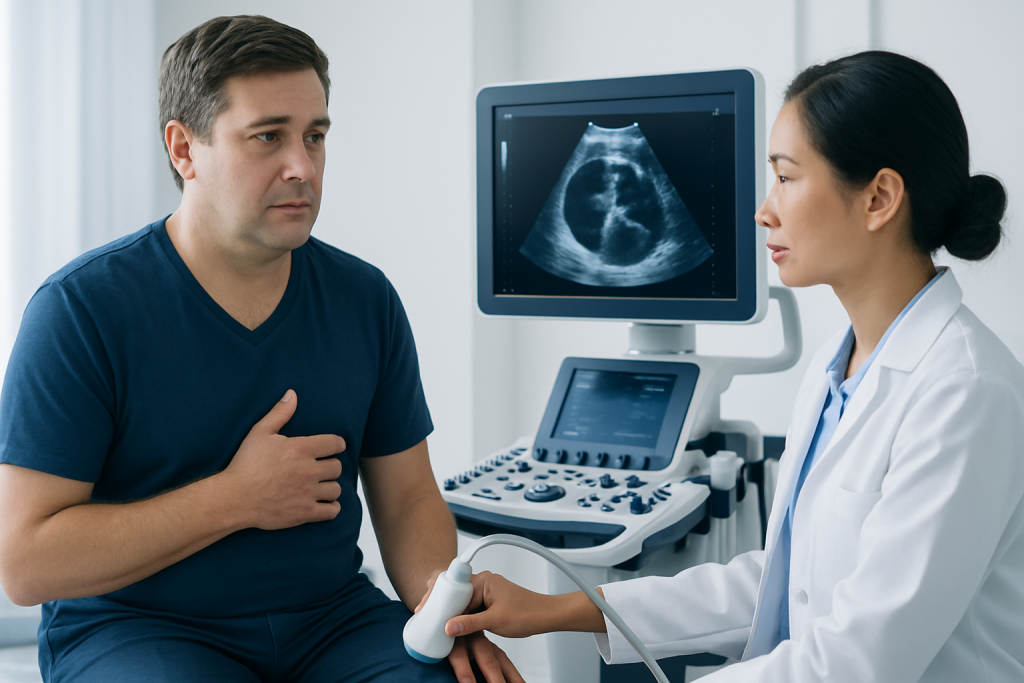
Some people with cardiomegaly feel entirely well, especially when the enlargement is mild or discovered early. In other cases, symptoms appear because the heart is no longer keeping up with the body’s demands.
Common symptoms can include shortness of breath during activity or when lying flat, tiredness, a feeling of pounding or irregular heartbeats, chest discomfort, and swelling in the legs, ankles, or abdomen. Some people also notice reduced exercise tolerance or waking up at night needing extra pillows.
Symptoms are not specific to cardiomegaly alone. They can also be seen with heart failure, rhythm disorders, lung disease, anemia, thyroid problems, or infections, which is why a full assessment matters.
Causes & Risk Factors

Cardiomegaly usually develops because the heart has been working harder than usual for a period of time. High blood pressure is one of the most common reasons, as it forces the heart muscle to pump against greater resistance.
Other causes include heart valve disease, coronary artery disease, cardiomyopathy, congenital heart conditions, arrhythmias, prior heart attack, and conditions that affect the whole body such as thyroid disease, anemia, pregnancy-related changes, or chronic lung disease. In some people, alcohol misuse or certain medications may contribute.
Risk is higher in people with a family history of heart disease, long-standing hypertension, diabetes, obesity, sleep apnea, kidney disease, smoking, or inactive lifestyles. International patients often arrive with records from different providers, and reviewing those documents carefully can help doctors piece together how long the heart has been under stress.
Diagnosis
Diagnosis begins with a detailed history and physical examination. A doctor will ask about symptoms, blood pressure history, medications, previous infections or heart problems, family history, and lifestyle factors that may affect the heart.
Imaging is central. A chest X-ray may suggest an enlarged silhouette, while an echocardiogram provides a closer look at chamber size, heart muscle thickness, valve function, and pumping strength. Depending on the situation, additional tests may include an electrocardiogram, blood tests, cardiac MRI, CT, Cardiology Stress Testing: Purpose, Procedure and Risks" class="ahp-ilk">stress testing, or coronary evaluation.
The goal is not just to confirm that the heart is enlarged, but to understand why. That distinction guides treatment and helps determine whether the condition is stable, reversible, or part of a more complex heart problem.
Treatment Options
Treatment depends on the underlying cause and the impact on heart function. If high blood pressure is the driver, controlling blood pressure is often a major part of care. If a valve problem, rhythm disorder, or blocked artery is involved, the treatment plan may shift toward a procedure or targeted cardiac therapy.
Medicines may be used to reduce the heart’s workload, control rhythm, lower blood pressure, remove excess fluid, or support pumping function. In selected cases, devices such as pacemakers or defibrillators may be recommended, and some structural problems are treated with minimally invasive or surgical procedures.
Not every enlarged heart needs the same approach. A carefully matched plan, built from imaging, lab results, and symptom pattern, is safer than using a one-size-fits-all strategy. For patients traveling for care, this individualized planning also helps organize treatment, recovery, and follow-up before returning home.
Prevention & Self-care
Not all causes of cardiomegaly can be prevented, but heart strain can often be reduced. Keeping blood pressure, blood sugar, and cholesterol under control is one of the most practical ways to protect the heart over time.
Daily habits also matter. Regular physical activity, a heart-healthy eating pattern, limiting alcohol, avoiding smoking, managing sleep apnea, and taking prescribed medicines consistently can all support better heart function. People who have already been told they have an enlarged heart should not start or stop medicines on their own.
- Monitor blood pressure as advised by a clinician.
- Keep follow-up appointments, even if symptoms improve.
- Track swelling, shortness of breath, and exercise tolerance.
- Ask whether travel plans, long flights, or time-zone changes affect medication timing.
When to See a Doctor
Medical review is appropriate whenever cardiomegaly is mentioned on a test report, even if the person feels well. A doctor can help determine whether the finding is mild and stable or linked to a condition that needs treatment.
Prompt assessment is especially important if symptoms such as shortness of breath, chest pain, fainting, rapidly worsening swelling, or a sustained irregular heartbeat appear. These symptoms do not always mean an emergency, but they should not be ignored.
For people seeking care across borders, it helps to arrive with prior imaging, medication lists, and summaries of any known heart, thyroid, kidney, or lung conditions. In a multidisciplinary setting, including at Acibadem Health Point, specialists and JCI-accredited hospitals can evaluate and treat cardiomegaly for international patients with coordinated follow-up planning.
Frequently asked questions
Is cardiomegaly the same as heart failure?
No. Cardiomegaly means the heart is enlarged, while heart failure means the heart is not pumping or filling effectively enough for the body’s needs. A person can have one without the other, although they may occur together.
Can an enlarged heart go back to normal?
Sometimes it can improve if the underlying cause is identified and treated early, such as with better blood pressure control or treatment of a valve problem. In other cases, the size may not fully return to normal, but symptoms and function can still often be improved.
Does cardiomegaly always cause symptoms?
No, some people have no noticeable symptoms, especially early on. It may only be found during testing done for another reason, which is why follow-up evaluation is important even when the person feels fine.
What tests are most useful for cardiomegaly?
An echocardiogram is often one of the most informative tests because it shows heart structure and pumping function. Doctors may also use an ECG, chest X-ray, blood tests, and sometimes CT or MRI to learn more about the cause.
Should someone with cardiomegaly avoid exercise?
Not necessarily. Many people benefit from regular, doctor-approved activity, but the right level depends on the cause of the enlargement and how the heart is functioning. A clinician should guide exercise recommendations, especially if symptoms are present.
Can travel make cardiomegaly worse?
Travel itself does not cause cardiomegaly, but long journeys can make symptoms more noticeable if the heart is already strained. People with known heart disease should plan medication timing, hydration, and follow-up care with their doctor before traveling.
References
- American Heart Association
- Mayo Clinic
- National Heart, Lung, and Blood Institute
- European Society of Cardiology
- Merck Manual Consumer Version
This article is for general information only and is not a substitute for professional medical advice. Please consult a qualified doctor about your individual situation.
Explore treatments in Turkey — costs, top hospitals & a free quote
JCI-accredited · board-certified surgeons · reply within 24h
Add us as a Preferred Source to see more of our trusted health content across Google Search, AI Overviews and Discover.