Is a Sentinel Lymph Node Biopsy Enough, or Will Axillary Surgery Be Needed?

Key Takeaways
- A sentinel lymph node biopsy is often the first step for checking lymph node spread in breast cancer.
- Not every positive sentinel node means full axillary surgery is needed.
- The need for more surgery depends on tumor features, lymph node findings, and planned treatments such as radiation or systemic therapy.
- Axillary surgery can increase the risk of arm swelling, numbness, and stiffness, so doctors balance benefits and side effects carefully.
- A treatment plan is best decided by a breast or oncology team that can review the full pathology and imaging picture.
A sentinel lymph node biopsy helps doctors check whether cancer has spread to the first draining lymph nodes without removing many nodes. Whether more axillary surgery is needed depends on the cancer type, imaging, biopsy results, and the overall treatment plan.
Overview
A sentinel lymph node biopsy asks a very practical question: if cancer is going to move through the lymphatic system, where would it be expected to go first? By sampling those first draining nodes, doctors can learn a great deal with less surgery than removing many lymph nodes from the armpit.
This matters most in breast cancer, where the result can help guide the next step. For some people, the sentinel node result is enough to move forward with treatment. For others, the finding raises a second question about whether axillary surgery, such as a lymph node dissection, would add useful information or reduce the chance of cancer remaining in the area.
The answer is rarely automatic. It depends on the size and biology of the tumor, how many nodes are involved, whether the nodes were only microscopically affected, and what other treatments are planned. In modern oncology, the goal is not simply to remove more tissue, but to choose the least invasive option that still supports safe and effective care.
How the sentinel lymph node fits into cancer staging
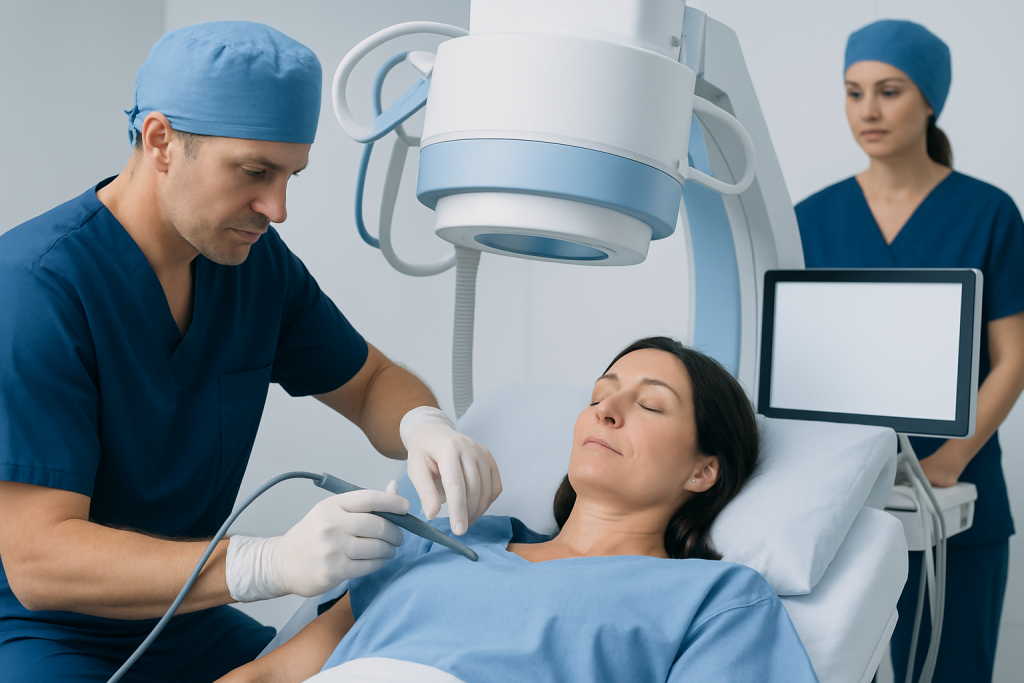
The lymphatic system works like a network of small drainage channels. In breast cancer, the sentinel nodes are usually the first lymph nodes under the arm that receive fluid from the breast. If cancer cells are present, these are often the first nodes to show it.
During surgery, the medical team identifies the sentinel node using a dye, a tracer, or both. The node is then sent to pathology, where it is examined for cancer cells. If the node is clear, many patients can avoid a larger operation in the axilla. If cancer is found, the result helps the team decide whether more treatment is needed locally or whether radiation and systemic therapy are the better next steps.
For international patients, this stage often happens in the middle of a carefully timed pathway: imaging and biopsy may be completed before travel, surgery may be scheduled after a multidisciplinary review, and the pathology report then shapes follow-up planning. That sequence can be especially helpful when decisions need to be made efficiently while still leaving room for a second opinion.
Symptoms and signs that prompt evaluation

Most people do not notice the sentinel node itself. Instead, attention usually begins with a breast lump, an abnormal mammogram, nipple changes, a skin change, or a biopsy result showing breast cancer. Lymph node involvement may be suspected on imaging or during examination, but it is often confirmed only after surgery or needle sampling.
Sometimes enlarged underarm nodes are felt during a physical exam. However, enlarged nodes do not always mean cancer has spread there. They can also enlarge because of infection, inflammation, recent vaccination, or other non-cancer causes. That is one reason doctors rely on pathology rather than appearance alone.
Patients are usually advised to mention any persistent arm swelling, unexplained lump in the armpit, pain, or reduced shoulder movement. While these symptoms do not diagnose cancer spread by themselves, they help the care team decide which tests are most appropriate.
Causes and risk factors for needing further axillary surgery
The main reason axillary surgery is considered after a sentinel node biopsy is evidence that cancer may not be limited to the breast. The likelihood of additional node surgery is influenced by several factors, not just whether the sentinel node is positive or negative.
Common factors that may make surgeons and oncologists think more carefully about the axilla include the number of involved sentinel nodes, whether cancer is found outside the node capsule, the size and type of the breast tumor, and whether the cancer is hormone receptor positive, HER2 positive, or triple negative. Prior surgery, prior radiation, and some genetic or clinical features may also affect planning.
- More than one sentinel node contains cancer cells
- There is a larger amount of tumor in the node
- Imaging suggests additional suspicious nodes
- The original breast tumor has higher-risk features
- The patient’s treatment plan does not already include effective regional radiation
At the same time, many patients with one or a small number of positive sentinel nodes do not automatically need more axillary surgery. Modern treatment has become more selective because doctors now understand that extra surgery is not always the best way to improve outcomes.
How doctors decide whether axillary surgery is needed
The decision is usually made by looking at the whole picture. Pathology from the sentinel node biopsy is only one piece. Doctors also review breast imaging, tumor size, surgical margins, the biology of the cancer, and whether the breast has already been treated with lumpectomy or mastectomy.
For some patients, especially those with limited sentinel node involvement and a plan for breast-conserving treatment plus radiation, a full axillary dissection may be safely avoided. For others, especially when there is broader nodal disease or concern that the sentinel biopsy may not reflect the full extent of spread, further surgery may still be recommended.
The conversation can be different after mastectomy than after lumpectomy, and it can also differ if the patient is receiving preoperative systemic therapy. In some situations, treatment before surgery can shrink disease enough that fewer nodes need to be removed. In others, a node that remains abnormal after therapy may lead the team to recommend additional axillary treatment.
Treatment options: from observation to lymph node dissection
If the sentinel lymph node is negative, no further axillary surgery may be needed. The patient then continues with the rest of the breast cancer plan, which might include radiation, hormone therapy, chemotherapy, targeted therapy, or a combination of these based on the tumor type.
If the sentinel node contains limited disease, the team may still recommend observation with radiation rather than a full dissection. This approach is often considered when the expected benefit of removing more nodes is small and the possible side effects are meaningful. In other cases, an axillary lymph node dissection may still be the better choice, especially when there is more extensive nodal involvement or when other features suggest a higher chance of additional disease.
Axillary surgery can be helpful, but it is not a neutral step. Removing more lymph nodes may increase the risk of lymphedema, numbness along the inner arm, shoulder tightness, seroma, and a longer recovery. That is why the choice is made carefully, often in a tumor board or multidisciplinary setting that includes surgical, medical, and radiation oncology specialists.
For patients traveling from another country, it is worth confirming ahead of time how pathology results will be shared, whether a second operation would be scheduled quickly if needed, and what follow-up would be done after returning home. A clear plan reduces uncertainty and helps the recovery period feel more manageable.
Recovery, prevention, and self-care
Recovery after sentinel node biopsy is generally easier than after a full axillary dissection, but every patient benefits from watching for swelling, redness, fever, worsening pain, or drainage at the surgical site. Gentle movement, wound care instructions, and timely follow-up visits all support healing.
To lower the chance of longer-term arm problems, many teams recommend protecting shoulder mobility and reporting early symptoms of swelling. If lymphedema develops, early referral to a specialist can help. Some patients are also taught strategies such as skin care, gradual exercise, and avoiding injury or infection in the affected arm.
- Follow the surgeon’s wound care instructions closely
- Use the arm gradually and keep shoulder movement gentle
- Report new swelling, heaviness, tightness, or numbness early
- Keep follow-up appointments so pathology and next steps are not delayed
- Ask whether physical therapy or lymphedema support is appropriate
Self-care is not about doing everything alone. It is about knowing which changes are normal after surgery and which changes deserve a call to the care team. That distinction is especially useful for international patients who may be recovering away from the hospital where the operation took place.
When to see a doctor
Patients should contact their doctor if they notice swelling in the arm or hand, persistent arm discomfort, fever, increasing redness around the incision, fluid leaking from the wound, or any new breast or underarm lump. These symptoms may not mean something serious, but they should be checked promptly.
It is also wise to ask for clarification whenever the pathology report is difficult to interpret. Terms such as micrometastasis, isolated tumor cells, extracapsular extension, or extranodal extension can affect decisions about whether additional axillary surgery is useful. A clear explanation from the oncology team can make the plan easier to follow.
For patients exploring care abroad, Acibadem Health Point can help international patients access multidisciplinary specialists and JCI-accredited hospitals for diagnosis and treatment planning, including decisions about sentinel node biopsy and axillary surgery. The most important step is to review the full clinical picture with a qualified breast or oncology specialist before choosing the next procedure.
Frequently asked questions
If the sentinel node is positive, does that always mean more surgery is needed?
No. A positive sentinel node does not automatically lead to axillary dissection. Doctors look at how much cancer is in the node, how many nodes are involved, and whether radiation or other treatments can address the area safely.
What is the difference between sentinel node biopsy and axillary lymph node dissection?
A sentinel node biopsy removes only the first draining lymph node or nodes. An axillary lymph node dissection removes a larger group of nodes from the underarm area and is generally a bigger operation with a higher chance of side effects.
Can a patient avoid axillary surgery if only one node is involved?
Sometimes, yes. In selected patients with limited sentinel node involvement, doctors may recommend radiation or observation instead of a full dissection. The decision depends on the whole cancer picture, not just the node result.
What side effects can happen after axillary surgery?
Common concerns include arm swelling, numbness, stiffness, and a collection of fluid under the skin. The risk varies with the extent of surgery and any radiation given afterward.
Does a negative sentinel node mean cancer has not spread anywhere?
It means the sampled first-draining nodes did not show cancer, which is reassuring. It does not guarantee that cancer is absent everywhere, so the rest of the treatment plan still matters.
How should an international patient prepare for this decision?
It helps to bring imaging, biopsy reports, and pathology records in advance if possible. Patients should also ask how results will be reviewed, whether more surgery could be needed, and how follow-up will be coordinated after they return home.
References
- National Cancer Institute
- American Cancer Society
- American Society of Clinical Oncology
- NCCN Clinical Practice Guidelines in Oncology
This article is for general information only and is not a substitute for professional medical advice. Please consult a qualified doctor about your individual situation.
More from the Health Library

Digestive Symptoms That Need More Than Antacids: When to Escalate the Workup

Thyroid Tests That Matter: When TSH Is Enough and When More Labs Are Needed

Bone Density Testing: Who Should Plan It Before Osteoporosis Becomes a Problem
Related Specialists

Dr. Yeliz Kantürk
Otorhinolaryngology
Dr. Safiye Sayilir
Physical Medicine & Rehabilitation
Dr. İlke Karagöz
Aesthetic Plastic & Reconstructive Surgery
Dt. Asli Şener Bozkir
Oral & Dental Health