Bartholin’s Cyst

Key Takeaways
- A Bartholin's cyst is usually caused by a blocked Bartholin gland near the vaginal opening.
- Small cysts may not cause symptoms, while larger ones can create pressure, pain, or difficulty with walking and sitting.
- Diagnosis is usually made with a pelvic examination, and further testing may be needed if the lump appears unusual or occurs after menopause.
- Treatment depends on size, symptoms, and whether infection is present, ranging from observation to drainage procedures.
- Good vulvar hygiene and prompt attention to pain, redness, or fever can help prevent complications and support recovery.
A Bartholin's cyst forms when one of the glands near the vaginal opening becomes blocked and fills with fluid. It is often painless, but it can cause swelling, discomfort, or infection if the area becomes an abscess.
Overview
Bartholin’s glands are two small glands located on either side of the vaginal opening. Their main role is to help keep the vulvar area naturally lubricated. When the duct of one of these glands becomes blocked, fluid can build up and form a Bartholin’s cyst.
Many cysts stay small and do not cause pain, so a person may notice only a soft lump near the lower part of the vulva. In other cases, the cyst grows enough to cause pressure, discomfort during movement, or soreness during sex. The experience can be especially unsettling for people who are traveling or away from their usual gynecology team, but the condition is common and usually treatable.
If bacteria enter the blocked gland, the cyst can become infected and turn into a Bartholin’s abscess. An abscess is typically more painful, red, and tender than a simple cyst and often needs medical care sooner. Understanding the difference helps guide the next step, whether that is watchful waiting, office treatment, or a procedure to relieve the blockage.
Symptoms
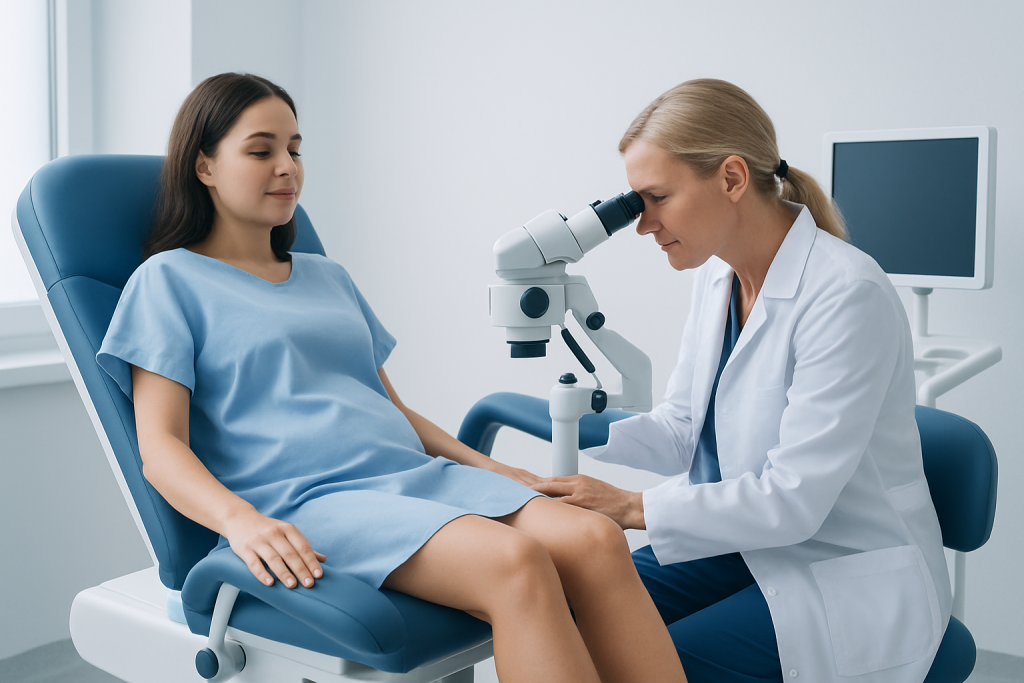
The symptoms of a Bartholin’s cyst can vary widely. Some people feel no symptoms at all and discover a lump during routine hygiene or intimate activity. Others notice a visible swelling on one side of the vaginal opening that feels soft, rounded, and sometimes movable under the skin.
When the cyst is larger or irritated, it may cause aching, a feeling of pressure, pain when sitting for long periods, or discomfort while walking. Sexual activity, biking, or tight clothing may also make the area feel more sensitive. If the cyst becomes infected, symptoms often become more noticeable and may include increasing redness, warmth, drainage, or throbbing pain.
- One-sided swelling near the vaginal opening
- Discomfort with sitting, walking, or intercourse
- Tenderness if the cyst is inflamed
- Rapid worsening pain, redness, or warmth if an abscess develops
- Occasionally, fever or general feeling of being unwell when infection is present
Because other vulvar conditions can look similar, any new or persistent lump should be checked by a clinician, especially if it is hard, irregular, or does not improve over time.
Causes & Risk Factors

A Bartholin’s cyst forms when the opening of a Bartholin gland becomes blocked and fluid accumulates behind the blockage. The exact reason for the blockage is not always clear. In some cases, minor irritation, inflammation, or an infection in the area may contribute to swelling and narrowing of the duct.
Although the cyst itself is not usually caused by a person doing something wrong, some factors may make blockage or infection more likely. These include a history of Bartholin cysts, local skin irritation, and infections in the vulvar area. The cysts are most often seen in people of reproductive age, when the glands are active.
Risk factors for a Bartholin abscess may include bacteria from the skin or genital tract entering the blocked gland. A sexually transmitted infection can sometimes be involved, but many Bartholin cysts are not linked to sexual transmission. For patients arranging care from abroad, it is helpful to know that the evaluation focuses on the lump itself, not on assumptions about sexual activity.
After menopause, a new lump in the Bartholin gland area deserves careful assessment because the chance of other causes, including rare cancers of the vulva, becomes more relevant. That does not mean a serious problem is likely, but it does mean clinicians may recommend a more thorough review.
Diagnosis
Diagnosis usually begins with a medical history and a physical examination. A clinician will look at the size, location, tenderness, and appearance of the lump and may ask how long it has been present, whether it is painful, and whether there has been any drainage or fever. In many cases, this is enough to identify a Bartholin’s cyst.
If the lump is very painful, firm, unusual in shape, recurrent, or present after menopause, additional evaluation may be recommended. This can include collecting a sample if an infection or abscess is suspected, or rarely examining tissue if the appearance is not typical. The goal is to distinguish a simple cyst from other vulvar conditions so treatment can be matched appropriately.
For people seeking care internationally, this step often matters because it determines whether a same-day office procedure is reasonable or whether more testing should happen first. A clear diagnosis helps patients plan treatment and travel with fewer surprises, especially when they need follow-up after returning home.
Treatment Options
Not every Bartholin’s cyst needs active treatment. If the cyst is small, painless, and not infected, a clinician may suggest observation and home measures while watching for changes. Warm sitz baths can sometimes ease discomfort and encourage natural drainage, although they do not guarantee that the cyst will go away.
When symptoms are bothersome or the cyst keeps coming back, a medical procedure may be recommended. Drainage is often performed in the clinic, and in some cases a small opening is created to help the gland continue to drain over time. This may involve placing a small device or making a procedure that allows the duct to stay open during healing. If an abscess is present, drainage is usually important because infection generally does not resolve well if the pus remains trapped.
Antibiotics are not always needed for a Bartholin’s cyst, but they may be used when there is clear infection, surrounding skin involvement, or other concerns based on the clinical picture. Pain relief and local care may also be part of treatment. If a cyst returns repeatedly, a gynecologist may discuss additional procedures to reduce the chance of recurrence.
For patients receiving care away from home, the practical question is often what recovery will look like before they fly or resume work. Many treatments are outpatient, but the timing of travel, sitting comfortably, and wound care should be reviewed with the treating team before departure.
Prevention & Self-care
There is no guaranteed way to prevent a Bartholin’s cyst, because duct blockage can happen without a clear cause. Still, gentle vulvar care may help reduce irritation and support overall comfort. Wearing breathable underwear, avoiding harsh soaps or fragranced products, and keeping the area clean and dry are sensible steps.
If a cyst has already been diagnosed, warm sitz baths can be a simple comfort measure, provided a clinician has agreed they are appropriate. Avoid squeezing, popping, or trying to drain the lump at home, since that can worsen irritation or introduce infection. It is also wise to pause activities that increase pain until the area settles.
- Choose loose, breathable clothing when the area feels tender
- Use gentle cleansing rather than aggressive scrubbing
- Do not attempt self-drainage
- Follow post-procedure wound care instructions carefully
- Arrange follow-up if symptoms return after treatment
Self-care is especially important after a procedure, when healing may continue for several days or weeks depending on the treatment chosen. Myomectomy Recovery for International Patients: The Usual Travel Timeline" class="ahp-ilk">International patients should ask for written aftercare instructions and a clear plan for follow-up, including what to do if symptoms recur once they are back home.
When to See a Doctor
Medical evaluation is recommended for any new lump near the vaginal opening, particularly if it is painful, growing, or causing daily discomfort. A clinician should also check the area if there is fever, spreading redness, worsening tenderness, or drainage that suggests infection. These features can point to a Bartholin abscess, which usually needs prompt attention.
It is especially important to seek care if the lump appears after menopause, feels hard or fixed, or does not fit the usual pattern of a cyst. A Bartholin gland area mass in an older patient may need a more careful examination to rule out less common causes. This is a precaution, not a reason for panic.
People who are planning to travel, or who are already traveling, should contact a doctor sooner rather than later if pain is increasing or walking becomes difficult. Acibadem Health Point’s multidisciplinary specialists and JCI-accredited hospitals can diagnose and treat this condition for international patients, with attention to both immediate relief and practical follow-up planning.
Recovery and Outlook
The outlook for a Bartholin’s cyst is generally good. Many small cysts remain stable or improve without extensive treatment, and symptomatic cysts often respond well to office-based procedures. Recovery depends on whether the cyst was simply drained or whether an abscess or recurrent blockage required a more involved approach.
After treatment, mild soreness, drainage, or temporary discomfort may be expected. The care team may suggest sitz baths, pain management, and avoiding friction until healing progresses. If the procedure included a small opening to encourage drainage, follow-up matters because it helps confirm that the area is healing properly and not closing too early.
Recurrence can happen, so patients benefit from knowing what symptoms to watch for and when to return for reassessment. With timely care and sensible aftercare, most people can return to normal daily activities without long-term problems.
Frequently asked questions
What is the difference between a Bartholin's cyst and a Bartholin abscess?
A Bartholin's cyst is a blocked gland filled with fluid and may be painless or only mildly uncomfortable. A Bartholin abscess happens when the cyst becomes infected and fills with pus, which usually causes more pain, redness, and swelling. An abscess typically needs more urgent medical treatment.
Can a Bartholin's cyst go away on its own?
Yes, some small cysts improve without specific treatment, especially if they are not painful or infected. Warm sitz baths and observation may be enough in mild cases. If the lump grows, becomes painful, or returns repeatedly, medical evaluation is important.
Is a Bartholin's cyst a sexually transmitted infection?
No, a Bartholin's cyst is not an STI. It is usually caused by blockage of the gland duct, although infection in the area can sometimes contribute to an abscess. A clinician may still consider testing for infection if the situation suggests it.
How is a Bartholin's cyst usually treated?
Treatment depends on symptoms and whether infection is present. Options range from monitoring and home comfort measures to office drainage procedures, sometimes with a small device or opening to help the gland keep draining. Antibiotics may be added in selected cases, but they are not always necessary.
When should someone worry about a lump near the vaginal opening?
Any new or persistent lump should be examined, especially if it is painful, growing, hard, or associated with fever or drainage. A lump that appears after menopause deserves careful evaluation because the approach may be more thorough. Prompt assessment helps confirm the cause and choose the right treatment.
What should a person do after treatment if the cyst comes back?
They should contact their clinician for reassessment, since recurrent cysts may need a different approach. Repeat episodes do not mean something is necessarily serious, but they do suggest the gland may need more definitive management. Follow-up is particularly important if the person is recovering away from the treating hospital.
References
- American College of Obstetricians and Gynecologists
- Merck Manual Professional Edition
- Mayo Clinic
- Cleveland Clinic
- NHS
This article is for general information only and is not a substitute for professional medical advice. Please consult a qualified doctor about your individual situation.
More from the Health Library



Related Specialists

Prof. Dr. A. Taner Usta
Gynecology & Obstetrics
Prof. Dr. Ahmet Tayyar
Gynecology & Obstetrics
Prof. Dr. Ahmet Cem Batukan
Gynecology & Obstetrics
Dr. Sevgi Selen
Gynecology & Obstetrics