Methotrexate For Ectopic Pregnancy

Key Takeaways
- Methotrexate may be an option when an ectopic pregnancy is found early and the person is medically stable.
- The treatment works by stopping rapidly dividing pregnancy tissue from growing.
- Follow-up blood tests are essential to confirm that the pregnancy hormone is falling as expected.
- Some ectopic pregnancies still need surgery, especially if there is pain, bleeding, or signs of rupture.
- After treatment, doctors usually advise avoiding certain medicines, alcohol, and pregnancy for a period of time.
- Urgent medical care is needed if severe pain, dizziness, fainting, or heavy bleeding develops.
Medically reviewed by the Acıbadem clinical team — July 13, 2026
Methotrexate for ectopic pregnancy is a non-surgical treatment that may be used in carefully selected cases to stop the pregnancy tissue from growing. It can preserve future fertility, but it requires close follow-up and is not suitable for every patient.
Overview
An ectopic pregnancy develops when a fertilized egg implants outside the uterus, most often in a fallopian tube. Because that location cannot safely support a growing pregnancy, treatment is needed to protect the patient’s health. One common non-surgical option is methotrexate, a medicine that can stop the pregnancy tissue from continuing to grow.
Methotrexate is not a universal solution. It is usually considered only when the ectopic pregnancy is found early, the patient is stable, and certain ultrasound and blood test findings suggest the medication is likely to work. For patients traveling for care, this often means planning not only the initial visit, but also follow-up appointments and blood tests after returning to the clinic or staying locally until monitoring is complete.
For many people, the word “ectopic” arrives suddenly during an otherwise routine early pregnancy evaluation. A clear explanation of treatment choices can make the next steps easier to understand. Methotrexate is part of a careful, monitored plan rather than a quick fix, and that distinction matters.
Symptoms
Ectopic pregnancy can begin with familiar early pregnancy signs such as a missed period, breast tenderness, or nausea, which is why it may not be recognized right away. As the pregnancy grows outside the uterus, symptoms may become more specific. Common warning signs include one-sided pelvic or abdominal pain, vaginal spotting, and increasing discomfort that does not feel like a typical period.
Some people also notice shoulder pain, dizziness, weakness, or fainting. These can suggest internal bleeding and need urgent assessment. Not every ectopic pregnancy causes dramatic symptoms at first, which is why early pregnancy tests and ultrasound are so important when there is pain, bleeding, or a history that increases risk.
Symptoms can vary widely, and the severity of pain does not always match the seriousness of the condition. That is one reason clinicians rely on both the physical examination and test results before choosing methotrexate or another treatment.
Causes & Risk Factors

Methotrexate treats the ectopic pregnancy itself, but it is helpful to understand why ectopic pregnancy happens in the first place. The most common reason is that the fertilized egg cannot move normally through the fallopian tube to the uterus. Anything that affects the structure or movement of the tube can raise the chance of implantation outside the uterus.
Risk factors may include a previous ectopic pregnancy, tubal surgery, pelvic inflammatory disease, endometriosis, infertility treatment, smoking, and certain contraceptive failures such as pregnancy with an intrauterine device in place. However, ectopic pregnancy can also occur in people without any obvious risk factor.
From a treatment-planning point of view, the important question is not only why it happened, but whether the pregnancy is suitable for medication management. Methotrexate is more likely to be considered when there is no evidence of rupture, the person is reliable for follow-up, and ultrasound findings suggest the pregnancy is early and small enough for the medicine to work well.
Diagnosis
Diagnosis usually begins with a pregnancy test, followed by blood tests that measure the level of human chorionic gonadotropin, often called hCG. This hormone helps clinicians understand whether the pregnancy is developing normally. In an ectopic pregnancy, the pattern of hCG rise may be slower than expected, though blood tests alone do not confirm the location.
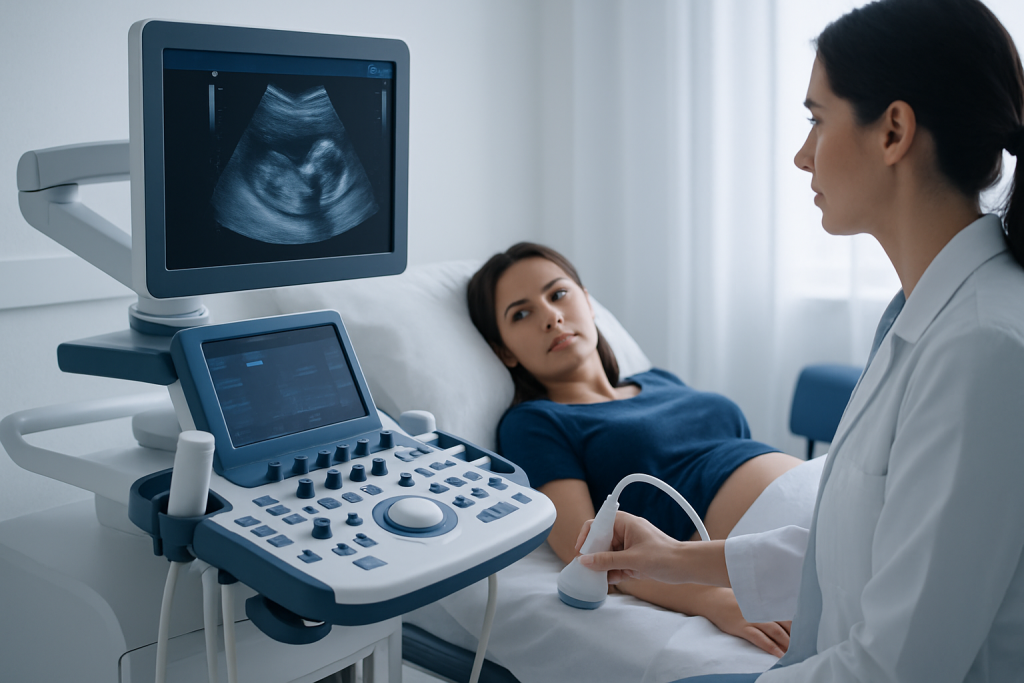
Transvaginal ultrasound is often the key imaging test. It helps doctors look for a pregnancy in the uterus and check the fallopian tubes and pelvis for signs of an ectopic pregnancy or internal bleeding. When the findings are not completely clear, repeated blood tests and ultrasound scans may be needed over a short period of time.
Before methotrexate is offered, the medical team also checks whether the patient is stable and whether the medication is safe to use. Liver function, blood counts, kidney function, and symptoms all matter. For international patients, diagnosis may involve more than one visit, so the care plan should include a realistic timeline for monitoring and communication after the first consultation.
Treatment Options
Methotrexate is a chemotherapy medicine used in low doses for selected ectopic pregnancies because it stops rapidly dividing cells from growing. In this setting, the aim is to end the pregnancy tissue safely without surgery. It is usually given as an injection by a qualified clinician, then followed by serial hCG testing to confirm that the treatment is working.
Not every ectopic pregnancy is eligible for methotrexate. Surgery may be preferred or required if there are signs of rupture, significant bleeding, severe pain, or if the patient is unstable. Methotrexate may also be avoided when follow-up is uncertain, when the ultrasound findings are not appropriate, or when medical conditions make the drug less safe.
During follow-up, a temporary increase or slow decline in hCG can happen before the hormone starts to fall. That is why patience and monitoring are important. If the medication does not work as expected, additional treatment may be needed, including another dose or surgery. The care team will explain how the response is assessed and when emergency reassessment is necessary.
Many patients ask whether methotrexate affects future fertility. In general, successful treatment can allow future pregnancy, but the person should wait until the clinician says it is safe to try again. The waiting period is individualized and may depend on overall recovery and local medical advice.
Prevention & Self-care
An ectopic pregnancy cannot always be prevented. Still, risk can sometimes be reduced by addressing pelvic infections promptly, stopping smoking, and seeking early medical advice in future pregnancies, especially if there has been an ectopic pregnancy before. Early ultrasound in a new pregnancy may help confirm that the pregnancy is in the uterus.
After methotrexate treatment, self-care focuses on safety and follow-up. Patients are usually told to attend all blood test appointments, avoid heavy exertion if advised, and report new or worsening pain immediately. It is also important to follow instructions about medicines and supplements, because some substances can interact with methotrexate or make side effects more likely.
Practical recovery steps often include staying within reach of urgent care, arranging transport in advance, and having clear contact information for the treating team. International patients may find it helpful to confirm who will review results, where emergency care would be obtained if needed, and how to access follow-up after returning home.
A few general precautions are commonly discussed by clinicians after treatment:
- Avoid taking non-prescribed medications without checking with the care team.
- Follow guidance on alcohol intake, since the liver processes methotrexate.
- Use reliable contraception until the doctor confirms it is safe to conceive again.
- Monitor for pain, dizziness, or bleeding changes and seek help promptly if they occur.
When to See a Doctor
Any suspected ectopic pregnancy deserves prompt medical assessment. A person should contact a doctor or urgent care service if a pregnancy test is positive and there is abdominal pain, vaginal bleeding, shoulder pain, or unexplained dizziness. Even mild symptoms should be taken seriously when pregnancy has not yet been confirmed in the uterus.
After methotrexate treatment, follow-up should never be skipped, even if the person feels well. The hormone level must be checked until the clinician confirms that the ectopic pregnancy has resolved. Missing visits can delay the detection of treatment failure or complications.
Emergency care is needed if there is sudden severe pain, fainting, heavy bleeding, shortness of breath, or a feeling of collapse. These symptoms may suggest rupture or significant internal bleeding and require immediate attention.
For patients seeking care abroad, a clinic experienced in coordinating imaging, laboratory testing, and emergency backup can make the process less stressful. Acibadem Health Point notes that its multidisciplinary specialists and JCI-accredited hospitals diagnose and treat ectopic pregnancy for international patients, with follow-up plans designed to be medically clear and practical.
Recovery and Future Pregnancy Planning
Recovery after methotrexate can take time, and emotional recovery matters as much as physical healing. Some people feel relief that surgery was not needed, while others feel grief, uncertainty, or anxiety about future fertility. Those reactions are normal and deserve space in the follow-up conversation.
Before trying to conceive again, the patient should ask the clinician when it is safe to resume pregnancy attempts. Doctors commonly recommend waiting until methotrexate has fully cleared from the body and the pregnancy hormone has returned to a non-pregnant level. If there are concerns about recurrent ectopic pregnancy, an early scan in the next pregnancy may be advised.
Future planning is also a good time to review the cause of the ectopic pregnancy if one was identified, update any treatment for pelvic infection or endometriosis, and discuss ways to reduce risk where possible. A thoughtful follow-up plan can help future pregnancies begin with more confidence and earlier surveillance.
Frequently asked questions
How does methotrexate treat an ectopic pregnancy?
Methotrexate stops rapidly dividing cells from growing, which helps the ectopic pregnancy tissue gradually stop developing. The body then reabsorbs the tissue over time. It works best when the pregnancy is found early and the patient can be monitored closely.
Is methotrexate the same as surgery?
No. Methotrexate is a medical treatment, while surgery physically removes the ectopic pregnancy. Doctors choose between them based on the patient’s stability, test results, symptoms, and whether rupture is suspected.
What follow-up is needed after methotrexate?
Follow-up usually includes repeated blood tests to measure hCG until the level falls appropriately and eventually becomes negative. This monitoring is essential because treatment success is confirmed by the lab results, not only by how the patient feels. The doctor will explain the timing of each test.
Can a person still have children after methotrexate for ectopic pregnancy?
Many people can have successful future pregnancies after recovery. The key is to wait until the clinician confirms it is safe to try again and to have early monitoring in the next pregnancy. Individual advice depends on the person’s overall health and history.
What side effects can happen with methotrexate?
Side effects may include nausea, mouth soreness, tiredness, or mild abdominal discomfort. Serious side effects are less common but can happen, which is why the treatment must be prescribed and followed by a qualified doctor. Any severe or unusual symptoms should be reported promptly.
When is surgery more likely to be needed?
Surgery is more likely if the ectopic pregnancy has ruptured, if there is heavy bleeding, or if the patient is unstable. It may also be needed if methotrexate is not suitable or if the hormone levels do not fall as expected. The treatment plan is always individualized.
References
- American College of Obstetricians and Gynecologists
- NHS
- Mayo Clinic
- Merck Manual Professional Edition
- World Health Organization
This article is for general information only and is not a substitute for professional medical advice. Please consult a qualified doctor about your individual situation.