Perimenopause

Key Takeaways
- Perimenopause is a gradual transition, not a single event, and it can last several years.
- Changes in periods, sleep, mood, and temperature regulation are common during this stage.
- Other conditions can cause similar symptoms, so persistent or unusual changes should be medically assessed.
- Treatment may include lifestyle measures, non-hormonal options, or hormone therapy depending on individual needs.
- Women traveling for care can benefit from clear records, coordinated follow-up, and a specialist plan before returning home.
Perimenopause is the natural transition leading up to menopause, when hormone levels begin to shift and periods may change in timing, flow, or symptoms. Understanding what is typical, what needs evaluation, and how to manage day-to-day changes can make this phase easier to navigate.
Overview
Perimenopause is the time when the ovaries slowly begin producing less estrogen and progesterone, signaling the body’s move toward menopause. It often begins in the 40s, but the exact timing varies widely. For some women, the first clue is a period that arrives earlier, later, heavier, or lighter than usual.
This transition is normal, yet it is not always smooth. Sleep may become less predictable, hot flashes can appear unexpectedly, and mood or concentration may feel different than before. Because these changes can overlap with work stress, travel fatigue, thyroid disease, pregnancy, or other health concerns, it helps to view perimenopause as a phase that deserves proper attention rather than dismissal.
For women who seek care internationally, perimenopause can be especially important to discuss before travel or while planning treatment at a destination hospital. A clear review of symptoms, menstrual patterns, and medical history helps a clinician decide whether the picture fits perimenopause or whether another condition should be checked first.
Symptoms
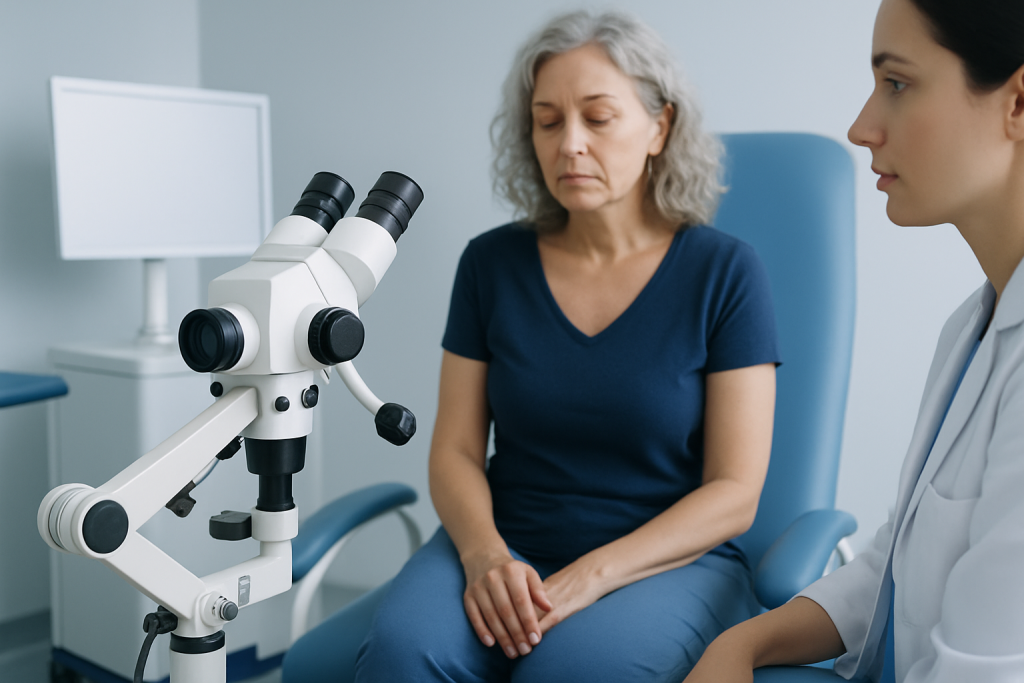
The symptoms of perimenopause are shaped by fluctuating hormones, so they may come and go rather than stay constant. Period changes are among the most common signs, including shorter or longer cycles, skipped periods, spotting, or heavier bleeding. Some women also notice more cramps than usual, while others see the opposite.
Beyond menstrual changes, the body may respond in other ways. Hot flashes and night sweats can disrupt sleep, leaving a person tired during the day. Mood changes, irritability, brain fog, headaches, vaginal dryness, and a lower interest in sex may also appear. Joint aches and changes in bladder comfort are sometimes part of the picture as well.
Symptoms do not always arrive together, and the pattern can be different from one cycle to the next. That unpredictability is one reason many women seek a medical evaluation: not only to ease discomfort, but also to make sure the changes are not being caused by something else.
- Irregular menstrual cycles
- Hot flashes or night sweats
- Sleep disturbance or fatigue
- Mood changes, anxiety, or irritability
- Vaginal dryness or discomfort with intimacy
- Difficulty concentrating or memory lapses
Causes & Risk Factors
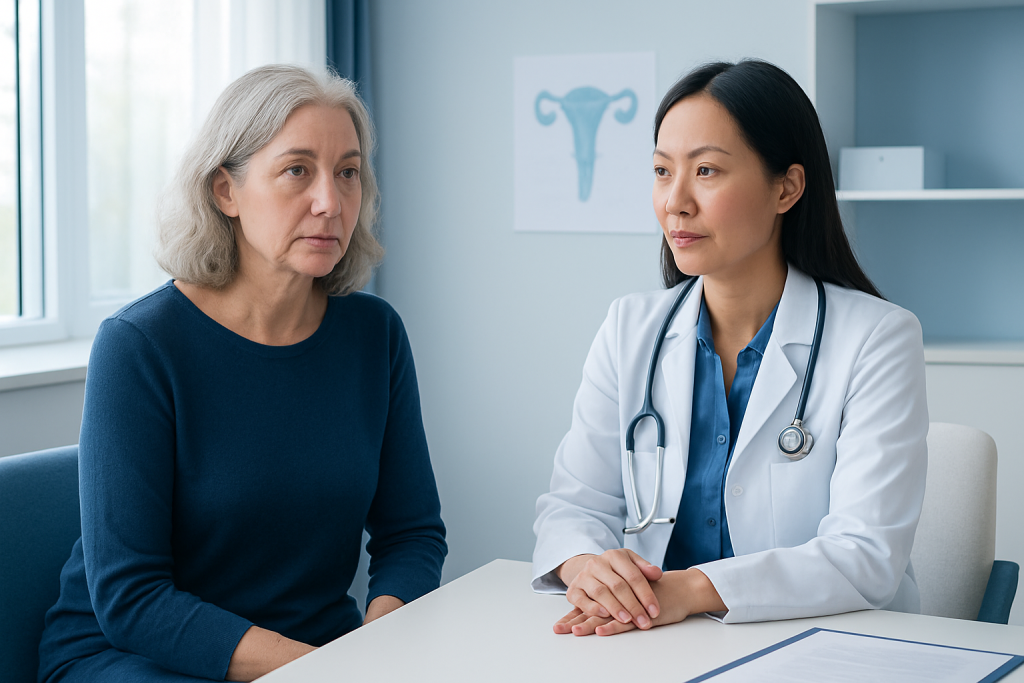
Perimenopause happens because ovarian hormone production gradually changes over time. As estrogen and progesterone levels rise and fall unpredictably, the menstrual cycle becomes less regular and the body may react to those shifts in different ways. This is a natural biological transition, not a disease.
The age at which perimenopause begins is influenced by genetics and individual health factors. Women with a family history of earlier menopause may notice changes sooner. Smoking is associated with earlier menopause, and some cancer treatments, ovarian surgery, or certain autoimmune conditions can affect ovarian function as well.
It is also useful to remember that not every symptom has a hormonal explanation. Thyroid disorders, pregnancy, stress, sleep apnea, fibroids, and other gynecologic conditions can resemble perimenopause. A careful history is therefore more valuable than trying to label the problem from symptoms alone.
Diagnosis
There is no single test that confirms perimenopause for everyone. In many cases, diagnosis is based on age, menstrual changes, and the pattern of symptoms over time. A clinician usually begins by asking about cycle regularity, bleeding volume, sleep, mood, sexual health, medications, and any changes that might point to another condition.
Depending on the situation, blood tests may be ordered to help rule out other causes. Thyroid tests, pregnancy testing when relevant, or evaluation for anemia may be more helpful than a hormone level taken on one day. In some people, FSH or estradiol testing may be considered, but these numbers can fluctuate and are not always definitive on their own.
When bleeding is unusually heavy, very frequent, or occurs after long gaps, further evaluation may be needed to check for fibroids, polyps, endometrial changes, or other causes. For women traveling for care, bringing a menstrual diary, previous lab results, medication list, and a summary of past procedures can make the consultation more efficient and reduce the chance of repeat testing.
Treatment Options
Treatment for perimenopause is tailored to the symptoms that matter most to the individual. Some women mainly want help with sleep or hot flashes, while others are more concerned about heavy bleeding, vaginal discomfort, or mood changes. The best plan often combines lifestyle adjustments with medical therapy when needed.
Hormone therapy may be considered for suitable candidates with bothersome hot flashes, night sweats, or vaginal symptoms. It is not right for everyone, so a doctor will review personal and family history before recommending it. Non-hormonal medicines can also help with vasomotor symptoms, and vaginal moisturizers or local therapies may ease dryness and discomfort.
When heavy bleeding is the main issue, treatment may include medications to reduce flow or, in some cases, procedures to investigate or treat a structural cause. If mood symptoms are prominent, sleep improvement, counseling, and targeted treatment for anxiety or depression may be appropriate. A good approach looks at the whole person, not just the hormone shift.
For international patients, it can be helpful to discuss how long treatment will continue, what follow-up is required, and which parts of care can be safely monitored at home. This makes it easier to plan return travel with fewer interruptions.
Prevention & Self-care
Perimenopause cannot be prevented, because it is part of the body’s natural reproductive aging process. Still, daily habits can make the transition easier and may reduce the intensity of some symptoms. The goal is not to force the body back to a previous stage, but to support stability during change.
Regular physical activity can help with sleep, mood, bone health, and weight management. A balanced eating pattern with enough protein, fiber, calcium, and vitamin D supports overall health. Limiting alcohol, avoiding smoking, and keeping a steady sleep routine may also reduce symptom flares. Some women find that identifying personal hot flash triggers, such as overheating, spicy foods, or stressful situations, is useful.
Self-care also means paying attention to what feels “different enough” to warrant a doctor visit. Tracking periods, sleep, and symptoms in a notebook or app gives a clearer picture of the transition and makes follow-up appointments more productive. Women planning treatment abroad may wish to keep digital copies of records so they can share them easily with both the treating team and their local doctor afterward.
- Exercise regularly, including strength and weight-bearing activity
- Prioritize sleep hygiene and stress management
- Keep a symptom and cycle diary
- Use lubricants or moisturizers for vaginal dryness
- Seek support for mood or anxiety changes early
When to See a Doctor
Medical advice is worthwhile whenever symptoms interfere with daily life, sleep, work, relationships, or confidence. Many women are told to “wait it out,” but there is no need to tolerate significant discomfort without support. A clinician can help confirm whether perimenopause is the likely cause and offer options that match the person’s health profile and preferences.
Prompt evaluation is especially important if bleeding is very heavy, periods are very close together, bleeding happens after sex, or there is any bleeding after menopause has already begun. Severe pelvic pain, new symptoms after age 45 that feel out of character, or signs of anemia such as marked fatigue or dizziness should also be assessed. Sudden mood changes, chest pain, or severe headaches deserve urgent attention as well.
Women who are considering treatment in another country should ask how emergency care, prescription refills, and post-discharge communication will be handled. Acibadem Health Point’s multidisciplinary specialists and JCI-accredited hospitals support international patients in diagnosing and treating perimenopause with coordinated care and thoughtful follow-up.
Living Through Perimenopause With More Confidence
Perimenopause can feel unpredictable, but it becomes more manageable when the pattern is understood. A woman who knows what is common, what is treatable, and what needs evaluation is better equipped to make informed decisions. That includes deciding when to try self-care, when to ask for medication, and when to look for another explanation.
Because symptoms can vary from month to month, the most useful plan is often flexible. Some people need only reassurance and practical advice, while others benefit from a structured treatment plan and follow-up. Either way, support should be individualized, respectful, and based on the whole health picture.
For women balancing care across borders, the most helpful outcome is usually a clear diagnosis, a written treatment plan, and a follow-up strategy that can continue after travel. With the right guidance, this transition can be approached as a manageable stage of life rather than an uncertain interruption.
Frequently asked questions
How is perimenopause different from menopause?
Perimenopause is the transition leading up to menopause, when hormone levels begin to fluctuate and periods change. Menopause is confirmed after 12 months without a period. In other words, perimenopause is the stage before the final menstrual period.
Can perimenopause start in the early 40s?
Yes, it can start in the early 40s, and sometimes earlier. The timing varies from person to person and may be influenced by genetics, smoking, or certain medical treatments. A clinician can help confirm whether the changes fit perimenopause or another condition.
Are irregular periods always a sign of perimenopause?
No. Irregular periods can also be caused by pregnancy, thyroid problems, fibroids, stress, or other hormonal and gynecologic conditions. If bleeding changes are new, heavy, or unusual, a medical evaluation is important.
Do all women need hormone therapy for perimenopause?
No. Treatment depends on symptoms, medical history, and personal preferences. Some women improve with lifestyle changes or non-hormonal options, while others may benefit from hormone therapy after a careful review with a doctor.
What can help with hot flashes at home?
Wearing layers, keeping rooms cool, and avoiding personal triggers such as alcohol or overheated environments may help. Regular exercise, good sleep habits, and stress management can also reduce symptom burden. If hot flashes remain disruptive, a doctor can discuss treatment options.
When should bleeding during perimenopause be checked?
Bleeding should be checked if it is very heavy, lasts a long time, happens very close together, occurs after sex, or appears after menopause has started. Evaluation is also wise if fatigue, dizziness, or pain accompanies the bleeding. These symptoms may have causes that deserve specific treatment.
References
- Office on Women’s Health
- National Institute on Aging
- The North American Menopause Society
- American College of Obstetricians and Gynecologists
- NHS
This article is for general information only and is not a substitute for professional medical advice. Please consult a qualified doctor about your individual situation.
More from the Health Library



Related Specialists

Prof. Dr. Ahmet Tulga Ulus
Cardiovascular Surgery
Dr. Lamiya Aliyeva Javit
Medical Genetics
Dr. Ayça Sözen
Pediatrics
Dr. Ayşe Dişli Gürler
Gynecology & Obstetrics