Copd Stages

Key Takeaways
- COPD stages are usually assessed with symptoms, lung function, and flare-up history rather than a single sign.
- Shortness of breath, chronic cough, and mucus are common symptoms, but they can vary widely from person to person.
- Smoking exposure is a major risk factor, though air pollution, occupational dust, and genetic factors can also contribute.
- Treatment often combines inhaled medicines, vaccinations, pulmonary rehabilitation, and lifestyle changes.
- People with worsening breathlessness, frequent flare-ups, or new symptoms should be evaluated by a doctor.
COPD is a long-term lung condition that affects breathing and can progress over time, but understanding its stages helps people take practical steps earlier. A clear diagnosis, tailored treatment plan, and consistent self-care can help manage symptoms and protect daily function.
Overview
COPD, or chronic obstructive pulmonary disease, is a long-term condition that makes it harder for air to move in and out of the lungs. It usually develops slowly, which means a person may adjust their routine for months or years before realizing that breathing has changed.
When people ask about “COPD stages,” they are often looking for a way to understand how advanced the disease is. Doctors may describe COPD severity using lung function tests, symptom burden, and the number of flare-ups, because no single measurement tells the whole story.
For international patients, staging can be especially useful when planning care across borders. It helps the medical team decide how urgently treatment is needed, what type of respiratory support may help, and how follow-up can be organized once the patient returns home.
Symptoms
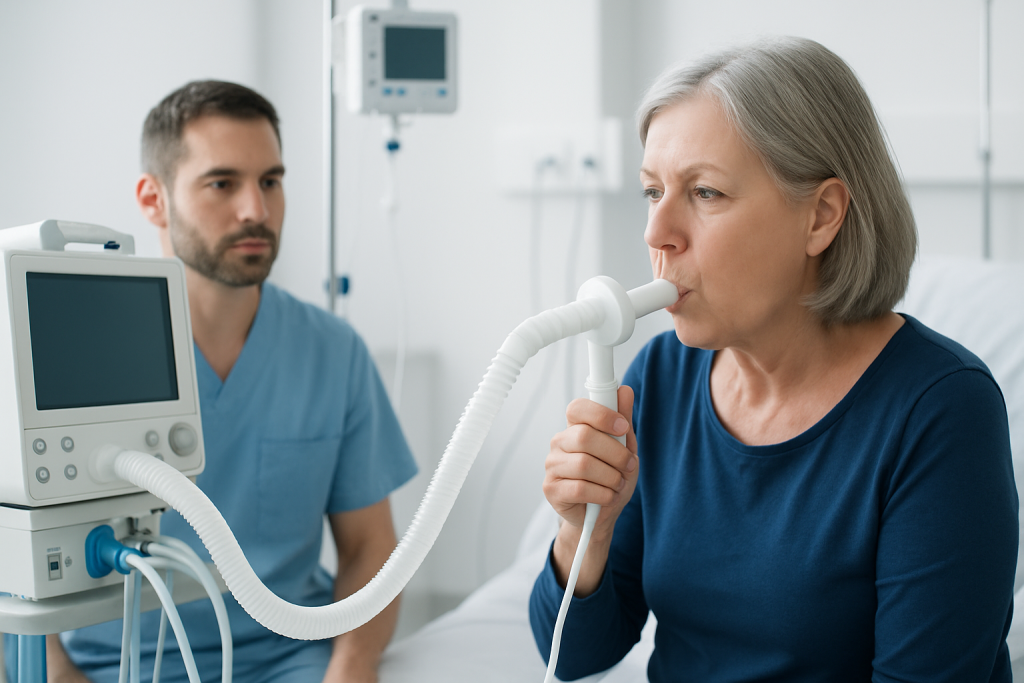
Symptoms of COPD often begin quietly. A person may notice that hills feel steeper, stairs take longer, or coughing is becoming part of everyday life rather than a temporary illness.
Common symptoms include:
- Shortness of breath, especially during activity
- Chronic cough
- Mucus or phlegm production
- Wheezing or a whistling sound when breathing
- Chest tightness
- Fatigue or reduced stamina
As COPD becomes more advanced, symptoms may appear with less exertion and recovery after activity may take longer. Some people also experience flare-ups, which are periods when breathing gets noticeably worse and medical treatment may be needed.
Causes & Risk Factors
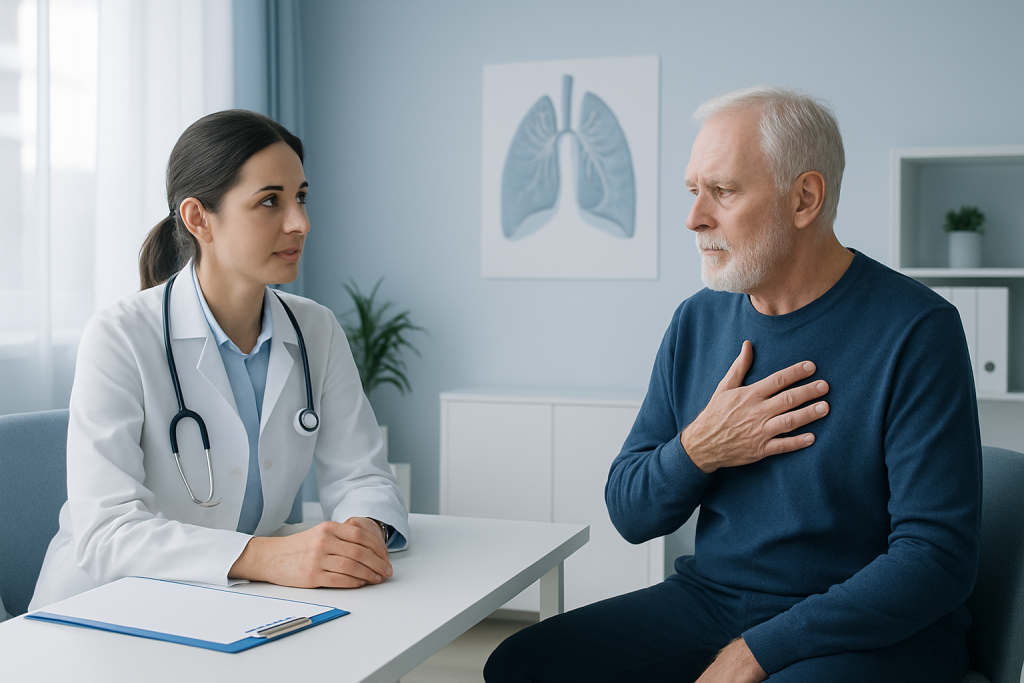
COPD usually develops after the lungs have been exposed to irritants for a long time. Cigarette smoking is the best-known cause, but it is not the only one. People who have never smoked can still develop COPD if they have had significant exposure to other lung irritants.
Risk factors may include:
- Tobacco smoke, including secondhand smoke
- Indoor air pollution from cooking or heating fuels
- Occupational exposure to dust, fumes, or chemicals
- Repeated respiratory infections
- Alpha-1 antitrypsin deficiency, a genetic condition that can affect the lungs
Risk is shaped by both exposure and overall lung health. A doctor will usually ask about smoking history, workplace environment, childhood respiratory problems, and family history to build a clearer picture.
Diagnosis
There is no single test that defines COPD by itself. Diagnosis usually begins with a conversation about symptoms and exposure history, followed by breathing tests that show how well the lungs are working.
Spirometry is the main test used to confirm COPD. It measures how much air a person can blow out and how quickly they can do it. Doctors may also order oxygen measurements, chest imaging, or blood tests to rule out other conditions and understand overall lung status.
In many cases, staging combines the spirometry result with symptom scores and the history of flare-ups. That broader view is important because two people with similar lung test results may feel very different in daily life and may need different treatment plans.
Treatment Options
COPD treatment is usually individualized. The goal is not only to ease symptoms, but also to reduce flare-ups, improve activity tolerance, and support quality of life over the long term.
Treatment options may include inhaled bronchodilators that help open the airways, inhaled corticosteroids in selected cases, and short-term medicines during flare-ups. Some people need supplemental oxygen, especially if oxygen levels are low, while others benefit most from rehabilitation and exercise-based support.
Doctors may also recommend:
- Pulmonary rehabilitation
- Vaccinations to reduce infection risk
- Smoking cessation support
- Nutritional guidance if weight loss or poor appetite is present
- Surgical or procedural options in carefully selected advanced cases
For international patients, treatment planning may include coordination with home-country physicians, medication lists that are easy to continue abroad, and a follow-up schedule that fits travel and recovery needs.
Prevention & Self-care
Not every case of COPD can be prevented, but many people can lower risk or slow further decline by removing irritants and protecting lung health. For people already diagnosed, daily habits can make breathing feel more manageable and reduce avoidable setbacks.
Helpful self-care steps include avoiding smoking and secondhand smoke, staying active within personal limits, and taking prescribed inhalers correctly and consistently. It is also wise to keep vaccinations up to date, since respiratory infections can trigger flare-ups.
Practical day-to-day strategies may also help:
- Pace activities and rest before becoming overly breathless
- Use breathing techniques taught by a clinician or rehabilitation team
- Stay hydrated unless a doctor has advised otherwise
- Keep track of symptom changes and flare-up patterns
- Plan for air travel or altitude changes with medical guidance
When to See a Doctor
A doctor should evaluate ongoing cough, shortness of breath, wheezing, or mucus production, especially if symptoms are becoming more frequent or harder to ignore. People with a smoking history or long-term exposure to dust, fumes, or indoor smoke should not assume symptoms are “just getting older.”
Urgent medical attention is appropriate if breathing becomes suddenly worse, lips or fingertips look blue or gray, confusion develops, or a person cannot speak in full sentences because of breathlessness. These signs may indicate a flare-up or another serious problem that needs prompt assessment.
It is also sensible to seek review when a current treatment plan no longer seems effective, when flare-ups happen repeatedly, or when traveling arrangements make it difficult to manage inhalers, oxygen, or follow-up safely. Acibadem Health Point’s multidisciplinary specialists and JCI-accredited hospitals diagnose and treat COPD for international patients, with care planning that can support both treatment and follow-up.
Living With COPD Over Time
COPD stages are not just labels; they are a way to guide everyday decisions. As the condition changes, treatment may need to change too, whether that means adjusting inhaler therapy, starting rehabilitation, or planning more structured monitoring.
Many people live well with COPD for years when they stay connected to medical care and recognize early warning signs of a flare-up. Small, steady routines often matter more than dramatic changes: taking medicine as directed, protecting the lungs from irritants, and responding early when symptoms shift.
For patients arranging care from another country, it can help to leave with a written summary of test results, medication names, and warning signs to watch for. That makes it easier to continue care smoothly at home and to know when another review is needed.
Frequently asked questions
What are the stages of COPD?
COPD stages describe how severe the condition is, usually based on lung function tests, symptoms, and flare-up history. Doctors use this broader picture because breathing impact can vary a lot from one person to another.
Can someone have COPD and not know it?
Yes. Early COPD may cause only mild cough, mucus, or breathlessness during exertion, so it can be mistaken for aging, poor fitness, or a lingering cough. That is why persistent symptoms should be checked by a doctor.
Is COPD always caused by smoking?
No. Smoking is a major risk factor, but COPD can also develop from long-term exposure to air pollution, dust, fumes, secondhand smoke, or certain genetic conditions. A careful exposure history helps doctors understand the likely cause.
How is COPD diagnosed?
Spirometry is the main test used to confirm COPD, and doctors may add imaging, oxygen checks, or blood tests if needed. The diagnosis also includes a review of symptoms and exposure history.
Can COPD be treated if it is already advanced?
Yes. Even advanced COPD can often be managed with medicines, pulmonary rehabilitation, oxygen when needed, and practical self-care. The goal is to improve comfort, reduce flare-ups, and support daily activity.
When should a person seek urgent help for COPD symptoms?
Sudden worsening breathlessness, blue or gray lips, confusion, or inability to speak in full sentences should be treated as urgent. These symptoms need prompt medical assessment because they may signal a serious flare-up or another emergency.
References
- Global Initiative for Chronic Obstructive Lung Disease (GOLD)
- World Health Organization
- National Heart, Lung, and Blood Institute
- Centers for Disease Control and Prevention
This article is for general information only and is not a substitute for professional medical advice. Please consult a qualified doctor about your individual situation.