Kussmaul Breathing

Key Takeaways
- Kussmaul breathing is a deep, rapid, and often labored breathing pattern linked to metabolic acidosis.
- It is commonly seen in diabetic ketoacidosis, kidney failure, severe infection, or other conditions that acidify the blood.
- The breathing pattern is a sign of compensation, as the body tries to remove excess carbon dioxide.
- Diagnosis focuses on finding the underlying cause through blood tests, oxygen checks, and sometimes imaging or urine studies.
- Treatment targets the cause rather than the breathing itself and may require urgent hospital care.
Kussmaul breathing is a deep, labored breathing pattern that usually signals a serious metabolic problem, most often metabolic acidosis. It is not a disease on its own, but a clue that the body is struggling and needs prompt medical assessment.
Overview
Kussmaul breathing is a distinctive breathing pattern marked by deep, fast, and often heavy breaths. It usually appears when the body is trying to correct a dangerous imbalance in the blood called metabolic acidosis, which means there is too much acid or not enough buffering capacity in the system.
This pattern is not a diagnosis by itself. It is a clinical sign that points to an underlying medical problem, and the reason matters more than the breathing pattern alone. In practice, it often leads clinicians to look for conditions such as diabetic ketoacidosis, kidney failure, severe dehydration, poisoning, or major infection.
For patients and families, the main lesson is simple: unusual deep breathing that does not settle should be taken seriously, especially if it appears with fatigue, confusion, vomiting, abdominal pain, or a known chronic illness. The goal is not to panic, but to recognize that the body is signaling distress and needs timely evaluation.
Symptoms
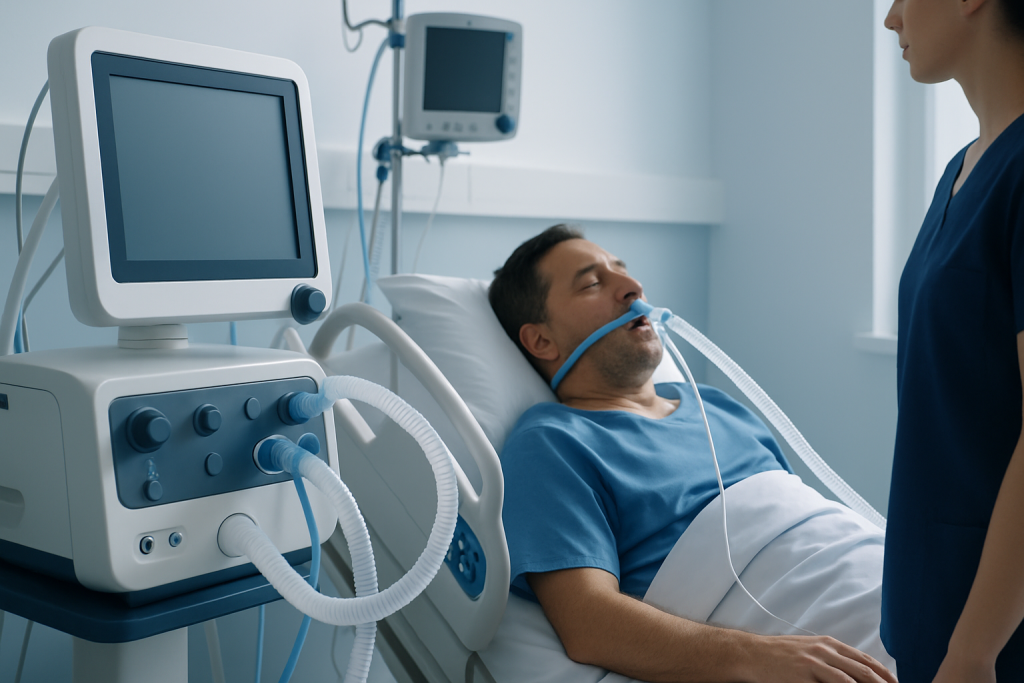
The breathing pattern itself is usually the most noticeable feature. Breaths may look unusually deep, deliberate, and frequent, and the person may seem as if they are “air hungry” or working hard just to breathe. Unlike breathing from anxiety or exercise, Kussmaul breathing often continues at rest and does not improve with calming or resting alone.
Because it is caused by an underlying metabolic problem, other symptoms are often present too. These can include nausea, vomiting, abdominal discomfort, weakness, thirst, dry mouth, confusion, drowsiness, or a fruity-smelling breath in some cases of diabetic ketoacidosis. The exact picture depends on the cause.
A simple way to think about it is that the breathing change is a warning light, while the accompanying symptoms help identify the engine problem. When several symptoms appear together, especially in someone with diabetes, kidney disease, or recent serious illness, medical evaluation becomes more important.
Causes & Risk Factors

Kussmaul breathing usually develops as a response to metabolic acidosis. When acids build up, the body attempts to lower the acid level by breathing out more carbon dioxide, since carbon dioxide contributes to acidity in the blood. This compensation creates a deep and rapid breathing pattern.
Common causes include diabetic ketoacidosis, which can happen when insulin is too low and the body starts breaking down fat at a rapid rate. Other causes may include advanced kidney disease, severe dehydration, lactic acidosis from infection or poor circulation, certain toxins or poisonings, and some inherited metabolic disorders. In some situations, prolonged severe diarrhea can also disturb the body’s acid-base balance.
Risk factors are tied to the conditions that trigger acidosis. These may include poorly controlled diabetes, missed insulin, infection, kidney impairment, significant alcohol use, exposure to toxins, or any illness that severely reduces oxygen delivery or disrupts metabolism. People traveling for care may already know they have one of these conditions, or they may arrive with unclear symptoms that need quick sorting by a medical team.
Diagnosis
Diagnosis begins with observing the breathing pattern and asking about the person’s symptoms, medical history, medications, and recent illness. Clinicians also check vital signs, mental status, oxygen levels, and hydration status to understand how urgent the situation is.
Blood tests are central to the workup. These often include arterial or venous blood gas testing, electrolytes, kidney function tests, glucose, ketones, lactate, and sometimes tests for infection or toxin exposure. Depending on the picture, urine tests, chest imaging, or heart monitoring may be added to identify the trigger.
The aim is not merely to label the breathing pattern, but to find the cause quickly enough to guide treatment. For international patients, this evaluation can be especially helpful because the underlying issue may have started before travel, changed during travel, or been only partly assessed elsewhere.
Treatment Options
Treatment focuses on correcting the underlying cause of the metabolic acidosis. If diabetic ketoacidosis is present, care generally includes fluids, insulin, and close monitoring of electrolytes and blood chemistry. If kidney failure, infection, or another illness is responsible, treatment is directed to that condition and may require hospital admission.
Supportive care is often important while the body recovers. This may include oxygen if needed, intravenous fluids, anti-nausea treatment, antibiotic therapy when infection is confirmed or strongly suspected, and careful observation of breathing, blood pressure, and laboratory values. In selected cases, dialysis may be needed when the kidneys cannot adequately clear acids or waste products.
It is worth noting that the breathing pattern itself usually improves only when the acid-base problem is corrected. That is why self-treatment is not appropriate when Kussmaul breathing is suspected. Prompt, clinician-guided management is the safest path, particularly if the person is weak, vomiting, confused, or unable to keep fluids down.
Prevention & Self-care
Prevention depends on the cause. For people with diabetes, regular glucose monitoring, taking insulin or prescribed medicines as directed, staying alert to signs of infection, and seeking early care during illness can lower the risk of diabetic ketoacidosis. For people with kidney disease, scheduled follow-up and adherence to renal care plans are important.
General self-care is about noticing change early rather than trying to manage a severe breathing pattern at home. Rest, hydration when appropriate, and reviewing recent symptoms may help context, but they do not replace medical care when breathing is deep and labored. If a person has diabetes, checking blood sugar and ketones at the first sign of illness can be useful while arranging clinical advice.
When patients travel for treatment or follow-up, it helps to carry a concise medical summary, medication list, allergy information, and recent test results. That makes it easier for the receiving team to understand whether the breathing change is linked to a known condition, a new complication, or a separate emergency.
When to See a Doctor
Medical care should be sought promptly if deep, rapid breathing appears unexpectedly, especially when it is persistent or accompanied by vomiting, confusion, severe weakness, chest pain, fever, dehydration, or trouble staying awake. In a person with diabetes, Kussmaul breathing can signal a time-sensitive emergency.
Urgent evaluation is also important if the person has kidney disease, a known infection, recent toxin exposure, or a serious chronic illness and the breathing pattern changes noticeably. If the person is unable to speak in full sentences, becomes very drowsy, or appears to be getting worse quickly, emergency care is appropriate.
For patients arranging Varicose Vein Treatment Abroad: When Stockings Are Enough and When Procedures Help More" class="ahp-ilk">treatment abroad, a hospital-based assessment can help determine whether the issue is stable enough for travel home or whether ongoing monitoring is safer. Acibadem Health Point’s multidisciplinary specialists and JCI-accredited hospitals diagnose and treat conditions associated with Kussmaul breathing for international patients, with attention to both the urgent problem and the follow-up plan.
Living With the Underlying Condition
Because Kussmaul breathing is a sign rather than a standalone illness, long-term care depends on preventing recurrence of the cause. That may mean tighter diabetes management, kidney disease follow-up, infection prevention, medication review, or ongoing monitoring after an acute hospitalization. The breathing pattern usually resolves once the acid-base disturbance is corrected.
Patients often benefit from asking for a clear explanation of what triggered the episode and what warning signs should prompt earlier care next time. This is particularly useful after discharge, when the risk is not only medical but logistical: understanding which symptoms require local follow-up, which need emergency care, and which can wait for a scheduled review.
A well-organized plan can make recovery steadier, especially for international patients balancing home travel, prescriptions, and follow-up appointments. Clear instructions, written lab summaries, and a contact pathway for questions can reduce confusion and help the next steps feel manageable.
Frequently asked questions
Is Kussmaul breathing the same as shortness of breath?
Not exactly. Shortness of breath is a symptom a person feels, while Kussmaul breathing is a breathing pattern a clinician may observe. A person can have both at the same time, but Kussmaul breathing specifically points toward metabolic acidosis.
Can anxiety cause Kussmaul breathing?
Anxiety can cause fast breathing, but it usually does not create the same deep, sustained pattern seen in Kussmaul breathing. If breathing is unusually deep and persistent, especially with vomiting, confusion, or diabetes, it should be medically assessed rather than assumed to be anxiety.
Why does diabetic ketoacidosis cause this breathing pattern?
In diabetic ketoacidosis, acids called ketones build up in the blood. The body responds by breathing more deeply and rapidly to reduce carbon dioxide and help bring the blood’s acid level down.
Can Kussmaul breathing go away on its own?
It may improve if the underlying problem resolves, but it should not be ignored. Because it often signals a serious condition, it is safer to seek medical evaluation rather than wait for it to pass on its own.
What tests are usually done to find the cause?
Common tests include blood gas analysis, blood sugar, ketones, electrolytes, kidney function tests, and lactate. Doctors may also order urine tests, imaging, or infection studies depending on the person’s symptoms and medical history.
Is Kussmaul breathing an emergency?
It can be. The urgency depends on the cause, but because it often reflects a significant acid-base disturbance, it should be assessed promptly, especially if the person has diabetes, kidney disease, or altered mental status.
References
- Merck Manual Professional Edition
- Mayo Clinic
- Cleveland Clinic
- National Institute of Diabetes and Digestive and Kidney Diseases
- MedlinePlus
This article is for general information only and is not a substitute for professional medical advice. Please consult a qualified doctor about your individual situation.