Signs Of Uti

Key Takeaways
- UTI symptoms often include burning during urination, urgency, and frequent trips to the bathroom.
- Symptoms can differ depending on whether the infection affects the bladder, urethra, or kidneys.
- A urine test is commonly used to confirm the diagnosis and guide treatment.
- Hydration and good hygiene may help lower risk, but a medical evaluation is important when symptoms appear.
- Blood in the urine, fever, back pain, or symptoms in pregnancy deserve prompt medical attention.
A urinary tract infection can cause discomfort, urgency, and changes in urine habits, but the signs are not always the same for every person. Understanding the early clues can help someone seek care promptly and avoid complications.
Overview
A urinary tract infection, often shortened to UTI, happens when germs enter part of the urinary system and begin to multiply. The infection may involve the urethra, bladder, ureters, or kidneys, but most everyday cases start in the bladder and are easier to treat when noticed early.
For many people, the first sign is not dramatic pain but a subtle change in how urination feels. A person may notice burning, an urgent need to pass urine, or feeling as though the bladder is never fully empty. These symptoms can interrupt work, sleep, and travel, which is why recognizing them quickly matters.
UTIs are common in people of many ages and backgrounds, including Myomectomy Recovery for International Patients: The Usual Travel Timeline" class="ahp-ilk">international patients who may be away from home when symptoms begin. The condition is usually manageable with timely medical assessment, and a doctor can help decide whether the symptoms fit a UTI or another urinary problem.
Symptoms
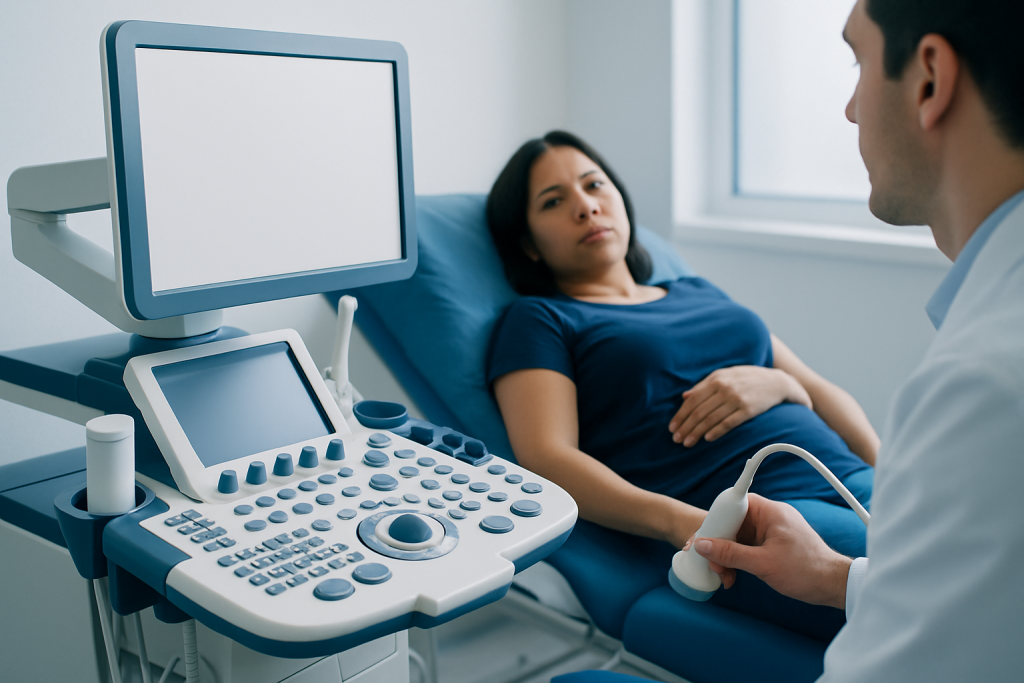
The classic signs of UTI often center on the bladder and urethra. A person may feel pain or burning while urinating, need to urinate more often than usual, or notice that only small amounts come out each time. The urine may also look cloudy or smell stronger than usual.
Some symptoms are less specific but still important. Lower abdominal pressure, a sense of heaviness in the pelvis, or discomfort after urination can occur with a bladder infection. In some cases, there may be blood in the urine, which can be alarming to see but is not uncommon with urinary infection and still needs medical assessment.
When an infection moves higher into the urinary tract, symptoms can become broader. Kidney involvement may cause fever, chills, pain in the back or side, nausea, or vomiting. These symptoms suggest a more serious infection and should be evaluated without delay.
- Burning or pain during urination
- Frequent urge to urinate
- Passing only small amounts of urine
- Cloudy, dark, or strong-smelling urine
- Pelvic discomfort or lower abdominal pressure
- Blood in the urine
Older adults, children, and some people with other health conditions may not show the typical pattern. Confusion, weakness, irritability, or a sudden change in behavior can sometimes be part of a urinary infection, especially in older adults, which is why a broader view of symptoms is important.
Causes & Risk Factors

Most UTIs are caused by bacteria from the digestive tract, especially E. coli, entering the urinary system. The short distance between the outside of the body and the bladder helps explain why the infection is more common in some people than others.
Several factors can raise the chance of developing a UTI. These include sexual activity, pregnancy, menopause, urinary tract abnormalities, kidney stones, catheter use, and conditions that affect bladder emptying. A history of previous infections can also make future episodes more likely.
For travelers, long journeys, dehydration, delaying bathroom breaks, or limited access to clean restrooms can sometimes make symptoms more noticeable or uncomfortable. These habits do not cause every UTI, but they may contribute to irritation or reduce the body’s natural flushing of bacteria.
- Female anatomy, which makes bladder infections more common
- Being sexually active
- Pregnancy
- Menopause and lower estrogen levels
- Urinary catheter or recent urinary procedures
- Diabetes or conditions that affect immune function
It is worth noting that not every painful urination is a UTI. Vaginal infections, sexually transmitted infections, bladder irritation, and some medications can cause similar symptoms, so a proper medical evaluation helps avoid the wrong treatment.
Diagnosis
Diagnosis usually begins with a conversation about the symptoms, their timing, and any recent changes in health or travel. A doctor may ask about fever, flank pain, pregnancy, prior infections, and whether the person has had urinary problems before. These details help determine how urgent the situation may be.
A urine test is often the next step. Depending on the situation, this may include a dipstick test, urine microscopy, or a urine culture to identify the bacteria and guide treatment. A culture is especially helpful when symptoms are severe, recur often, or do not improve as expected.
In some cases, further testing is needed. People with repeated infections, suspected kidney involvement, urinary obstruction, stones, or unusual symptoms may need imaging or specialist review. For someone receiving care while away from home, clear communication about test results and follow-up plans is especially important so treatment can continue safely after returning home.
Treatment Options
Treatment depends on the type of infection and the person’s overall health. Many uncomplicated bladder infections are treated with antibiotics chosen by a doctor based on likely bacteria, test results, and local resistance patterns. The goal is to relieve symptoms, clear the infection, and reduce the chance that it spreads upward.
Supportive care may also be recommended. Drinking enough fluids can help maintain urine flow, and rest may be useful if the person feels unwell. Pain relief strategies may be discussed by a clinician, but self-treating with leftover antibiotics is not a safe option because the wrong medicine or incomplete treatment can worsen resistance or miss another diagnosis.
More serious infections, such as kidney infections, may need closer monitoring and sometimes intravenous treatment or a hospital stay. Pregnant patients, people with weakened immune systems, and those with urinary tract abnormalities may need a more individualized plan and closer follow-up.
When a patient is traveling for treatment, doctors often plan care with continuity in mind. That can include written instructions, review of test results, and clear advice on which symptoms should prompt an urgent recheck after returning to another country.
Prevention & Self-care
Simple habits can lower the chance of future UTIs for some people, although they cannot prevent every episode. Regular hydration helps the urinary tract flush more effectively, and not holding urine for long periods may reduce bacterial buildup in the bladder.
Hygiene habits matter as well. Wiping from front to back after using the toilet, urinating after sexual activity when possible, and avoiding irritating personal products around the genital area may help some people. Loose, breathable underwear and avoiding prolonged dampness can also support comfort.
For people with recurrent infections, a doctor may look for an underlying reason rather than simply treating each episode one by one. That can include checking bladder emptying, reviewing sexual or hormonal factors, or considering whether another condition is causing symptoms that feel like a UTI.
- Drink adequate fluids throughout the day
- Do not delay urination for long periods
- Use gentle genital hygiene products
- Consider urinating after sexual activity
- Follow the full treatment plan if antibiotics are prescribed
- Seek evaluation for repeated episodes rather than self-treating
Self-care is most useful when it is paired with medical advice. If symptoms are clearly getting worse, a clinician should guide the next steps instead of waiting for them to settle on their own.
When to See a Doctor
Medical attention is important when urinary symptoms are new, persistent, or uncomfortable enough to affect daily life. Burning with urination, frequent urges, or pelvic pain may seem minor at first, but early treatment can reduce the chance of complications.
Prompt evaluation is especially important if there is fever, back or side pain, nausea, vomiting, visible blood in the urine, or symptoms during pregnancy. These features can point to a more serious infection or another condition that should not be ignored.
Children, older adults, people with diabetes, people with kidney disease, and those with urinary catheters should be assessed promptly when urinary symptoms appear. If the person is recovering while traveling, it is sensible to carry test results and discharge instructions so follow-up care can continue smoothly.
Acibadem Health Point’s multidisciplinary specialists and JCI-accredited hospitals diagnose and treat UTIs for international patients with coordinated care and clear follow-up planning.
Frequently asked questions
What are the most common signs of a UTI?
The most common signs are burning during urination, frequent urination, and an urgent need to go even when little urine passes. Some people also notice cloudy urine, pelvic discomfort, or a stronger urine smell. Symptoms can vary, so a urine test is often needed to confirm the cause.
Can a UTI go away without treatment?
Some mild symptoms may improve briefly, but a true urinary tract infection often needs medical treatment to clear properly. Waiting too long can allow the infection to spread, especially if fever or back pain appears. It is safer to have symptoms evaluated rather than assume they will pass on their own.
Is blood in the urine always a sign of a serious problem?
Blood in the urine can happen with a UTI, but it should still be checked by a doctor. It may also be caused by stones, irritation, or other urinary conditions. The cause can usually be clarified with urine testing and a medical assessment.
How is a UTI diagnosed?
Doctors usually begin with a symptom review and a urine test. A urine culture may be ordered when symptoms are severe, recurrent, or not improving as expected. Additional tests may be needed if the infection seems complicated or if another problem is suspected.
What should someone do if UTI symptoms start while traveling?
They should seek medical advice as soon as possible, especially if there is fever, flank pain, or visible blood in the urine. Keeping track of symptoms, drinking fluids, and avoiding self-starting leftover antibiotics are sensible steps. If treatment is started abroad, written results and instructions can help with follow-up at home.
Can recurrent UTIs mean something else is wrong?
Repeated infections sometimes happen without a major underlying problem, but they can also signal issues such as incomplete bladder emptying, kidney stones, hormonal changes, or urinary tract abnormalities. A doctor may investigate further if infections keep returning. That approach helps tailor treatment instead of repeatedly treating only the symptoms.
References
- World Health Organization
- Centers for Disease Control and Prevention
- National Institute of Diabetes and Digestive and Kidney Diseases
- Mayo Clinic
- NHS
This article is for general information only and is not a substitute for professional medical advice. Please consult a qualified doctor about your individual situation.
More from the Health Library



Related Specialists

Prof. Dr. A. Taner Usta
Gynecology & Obstetrics
Prof. Dr. Ahmet Tayyar
Gynecology & Obstetrics
Prof. Dr. Ahmet Cem Batukan
Gynecology & Obstetrics
Dr. Sevgi Selen
Gynecology & Obstetrics