Black Widow Bite: Symptoms, Causes and Treatment

Key Takeaways
- Black widow bites may begin with mild skin findings and then progress to pain, cramping, sweating, or nausea.
- The bite can sometimes be mistaken for other problems, so medical assessment is important when symptoms are significant.
- Treatment usually focuses on pain control, symptom relief, and observation; severe cases may need hospital care.
- Basic first aid includes cleaning the area, using a cold pack, and avoiding unnecessary home remedies or cutting the skin.
- Most people recover well with timely care and follow-up, especially when symptoms are addressed early.
Medically reviewed by the Acıbadem clinical team — August 19, 2026
A black widow bite can cause painful muscle cramping and other body-wide symptoms, even when the bite mark itself looks small. Prompt evaluation helps confirm the cause, manage symptoms, and prevent complications.
Overview
A black widow bite is a venomous spider bite that deserves respect even when the skin mark looks small. The bite may begin as a pinprick or mild burning sensation, then unfold over several hours into muscle pain, abdominal cramps, sweating, or restlessness.
What makes this bite notable is not the appearance of the wound alone, but the body-wide reaction that venom can trigger. Many people first notice a local reaction and do not realize the bite is significant until symptoms spread beyond the skin.
For international patients, this is one of those conditions where quick decisions matter more than dramatic-looking wounds. A person traveling, hiking, or staying in a region where venomous spiders are present may need medical review even if the bite site itself seems manageable.
Symptoms
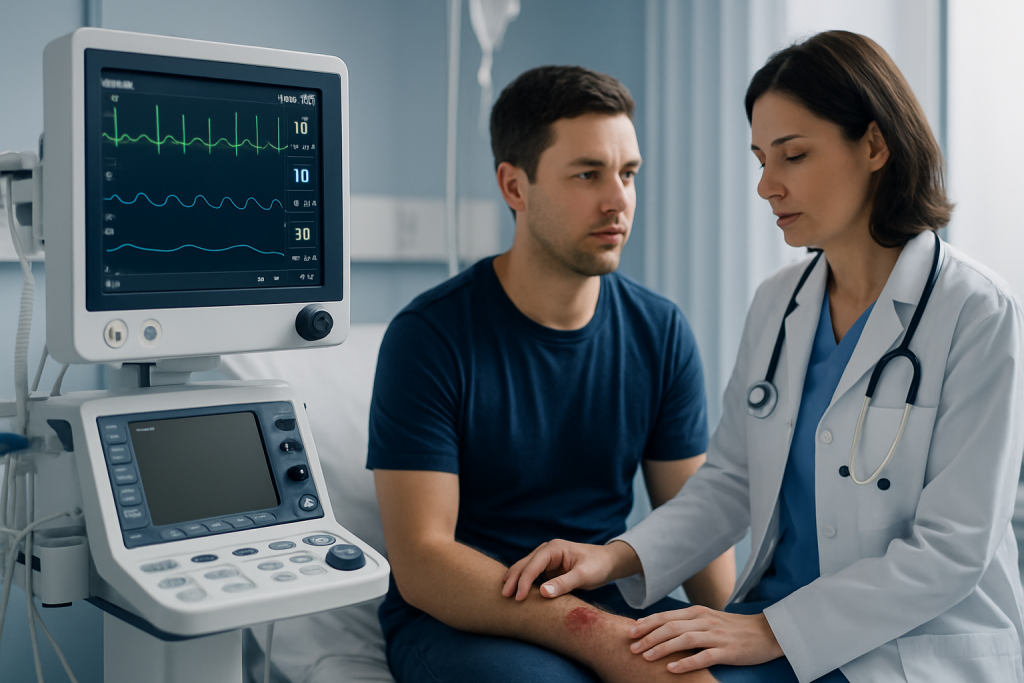
Symptoms often start near the bite area and may later involve the whole body. Early signs can include redness, swelling, a small puncture mark, or burning pain, but these local findings may be mild compared with the later symptoms.
As venom effects develop, some people experience muscle tightness or cramping, especially in the abdomen, back, shoulders, or chest. Sweating, nausea, vomiting, headache, anxiety, high blood pressure, and a general feeling of being unwell can also occur.
- Localized pain, redness, or swelling
- Muscle cramps or spasms
- Abdominal pain that may feel severe
- Sweating, nausea, or vomiting
- Weakness, restlessness, or shakiness
Children, older adults, and people with other medical conditions may feel the effects more intensely. Because spider bites are often not witnessed, the pattern of symptoms and the travel or exposure history are important clues.
Causes & Risk Factors

Black widow spiders inject venom when they bite, usually as a defensive response. Bites commonly happen when a spider is accidentally pressed against the skin in places such as gloves, shoes, piles of clothing, firewood, storage boxes, or outdoor gear.
Risk increases with activities that involve dark, undisturbed spaces or clothing that has been left unused. Outdoor work, camping, cleaning garages, and handling items stored for long periods can all create opportunities for accidental contact.
Not every bite from a suspected spider is truly a black widow bite. Other insect bites, skin infections, muscle or abdominal problems, and allergic reactions can look similar, which is why a careful history matters.
People with reduced access to immediate care, those far from home, or travelers in unfamiliar settings may be at particular disadvantage because early symptoms can be dismissed. When the story and symptoms fit, it is safer to seek evaluation than to assume the bite is harmless.
Diagnosis
Diagnosis is usually based on the person’s symptoms, the timing of onset, and any known spider exposure. A clinician may ask where the bite occurred, how quickly the pain spread, and whether cramping, sweating, or nausea followed.
There is no single simple test that confirms every black widow bite. In many cases, the diagnosis is clinical, meaning it depends on recognizing the pattern rather than identifying the spider itself.
Doctors may check vital signs and perform a physical examination to look for muscle tenderness, abdominal guarding, or signs of another cause that needs separate treatment. If symptoms are more severe, blood tests or other studies may be used to rule out alternative explanations or evaluate complications.
For patients traveling from another country, carrying a clear timeline of symptoms, photos of the bite if available, and any information about where the exposure happened can be very helpful during assessment.
Treatment Options
Treatment depends on symptom severity. Many cases are managed with observation, Sciatica Pain Relief: Treatments and Self-Care" class="ahp-ilk">pain relief, and measures that help the body settle while the venom’s effects fade. More significant reactions may require emergency evaluation and monitored care.
Initial care often includes cleaning the bite area, using a cold pack, and keeping the affected limb comfortable. Clinicians may recommend medication to ease pain, muscle spasms, or nausea, and they will watch for breathing difficulties, severe cramping, or rising blood pressure if symptoms are strong.
In some situations, hospital-based treatment is needed, especially when symptoms are intense, the diagnosis is uncertain, or the person is vulnerable because of age or other health issues. Antivenom may be considered in selected severe cases by experienced clinicians, but it is not used routinely for every bite.
It is generally best to avoid cutting the skin, trying to suck out venom, applying harsh chemicals, or using ice directly on the skin for long periods. These steps do not improve the bite and can create extra injury.
Prevention & Self-care
Prevention begins with simple habits that reduce accidental contact. Gloves, shoes, and outdoor clothing should be checked before use if they have been stored for a while, and storage areas should be kept tidy enough to discourage spiders from nesting.
At home or while traveling, it helps to shake out clothing and shoes, inspect bedding in rarely used rooms, and avoid reaching into dark corners without looking first. Outdoor woodpiles, garden sheds, and garages deserve special caution because they are common hiding places.
If a bite is suspected and symptoms are mild, self-care should stay conservative. Cleaning the area with soap and water, applying a wrapped cold pack, resting, and watching for worsening symptoms are sensible first steps.
For someone recovering away from home, a practical plan matters: keep the bite area clean, note any change in pain or cramping, and know where the nearest urgent care or hospital is located. If follow-up is needed after travel, a clinician can help decide whether continued observation or further assessment is appropriate.
When to See a Doctor
Medical evaluation is advisable when the pain is spreading, cramping is significant, or the person feels generally unwell after a suspected black widow bite. A small bite mark should not be reassuring if the body symptoms are clearly increasing.
Urgent care is especially important if there is chest pain, trouble breathing, severe abdominal pain, persistent vomiting, fainting, marked weakness, or symptoms in a child, older adult, or pregnant person. These situations deserve prompt professional review rather than home monitoring alone.
Seek medical attention sooner rather than later if the bite was not clearly identified, if the person has other health conditions, or if there is uncertainty about whether the problem is a spider bite at all. A clinician can sort out the cause and recommend the right level of treatment.
Acibadem Health Point’s multidisciplinary specialists and JCI-accredited hospitals diagnose and treat this condition for international patients, with care that can be coordinated across evaluation, treatment, and follow-up.
Recovery and Follow-up
Recovery is often gradual. The most intense pain or cramping may ease over time, but some people remain tired, sore, or unsettled for a short period afterward.
Follow-up is useful if symptoms do not improve as expected, if the bite site becomes increasingly red or warm, or if a person develops new concerns after returning home. A review can help distinguish lingering venom effects from infection or another unrelated issue.
When a patient is traveling, continuity of care matters. Keeping discharge instructions, medication notes, and a brief symptom timeline can make handoff to a local doctor much smoother if further care is needed.
Frequently asked questions
How can a black widow bite be recognized?
The bite itself may look minor, but the clue is often the symptom pattern that follows. Increasing pain, muscle cramping, sweating, nausea, and abdominal discomfort are more suggestive than the skin mark alone.
Is every spider bite a black widow bite?
No. Many bites and skin problems can look similar at first. Because of that, the diagnosis is usually based on the overall pattern of symptoms and exposure history rather than appearance alone.
What should be done right after a suspected bite?
The area should be washed with soap and water, and a cold pack wrapped in cloth can be used for comfort. It is also wise to rest, avoid squeezing or cutting the area, and watch for worsening symptoms.
Do black widow bites always need hospital treatment?
Not always. Mild cases may be managed with observation and symptom relief, while more severe cases may need monitored care in a hospital setting. A clinician decides based on how the person is feeling and whether any warning signs are present.
Can children and older adults have a stronger reaction?
Yes, they may be affected more strongly and should be assessed promptly if a black widow bite is suspected. Even if the bite looks small, the body-wide symptoms can become significant more quickly in these age groups.
How long does recovery usually take?
Recovery is often gradual and depends on how much venom effect occurred and how quickly care was given. Many people improve steadily, but follow-up is helpful if symptoms linger or become more intense.
References
- Centers for Disease Control and Prevention
- MedlinePlus
- Mayo Clinic
- Merck Manual Professional Edition
- National Institutes of Health
This article is for general information only and is not a substitute for professional medical advice. Please consult a qualified doctor about your individual situation.
Persistent digestive symptoms? Get evaluated in Turkey
JCI-accredited · board-certified surgeons · reply within 24h
Add us as a Preferred Source to see more of our trusted health content across Google Search, AI Overviews and Discover.