Wolf Spider Bite: Symptoms and Treatment

Key Takeaways
- Most wolf spider bites cause localized symptoms rather than serious illness.
- Clean the bite area, use a cool compress, and watch for worsening pain, redness, or swelling.
- Medical evaluation is important if symptoms spread, the wound looks infected, or the person has a severe allergic reaction.
- A bite that is thought to be from another spider may need different care, so identification is often uncertain.
- People with weakened immunity, young children, older adults, or those with significant symptoms should be assessed promptly.
Medically reviewed by the Acıbadem clinical team — August 19, 2026
A wolf spider bite is usually not medically dangerous, but it can cause local pain, redness, and swelling that may worry the person affected. Understanding what to look for, how to clean the area, and when to seek medical care can help keep recovery simple and calm.
Overview
A wolf spider bite often arrives with a sharp pinch and a quick flare of discomfort, which can make the event feel more dramatic than it is. In most cases, wolf spiders are not considered dangerous to humans, and the bite stays limited to the skin around the bite site.
What matters most is not the spider’s reputation, but the pattern of symptoms afterward. A small bite can be managed at home when it stays mild, while a more significant reaction deserves medical attention, especially if the person is unsure what bit them.
For people traveling internationally or seeking care away from home, that uncertainty can add stress. A clinician can help determine whether the wound is consistent with a common insect or spider bite, whether infection is developing, and whether another condition may be responsible.
Symptoms
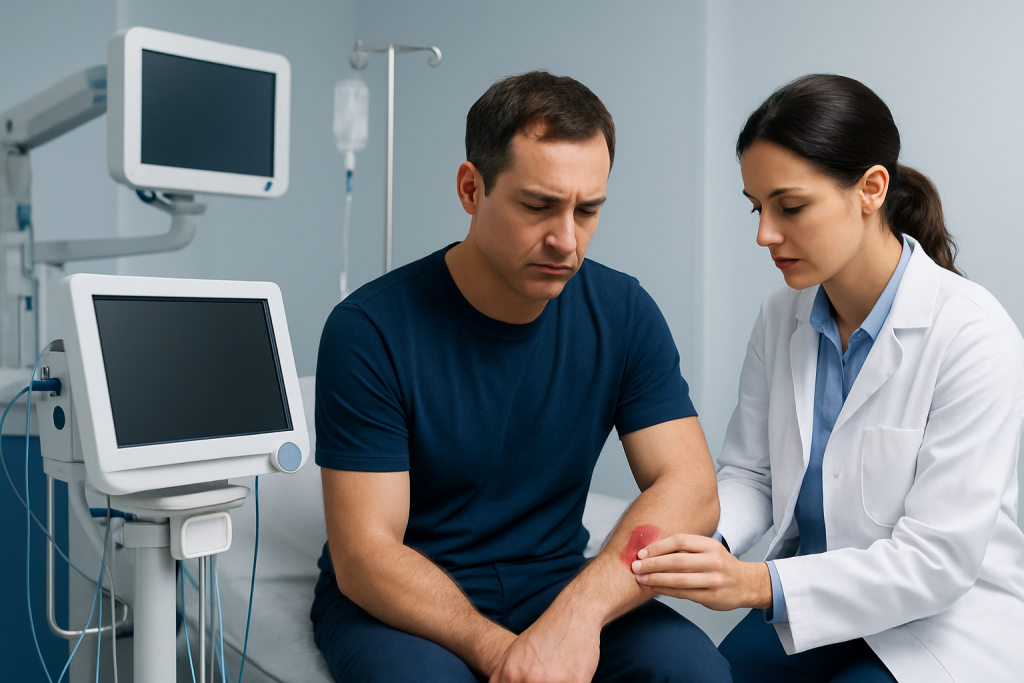
Wolf spider bite symptoms usually begin at the bite site. The area may become red, tender, swollen, or itchy, and some people notice a mild burning or stinging sensation. A small puncture mark may be visible, but it is not always easy to find.
In many cases, the discomfort gradually settles over a day or two. The skin around the bite may look irritated for a short time, and a small amount of swelling is common. Children and people with sensitive skin may notice the area more strongly, even when the bite is not dangerous.
Signs that should be taken seriously include:
- Rapidly increasing swelling or redness
- Pus or other drainage from the skin
- Fever or chills
- Severe pain that is getting worse instead of better
- Rash away from the bite area
- Swelling of the lips, tongue, face, or throat
- Difficulty breathing
Because many skin problems can look like a spider bite, a wound that becomes larger, more painful, or more inflamed may reflect an infection, an allergic reaction, or another skin condition rather than a spider bite itself.
Causes & Risk Factors
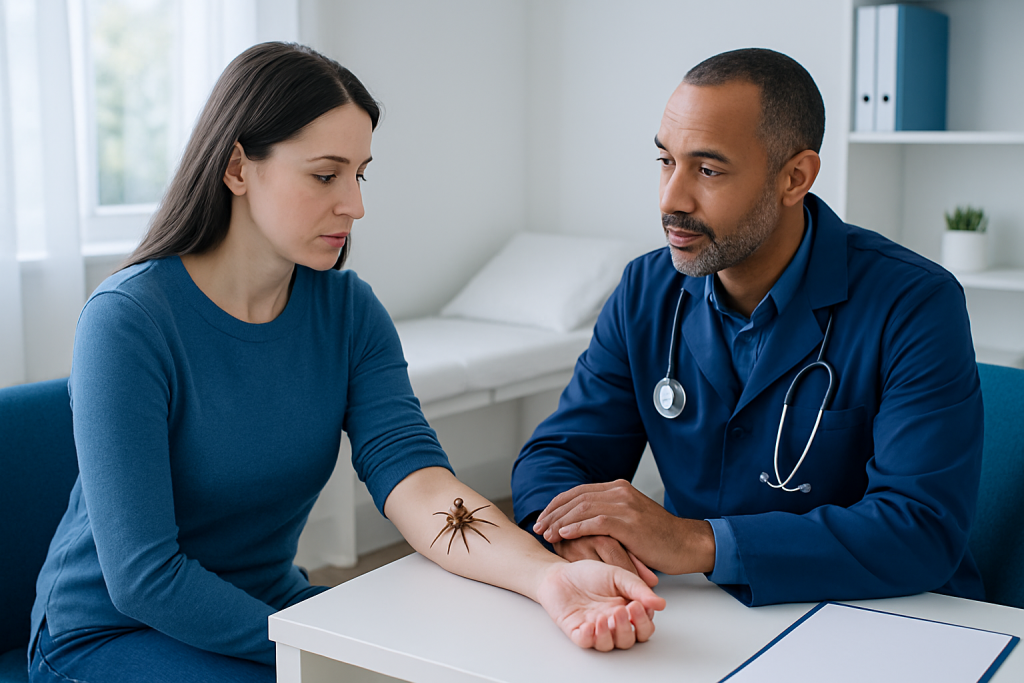
Wolf spiders usually bite only when they feel threatened, such as when they are trapped against the skin, hidden in clothing, or disturbed while resting in shoes, boxes, or dark corners. Their bites are defensive rather than aggressive.
Risk increases in settings where spiders are likely to live: garages, storage spaces, wood piles, basements, sheds, and outdoor areas with leaf litter or debris. People who handle firewood, garden, clean storage spaces, or work in low-light areas may be more likely to encounter one.
Some people are more vulnerable to complications from any skin wound. Young children, older adults, people with diabetes, those with poor circulation, and anyone with a weakened immune system may need closer monitoring if redness or swelling develops.
Another practical issue is misidentification. Many bites blamed on spiders are actually caused by other insects, skin irritation, or infection. Because the spider is often not seen clearly, a clinician may focus on the symptoms and skin findings rather than the species name alone.
Diagnosis
Diagnosis usually begins with a careful history and a close look at the skin. A clinician may ask when the pain started, whether the spider was seen, how quickly the redness changed, and whether there are any signs of infection or allergy.
There is no routine test that confirms a wolf spider bite. In most straightforward cases, the diagnosis is clinical, meaning it is based on the appearance of the wound and the person’s symptoms. If the skin is worsening, a doctor may look for cellulitis, abscess, or another cause of inflammation.
If the person develops systemic symptoms, or if the story does not fit a simple local bite, additional evaluation may be needed. This can include checking vital signs, examining for allergic reaction, and deciding whether treatment should focus on infection, inflammation, or a different diagnosis entirely.
Treatment Options
Most Spider Bites: Symptoms and Treatment" class="ahp-ilk">wolf spider bites improve with simple supportive care. Washing the area gently with soap and water helps lower the chance of infection, and a cool compress can ease pain and swelling. Resting the area and avoiding scratching are also helpful.
Over-the-counter Sciatica Pain Relief: Treatments and Self-Care" class="ahp-ilk">pain relief or an antihistamine may be suggested by a clinician for comfort, depending on the person’s age, medical history, and other medications. A small amount of swelling and redness can be observed at home if it remains stable and the person feels well overall.
Medical treatment becomes more important when symptoms suggest infection or a more significant reaction. A clinician may recommend:
- Prescription treatment for skin infection if needed
- Tetanus review if the person is not up to date
- Evaluation for allergic reaction when swelling is widespread or breathing changes occur
- Wound care instructions and follow-up if the skin is open or worsening
People traveling for care should not try to self-diagnose a serious bite from another country’s spider species based on internet images. A medical professional can assess the wound, discuss safe local treatment, and plan follow-up that fits travel schedules and return-home needs.
Prevention & Self-care
Prevention starts with reducing the chance of surprise contact. Wearing gloves when handling stored items, shaking out shoes and clothing before use, and keeping storage areas tidy can lower the odds of a defensive bite. Sealing gaps around doors and windows may also help limit spiders indoors.
If a bite is suspected, self-care should stay simple and calm. The area should be cleaned, protected from friction, and watched for changes over the next day or two. Marking the edge of redness with a pen can help show whether the area is spreading.
Useful self-care habits include:
- Wash the bite with soap and water
- Apply a cool compress for short periods
- Avoid squeezing, cutting, or trying to drain the area
- Do not apply harsh chemicals or home remedies to the skin
- Check the wound for increasing redness, warmth, or pus
If a person is traveling, it can help to note when the bite happened, where it occurred, and how the skin changes over time. That record makes it easier for a clinician to judge whether the wound is settling normally or needs more attention.
When to See a Doctor
Medical care is appropriate when a bite is more than mildly uncomfortable. A person should be seen if pain is escalating, redness is spreading, the skin feels hot, drainage appears, or there is any fever or general unwellness. These findings may suggest infection or another issue that benefits from treatment.
Urgent care is needed for signs of a severe allergic reaction, including trouble breathing, throat tightness, dizziness, fainting, or swelling of the face and lips. Even if symptoms begin mildly, they can evolve quickly and should be assessed without delay.
A doctor should also be contacted if the person has diabetes, poor circulation, immune suppression, or a wound that is not improving as expected. In international-patient settings, a multidisciplinary team can be helpful when travel, wound review, medication planning, and follow-up need to be organized across borders. Acibadem Health Point supports patients through this process, with specialists and JCI-accredited hospitals available to diagnose and treat the condition for international patients.
Recovery and Outlook
Most wolf spider bites heal without lasting problems. The skin may stay tender for a short time, but with proper cleaning and observation, symptoms usually settle gradually. The main goal is to avoid irritation and catch complications early if they appear.
Recovery can be more complicated if the wound becomes infected, if the person scratches the area repeatedly, or if another diagnosis is actually responsible for the symptoms. Follow-up may be especially useful when the bite happened during travel, because access to the original site or the spider itself may no longer be possible.
In practical terms, the outlook is usually reassuring. A calm, step-by-step approach—clean the area, reduce swelling, watch for change, and seek care when needed—covers most situations well and helps people avoid unnecessary worry.
Frequently asked questions
Is a wolf spider bite dangerous?
Most wolf spider bites are not dangerous and cause only local skin symptoms. The main concern is watching for worsening redness, infection, or an allergic reaction. If symptoms are spreading or severe, medical evaluation is appropriate.
What does a wolf spider bite look like?
It may look like a small red, tender, swollen spot with one or two tiny puncture marks, though the marks are not always visible. The appearance can overlap with other insect bites or skin irritation. A clinician may need to assess it if it is getting worse.
What should be done first after a wolf spider bite?
Wash the area gently with soap and water and apply a cool compress to ease discomfort. Avoid scratching or trying to squeeze the area. Monitoring the bite over the next day or two is important.
Can a wolf spider bite get infected?
Yes, like any break in the skin, a bite can become infected if bacteria enter the area. Increasing warmth, pus, spreading redness, or fever can be warning signs. These symptoms should be checked by a doctor.
Should antibiotics be used for every wolf spider bite?
No, antibiotics are not needed for every bite. They are considered when there is evidence of infection or a clinician believes they are appropriate. Treatment should be guided by a medical professional rather than used routinely.
When is emergency care needed?
Emergency care is needed if there is trouble breathing, swelling of the face or throat, fainting, or rapidly worsening symptoms. These may signal a severe allergic reaction. Immediate medical help is important in those situations.
References
- Centers for Disease Control and Prevention
- Mayo Clinic
- MedlinePlus
- American Academy of Dermatology
- Merck Manual Consumer Version
This article is for general information only and is not a substitute for professional medical advice. Please consult a qualified doctor about your individual situation.
Explore treatments in Turkey — costs, top hospitals & a free quote
JCI-accredited · board-certified surgeons · reply within 24h
Add us as a Preferred Source to see more of our trusted health content across Google Search, AI Overviews and Discover.