Bilateral Salpingectomy

Key Takeaways
- It removes both fallopian tubes and prevents pregnancy permanently.
- It may be recommended for contraception, tubal disease, or risk reduction in some patients.
- The procedure can be done through minimally invasive surgery in many cases.
- Recovery depends on the surgical approach and a patient’s overall health.
- A gynecologist should explain benefits, alternatives, and long-term implications before surgery.
Bilateral salpingectomy is a surgical procedure in which both fallopian tubes are removed. It may be chosen for permanent contraception, to treat certain gynecologic conditions, or to lower future ovarian cancer risk in selected patients.
Overview
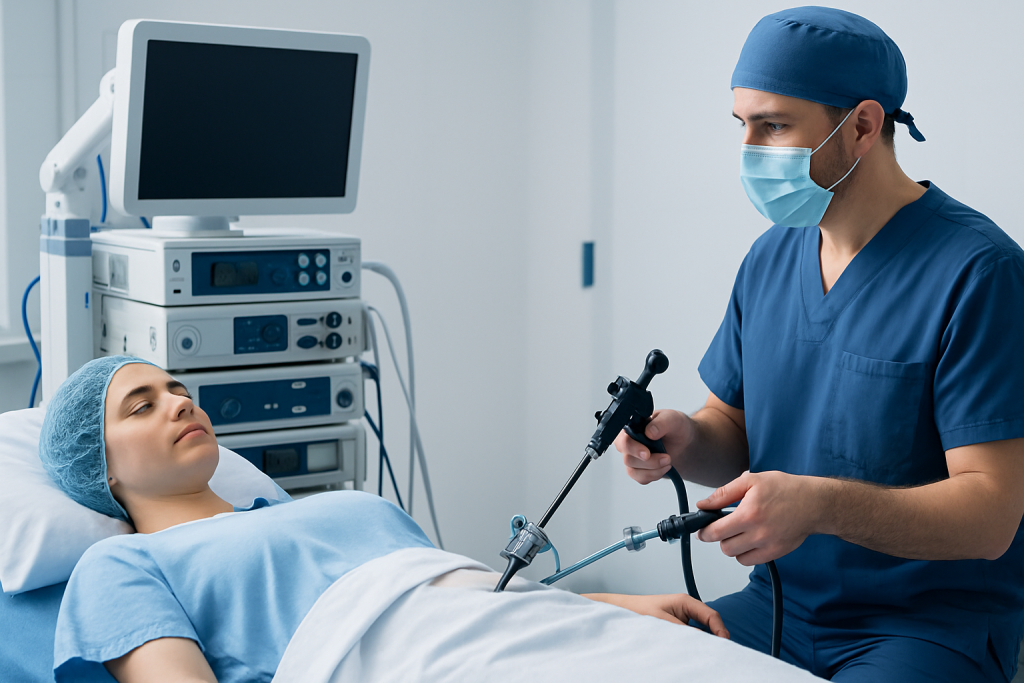
In many hospitals, the operation is performed laparoscopically, using small incisions and a camera, though the exact technique depends on the reason for surgery and the patient’s anatomy. In some cases, it may be done as part of another pelvic or abdominal operation. The surgical team explains what the approach means for pain control, mobility after surgery, and the expected timeline for returning to routine activities.
Patients coming from abroad often benefit from a care pathway that includes pre-operative testing, imaging if needed, a review of medications, and a discharge plan that is easy to follow once they are back home. Good planning can make the experience feel more manageable and reduce uncertainty before travel and after recovery.
Symptoms and When It Is Considered
When bilateral salpingectomy is being considered to lower cancer risk, the conversation may be more nuanced. It is not a treatment for active cancer in most routine settings, but it can be part of a preventive strategy in some people already having gynecologic surgery. A physician will explain whether the patient’s personal and family history makes this option relevant.
Anyone with ongoing pelvic pain, unusual bleeding, fever, or sudden severe abdominal pain should seek medical assessment rather than assuming the tubes are the problem. Those symptoms can reflect a range of conditions that need evaluation before any elective surgery is planned.
Causes and Risk Factors
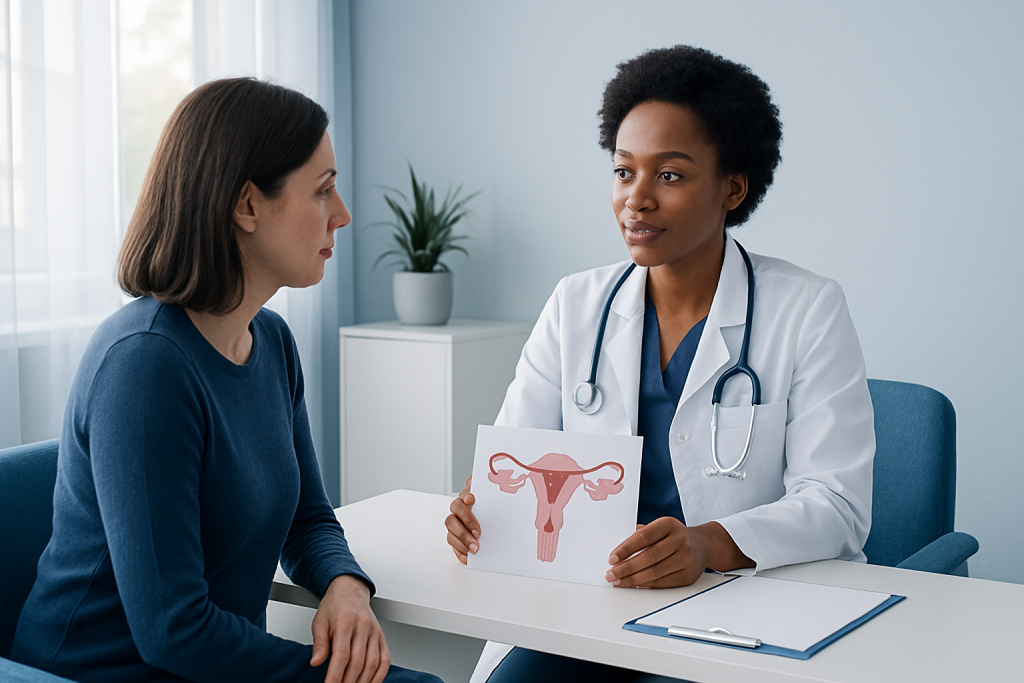
If the operation is being considered to help reduce ovarian cancer risk, a specialist will look at the whole picture: family history, genetic testing when appropriate, prior surgeries, and whether the patient is already planning another pelvic procedure. The benefit is not discussed in isolation, because prevention decisions work best when they are tied to the patient’s overall risk profile.
In short, the main “risk factor” for having bilateral salpingectomy is a medical or personal reason that makes removal of both tubes a sensible option. The conversation should always be individualized rather than automatic.
Diagnosis and Pre-operative Evaluation
For patients with fertility concerns, this stage is especially important. Because bilateral salpingectomy is permanent, the clinician should confirm that the patient understands the implications for future natural pregnancy. If fertility preservation is desired, other pathways should be discussed before surgery is scheduled.
Questions about anesthesia, hospital stay, and whether the procedure is outpatient or inpatient are also part of the evaluation. The exact answer depends on the surgical approach, the patient’s health, and whether the salpingectomy is combined with another operation.
Treatment Options
For patients seeking preventive surgery, the treatment discussion may include why tube removal is being considered rather than tube blocking. Some specialists view salpingectomy as a more complete form of tubal sterilization because the tubes are removed rather than left in place. That said, the best option depends on the patient’s goals, surgical history, and medical background.
When care is coordinated at a center that treats Myomectomy Recovery for International Patients: The Usual Travel Timeline" class="ahp-ilk">international patients, communication is especially important. Acibadem Health Point notes that its multidisciplinary specialists and JCI-accredited hospitals diagnose and treat this condition for international patients, with attention to clear planning before surgery and appropriate follow-up afterward.
Prevention and Self-care
Emotional self-care matters too. Because the procedure is permanent, some people feel a sense of reassurance while others need time to adjust to the permanence of the decision. That response is normal, and it is reasonable to ask for additional counseling or another medical conversation if the patient feels uncertain after the initial consultation.
When a support person is available, recovery is often easier. Help with meals, transportation, and reminders about medication or follow-up appointments can be especially useful in the first week after surgery.
When to See a Doctor
Anyone considering bilateral salpingectomy should feel comfortable asking how the operation fits with other options, including reversible contraception or fertility-preserving plans. A thorough gynecologic consultation is the right place to discuss risks, benefits, and whether the procedure can be combined with another needed surgery.
If symptoms such as pelvic pain, irregular bleeding, or a history of ectopic pregnancy are part of the reason for the consultation, the patient should not delay evaluation. Early assessment helps the clinician identify the real cause and choose the most appropriate treatment path.
Frequently asked questions
What is the main purpose of bilateral salpingectomy?
The most common purpose is permanent contraception. It may also be used to treat tubal disease or as part of a preventive strategy in selected patients who are already having gynecologic surgery.
Is bilateral salpingectomy the same as tubal ligation?
No. Tubal ligation blocks or seals the tubes, while bilateral salpingectomy removes them. Both are intended to prevent pregnancy permanently, but they are different operations.
Can a person get pregnant after bilateral salpingectomy?
Natural pregnancy is not expected after both fallopian tubes are removed. Because the procedure is permanent, it should only be chosen after careful discussion of future fertility goals.
How is recovery usually like after the surgery?
Recovery depends on whether the procedure was laparoscopic or done during another operation. Many patients have temporary pain, fatigue, and activity limits for a short period, and the surgeon gives specific instructions for healing.
Does bilateral salpingectomy affect hormones or menopause?
Removing the fallopian tubes does not remove the ovaries, so it usually does not directly change hormone production or cause menopause. The ovaries generally continue to function unless they are treated for another reason at the same time.
When should a patient get urgent medical help after surgery?
Urgent review is important for fever, worsening pain, heavy bleeding, shortness of breath, vomiting that does not settle, or incision problems such as redness or drainage. These symptoms should be checked promptly by a clinician.
References
- American College of Obstetricians and Gynecologists
- World Health Organization
- National Cancer Institute
- Mayo Clinic
- NHS
This article is for general information only and is not a substitute for professional medical advice. Please consult a qualified doctor about your individual situation.
More from the Health Library



Related Specialists

Prof. Dr. A. Taner Usta
Gynecology & Obstetrics
Prof. Dr. Ahmet Tayyar
Gynecology & Obstetrics
Prof. Dr. Ahmet Cem Batukan
Gynecology & Obstetrics
Dr. Sevgi Selen
Gynecology & Obstetrics