

Baker’s Cyst: Symptoms, Causes and Treatment

Key Takeaways
- A Baker's cyst forms behind the knee when joint fluid collects in a small sac.
- It is often linked to arthritis, meniscal tears, or other knee conditions that irritate the joint.
- Symptoms may include tightness, swelling, stiffness, or discomfort behind the knee, especially when bending or extending the leg.
- Diagnosis usually involves a physical exam and imaging such as ultrasound or MRI when needed.
- Treatment focuses on easing symptoms and addressing the underlying knee problem, not only the cyst itself.
Medically reviewed by the Acıbadem clinical team — August 19, 2026
A Baker's cyst is a fluid-filled swelling behind the knee that often reflects an underlying knee problem rather than a disease on its own. Most cases are managed with an accurate diagnosis, symptom relief, and treatment of the knee condition that is driving the fluid buildup.
Overview
A Baker’s cyst is a pocket of joint fluid that bulges behind the knee. It is sometimes called a popliteal cyst because of its location in the back of the knee joint. For many people, it is more of a sign that the knee is irritated than a separate illness on its own.
The swelling can appear gradually or be noticed after activity, a twist, or a flare-up of an existing knee problem. Some cysts are small and barely felt, while others create a sense of fullness or pressure when the knee is straightened. In international patients, it is common to want a clear answer quickly: is the lump dangerous, and does it need treatment before travel, work, or rehabilitation can continue? In most cases, a Baker’s cyst is not harmful by itself, but it deserves proper evaluation so the underlying cause is not missed.
Because the cyst is connected to the knee joint, treatment is usually aimed at what is happening inside the knee. That may mean calming inflammation, improving movement, or treating a meniscus injury or arthritis. When the knee settles, the cyst often becomes smaller as well.
Symptoms
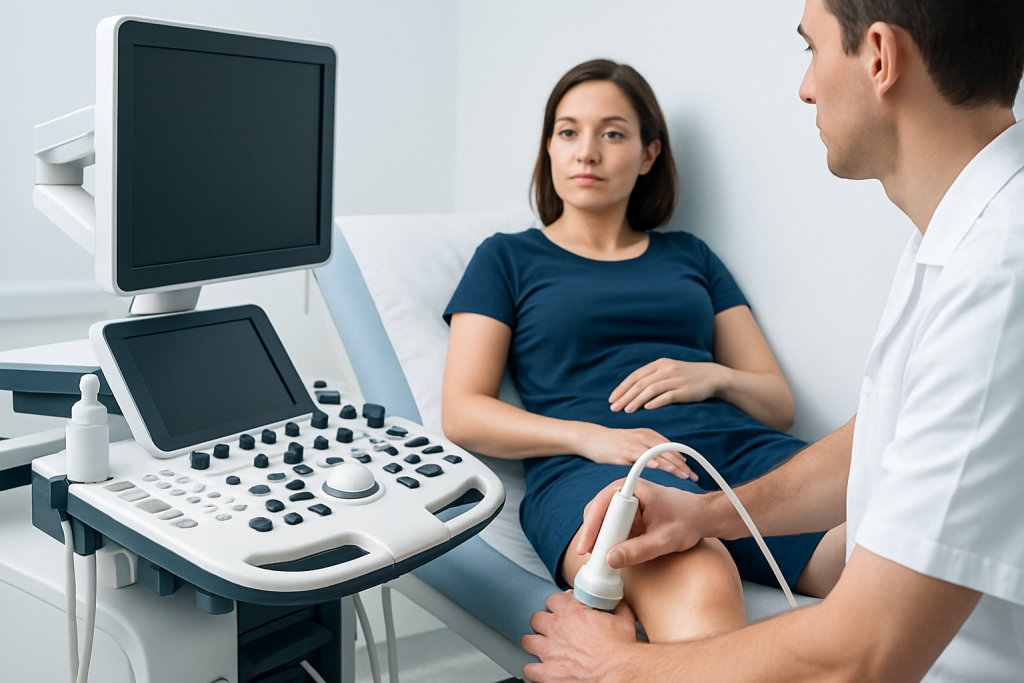
The most common sign is a soft or firm swelling behind the knee. Some people notice it when kneeling, climbing stairs, or trying to fully straighten the leg. Others become aware of a feeling of tightness, pressure, or mild aching that can spread into the calf if the cyst is large.
Symptoms may be more noticeable after prolonged standing, exercise, or an activity that stresses the knee. In some cases, the cyst limits bending or straightening, making the joint feel stiff rather than clearly painful. A cyst may also change in size from day to day, which can be confusing if a person is trying to judge whether it is getting worse.
It is helpful to remember that the symptoms often come from both the cyst and the knee condition behind it. Pain, swelling, or catching inside the joint can point to arthritis, cartilage wear, or a meniscal tear, all of which may coexist with the cyst.
- Visible or felt swelling behind the knee
- Tightness when extending the leg
- Mild to moderate knee discomfort
- Stiffness or reduced range of motion
- Occasional calf fullness if the cyst is large
Causes & Risk Factors
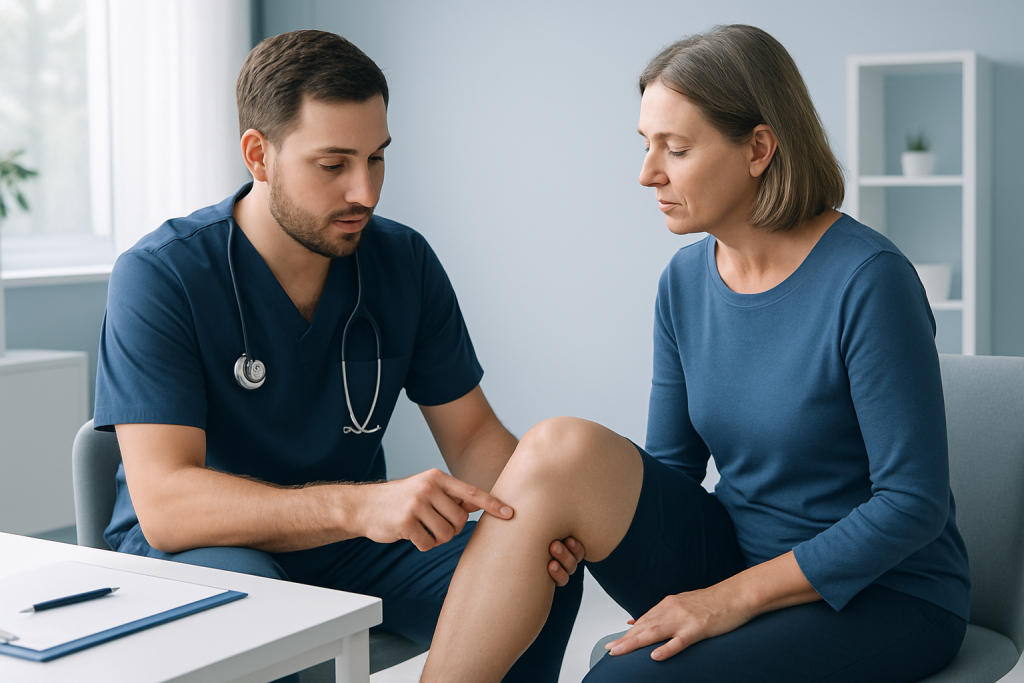
A Baker’s cyst usually forms when the knee makes extra joint fluid in response to irritation. The fluid can move into a small sac behind the knee, creating a bulge. This is why the cyst is often linked to another knee problem rather than appearing out of nowhere.
Common causes include osteoarthritis, rheumatoid arthritis, meniscal tears, and injuries that inflame the knee lining. In children, a Baker’s cyst may appear without a major underlying condition, but in adults there is often a clear joint issue to look for. Repeated kneeling, high-impact sport, or any problem that keeps the knee inflamed may contribute.
Risk factors are less about a person’s general health and more about the knee itself. Older age, prior knee injury, chronic arthritis, and activities that repeatedly stress the joint can all raise the chance of developing one. For patients planning care across borders, this is where a complete orthopedic review matters: the cyst should be seen in the context of the whole knee, not as a stand-alone lump.
- Osteoarthritis or inflammatory arthritis
- Meniscus damage or cartilage injury
- Previous knee trauma
- Persistent knee swelling or fluid buildup
- High levels of knee joint stress over time
Diagnosis
Diagnosis often begins with a careful examination of the knee and a discussion of symptoms, activity history, and any previous injuries. A clinician may feel the back of the knee to assess the size and softness of the swelling and to look for signs that the problem is coming from inside the joint.
Imaging can help confirm the diagnosis and check for the cause. Ultrasound is commonly used because it can show a fluid-filled cyst clearly and is comfortable and quick. MRI may be recommended if the doctor wants a closer look at the meniscus, cartilage, ligaments, or other structures inside the knee.
In some situations, other conditions must be ruled out, especially if the swelling is unusual, painful, or associated with calf symptoms. A thoughtful assessment matters because not every lump behind the knee is a Baker’s cyst. For people traveling for treatment, this diagnostic step can shape the whole plan, including whether conservative care is enough or whether a knee repair is more appropriate.
Treatment Options
Treatment depends on symptoms, the size of the cyst, and the cause inside the knee. If the cyst is small and not very bothersome, doctors may recommend observation along with measures to reduce irritation. When pain or stiffness becomes more noticeable, the focus shifts to symptom control and treating the underlying joint problem.
Conservative care often includes rest from aggravating activity, ice, gentle movement, and supportive measures such as compression if advised. Physical therapy may help maintain flexibility and strengthen the muscles that support the knee. If inflammation is part of the picture, a doctor may consider anti-inflammatory treatment or a joint injection in selected cases.
In some patients, fluid is drained from the knee or the cyst under imaging guidance, especially when symptoms are significant. However, drainage alone does not always prevent the cyst from returning if the knee continues to produce extra fluid. Surgery is usually reserved for select cases, such as persistent symptoms, a structural knee problem that needs repair, or recurrent cysts that do not improve with simpler measures.
Because the underlying joint issue is often the real driver, treatment plans are best individualized. A person returning home after treatment may also need a rehabilitation plan and follow-up imaging or examinations to make sure the knee continues to settle.
- Activity modification and temporary rest
- Ice and compression for swelling relief
- Physical therapy and knee strengthening
- Treatment of arthritis or meniscal injury
- Fluid drainage in selected cases
- Surgery only when clearly indicated
Prevention & Self-care
Not every Baker’s cyst can be prevented, especially when arthritis or a previous injury is involved. Still, protecting the knee from repeated irritation can reduce the chance of fluid building up again. The most practical self-care is often aimed at keeping the joint calm and moving well.
Gentle, consistent exercise is usually better than prolonged rest. Low-impact activities such as walking on even ground, cycling, or guided strengthening may help maintain function without overloading the knee. It is also wise to avoid sudden increases in training or long periods of kneeling if those activities clearly trigger swelling.
For people managing a chronic knee condition, following the treatment plan matters. Weight management, good footwear, posture awareness, and physical therapy exercises can all support the knee over time. If travel is involved, it is sensible to plan ahead for mobility needs, compression garments if recommended, and follow-up appointments after returning home.
- Use the knee gently and avoid repeated overstrain
- Follow prescribed exercises from a physiotherapist
- Address arthritis or other knee conditions early
- Choose low-impact movement when possible
- Seek review if swelling keeps returning
When to See a Doctor
A medical review is appropriate when a swelling behind the knee appears for the first time, becomes larger, or is associated with pain, stiffness, or reduced movement. This is especially important if the person has a history of knee arthritis, a Knee Pain Relief: Causes and Treatment" class="ahp-ilk">Pain Relief" class="ahp-ilk">sports injury, or a recent twist or fall.
Prompt assessment is also sensible if the calf becomes very swollen, warm, red, or tender, because symptoms in that area can sometimes overlap with other conditions that need urgent attention. While a Baker’s cyst itself is often benign, doctors still need to confirm that the swelling is what it appears to be and not something else.
For international patients, a specialist evaluation can help answer three practical questions at once: what the swelling is, what is causing it, and how to manage recovery safely after travel. Acibadem Health Point’s multidisciplinary specialists and JCI-accredited hospitals diagnose and treat this condition for international patients with coordinated orthopedic care.
Living With a Baker's Cyst
Many people live comfortably with a Baker’s cyst once the knee problem behind it is identified and managed. The cyst may shrink on its own, remain stable, or come and go depending on how inflamed the joint is. The goal is not only to reduce the swelling but also to restore comfortable knee movement and confidence in daily activities.
Follow-up is useful when symptoms do not settle as expected or when a person has more than one knee issue at the same time. A careful long-term plan can make a major difference, especially for people who are balancing treatment with work, family commitments, or travel. In that sense, the cyst is often a useful signal: it encourages attention to the knee before a small problem becomes a larger one.
With the right evaluation and a realistic treatment plan, most patients can manage the condition without alarm. The most important step is to look beyond the lump and understand the knee that created it.
Frequently asked questions
Is a Baker's cyst dangerous?
Most Baker's cysts are not dangerous by themselves. The main concern is the knee condition that caused the extra fluid, which may need treatment.
Can a Baker's cyst go away on its own?
Yes, some cysts shrink when the knee irritation improves. If the underlying joint problem remains active, the cyst may return or persist.
Do all Baker's cysts need surgery?
No. Many improve with conservative care, physical therapy, and treatment of the cause. Surgery is usually considered only when symptoms continue or a structural knee problem needs repair.
How is a Baker's cyst different from a blood clot?
A Baker's cyst is a fluid-filled swelling behind the knee, while a blood clot is a vascular problem that can be more urgent. Because symptoms can overlap, a doctor should assess new calf swelling or pain.
Can exercise make a Baker's cyst worse?
High-impact or repetitive stress may aggravate symptoms in some people. Gentle, guided movement is usually preferred, especially when paired with treatment for the underlying knee condition.
What should someone bring if they are traveling for treatment?
It helps to bring any prior imaging, medical reports, medication lists, and a summary of past knee injuries or arthritis care. This makes it easier for the team to plan treatment and follow-up safely.
References
- American Academy of Orthopaedic Surgeons
- Mayo Clinic
- NHS
- Cleveland Clinic
- Merck Manual Professional Edition
This article is for general information only and is not a substitute for professional medical advice. Please consult a qualified doctor about your individual situation.
Joint and spine care in Turkey — expert assessment & treatment
JCI-accredited · board-certified surgeons · reply within 24h
Add us as a Preferred Source to see more of our trusted health content across Google Search, AI Overviews and Discover.
More from the Health Library



Related Specialists

Prof. Dr. Ahmet Alanay
Orthopedic Surgery & Traumatology
Dr. Sinan Aksu
Orthopedic Surgery & Traumatology
Dr. Sirri Baştürk
Orthopedic Surgery & Traumatology
Prof. Dr. Korhan Özkan
Orthopedic Surgery & Traumatology