

Back Muscles: Anatomy and Function
Key Takeaways
- Back muscles help the spine stay upright, flexible, and protected during movement.
- Pain can come from strain, poor posture, overuse, disc problems, or other spine conditions.
- Most muscle-related back pain improves with rest, gentle movement, and guided care.
- A doctor should assess pain that is severe, persistent, recurrent, or linked to numbness or weakness.
- Strengthening the core and using good movement habits can reduce future strain.
Medically reviewed by the Acıbadem clinical team — August 19, 2026
Back muscles support posture, movement, and spine stability, so even small injuries can affect daily comfort. Understanding how they work helps people recognize common problems early and choose safer ways to recover.
Overview
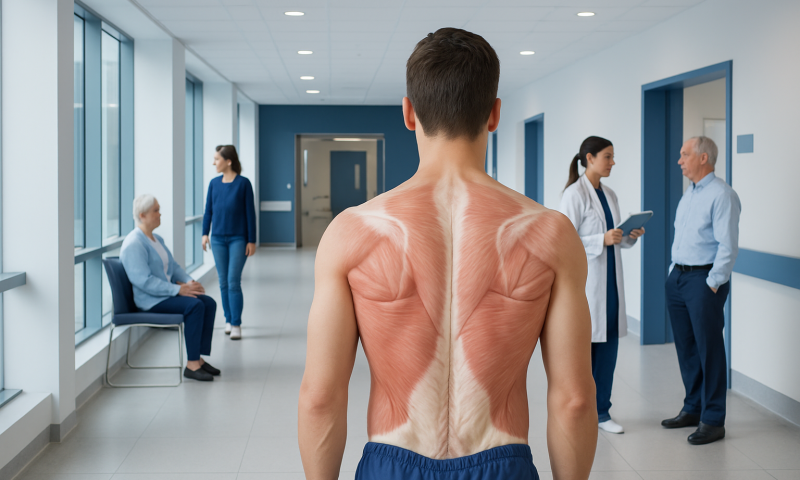
Back muscles do more than move the trunk. They help hold the body upright, steady the spine during walking and lifting, and fine-tune every twist, bend, and reach. When they are working well, people usually do not notice them at all; when they are irritated or injured, even ordinary tasks such as getting out of bed or turning in a car seat can feel difficult.
The back contains layers of muscles with different jobs. Some are close to the spine and help maintain posture, while others connect the spine to the shoulders, ribs, and pelvis and create larger movements. Because these muscles work as a team with the bones, joints, discs, ligaments, and nerves of the spine, discomfort in the back may come from more than one source. That is why a careful history and physical examination matter when pain does not settle as expected.
For people seeking care from another country, back symptoms can be especially disruptive. Long flights, luggage handling, and unfamiliar sleeping arrangements may make a mild problem feel worse. A clear diagnosis helps patients decide whether simple recovery measures are enough or whether imaging, rehabilitation, or specialist review is appropriate before travel plans continue.
Symptoms
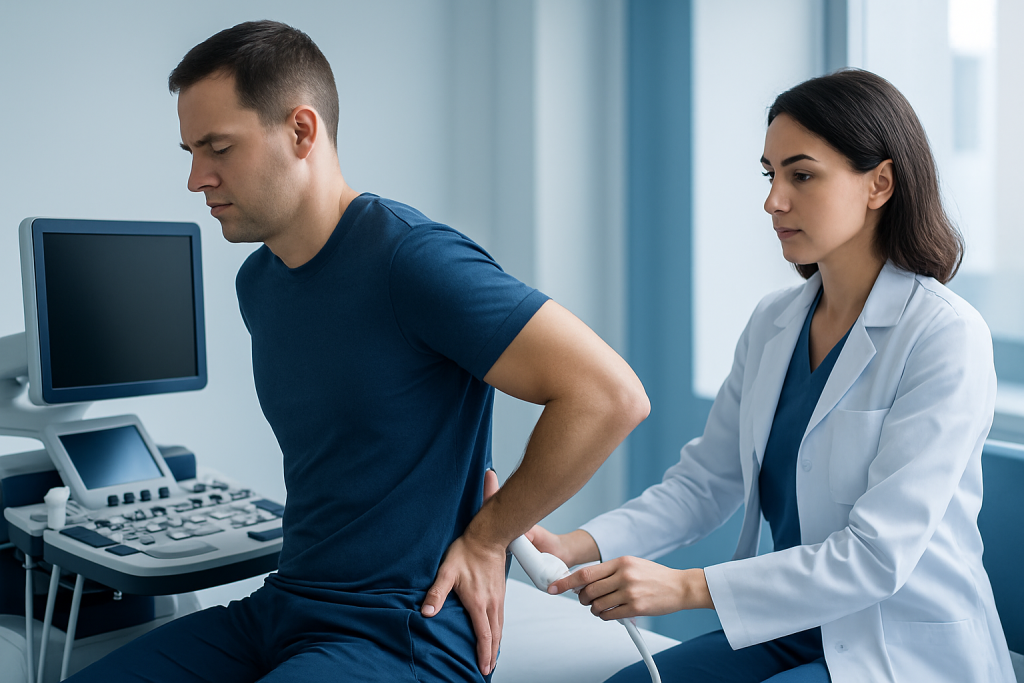
Back muscle problems often feel like a dull ache, tightness, or stiffness that worsens with movement and eases with rest. Some people notice a pulling sensation during bending, twisting, or lifting, while others feel that the back is “locked” or hard to straighten after sitting for a long time.
Muscle-related pain may stay in one area or spread across a wider band in the upper, middle, or lower back. Tenderness when pressing on the muscles, muscle spasm, and reduced flexibility are common features. If the muscles are guarding an irritated joint or disc, pain may appear more suddenly after a reach, turn, or lift.
Not all back pain is muscular. Symptoms that suggest nerve involvement may include pain shooting into the leg or arm, numbness, tingling, or weakness. Fever, unexplained weight loss, trouble controlling the bladder or bowel, or pain after a fall or major injury need prompt medical assessment because they can point to a more serious cause.
Causes & Risk Factors

Back muscles can be strained when they are asked to do more than they are ready for. Common triggers include lifting with a rounded back, sudden twisting, carrying heavy bags, repetitive work, and returning too quickly to exercise after a period of inactivity. Even a long day of poor posture at a desk can overload muscles that are not conditioned for it.
Some people are more likely to develop back muscle pain because of lifestyle or physical factors. Weak core support, low activity, tight hamstrings or hip muscles, excess body weight, and smoking can all make the back work harder. Stress also plays a role: tense muscles often become more sensitive when sleep is poor or when daily strain builds up over time.
Age can add another layer of vulnerability, not because muscles stop functioning, but because discs, joints, and tendons may change with time and shift stress onto surrounding tissues. In international patients, long travel schedules, unfamiliar beds, or carrying luggage through airports can be a practical risk factor for flare-ups, especially if a previous back issue is already present.
Diagnosis
Diagnosis usually starts with a detailed conversation about when the pain began, what makes it better or worse, and whether it followed a specific movement or injury. The clinician will often ask about daily activities, exercise habits, work demands, sleep, and any symptoms such as numbness, weakness, fever, or pain into the legs.
A physical examination helps identify which movements are painful and whether the muscles are tight, tender, or in spasm. The doctor may check posture, walking pattern, flexibility, reflexes, and strength to see whether the problem appears to be muscle-related or whether nerves may also be involved. In many cases, this is enough to guide treatment.
Imaging tests are not always necessary for simple back muscle pain. They may be considered when symptoms are severe, persistent, recurrent, or associated with warning signs. X-rays, MRI, or other studies can help rule out fractures, disc problems, infection, or other structural causes when the exam suggests a broader issue.
Treatment Options
Treatment depends on the cause and severity of the pain, but most muscle-related back discomfort improves with a combination of rest from aggravating movements and gradual return to activity. Short periods of reduced strain are often more helpful than prolonged bed rest, which can make muscles stiffer and weaker.
Doctors may recommend physical therapy to restore mobility, improve posture, and rebuild strength in the back, abdomen, hips, and gluteal muscles. Guided exercises are often a central part of recovery because stronger support muscles reduce strain on the spine. Heat, cold, and safe movement strategies may also help people feel more comfortable during healing.
Depending on the situation, a clinician may suggest medication to ease pain or reduce inflammation, always based on individual needs and medical history. If symptoms are linked to a herniated disc, spinal narrowing, or another structural condition, treatment may need to address that underlying problem as well. Surgery is not usually needed for simple muscle strain, but specialist review is important when pain does not improve or when nerve symptoms appear.
Prevention & Self-care
Healthy back muscles respond well to regular use. Activities that strengthen the core, hips, and legs help distribute load more evenly, so the back is not doing all the work during daily movement. Walking, swimming, gentle resistance training, and supervised exercise programs can all support long-term spine health.
Small habits often make a large difference. People are usually advised to lift close to the body, avoid sudden twisting while carrying weight, and change positions often during long sitting periods. An ergonomic chair, a properly adjusted screen, and short movement breaks can reduce the strain that builds quietly during desk work or travel.
For international patients planning treatment or recovery abroad, it is sensible to build the journey around the back, not against it. Choosing luggage with wheels, asking for help with heavy bags, standing up periodically during long trips, and following the care team’s advice about activity limits can make recovery smoother. Sleep, hydration, and pacing are also useful parts of self-care because tired muscles are less resilient to overload.
When to See a Doctor
Medical evaluation is appropriate when back pain lasts longer than expected, keeps returning, or interferes with work, sleep, or daily movement. It is also wise to seek care if the pain began after a fall, accident, or forceful lift, since injuries are sometimes more complex than they first seem.
Immediate or urgent attention is important if pain is accompanied by leg weakness, numbness in the groin area, loss of bladder or bowel control, fever, chest pain, shortness of breath, or significant unexplained weight loss. These symptoms do not always mean a severe problem, but they should be assessed promptly.
For people considering specialist care outside their home country, a coordinated plan can be reassuring. Acibadem Health Point’s multidisciplinary specialists and JCI-accredited hospitals diagnose and treat back-related conditions for international patients, helping them move from assessment to recovery with clear follow-up guidance.
Frequently asked questions
What do back muscles actually do?
Back muscles stabilize the spine, support posture, and create movement in the trunk, shoulders, and hips. They also help protect the spine by sharing load with the core and pelvic muscles during lifting and bending.
How can someone tell if back pain is muscular?
Muscle pain is often described as tight, sore, or stiff and may worsen with certain movements or after overuse. Tenderness to touch and muscle spasm are common, but a clinician is needed to rule out nerve or spine-related causes if symptoms are intense or persistent.
Should someone rest completely if a back muscle is strained?
Usually, complete bed rest is not recommended for long periods. Gentle movement and a gradual return to normal activity are often better, provided they do not worsen pain and the person follows medical advice.
Can posture really affect back muscles?
Yes, prolonged poor posture can make certain muscles work harder and become painful or fatigued. Frequent position changes, ergonomic support, and strengthening exercises can reduce that strain over time.
When is imaging needed for back pain?
Imaging is not always needed for straightforward muscle strain. It is more likely to be useful when pain is severe, does not improve, keeps returning, or comes with warning signs such as weakness, numbness, fever, or a significant injury.
What exercises are best for keeping back muscles healthy?
A balanced routine that includes walking, core strengthening, and flexibility work is often helpful. The safest plan depends on the person’s condition, so a doctor or physical therapist can recommend exercises that match their needs.
References
- World Health Organization
- National Institute of Arthritis and Musculoskeletal and Skin Diseases
- American Academy of Orthopaedic Surgeons
- NHS
- Mayo Clinic
This article is for general information only and is not a substitute for professional medical advice. Please consult a qualified doctor about your individual situation.
Joint and spine care in Turkey — expert assessment & treatment
JCI-accredited · board-certified surgeons · reply within 24h
Add us as a Preferred Source to see more of our trusted health content across Google Search, AI Overviews and Discover.
More from the Health Library



Related Specialists

Prof. Dr. Ahmet Alanay
Orthopedic Surgery & Traumatology
Dr. Sinan Aksu
Orthopedic Surgery & Traumatology
Dr. Sirri Baştürk
Orthopedic Surgery & Traumatology
Prof. Dr. Korhan Özkan
Orthopedic Surgery & Traumatology