

Avulsion: Symptoms, Causes and Treatment

Key Takeaways
- Avulsion can affect skin, soft tissue, tendons, ligaments, bones, or teeth.
- Symptoms often include sudden pain, bleeding, swelling, visible tissue displacement, or loss of function.
- Diagnosis may require a physical exam and imaging such as X-rays or other scans.
- Treatment ranges from wound care and immobilization to surgery, depending on the injury.
- Fast medical assessment is especially important for avulsed teeth, open wounds, and suspected fractures.
Medically reviewed by the Acıbadem clinical team — August 19, 2026
Avulsion refers to an injury in which a structure is forcibly pulled away from its normal attachment, such as a tendon, ligament, skin flap, or tooth. Care depends on the location and severity, but prompt evaluation helps protect healing and reduce complications.
Overview
In medical language, an avulsion means that a part of the body has been pulled away from where it normally attaches. That may involve skin, a fragment of bone, a tendon, a ligament, muscle, or even a tooth. The word sounds technical, but the idea is straightforward: a strong force has created a tearing injury rather than a simple bruise or cut.
Avulsion injuries happen in many settings, from sports and falls to road traffic accidents and workplace injuries. Some are minor and heal with local care, while others need urgent treatment because they expose deeper tissue, disturb joint stability, or separate bone fragments from their normal position. The right response depends on what has been avulsed and how much surrounding tissue has been affected.
For international patients, an avulsion can be especially disruptive because it may occur while traveling, far from a familiar clinic or dentist. In that situation, the most useful step is to seek prompt assessment, keep the injured area protected, and avoid trying to force a torn structure back into place without medical guidance.
Symptoms
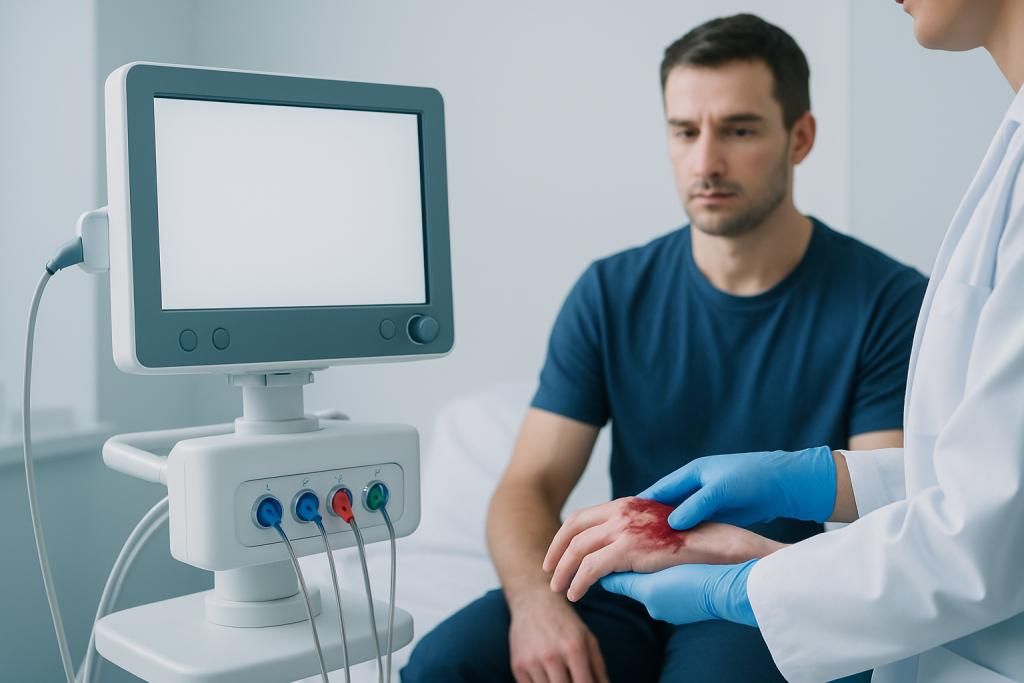
The symptoms of avulsion vary widely, but they usually appear suddenly and are easy to notice. Pain at the site is common, especially when the injury involves a tendon, ligament, or bone. Swelling, bleeding, bruising, and difficulty moving the affected part often follow soon after.
Skin avulsion may look like a flap of skin that has been lifted, partially detached, or completely torn away. Tendon or ligament avulsion may cause weakness, instability, or an inability to bear weight or use the joint normally. If a tooth is avulsed, the tooth may be missing entirely, and the socket may bleed.
- Sudden pain or tenderness
- Bleeding or an open wound
- Swelling and bruising
- Reduced strength or range of motion
- Visible separation of tissue or bone
- Missing or displaced tooth after trauma
Some symptoms are subtle at first, especially when the injury is deep or the person is focused on the immediate shock of the event. A careful examination matters because a seemingly small wound may hide a larger tear or an underlying fracture.
Causes & Risk Factors

Avulsion usually happens when a strong pulling force acts on a body part. In sports, a sudden sprint, jump, collision, or twist can pull a tendon or ligament away from bone. In everyday life, slipping on a wet surface or catching a hand, foot, or tooth on a hard object can also create the same type of injury.
Common causes include falls, motor vehicle accidents, contact sports, heavy lifting, and machinery-related injuries. Facial trauma is a frequent reason for tooth avulsion, while high-force twisting injuries are more likely to affect ankles, knees, shoulders, fingers, or hips. Skin avulsion is often seen when the skin is dragged or caught against a rough surface.
Risk is higher in people who participate in high-impact sports, perform physically demanding work, or have reduced balance, weakened bones, or prior joint injuries. Children and older adults may also be more vulnerable because of activity patterns, bone health, or slower protective reactions during a fall.
It is helpful to remember that avulsion is not a single disease but a pattern of injury. The same word can describe different clinical problems, so doctors focus on the location, depth, and associated damage before recommending treatment.
Diagnosis
Diagnosis begins with a detailed history and physical examination. A clinician will want to know how the injury happened, where the pain is located, whether any tissue was visibly pulled away, and whether movement or sensation has changed. These details help identify whether the injury is likely to involve skin, soft tissue, a joint, or a tooth.
Imaging is often important when bone, joint, or deep soft tissue involvement is suspected. X-rays can show avulsion fractures, where a small piece of bone has been pulled off by a tendon or ligament. In some situations, ultrasound, CT, or MRI may be used to better define the extent of soft tissue damage or confirm whether surgery is needed.
Dental avulsion is usually diagnosed by the absence of a tooth after trauma and a careful check for the socket, surrounding teeth, and jaw injury. In all forms of avulsion, the goal is not only to identify the visible wound but also to understand what may have been injured beneath it.
Treatment Options
Treatment is guided by the type of avulsion and how severe it is. Minor skin avulsions may be cleaned, covered, and allowed to heal with careful wound care. Larger or contaminated wounds may require stitching, debridement, skin repair, or plastic surgical assessment to reduce infection risk and support healing.
When a tendon, ligament, or bone is involved, treatment may include rest, splinting, immobilization, pain control, and physical rehabilitation. Some avulsion fractures can heal without surgery if the fragment is small and the joint remains stable. Others need operative repair to restore alignment, attach the torn structure, or stabilize the bone.
Tooth avulsion is treated urgently because time matters for the tooth and the surrounding tissues. A dentist may consider reimplantation if conditions are appropriate and the tooth can be handled correctly before arrival. Even when reimplantation is not possible, prompt dental care helps manage pain, preserve the socket, and plan for long-term replacement options.
In more complex injuries, treatment may involve several specialists working together, such as orthopedics, plastic surgery, dentistry, and rehabilitation teams. This multidisciplinary approach is often valuable for international patients who need coordinated care from diagnosis through follow-up, especially when travel plans and recovery timing must be balanced carefully.
Prevention & Self-care
Not every avulsion can be prevented, but many risk factors can be reduced. Protective gear, such as helmets, mouthguards, wrist guards, or sport-specific padding, can lower the chance of severe injury. Safe movement techniques, proper training, and maintaining good strength and balance are also important, especially for athletes and physically active adults.
At home or on the road, simple precautions help too. Good lighting, non-slip footwear, and attention to hazards such as loose carpets, wet floors, and unstable surfaces can reduce fall-related injuries. In workplaces with machinery or heavy tools, following safety procedures and using the correct protective equipment are essential.
For self-care after a minor avulsion, keeping the wound clean and covered is usually the first step. The injured area should be protected from further traction or pressure, and any instructions from the treating clinician should be followed closely. People should avoid removing embedded material on their own, and they should not ignore signs of worsening pain, swelling, redness, or drainage.
If a tooth is avulsed, the best immediate step is to contact a dental professional right away and handle the tooth carefully. Even when traveling, a nearby emergency clinic or dental service can advise on the safest next steps until definitive treatment is available.
When to See a Doctor
Medical care should be sought promptly when the avulsion involves a tooth, a deep wound, a suspected fracture, or any injury that limits movement or function. Open wounds that are bleeding heavily, contaminated, or associated with numbness also need timely evaluation. A clinician can check whether deeper structures are involved and whether urgent repair is needed.
It is also wise to see a doctor if the skin appears pale, dusky, or poorly perfused, if a flap of tissue is still attached but looks unhealthy, or if pain is increasing rather than improving. Signs of infection, such as spreading redness, fever, warmth, pus, or worsening swelling, should not be ignored.
For travelers, it is sensible to seek care sooner rather than later because wound closure, imaging, tetanus assessment, and specialist review may be time-sensitive. Acibadem Health Point’s multidisciplinary specialists and JCI-accredited hospitals diagnose and treat avulsion injuries for international patients, with coordinated support when more than one type of expertise is needed.
Even after the initial treatment, follow-up matters. Healing can change over days and weeks, and rehabilitation or dental review may be necessary to restore function and monitor for complications.
Recovery and Follow-up
Recovery time depends on the size and location of the avulsion, the type of treatment, and the person’s overall health. Simple skin injuries may heal over a short period with local wound care, while tendon, ligament, and bone injuries often need a longer recovery and structured rehabilitation. Tooth-related injuries may also require follow-up visits to monitor the surrounding tissues and replacement plan.
During recovery, the main goals are to protect the repaired area, reduce swelling, and restore normal movement gradually. Patients may be asked to limit activity, wear a splint or support, or attend physiotherapy. Following the treatment plan closely helps the injured tissue heal in a stable, predictable way.
Patients should keep an eye out for changes that suggest a problem, such as increased pain, drainage, fever, numbness, or loss of function. If recovery is taking longer than expected, a follow-up visit can help determine whether the issue is part of normal healing or whether the plan needs adjustment.
For those returning home after Herniated Disc Treatment Abroad: Injection, Rehab, or Surgery?" class="ahp-ilk">treatment abroad, clear discharge instructions and a local follow-up arrangement are especially helpful. A well-documented treatment summary makes it easier for the next clinician, dentist, or rehabilitation specialist to continue care without interruption.
Complications
Complications depend on the severity of the avulsion and how quickly treatment begins. Infection is a concern for open wounds, especially if the tissue was contaminated or if the injury was not cleaned thoroughly. Delayed healing, scarring, and reduced mobility can also occur, particularly when deep layers are involved.
In tendon, ligament, or avulsion fracture injuries, possible complications include persistent weakness, joint instability, chronic pain, or incomplete return of function. Tooth avulsion can lead to loss of the tooth if it cannot be saved, as well as changes in bite or alignment over time. These outcomes are not inevitable, but they are reasons why timely treatment is important.
Most complications are best addressed early, when the injury is first assessed and the treatment plan is being formed. That is one reason doctors usually emphasize evaluation rather than waiting to see whether the injury settles on its own.
Frequently asked questions
What does avulsion mean in medicine?
Avulsion means that a body part has been torn away from its normal attachment by force. It can involve skin, soft tissue, bone, or a tooth. The exact treatment depends on where the injury happened and how severe it is.
Is an avulsion always an emergency?
Not always, but many avulsion injuries need prompt medical assessment. Tooth avulsion, deep bleeding wounds, and suspected fractures should be treated quickly. Even smaller injuries can become more complicated if they are contaminated or involve hidden damage.
How is a tooth avulsion handled?
A dentist should be contacted immediately because time can affect the chances of saving the tooth. The tooth should be handled gently and the person should get urgent dental care as soon as possible. If reimplantation is not possible, the dentist can still manage the socket and plan next steps.
Can an avulsion fracture heal without surgery?
Some avulsion fractures can heal with rest, immobilization, and follow-up care if the fragment is small and the joint remains stable. Others require surgery, especially when the joint is unstable, the fragment is displaced, or function is affected. Imaging and examination help determine the best plan.
What should someone do first after a skin avulsion?
The area should be protected, and any bleeding should be addressed with gentle pressure if appropriate. The wound should then be cleaned and assessed by a medical professional, especially if it is deep, dirty, or painful. Avoid pulling on the tissue or trying to trim it without guidance.
How long does recovery take after avulsion?
Recovery time varies widely because avulsion is a description of injury, not one single condition. A minor skin injury may heal relatively quickly, while tendon, bone, or dental injuries can take much longer and may need rehabilitation or follow-up procedures. The treating clinician can give a more accurate timeline after evaluation.
References
- World Health Organization
- American Academy of Orthopaedic Surgeons
- Mayo Clinic
- American Dental Association
- National Health Service
This article is for general information only and is not a substitute for professional medical advice. Please consult a qualified doctor about your individual situation.
Joint and spine care in Turkey — expert assessment & treatment
JCI-accredited · board-certified surgeons · reply within 24h
Add us as a Preferred Source to see more of our trusted health content across Google Search, AI Overviews and Discover.
More from the Health Library



Related Specialists
Prof. Dr. Ahmet Alanay
Orthopedic Surgery & Traumatology
Dr. Sinan Aksu
Orthopedic Surgery & Traumatology
Dr. Sirri Baştürk
Orthopedic Surgery & Traumatology
Prof. Dr. Korhan Özkan
Orthopedic Surgery & Traumatology