Are Same-Day Teeth Right for You? The Decision Questions That Matter

Key Takeaways
- Same-day teeth can shorten the time between surgery and having a usable smile, but they still require careful planning.
- Good candidates usually have enough bone support, manageable gum health, and realistic expectations about healing.
- Medical conditions, smoking, and uncontrolled oral infection can affect whether immediate placement is appropriate.
- A consultation should cover imaging, bite assessment, and the patient’s travel and follow-up plans if care is being sought from another country.
- Long-term success depends on home care, professional maintenance, and attending follow-up visits.
- If pain, swelling, loosening, or persistent bleeding develops after treatment, a dentist should be contacted promptly.
Medically reviewed by the Acıbadem clinical team — June 13, 2026
Same-day teeth can restore appearance and function quickly, but they are not the right choice for every mouth or every treatment plan. The best decision depends on bone health, gum condition, bite forces, overall health, and the patient’s goals for healing and long-term stability.
Overview
Same-day teeth refers to dental treatment in which implants, a fixed bridge, or a temporary set of teeth are placed soon after surgery rather than after a long healing period. For many patients, the appeal is clear: leaving the clinic with teeth that look and function better right away can make a major emotional and practical difference.
That said, “same-day” does not mean “for everyone.” The mouth still needs the right foundation, and the treatment plan must be tailored to the patient’s bone, gums, bite, and overall health. In international care settings, this usually involves several steps in a short time frame: consultation, 3D imaging, discussion of travel logistics, surgery, and a careful plan for review before the patient returns home.
The decision is less about speed alone and more about whether immediate treatment can be done safely and predictably. A good candidate is not simply someone who wants quicker results, but someone whose oral condition and healing profile support that approach.
What “Same-Day Teeth” Can Mean
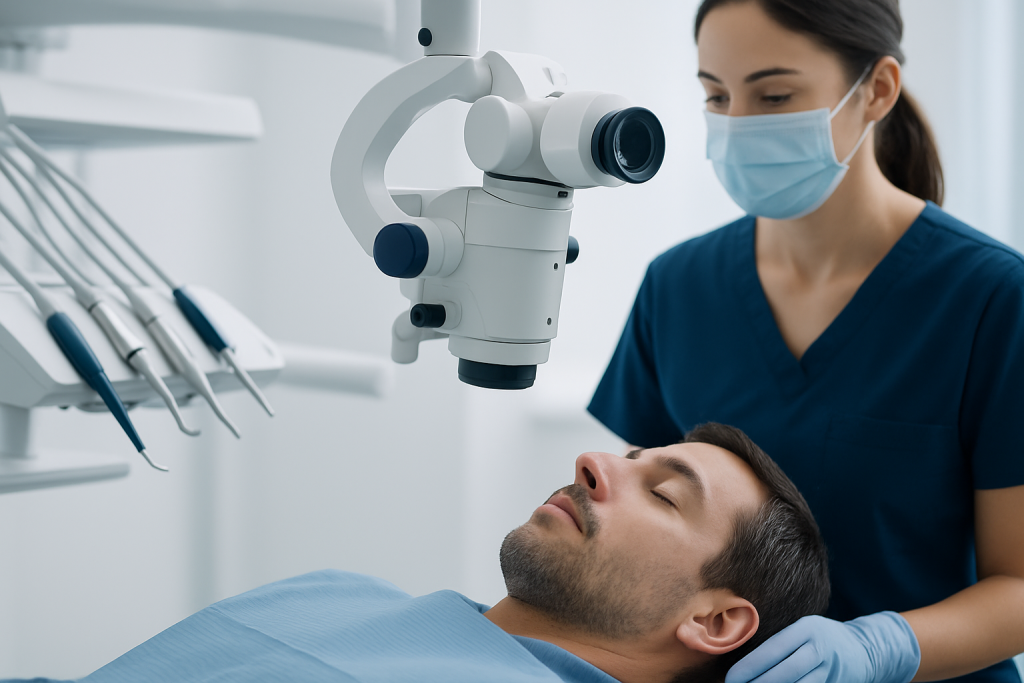
The phrase is used for more than one treatment pathway, which is why it deserves clarification before any decision is made. Some patients receive dental implants with temporary teeth attached on the same day. Others may receive a full-arch temporary bridge supported by implants while the implants heal underneath. In some cases, a damaged tooth is removed and replaced with an immediate provisional restoration.
Because the term can cover several different procedures, the exact mechanics matter. A patient should ask whether the teeth being placed are temporary or final, whether the implants are being loaded immediately, and what kind of follow-up is required before the final restoration is made.
This is especially important for travelers. A treatment plan that sounds simple in conversation may still require later adjustments, impression visits, or a second phase of restorative work after the patient has returned home. Clear explanation up front helps prevent misunderstandings and supports safer planning.
Signs a Patient May Be a Good Candidate

Several features often support a same-day approach. Enough jawbone is needed to stabilize the implants, and the surrounding gums should be healthy enough to heal well. The bite also matters: if the replacement teeth would be exposed to heavy forces too soon, the risk of complications rises.
General health plays a role as well. People whose chronic conditions are well controlled often have more predictable healing than those with poorly managed diabetes, immune problems, or habits that slow recovery. Non-smokers, or patients willing to stop smoking around the time of surgery, may also have better outcomes.
- Adequate bone volume and density on imaging
- Healthy or treatable gum tissue
- Good overall oral hygiene
- Controlled medical conditions
- Realistic expectations about temporary teeth and healing time
Even when several of these elements are present, the clinician still needs to confirm that immediate placement is technically stable. The question is not only whether the patient wants same-day teeth, but whether the mouth can support them from the start.
When Same-Day Teeth May Not Be the Best Choice
Some mouths are better served by staged treatment. If there is active infection, severe bone loss, uncontrolled periodontal disease, or very poor implant stability at the time of surgery, delaying the final load may offer a safer path. In those situations, the teeth may still be restored, but the timeline changes.
Bruxism, or heavy clenching and grinding, can also complicate immediate loading. Strong repetitive forces may place extra stress on the implants before the bone has had time to integrate. Similarly, patients who cannot commit to soft-food instructions, oral hygiene routines, or planned follow-up may do better with a more conservative approach.
For some international patients, the main issue is not biology alone but logistics. If the home country is very far away and no reliable local follow-up is available, the care team may recommend a plan that is easier to monitor safely, or arrange a schedule that includes a longer stay and a clearer review timeline before travel home.
Key Questions to Ask at the Consultation
A thoughtful consultation should feel like a conversation, not a sales pitch. The patient should understand why same-day treatment is being considered, what must go right for it to succeed, and what alternatives exist if the mouth is not ready.
Helpful questions include whether the proposed teeth are temporary or final, how many implants are planned, what imaging was used to evaluate bone, and how the bite will be protected during healing. It is also reasonable to ask what happens if one implant does not achieve enough stability for immediate loading.
- What makes me a candidate for immediate treatment?
- Is the plan temporary, final, or staged?
- What are the main risks in my case?
- How long should I stay before flying home?
- What symptoms after surgery are expected, and which are not?
Patients traveling internationally should also ask how records, prescriptions, and follow-up communication will be handled after departure. A reliable team will explain the next steps clearly and make it easy to know who to contact if something feels unusual later.
Diagnosis and Treatment Planning
Good planning starts before any tooth is placed. Dentists usually review the patient’s dental history, examine the gums and bite, and use imaging such as panoramic X-rays or 3D scans to evaluate bone structure and nearby anatomy. These details help determine whether immediate placement is feasible and where the implants can be positioned for stability.
The team may also look at the patient’s medical history, medications, smoking status, and previous dental work. If there is infection or inflammation, that may need to be treated first. A carefully sequenced plan often produces more predictable results than trying to speed through a mouth that is not ready.
For full-mouth cases, planning can be especially detailed. The dentist may test how the jaw closes, design a temporary bridge, and decide whether the final teeth will be screw-retained or cemented. The more complex the case, the more important it is that the plan be customized rather than rushed.
Treatment Options and What Recovery Usually Involves
Same-day teeth may involve one implant, several implants, or a full-arch solution. In many cases, the patient leaves with a temporary restoration that improves appearance and basic function while the implants heal. The final teeth are usually made later, after the bone has had time to integrate and the soft tissues have settled.
Recovery often includes swelling, soreness, and dietary changes for a short period. Soft foods are commonly recommended, and the patient may need to avoid chewing directly on the temporary teeth. Oral hygiene instructions are important because the tissues around the surgical sites must stay clean without being irritated.
Follow-up visits are part of the treatment itself, not an optional extra. The clinician checks healing, bite contact, and the stability of the restorations. If the patient is traveling, the schedule should be realistic enough to include at least one in-person review before return travel when appropriate.
Prevention, Maintenance, and Long-Term Self-Care
The best way to protect same-day teeth is to treat them as a medical restoration that needs ongoing care. Daily brushing, cleaning around implants or bridges, and regular professional maintenance help reduce the risk of inflammation around the supporting structures. Even a beautifully made restoration can fail to perform well if plaque is allowed to accumulate.
Patients should also protect the new teeth from unnecessary force while healing. That may mean following a soft diet, avoiding hard or sticky foods, and wearing a night guard if recommended. Stopping tobacco use is one of the most meaningful ways to support healing and long-term success.
For international patients, self-care includes practical planning. Knowing where to get local dental follow-up at home, carrying treatment records, and understanding the signs that need prompt attention can make the transition back smoother. A well-organized plan reduces uncertainty after the journey is over.
When to See a Doctor
After same-day dental treatment, mild discomfort and swelling are common, but certain changes should be reviewed by a dentist. Increasing pain after the first few days, persistent bleeding, a loose restoration, or a bite that suddenly feels very different may signal a problem that needs attention.
Patients should also contact the dental team if they develop fever, foul taste or odor, worsening swelling, or difficulty opening the mouth. These symptoms do not always mean something serious, but they do deserve prompt assessment so the team can decide whether the site is healing normally.
If treatment was completed abroad, the patient should not wait passively if something feels off. The best next step is to contact the treating clinic, share photos if requested, and arrange local care if immediate examination is needed. Acibadem Health Point’s multidisciplinary specialists and JCI-accredited hospitals diagnose and treat this condition for international patients, with follow-up planning designed to support safe continuity of care.
Frequently asked questions
What are same-day teeth?
Same-day teeth are restorations placed soon after dental implant surgery or tooth removal, often with a temporary set of teeth provided immediately. The goal is to improve appearance and function without waiting months for the full restoration. The final teeth are usually completed later, after healing has progressed.
Am I automatically a candidate if I want faster results?
No. Eligibility depends on bone support, gum health, bite forces, and overall medical factors. A dentist needs to confirm that the implants can be stable enough for immediate use.
Are same-day teeth permanent?
The implants may be designed for long-term use, but the first teeth placed on the day of surgery are often temporary. Final teeth are typically made later once healing is complete and the bite can be refined. This staged approach helps improve comfort and durability.
Is same-day treatment safe for people with diabetes?
It can be, if diabetes is well controlled and the dentist feels healing is likely to be predictable. Uncontrolled blood sugar can increase the risk of infection and delayed healing. The medical history should always be reviewed carefully before treatment.
How long does recovery take after same-day teeth?
<p>If there is sudden loosening, significant swelling, or ongoing bleeding, the patient should contact the dental team promptly. Early review can often prevent a small issue from becoming a bigger one. When in doubt, it is safer to ask than to wait.</p>
What should a traveler ask before leaving the clinic?
A traveler should ask about follow-up timing, emergency contact details, food restrictions, and whether the temporary teeth need protection during flight and after arrival home. It is also important to know what is normal in the first days and which symptoms should trigger immediate contact. Clear instructions reduce stress after returning to another country.
References
- American Dental Association
- American Academy of Implant Dentistry
- European Association for Osseointegration
- National Institute of Dental and Craniofacial Research
- Mayo Clinic
This article is for general information only and is not a substitute for professional medical advice. Please consult a qualified doctor about your individual situation.