Apical Pulse

Key Takeaways
- The apical pulse is measured with a stethoscope over the chest, not by feeling the wrist.
- It is especially useful when the pulse seems irregular or when a more precise heart rate is needed.
- A pulse that is too fast, too slow, or irregular may need medical review, depending on the person’s symptoms and health history.
- Measurement is simple, but correct technique matters for an accurate result.
- People with chest pain, fainting, shortness of breath, or new palpitations should seek medical advice promptly.
The apical pulse is the heartbeat heard and counted at the apex of the heart, usually on the left chest. It can provide a clearer picture of heart rhythm and rate than a pulse felt at the wrist in certain situations.
Overview
The apical pulse is the heartbeat heard at the tip, or apex, of the heart, usually in the left side of the chest. A clinician listens there with a stethoscope and counts the beats, which gives a direct way to assess how the heart is functioning in that moment.
This measurement is part of a basic cardiovascular check, but it is not the same as checking the pulse at the wrist or neck. In some situations, especially when the pulse feels irregular or difficult to count, the apical pulse can offer a more reliable heart rate.
For many people, the topic becomes relevant during a routine exam, after a new symptom such as palpitations, or before and after certain medicines that can influence heart rhythm. For international patients arranging care from another country, it may also come up during pre-travel evaluation, hospital admission, or follow-up after treatment.
Symptoms and What an Abnormal Apical Pulse May Suggest
The apical pulse itself does not usually cause symptoms, but it reflects what the heart is doing. A normal finding is typically a steady rhythm that matches the person’s expected heart rate for their age and situation, such as rest, fever, pain, anxiety, or exercise recovery.
An abnormal apical pulse may be fast, slow, or irregular. These findings do not point to one single diagnosis, but they can sometimes suggest dehydration, infection, medication effects, thyroid problems, anemia, heart rhythm disorders, or other cardiovascular conditions.
People may notice related symptoms such as:
- Fluttering or pounding in the chest
- Dizziness or lightheadedness
- Shortness of breath
- Fatigue
- Chest discomfort
- Fainting or near-fainting
Some people with an abnormal apical pulse feel completely well. That is one reason a careful clinical assessment matters: the pulse reading is only one part of the full picture.
Causes and Risk Factors

Changes in apical pulse rate or rhythm can have many causes. Temporary factors are common and may include emotional stress, caffeine, nicotine, fever, pain, recent physical activity, or poor sleep. These influences can speed up the heart without indicating a serious problem.
Other causes are more medically significant. Heart rhythm disorders, heart failure, valve disease, electrolyte imbalances, lung problems, endocrine disorders such as hyperthyroidism, and certain medications can all affect the apical pulse. In older adults or people with known cardiac disease, a new change deserves closer attention.
Risk is higher in people who already have heart disease, high blood pressure, diabetes, thyroid disease, or a history of fainting or arrhythmia. Risks can also rise during illness, after surgery, or when a treatment plan includes drugs known to influence heart rate. For traveling patients, it is especially important to bring a current medication list and recent test results so the receiving team can interpret pulse findings in context.
Diagnosis and How the Apical Pulse Is Measured
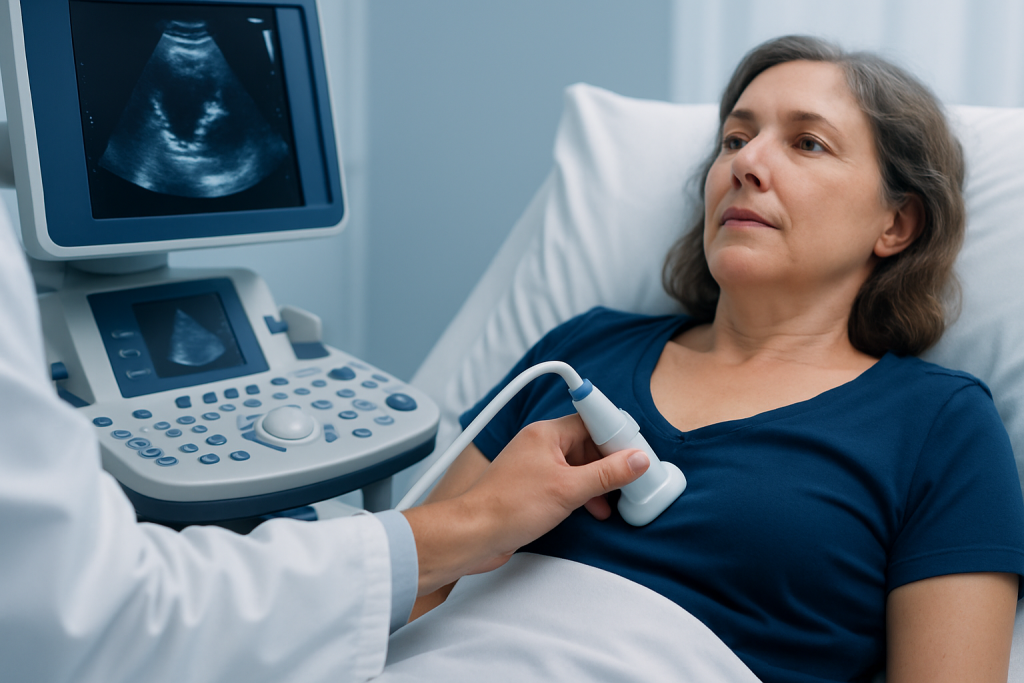
Measuring the apical pulse is a straightforward bedside skill, but accuracy depends on positioning, timing, and technique. A clinician places the stethoscope over the chest, usually near the left fifth intercostal space at the midclavicular line, and listens for heart beats while counting them for a set period of time.
Because the apical pulse reflects actual heart contractions, it is particularly helpful when the wrist pulse may not match the heart rate, such as in atrial fibrillation or other irregular rhythms. In some cases, the apical pulse is compared with the radial pulse to see whether the two are the same. If they differ, the difference is called a pulse deficit.
Additional testing may be recommended depending on the finding and symptoms. This can include an electrocardiogram (ECG), blood tests, echocardiography, or rhythm monitoring. The goal is not just to record a number, but to understand why that number appears and whether it needs treatment.
Treatment Options
There is no treatment for an apical pulse measurement itself; care is directed at the underlying cause, if one is found. A normal reading usually requires no intervention beyond routine monitoring. If the pulse is affected by a temporary issue such as fever, dehydration, or pain, addressing that problem may be enough.
When an arrhythmia or other heart condition is present, treatment may involve medication, lifestyle changes, or procedures chosen by a cardiologist. In some cases, the plan includes reviewing current medicines, adjusting stimulants, correcting electrolyte problems, or managing related conditions such as thyroid disease or high blood pressure.
For international patients, treatment planning may need to balance speed, travel timing, and follow-up logistics. A clear written record of the diagnosis, test results, and medication plan can make continuing care at home much easier. Multidisciplinary specialists and JCI-accredited hospitals, such as those at Acibadem Health Point, can help diagnose and treat this condition for international patients.
Prevention and Self-care
There is no guaranteed way to prevent every change in heart rate, but healthy habits can support steady cardiovascular function. Regular movement, good sleep, adequate hydration, and limiting excess caffeine or nicotine may help some people avoid unnecessary pulse fluctuations.
Self-care also includes knowing personal baseline numbers. People who have a history of rhythm problems, thyroid disease, or other chronic conditions may benefit from learning what is typical for them and when a change should be reported. Keeping a medication list up to date is useful, especially before travel or a specialist visit.
Simple habits can make home monitoring more meaningful:
- Measure at rest, after sitting quietly for a few minutes
- Use the same time of day when possible
- Record symptoms along with the number
- Bring a log of readings to appointments
- Seek guidance before changing heart or blood pressure medicines
For people arranging care across borders, carrying prior ECGs, clinic notes, and a summary of symptoms can shorten the time needed to understand the clinical history.
When to See a Doctor
A clinician should evaluate a new apical pulse change if it is persistent, unexplained, or different from a known baseline. This is especially important when the change is accompanied by palpitations, fatigue, reduced exercise tolerance, or concern about medication side effects.
Urgent medical attention is appropriate for chest pain, shortness of breath, fainting, severe dizziness, confusion, or a very abnormal pulse with feeling unwell. Even when symptoms are mild, a prompt review may be wise if the person has a known heart condition or if the pulse irregularity is new.
In a planned care setting, a cardiology evaluation may include pulse assessment, ECG testing, and follow-up recommendations that can be shared with the patient’s local doctor. That continuity is especially valuable for international patients who may be returning home soon after treatment.
Living With a Pulse Finding That Needs Follow-up
Being told that the apical pulse is abnormal can sound more serious than it sometimes is. In practice, it is often a starting point for a careful conversation, not a final diagnosis. Many causes are manageable once identified, and some need only observation and routine reassessment.
The most helpful next step is usually to understand the pattern: when the change happens, what symptoms occur with it, which medicines are being taken, and whether there is any prior heart history. That information helps the clinician decide whether the finding is likely temporary or whether more detailed testing is needed.
With clear communication, the apical pulse becomes one small but useful piece of a broader heart-health picture. It can guide safe decisions during hospital care, clinic follow-up, and recovery after treatment, especially when care involves more than one country or one medical team.
Frequently asked questions
What is the apical pulse?
The apical pulse is the heartbeat heard with a stethoscope over the chest, near the apex of the heart. It provides a direct count of heartbeats and can be useful when the wrist pulse is irregular or hard to assess.
How is the apical pulse different from the radial pulse?
The radial pulse is felt at the wrist, while the apical pulse is listened to over the chest. They usually match, but if they do not, that difference can help a clinician identify an irregular rhythm or other issue.
Is a fast apical pulse always dangerous?
Not always. It can happen with exercise, fever, stress, pain, or dehydration, but it may also reflect a medical problem that needs evaluation. The meaning depends on the person’s overall health and symptoms.
Can someone measure the apical pulse at home?
It is possible, but it requires a stethoscope and some practice to do accurately. Many people are better served by learning general pulse checks at home and asking a clinician to interpret any concerning changes.
What does an irregular apical pulse mean?
An irregular apical pulse means the heartbeats are not evenly spaced. It may be harmless in some situations, but it can also be a sign of an arrhythmia, so it should be assessed by a healthcare professional.
When should medical advice be sought right away?
Urgent care is important if a pulse change comes with chest pain, fainting, severe dizziness, shortness of breath, or confusion. These symptoms need prompt assessment, especially in people with known heart disease.
References
- American Heart Association
- MedlinePlus
- Merck Manual Professional Edition
- National Heart, Lung, and Blood Institute
- Mayo Clinic
This article is for general information only and is not a substitute for professional medical advice. Please consult a qualified doctor about your individual situation.