Swollen Ankles

Key Takeaways
- Swollen ankles are often a sign of fluid buildup, also called edema.
- Common triggers include standing for long periods, injury, pregnancy, medications, and circulation problems.
- Sudden swelling, one-sided swelling, pain, redness, or shortness of breath should be checked promptly.
- Diagnosis usually involves a physical exam and, when needed, blood tests, urine tests, or imaging.
- Treatment depends on the cause and may include elevation, movement, compression, medicines, or treating an underlying condition.
Swollen ankles can happen for many reasons, from long periods of standing to heart, kidney, liver, or vein problems. Most cases are manageable once the cause is identified, and persistent or sudden swelling deserves medical assessment.
Overview
Swollen ankles are a common reason people notice that their legs feel heavy, shoes fit more tightly, or sock marks linger longer than usual. In simple terms, the swelling usually means extra fluid has collected in the tissues around the ankle. Health professionals often call this edema.
The good news is that ankle swelling is not a diagnosis by itself. It is a sign that can appear for many different reasons, some temporary and harmless, others linked to conditions that need medical attention. Understanding the pattern of the swelling — whether it is sudden or gradual, one-sided or both sides, painful or painless — helps narrow down the cause.
For people traveling for care, swollen ankles can feel inconvenient but still manageable during a medical trip if the cause is clear and the recovery plan is practical. A careful evaluation helps determine whether simple home measures are enough or whether the body is signaling a broader problem.
Symptoms
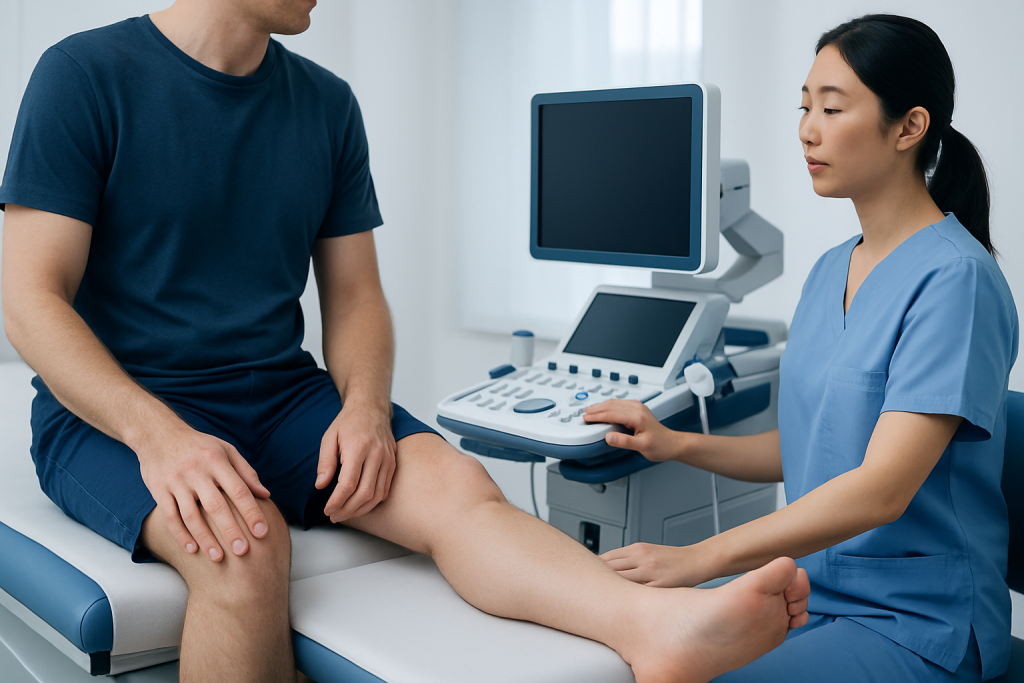
Swelling may be obvious or subtle. Some people only notice that their ankles puff up by evening, while others see that the skin looks stretched or shiny. The swelling may improve overnight, then return after standing, sitting, or flying for long periods.
Possible accompanying signs include tightness around the ankles, a feeling of heaviness, reduced ankle flexibility, or indentation in the skin after pressing a finger on it. If swelling is related to inflammation or injury, there may also be pain, warmth, bruising, or difficulty putting weight on the foot.
Certain symptoms suggest a more urgent cause and should not be ignored. These include swelling in only one leg, redness, tenderness, sudden onset, fever, chest discomfort, or shortness of breath. In these situations, medical review should not be delayed.
- Swelling in one ankle or both ankles
- Changes that worsen later in the day
- Skin tightness, shininess, or pitting
- Pain, redness, or warmth
- Breathing symptoms or chest symptoms
Causes & Risk Factors

Some of the most common causes are everyday and temporary. Long periods of standing or sitting, hot weather, salty meals, minor sprains, and pregnancy can all lead to ankle swelling. Travel itself, especially long-haul flights or extended car rides, can also encourage fluid pooling in the lower legs.
Other causes are related to circulation or organ function. Vein problems can make it harder for blood to return from the legs, leading to chronic swelling. Heart, kidney, or liver conditions can also contribute to fluid buildup, sometimes affecting both ankles and the lower legs.
Medications may play a role as well. Some blood pressure medicines, anti-inflammatory drugs, hormones, and diabetes medicines can cause swelling in susceptible people. Risk is higher in older adults, people with limited mobility, those with a history of vein disease, and anyone with a prior leg injury or surgery.
Common categories of causes include:
- Temporary fluid retention from standing, sitting, heat, or high salt intake
- Injury, sprain, fracture, or infection around the ankle
- Venous insufficiency or varicose veins
- Heart, kidney, or liver disease
- Medication side effects
- Pregnancy-related changes
Diagnosis
Diagnosis starts with a conversation about when the swelling began, whether it affects one ankle or both, and what makes it better or worse. A doctor will usually ask about recent travel, injuries, medications, pregnancy, medical history, and any symptoms involving breathing, chest pain, or reduced urine output.
A physical examination helps determine whether the swelling is soft and pitting, whether there are signs of inflammation, and whether blood flow is normal. The doctor may also check the heart, lungs, abdomen, and skin, because ankle swelling can sometimes reflect a problem elsewhere in the body.
Depending on the suspected cause, tests may include blood work, urine tests, ultrasound of the leg veins, X-rays if injury is possible, or heart-related testing. The goal is not to order every test for everyone, but to choose the right ones based on the pattern of swelling and the person’s overall health.
Treatment Options
Treatment depends on the reason the ankles are swollen. If the cause is temporary fluid pooling, simple measures may be enough. If the swelling is linked to a medical condition, the main priority is treating that underlying problem rather than focusing only on the ankles themselves.
Useful measures often include raising the legs above heart level when resting, taking short walking breaks after long sitting periods, and wearing compression stockings if a clinician recommends them. These steps help the body move fluid out of the lower legs more effectively. For people who travel frequently, regular movement during journeys can make a meaningful difference.
When swelling is due to heart, kidney, liver, or vein disease, treatment may involve medicines and longer-term follow-up. A doctor may also review current prescriptions to see whether a medication could be contributing. In cases of injury, rest, support, and rehabilitation may be part of the plan.
General treatment approaches may include:
- Elevation and regular movement
- Compression therapy, when appropriate
- Adjusting contributing medicines under medical supervision
- Treating infection, injury, or inflammation
- Managing chronic heart, kidney, liver, or vein conditions
Prevention & Self-care
Many people can reduce ankle swelling by building small habits into the day. Walking regularly, flexing the ankles during travel, and avoiding long uninterrupted periods of sitting or standing can help circulation. Mild swelling that appears after a busy day often improves with rest and leg elevation.
Dietary choices also matter. Some people notice less swelling when they reduce excess salt intake and stay well hydrated, especially in hot weather. Supportive footwear can improve comfort, and people with recurring swelling may benefit from discussing compression options with a clinician.
Self-care is most useful when it is matched to the cause. For example, swelling after a sprain needs protection and rehabilitation, while swelling from vein disease may need compression and mobility strategies. Repeated episodes should not be managed only with home remedies if the pattern is changing or becoming more frequent.
- Move the ankles and calves often, especially during travel
- Elevate the legs when resting
- Choose comfortable, supportive shoes
- Limit excess salt if advised
- Follow the plan given for any chronic condition
When to See a Doctor
Medical evaluation is a good idea when ankle swelling is new, persistent, recurrent, or not clearly explained by activity or heat. It is especially important if the swelling does not improve with rest, starts after a medication change, or gradually becomes more noticeable over time.
Prompt care is recommended if the swelling is one-sided, painful, red, warm, or associated with fever. Sudden swelling after a long trip can also need timely review. Breathing trouble, chest pain, fainting, or severe weakness should be treated as urgent symptoms.
For international patients, it is often helpful to bring a list of current medicines, recent test results, and details about the timing of symptoms. This can make the first consultation more efficient and support a smoother follow-up plan once the person returns home. Acibadem Health Point’s multidisciplinary specialists and JCI-accredited hospitals diagnose and treat swollen ankles for international patients with coordinated care.
Living With Recurrent Swelling
Some people experience ankle swelling on and off for months or years. In those cases, the focus shifts to recognizing patterns, preventing triggers, and monitoring for change. A symptom diary that notes time of day, activity level, travel, meals, and medication changes can be surprisingly useful during follow-up visits.
Recurrent swelling is often easier to manage when patients and clinicians work together on a practical plan. That plan may include compression use, activity goals, medication review, and periodic checks if there is an underlying chronic condition. The aim is steady control rather than short-term fixes alone.
If swelling begins to affect daily walking, sleep, or confidence in travel, it is worth discussing more carefully with a doctor. Even when the cause is not dangerous, persistent discomfort deserves attention because it can affect mobility and quality of life.
Frequently asked questions
Are swollen ankles always a sign of a serious illness?
No. Swollen ankles can happen after long standing, hot weather, travel, or minor injuries. However, swelling that is sudden, one-sided, painful, or linked to breathing symptoms should be evaluated promptly.
Why do my ankles swell more in the evening?
Fluid often collects in the lower legs during the day when a person is sitting or standing for long periods. Elevating the legs and moving regularly can help, but recurring swelling still deserves a medical review if it persists.
Can flying cause swollen ankles?
Yes, long flights or other long periods of sitting can cause temporary fluid pooling in the feet and ankles. Standing up, stretching, and walking when safe can help reduce this effect.
What tests are commonly used for swollen ankles?
A doctor may start with a physical examination and a review of symptoms, medicines, and medical history. Depending on the suspected cause, blood tests, urine tests, vein ultrasound, or heart-related tests may be recommended.
Should compression stockings be used for all ankle swelling?
Not necessarily. Compression can help in some causes of swelling, especially vein-related problems, but it is not suitable for every situation. A doctor should confirm whether compression is appropriate, particularly if circulation problems are suspected.
When is ankle swelling urgent?
Urgent assessment is needed if swelling appears suddenly, affects only one leg, or comes with pain, redness, warmth, chest pain, or shortness of breath. These symptoms can point to conditions that need rapid medical attention.
References
- World Health Organization
- National Health Service
- Mayo Clinic
- MedlinePlus
- American Heart Association
This article is for general information only and is not a substitute for professional medical advice. Please consult a qualified doctor about your individual situation.
More from the Health Library



Related Specialists

Assoc. Prof. Dr. Fatih Şimşek
Anesthesiology and Reanimation
Dr. Göker Utku Değer
Orthopedic Surgery & Traumatology
Dr. Gülçin Taşkın Ak
Internal Medicine
Prof. Dr. K. Fehmi Narter
Urology