

Anterior Pelvic Tilt: Symptoms, Causes and Treatment

Key Takeaways
- Anterior pelvic tilt is a posture pattern, not a diagnosis by itself, and it often develops gradually.
- It may be associated with low back discomfort, tight hip flexors, weak gluteal and abdominal muscles, or altered movement mechanics.
- Assessment usually includes a physical examination and review of posture, flexibility, strength, and symptoms.
- Treatment commonly focuses on exercise, stretching, movement retraining, and addressing daily habits that reinforce the posture.
- A clinician should evaluate persistent pain, numbness, weakness, or any concern that the posture is worsening or affecting function.
Medically reviewed by the Acıbadem clinical team — August 19, 2026
Anterior pelvic tilt is a common postural pattern in which the front of the pelvis tips forward and the lower back curves more than usual. It is often linked to muscle imbalance, movement habits, and sometimes pain or stiffness, but it can usually be improved with guided exercise and posture-focused care.
Overview
Anterior pelvic tilt describes a position in which the front of the pelvis rotates downward and forward, which can increase the arch in the lower back. Many people notice it when standing relaxed, looking at side-view photos, or feeling that their lower back “sways” more than expected.
It is important to understand that anterior pelvic tilt is usually a posture pattern rather than a disease. For some people, it is simply one variation of body alignment. For others, it can contribute to discomfort, inefficient movement, or recurring strain during sitting, walking, lifting, sport, or long workdays.
Because posture is influenced by muscle balance, joint mobility, habits, and sometimes injury history, the most useful approach is not to “force” the pelvis into one position. Instead, care usually focuses on how the hips, trunk, and lower back work together during everyday movement.
Symptoms and Everyday Signs
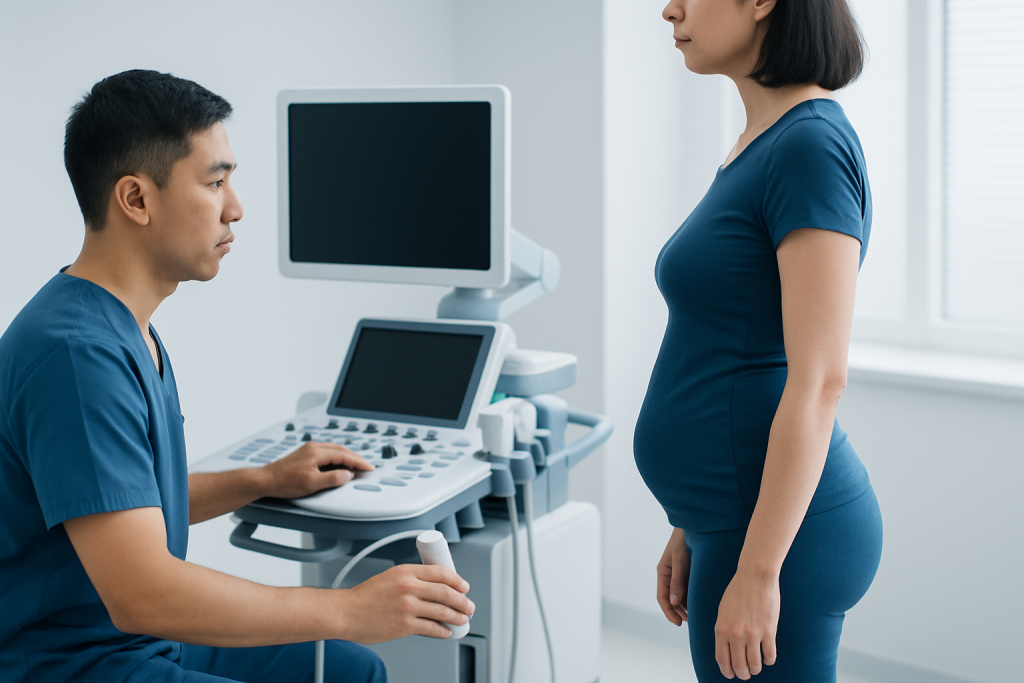
Some people with anterior pelvic tilt have no symptoms at all and only notice the posture in a mirror or photo. Others describe a mild, ongoing tightness in the lower back or a feeling that standing upright takes effort.
Common signs can include:
- A noticeable arch in the lower back
- Abdomen or buttocks that seem to protrude more in standing
- Tightness in the front of the hips or thighs
- Low back discomfort after prolonged standing or sitting
- Difficulty maintaining neutral posture during exercise
Symptoms can overlap with many other musculoskeletal issues, so posture alone does not explain every ache. If pain is sharp, persistent, one-sided, or associated with numbness, weakness, or changes in bladder or bowel control, it needs medical assessment rather than self-correction.
Causes and Risk Factors
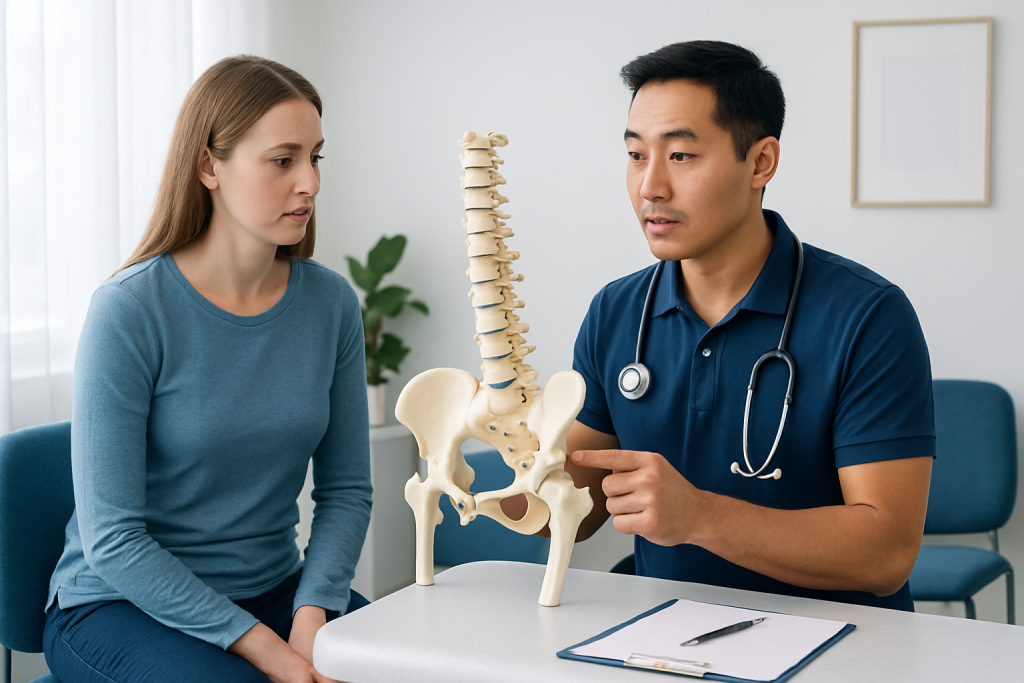
Anterior pelvic tilt often develops from a combination of habits and physical factors rather than a single cause. A common pattern is tightness in the hip flexors and lower back alongside weaker or less coordinated abdominal and gluteal muscles.
Several everyday factors may contribute. Long hours of sitting, limited variety in movement, frequent high-heeled footwear, repeated back-arching in sport or training, and poor recovery after an injury can all influence pelvic position. During pregnancy or after childbirth, changes in load, muscle support, and movement control may also affect alignment.
It can also appear more noticeable in people with certain body types, growth patterns, or athletic demands. Still, appearance alone does not show whether the posture is causing a problem; symptoms and function matter more than angle alone.
How It Is Diagnosed
Diagnosis usually begins with a conversation about symptoms, daily routines, exercise habits, previous injuries, and any changes in pain or mobility. A clinician may watch how the person stands, bends, walks, and lifts, since posture during movement often reveals more than a static image.
A physical examination may assess hip flexor length, hamstring flexibility, abdominal and gluteal strength, spinal mobility, and pelvic control. In some cases, the clinician may also check whether low back pain, hip irritation, or another condition is contributing to the posture.
Imaging is not always needed for anterior pelvic tilt. It may be considered if the symptoms suggest a different underlying problem, if pain is severe or unexplained, or if there are neurological signs. When an international patient seeks care, a clear first assessment can help determine whether treatment can begin with rehabilitation or whether additional testing is necessary before travel planning and follow-up are arranged.
Treatment Options
Treatment depends on whether the posture is simply a non-problematic alignment difference or part of a painful movement pattern. In many cases, the most effective plan combines stretching, strengthening, and movement retraining rather than relying on one exercise or one device.
Common rehabilitation strategies include:
- Stretching tight hip flexors and other shortened muscle groups
- Strengthening the glutes, deep abdominal muscles, and back stabilizers
- Practicing neutral pelvic control during standing, walking, squatting, and lifting
- Improving spinal and hip mobility when stiffness is present
- Adjusting exercise technique to reduce repeated over-arching of the lower back
Manual therapy, supervised physiotherapy, and gradual loading may be helpful when discomfort limits movement. Supportive measures such as activity modification or short-term Knee Pain Relief: Causes and Treatment" class="ahp-ilk">pain relief strategies may also be used, depending on the clinician’s advice. The goal is not to create a rigid “perfect posture,” but to restore comfortable, efficient movement that the person can maintain in daily life and during recovery.
Prevention and Self-Care
Self-care is most effective when it is practical and repeatable. Rather than holding a single posture all day, the body usually benefits from frequent changes in position, regular walking, and balanced strengthening across the hips and trunk.
Helpful habits may include taking movement breaks during long sitting periods, checking desk and chair setup, warming up before exercise, and avoiding overemphasis on lower-back arching during training. Exercises are best chosen by a physiotherapist or clinician who can match them to the person’s flexibility, strength, and pain pattern.
For people traveling for care, recovery planning matters as much as the treatment itself. A clear home program, realistic follow-up schedule, and guidance on when it is safe to resume work, sport, or long flights can make the next steps smoother. A multidisciplinary team can help coordinate these details, including at Acibadem Health Point, where specialists in JCI-accredited hospitals diagnose and treat musculoskeletal conditions for international patients.
When to See a Doctor
Medical evaluation is a good idea if anterior pelvic tilt is accompanied by persistent low back pain, hip pain, difficulty exercising, or a sense that movement is becoming more limited. It is also appropriate if self-care has not improved the problem after a reasonable period of consistent effort.
Prompt assessment is especially important if symptoms include numbness, tingling, leg weakness, balance changes, fever, unexplained weight loss, or changes in bladder or bowel control. These features suggest that the issue may be more than a postural imbalance.
For patients living abroad, it can help to seek a clinician who can provide a clear diagnosis, a staged rehabilitation plan, and follow-up instructions that are realistic once they return home. That approach helps avoid unnecessary testing while still making sure more serious causes are not missed.
Living With Anterior Pelvic Tilt
Many people improve once they stop thinking of posture as something to “hold” and start treating it as a movement skill. Progress is often gradual: the pelvis becomes easier to control, the lower back feels less overworked, and exercise becomes more comfortable.
Consistency matters more than intensity. Small changes repeated over time—better sitting breaks, targeted strengthening, and smarter lifting mechanics—usually have more value than trying to correct posture forcefully throughout the day.
When symptoms are persistent or the posture is affecting confidence, work, or sport, a rehabilitation-focused assessment can be reassuring. With the right plan, most people can learn to manage the pattern safely and return to normal activity with better control.
Frequently asked questions
Is anterior pelvic tilt always a problem?
No. Some people have this posture and never develop pain or functional limits. It becomes more relevant when it is associated with discomfort, reduced mobility, or repeated strain during daily activities or exercise.
Can exercises fix anterior pelvic tilt?
Exercises can often help improve the muscle balance and movement control linked to anterior pelvic tilt. The best results usually come from a combined plan that includes stretching, strengthening, and changes in movement habits.
Does anterior pelvic tilt cause low back pain?
It can contribute to low back discomfort in some people, especially when the lower back is doing too much work and the hips and core are not sharing the load well. However, not every person with this posture will have pain, and not every back pain problem is caused by pelvic tilt.
How long does correction take?
The timeline varies depending on flexibility, strength, symptoms, and consistency with rehabilitation. Many people notice gradual improvement over weeks to months rather than overnight change.
Should someone use a brace or posture corrector?
These tools may provide temporary reminders, but they do not usually address the underlying movement pattern on their own. A clinician can advise whether any support is appropriate and how to use it safely, if at all.
Is imaging needed for anterior pelvic tilt?
Not usually. A diagnosis is often made from history and physical examination, while imaging is reserved for situations where another condition is suspected or symptoms are atypical.
References
- American Academy of Orthopaedic Surgeons
- Mayo Clinic
- Cleveland Clinic
- National Institute of Arthritis and Musculoskeletal and Skin Diseases
- World Health Organization
This article is for general information only and is not a substitute for professional medical advice. Please consult a qualified doctor about your individual situation.
Joint and spine care in Turkey — expert assessment & treatment
JCI-accredited · board-certified surgeons · reply within 24h
Add us as a Preferred Source to see more of our trusted health content across Google Search, AI Overviews and Discover.
More from the Health Library



Related Specialists

Prof. Dr. Ahmet Alanay
Orthopedic Surgery & Traumatology
Dr. Sinan Aksu
Orthopedic Surgery & Traumatology
Dr. Sirri Baştürk
Orthopedic Surgery & Traumatology
Prof. Dr. Korhan Özkan
Orthopedic Surgery & Traumatology