

Anal Bleaching

Key Takeaways
- Anal bleaching is a cosmetic choice, not a medical necessity.
- The skin around the anus is delicate and can react strongly to irritants or chemical agents.
- Results depend on the cause of pigmentation, the method used, and how the skin heals.
- A qualified clinician should assess whether darkening is normal, friction-related, or linked to another skin condition.
- Aftercare and sun/friction avoidance habits matter if a person wants to reduce future irritation.
Anal bleaching is a cosmetic procedure used to lighten the skin around the anus for people who want a more even-looking tone. Because the area is sensitive, understanding safety, preparation, and aftercare is essential before choosing any treatment.
Overview
Anal bleaching refers to cosmetic treatments that aim to lighten the skin around the anus, usually the perianal area, to create a more uniform tone. People may seek it for personal appearance reasons, often after noticing darker pigmentation caused by friction, hormones, shaving, inflammation, or the skin’s natural pigment pattern.
Unlike many cosmetic procedures performed on more exposed skin, this treatment involves a highly sensitive area with a thinner barrier and a greater chance of irritation. That is why the decision should be based not only on desired appearance, but also on a clear understanding of safety, ingredients, and expected recovery.
For international patients considering treatment abroad, it is helpful to think beyond the procedure itself. A qualified medical team should explain whether the pigmentation is normal, whether there is an underlying condition that needs attention, and what kind of follow-up can be arranged once the patient returns home.
Symptoms and What People Usually Notice
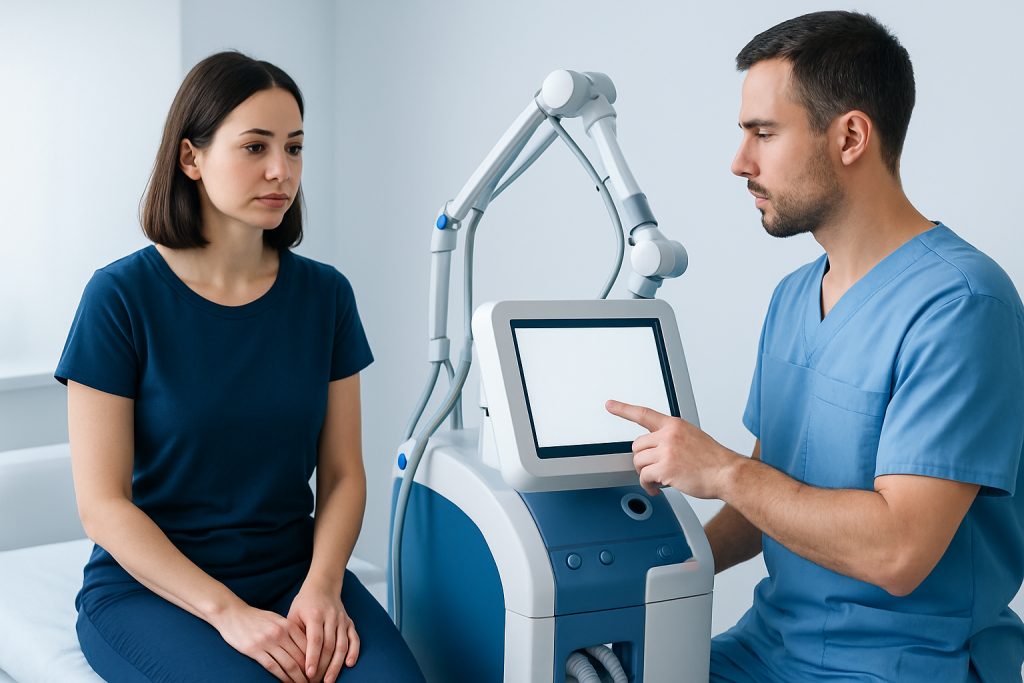
Anal bleaching is not done for symptoms in the medical sense; it is usually requested because of visible darkening of the skin around the anus. Some people notice the color difference only in certain lighting or while bathing, while others may feel self-conscious in intimate settings.
It is important to separate normal pigmentation from signs that something else may be happening. Darkening alone can be a common and harmless variation, but if it comes with itching, burning, rash, cracking, pain, bleeding, or discharge, the skin may be irritated or affected by another condition that should be evaluated first.
People commonly describe concerns such as:
- Uneven tone compared with nearby skin
- Darkening after repeated friction or shaving
- Post-inflammatory changes after rashes or hemorrhoid irritation
- Desire for a lighter, more consistent cosmetic appearance
Causes and Risk Factors

Perianal skin can darken for many ordinary reasons. Friction from tight clothing, frequent wiping, sweating, hair removal, and prolonged sitting may contribute over time. Some people also have naturally more pigment in this region, and that variation is not a sign of disease.
Inflammation is another common trigger. Eczema, contact dermatitis, fungal irritation, hemorrhoids, or repeated skin trauma can leave temporary or lasting pigmentation changes after the skin heals. Hormonal influences and skin tone genetics may also play a role, making the area darker regardless of hygiene habits.
Risk tends to be higher when someone uses harsh scrubs, unregulated creams, or DIY recipes. The anal region absorbs and reacts differently than the face or body, so products that seem mild elsewhere may still cause burns, irritation, or uneven results here.
Diagnosis and Pre-Treatment Assessment
Before any lightening procedure, a clinician should examine the skin and ask about symptoms, prior rashes, allergies, shaving habits, and medical history. This step is important because not every dark area should be treated as a cosmetic issue; sometimes the safest plan is to identify and manage inflammation first.
A careful assessment helps determine whether the pigmentation is likely to respond to treatment and whether any active condition is present. If there is dermatitis, infection, fissuring, or suspected skin disease, treatment may need to be delayed until the skin is calm and healed.
For patients traveling internationally, this consultation should also include a realistic discussion of where the procedure will be done, who will provide aftercare, and how concerns can be handled after returning home. A good plan includes clear instructions, written follow-up guidance, and a way to contact the team if irritation develops.
Treatment Options
Anal bleaching may involve topical lightening products, gentle chemical exfoliation, or in some settings, device-based cosmetic approaches. The safest choice depends on skin type, sensitivity, the extent of pigmentation, and whether the area has a history of irritation or allergies.
Topical products are often considered first, but they must be used cautiously. The perianal area can be easily damaged by overly strong acids, unregulated compounds, or products not specifically intended for delicate skin. Any treatment plan should be supervised by a qualified professional rather than based on internet recipes or over-the-counter kits without guidance.
In some cases, a clinician may advise against active lightening and instead recommend managing contributing factors such as friction, moisture, or ongoing inflammation. When the skin is healthy, the goal is usually gradual change rather than dramatic whitening, because slower approaches are often better tolerated.
Possible professional approaches may include:
- Medically supervised topical depigmenting agents
- Controlled chemical exfoliation suitable for sensitive skin
- Treatment of underlying irritation or skin disease before cosmetic care
- Maintenance plans to reduce recurrent darkening
Prevention and Self-care
Not every person wants treatment, and many choose instead to keep the area comfortable and reduce factors that can worsen discoloration. Gentle care is often the best long-term strategy for sensitive skin. This means avoiding aggressive scrubbing, harsh cleansers, and unproven DIY products that can cause more staining by triggering inflammation.
Practical habits can make a difference. Breathable underwear, prompt drying after sweating, careful shaving or trimming, and gentle cleaning with water or a mild, fragrance-free cleanser may help limit irritation. If a person has recurring itching, rash, or hemorrhoid symptoms, those issues should be addressed early to reduce post-inflammatory darkening.
If treatment is still desired, it is wise to ask about patch testing, expected downtime, and what products should be avoided before and after the procedure. This is especially important for patients arranging care around travel, because skin irritation may appear after they have already returned home.
Recovery and Possible Complications
Recovery depends on the method used and how reactive the skin is. Mild redness, tenderness, or temporary dryness may happen after professionally supervised treatment, but persistent pain, blistering, discharge, or worsening dark patches are not expected and should prompt medical review.
Complications can include burns, contact dermatitis, uneven lightening, scarring, and rebound pigmentation. Because the area is frequently exposed to moisture and friction, even minor irritation may linger longer than people expect. Careful aftercare and avoiding self-treatment during healing are key parts of recovery.
Patients who undergo care away from home should leave with clear instructions on cleansing, clothing, activity limits, and when to seek help. If the clinic provides follow-up support, it should be easy to understand who will review concerns and how soon they should be contacted if the skin does not settle as expected.
When to See a Doctor
A doctor should evaluate the area before treatment if the person has itching, pain, bleeding, discharge, a new rash, or sudden color change. These findings can point to a medical issue that needs treatment before any cosmetic procedure is considered.
Medical advice is also appropriate if the skin has reacted badly to a cream, peel, or home remedy, or if a person has a history of allergies, eczema, psoriasis, diabetes-related skin concerns, or poor wound healing. A clinician can help decide whether lightening is safe, unnecessary, or best postponed.
For those who want a professional cosmetic opinion, choosing a qualified specialist is more important than choosing the fastest option. Acibadem Health Point’s multidisciplinary specialists and JCI-accredited hospitals can diagnose and treat this condition for international patients, with attention to both medical safety and practical follow-up planning.
Frequently asked questions
Is anal bleaching medically necessary?
No. It is a cosmetic procedure chosen by people who want a lighter or more even skin tone in the perianal area. A doctor may first check for irritation or another skin condition to make sure the darkening is not linked to a medical issue.
Is anal bleaching safe?
It can carry risks because the skin in this area is sensitive and easily irritated. Safety depends on the product used, the technique, and whether it is supervised by a qualified clinician rather than done at home.
How long do results last?
Results vary and are influenced by skin type, friction, and whether the area continues to be irritated. Some people need maintenance care, while others may notice the tone changes again over time.
Can anal darkness be normal?
Yes. Natural pigmentation in the perianal area is common and does not usually mean something is wrong. Darkening can also happen from friction, inflammation, or shaving, which is why an evaluation is useful before treatment.
What should a person avoid after treatment?
It is usually best to avoid harsh cleansing, scrubbing, shaving the area, and anything that causes rubbing or sweating while the skin heals. A clinician’s aftercare instructions should always be followed, especially if the treatment was done abroad.
When should a person stop using a lightening product?
They should stop and seek medical advice if they notice burning, severe redness, swelling, blistering, or worsening discoloration. These can be signs that the skin is reacting badly and needs professional assessment.
References
- American Academy of Dermatology
- DermNet
- Cleveland Clinic
- Mayo Clinic
- National Health Service
This article is for general information only and is not a substitute for professional medical advice. Please consult a qualified doctor about your individual situation.
More from the Health Library



Related Specialists

Dr. Serkan Tokgönül
Aesthetic Plastic & Reconstructive Surgery
Dr. Ömercan Yağız Öksüz
Aesthetic Plastic & Reconstructive Surgery
Prof. Dr. Mehmet Veli Karaaltın
Aesthetic Plastic & Reconstructive Surgery
Dr. Nezail Demirciler
Plastic, Reconstructive and Aesthetic Surgery