Xanthelasma

Key Takeaways
- Xanthelasma usually appear as flat or slightly raised yellow plaques on the eyelids.
- They are often linked to cholesterol or other lipid abnormalities, but not always.
- Diagnosis is usually clinical, based on a doctor’s examination and health history.
- Treatment may include laser therapy, surgery, chemical approaches, or careful monitoring.
- Addressing heart and metabolic risk factors can be an important part of long-term care.
Xanthelasma are soft, yellowish deposits that form most often on the eyelids, usually near the inner corners. They are often harmless, but they can signal underlying lipid or metabolic concerns and may be removed for comfort or cosmetic reasons.
Overview
Xanthelasma are yellowish, soft plaques that typically develop on the upper or lower eyelids, most often near the inner corners. They are made up of cholesterol-rich deposits within the skin, although they do not always mean a person has a high cholesterol level.
For many people, xanthelasma are more noticeable than medically urgent. Still, their appearance can prompt an important check-in about overall health, especially cardiovascular and metabolic risk factors. In international patients who are already planning travel for eye or skin care, xanthelasma often become part of a broader conversation about whether removal, monitoring, or underlying medical evaluation is the best next step.
Because the eyelids are delicate and highly visible, treatment choices are usually guided by both medical safety and cosmetic priorities. A careful consultation helps determine whether the lesions are truly xanthelasma and which options are most appropriate for the person’s skin type, lesion size, and medical background.
Symptoms and Appearance
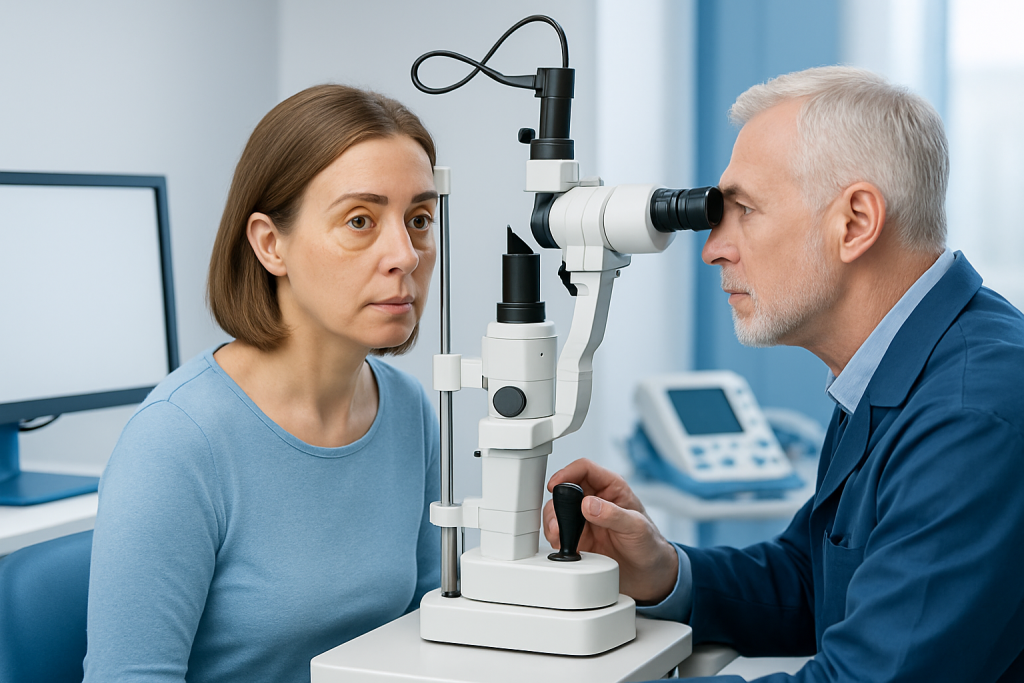
Xanthelasma usually begin as small, yellow to yellow-orange patches on or around the eyelids. They may be flat, slightly raised, soft to the touch, and symmetrical, though they can also appear on only one side.
They generally do not itch or hurt. Most people seek care because of the visible change in appearance, concern about what the plaques may mean, or both. Over time, the lesions may slowly enlarge or become more prominent.
Common features include:
- Yellowish plaques on the upper or lower eyelids
- Soft, flat, or slightly elevated texture
- Usually painless and not inflamed
- Gradual development over months or years
- Possible recurrence after removal
Although xanthelasma are usually benign, any new eyelid lesion should be assessed if it changes quickly, bleeds, ulcerates, or has an unusual appearance, since not every eyelid bump has the same cause.
Causes and Risk Factors

Xanthelasma form when lipid material collects in the skin. In some people, this is associated with high levels of cholesterol or triglycerides in the blood. In others, blood lipid levels may be normal, which means the plaques can still appear even without an obvious laboratory abnormality.
Risk is higher in people with lipid disorders, diabetes, liver disease, or a family history of premature cardiovascular disease. Age can also play a role, and the plaques are seen more often in middle-aged and older adults.
Other factors may include:
- Inherited cholesterol conditions
- Metabolic syndrome
- Smoking or long-term vascular risk factors
- Weight-related metabolic concerns
- Previous episodes of raised blood lipids
It is important to remember that xanthelasma are a skin sign, not a diagnosis by themselves. They can sometimes be a visible clue that encourages a broader review of blood tests, family history, and cardiovascular risk.
Diagnosis
Diagnosis is usually straightforward. A clinician typically identifies xanthelasma by looking at the eyelids and asking about general health, medications, family history, and any known cholesterol problems. In many cases, no biopsy is needed because the appearance is characteristic.
Because xanthelasma can be associated with lipid disorders, doctors often recommend blood tests to check cholesterol and triglyceride levels. Depending on the situation, they may also review blood sugar, liver function, thyroid status, or other factors that can influence lipid balance.
For patients traveling from abroad, this assessment is often completed alongside other pre-treatment planning so that diagnosis, test review, and treatment decisions are coordinated efficiently. That approach can help avoid unnecessary procedures and supports a clearer plan for any removal technique.
Treatment Options
Treatment depends on the person’s goals, the size and location of the lesions, and whether there is an underlying metabolic issue that also needs attention. Some people choose observation if the plaques are small and not bothersome, while others prefer removal for cosmetic reasons or because the lesions continue to grow.
Several procedures may be considered:
- Laser treatment: can be useful for selected lesions and may offer precise removal in experienced hands.
- Surgical excision: may be appropriate for larger or more resistant plaques, especially when careful eyelid reconstruction is needed.
- Chemical cauterization or topical procedures: may be used in some cases, though they require expertise because the eyelid skin is thin and sensitive.
- Other office-based techniques: may be chosen based on lesion depth, skin type, and the risk of pigment change or scarring.
Recurrence is possible, especially if the underlying lipid issue persists. For that reason, treatment often works best when the skin procedure is paired with medical follow-up and, if needed, management of cholesterol or related conditions. A doctor can explain the benefits and limitations of each approach and help set realistic expectations before treatment begins.
Prevention and Self-care
There is no guaranteed way to prevent xanthelasma, especially when they are linked to inherited tendencies or appear despite normal blood tests. Even so, protecting cardiovascular health and keeping lipids in check may reduce the chance of new lesions or support overall wellness.
Practical self-care usually focuses on the broader metabolic picture rather than the eyelids alone. Helpful measures may include regular exercise, a balanced diet rich in fiber and unsaturated fats, not smoking, and following medical advice for cholesterol, blood sugar, or blood pressure control.
It also helps to avoid trying to squeeze, scrub, or treat eyelid plaques at home. The skin around the eyes is delicate, and self-treatment can lead to irritation, pigment changes, or scarring. If a person has already had removal, good aftercare and follow-up are important, particularly when returning home to another country and coordinating results with a local doctor.
When to See a Doctor
Anyone who notices a new yellow eyelid plaque should consider a medical evaluation, especially if it is enlarging, appears on both eyelids, or is accompanied by other signs of metabolic disease. A visit is especially useful when there is a personal or family history of high cholesterol, diabetes, heart disease, or liver problems.
Medical attention is also appropriate if the lesion changes rapidly, becomes red or painful, bleeds, or looks different from a typical xanthelasma. These features do not necessarily mean something serious, but they do deserve a professional look.
For international patients, this is often a condition where coordinated care matters: diagnosis, blood work, and procedure planning can be organized before travel, with follow-up instructions that are easy to continue once the patient is back home. Acibadem Health Point’s multidisciplinary specialists and JCI-accredited hospitals can diagnose and treat xanthelasma for international patients, offering a structured pathway from evaluation to recovery.
Living With Xanthelasma
Many people live with xanthelasma without discomfort. The main concerns are usually appearance and what the plaques may indicate about overall health. That is why a calm, stepwise approach works well: confirm the diagnosis, check for associated risk factors, then decide whether removal is worthwhile.
If treatment is chosen, recovery time depends on the technique used. Some procedures involve mild swelling or temporary redness, while others may require wound care and follow-up visits. A clinician should explain how to protect the eyelids during healing and what signs would warrant a review.
When patients understand that xanthelasma are both a skin finding and a possible metabolic clue, decisions become easier. The goal is not only to improve appearance, but also to support long-term health in a thoughtful, individualized way.
Frequently asked questions
Are xanthelasma dangerous?
Xanthelasma themselves are usually benign and do not cause pain or vision problems. Their importance is often what they may suggest about cholesterol or other health risks, which is why medical review can be helpful.
Do xanthelasma always mean high cholesterol?
No. Some people with xanthelasma have normal cholesterol and triglyceride levels. Even so, doctors often check blood lipids because the plaques can be associated with metabolic or cardiovascular risk.
Can xanthelasma be removed permanently?
They can often be removed, but they may come back, especially if underlying lipid issues continue. The chance of recurrence depends on the person, the treatment method, and how well any contributing health factors are managed.
Which specialist treats xanthelasma?
Dermatologists, eye specialists with eyelid procedure experience, and plastic surgeons may all be involved depending on the case. The best choice depends on the lesion’s size, location, and whether reconstruction is likely to be needed.
Is xanthelasma removal painful?
Most procedures are performed with local anesthesia or other comfort measures, so discomfort is usually limited. Some tenderness, swelling, or redness can occur afterward, and the doctor will explain expected recovery steps.
Can diet help xanthelasma go away?
Diet alone usually does not remove existing plaques. However, healthy eating can support better lipid control and overall cardiovascular health, which may be important alongside any procedure.
References
- American Academy of Dermatology
- Mayo Clinic
- National Heart, Lung, and Blood Institute
- DermNet NZ
- British Association of Dermatologists
This article is for general information only and is not a substitute for professional medical advice. Please consult a qualified doctor about your individual situation.