

Stretch Marks, Loose Skin, or Fat: Which Cosmetic Treatment Helps Which Problem?

Key Takeaways
- Stretch marks are changes in skin texture and color, while loose skin reflects reduced elasticity, and fat is a volume issue.
- Topical products may support skin care, but procedures are often needed when the concern is more pronounced.
- Non-surgical treatments can improve texture or tighten mildly lax skin, but they usually do not remove large amounts of excess tissue or fat.
- Liposuction is designed for fat removal, not skin tightening, so it works best when the skin still has good elasticity.
- A board-certified specialist can help distinguish which concern is dominant and build a treatment plan that fits the person’s goals and health profile.
Medically reviewed by the Acıbadem clinical team — July 13, 2026
Stretch marks, loose skin, and stubborn fat are different concerns, so they do not respond to the same cosmetic treatments. A careful assessment helps match the right procedure to the right problem, setting realistic expectations and safer results.
Overview
People often use the same words for very different body concerns. A person may say they want to get rid of “stretch marks,” but what actually bothers them could be skin laxity after pregnancy, a pocket of stubborn fat after weight loss, or all three at once. Because each issue sits in a different layer of the body, the most useful treatment is rarely the same for everyone.
Stretch marks are scars in the skin. Loose skin is a problem of reduced support and elasticity. Fat is soft tissue volume beneath the skin. A good cosmetic consultation starts by separating those three layers, then deciding which one is the main reason clothing fits differently or the body looks less defined.
That distinction matters for international patients as well, especially when planning care from another country. Some people want a single trip with a clear procedure and a realistic recovery window; others may benefit more from non-surgical care, staged treatment, or follow-up once they are back home. A thoughtful plan begins with the problem, not the procedure name.
How to Tell the Difference
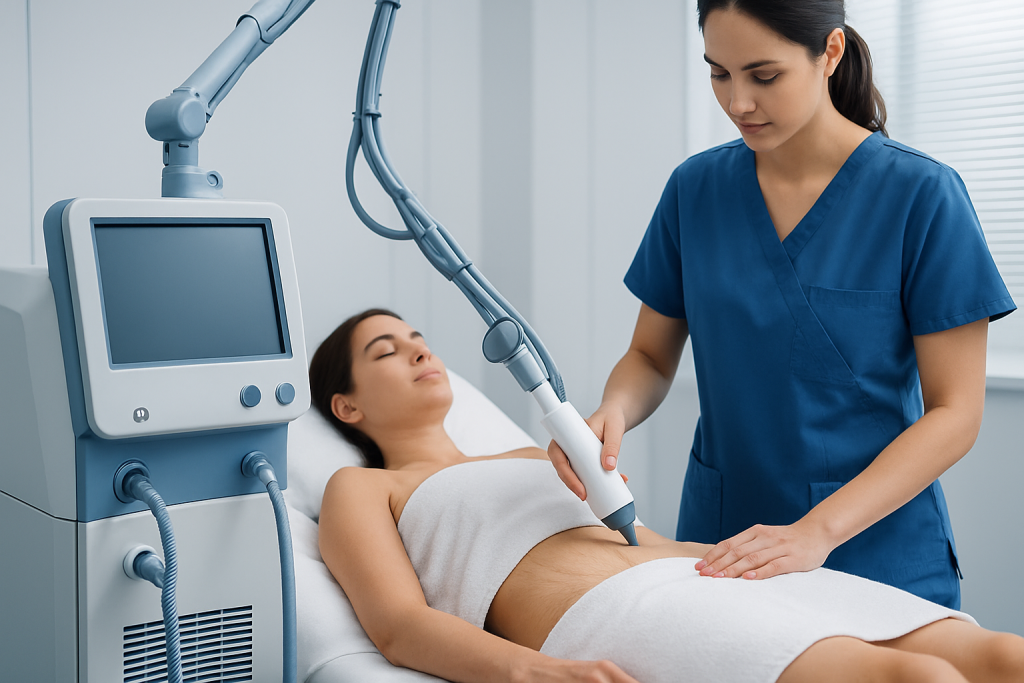
Stretch marks usually appear as linear streaks that can be pink, red, purple, brown, or silvery-white depending on skin tone and how old they are. They often feel slightly indented or textured rather than simply “bigger.” The skin around them may otherwise be normal.
Loose skin tends to look and feel like excess drape or folding. It may sag over the abdomen, upper arms, thighs, jawline, or breasts, particularly after weight loss, pregnancy, or aging. The main complaint is often less about color or texture and more about skin that no longer retracts well.
Stubborn fat is different again. It creates fullness, bulges, or a softer contour, but the skin above it may be smooth or may also be stretched. A person can have all three problems together, which is why self-diagnosis is often incomplete.
- Stretch marks: visible lines or streaks in the skin
- Loose skin: extra or sagging skin without much volume underneath
- Fat: localized fullness or contour irregularity
Stretch Marks: What Helps and What Does Not
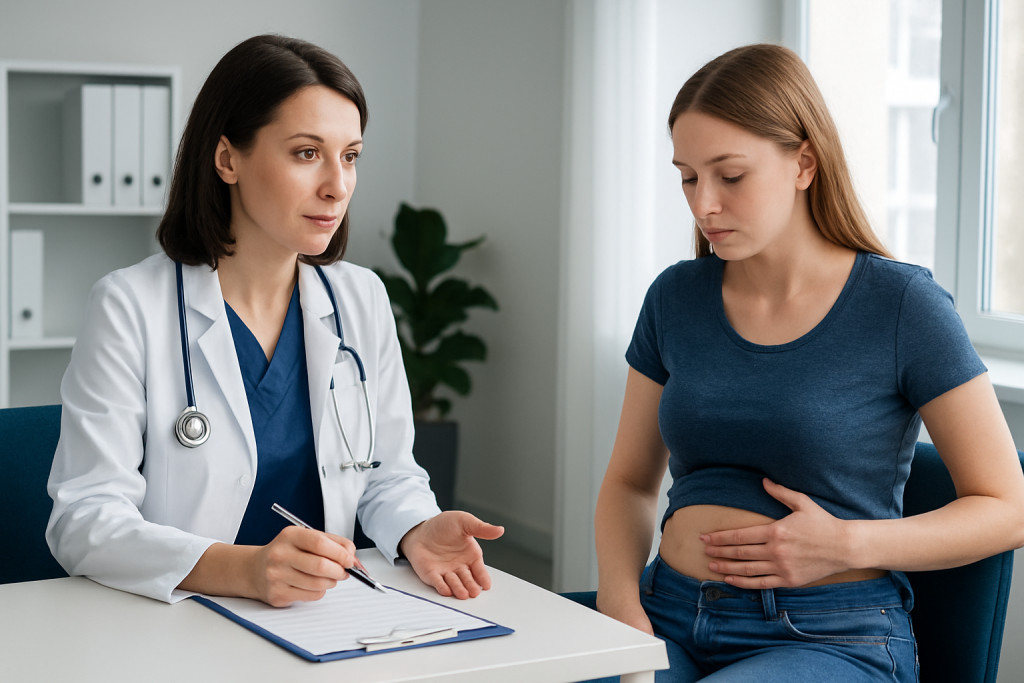
Because stretch marks are a form of scarring, they usually cannot be erased completely. The goal of treatment is often to make them less noticeable by improving color contrast, texture, and overall skin quality. Older white or silver marks are typically harder to improve than newer red or purple ones.
Treatment choices may include topical skin care, microneedling, laser-based therapies, radiofrequency-assisted approaches, and other procedures that stimulate collagen remodeling. These options can be helpful when the marks are the main concern, especially if the surrounding skin is otherwise firm. Results tend to be gradual and may require more than one session.
It is important to understand that treatments aimed at stretch marks are not the same as treatments aimed at fat reduction or skin removal. If the concern is primarily loose skin or a large area of excess tissue, a different approach may be needed for a better match.
Loose Skin: When Tightening Is Realistic
Loose skin develops when the skin has been stretched beyond what its support structures can comfortably recover from. Common reasons include pregnancy, major weight loss, aging, and genetic differences in skin elasticity. The amount of improvement possible depends on how much skin is present and how well it can still contract.
For mild laxity, non-surgical skin-tightening treatments may offer modest improvement by encouraging collagen production and mild tissue contraction. These methods can be attractive for people who want limited downtime, but they are not designed to remove significant excess skin. When there is a large fold or pronounced sagging, surgery is often the more effective option.
Surgical procedures such as tummy tuck, arm lift, thigh lift, or breast lift are designed to remove extra skin and reshape the area. They may also address separated muscles or reposition tissue when that supports the overall result. The right choice depends on the body area, the degree of laxity, and whether the person is prepared for scars and recovery time.
Fat: When Contouring Is the Main Goal
Cosmetic fat treatment is about volume, not skin texture. When the skin has enough elasticity, reducing a localized fat pocket can create a smoother, more balanced shape. This is where procedures like liposuction may be considered, especially for areas that resist diet and exercise.
Other body-contouring techniques may include non-surgical fat reduction methods for carefully selected candidates. These can be suitable for smaller areas and for people who prefer gradual change. However, they do not replace weight management or treat loose skin in the way surgery can.
A common misunderstanding is that removing fat will automatically tighten the skin. Sometimes the opposite happens if the skin does not retract well afterward. For that reason, specialists assess skin quality before recommending any contouring procedure.
- Liposuction: removes localized fat deposits
- Non-surgical fat reduction: may reduce small, selected areas gradually
- Body lift procedures: may be needed when excess skin is also present
How Doctors Decide on the Best Treatment
The best treatment plan starts with a physical examination and a conversation about what bothers the person most. A clinician looks at skin thickness, elasticity, stretch marks, fat distribution, and any previous surgery, pregnancy, or weight change. Photos, measurements, and a discussion of expected downtime may help refine the plan.
Age, smoking status, stable weight, medical conditions, and personal goals also matter. Someone seeking subtle improvement with minimal recovery may be better suited to a non-surgical option. Someone who wants a more dramatic reshaping may benefit more from surgery if they are medically fit and understand the recovery process.
For international patients, planning also includes travel timing, post-procedure dressings, wound care, and whether follow-up can safely happen after returning home. A good team will discuss what can be completed during one visit and what should wait until healing is underway. This is especially important when combining procedures, because sequencing can affect both healing and the final shape.
Prevention & Self-care
Not every stretch mark or change in skin laxity can be prevented, but some habits support skin health and body stability. Keeping weight changes gradual when possible may reduce the stress placed on the skin. Hydration, balanced nutrition, and regular movement also help maintain overall tissue health.
After weight loss or childbirth, patience is important. Skin may continue to improve slowly over time, and not every area needs immediate treatment. People often make better decisions once their weight has been stable for several months and they can judge what remains after natural recovery.
At-home skin care can support comfort and appearance, although it will not replace medical treatment for marked looseness or deep stretch marks. Gentle moisturizers, sunscreen on exposed areas, and avoiding smoking can all support skin quality and healing, especially if a procedure is planned later.
- Keep weight as stable as possible
- Use sunscreen to reduce contrast and support skin health
- Avoid smoking, which can affect healing and skin quality
- Allow time after pregnancy or weight loss before deciding on surgery
When to See a Doctor
A specialist consultation is useful when a person is unsure whether the main issue is stretch marks, loose skin, or fat. It is also wise to seek advice when a desired change involves surgery, because the safest option depends on the person’s health and the exact body area involved. A doctor can help separate realistic improvement from marketing claims that promise too much.
Medical advice is especially important if the skin change followed rapid weight loss, pregnancy, bariatric surgery, or an illness that affected nutrition or mobility. These situations can influence wound healing, anesthesia planning, and whether surgery should be delayed until weight and health are stable. A review is also sensible if there is pain, irritation, a rash in skin folds, or recurrent infection under excess skin.
Acibadem Health Point’s multidisciplinary specialists and JCI-accredited hospitals can diagnose and treat these concerns for international patients, with plans that account for travel, recovery, and follow-up. A careful consultation helps ensure that the chosen treatment matches the problem rather than just the symptom description.
Frequently asked questions
Can stretch marks be removed completely?
In most cases, stretch marks cannot be fully removed because they are a type of scar. Treatment can often make them less visible by improving texture and blending color, but results vary. The age of the marks and the person’s skin type influence what is realistic.
Will liposuction fix loose skin?
Liposuction removes fat, not extra skin. If the skin has good elasticity, it may contract somewhat afterward, but that is not guaranteed. When loose skin is the main issue, a skin-removal or tightening procedure may be more appropriate.
Which treatment is best after major weight loss?
It depends on whether the remaining concern is fat, loose skin, or both. Some people benefit from body contouring or liposuction, while others need a lift procedure to remove excess skin. A surgeon can help match the method to the contour problem.
Are non-surgical treatments worth trying?
They can be helpful for mild stretch marks, slight laxity, or small fat pockets. They usually offer subtler changes than surgery and may need multiple sessions. They are best when expectations are realistic and the area is carefully selected.
How long should someone wait after pregnancy or weight loss before treatment?
It is usually sensible to wait until weight is stable and the body has had time to recover naturally. For many people, that means several months, but the ideal timing depends on the treatment and the person’s health. A doctor can advise when the body is ready for the next step.
Can one procedure address stretch marks, loose skin, and fat at the same time?
Sometimes a combined plan is possible, but not every procedure solves all three issues equally well. For example, liposuction can reduce fat but may not improve stretch marks or remove extra skin. A consultation helps decide whether a single approach or a staged plan is safer and more effective.
References
- American Society of Plastic Surgeons
- Mayo Clinic
- American Academy of Dermatology
- National Health Service
- Cleveland Clinic
This article is for general information only and is not a substitute for professional medical advice. Please consult a qualified doctor about your individual situation.
More from the Health Library

Arm Lift Surgery: How It Works and Who It Helps

How Long Should You Stay in Turkey After Cosmetic Surgery? A Procedure-by-Procedure Timeline

Before You Book Cosmetic Surgery Abroad: The Eligibility Questions That Can Change Your Plan, Timing, or Procedure
Related Specialists

Dr. Serkan Tokgönül
Aesthetic Plastic & Reconstructive Surgery
Dr. Ömercan Yağız Öksüz
Aesthetic Plastic & Reconstructive Surgery
Prof. Dr. Mehmet Veli Karaaltın
Aesthetic Plastic & Reconstructive Surgery
Dr. Nezail Demirciler
Plastic, Reconstructive and Aesthetic Surgery