

Back Dermals

Key Takeaways
- Back dermals are used for cosmetic back contouring and should be planned carefully with a specialist.
- A good assessment looks at skin quality, underlying anatomy, and the person’s goals.
- Healing, activity limits, and follow-up matter as much as the procedure itself.
- Possible risks include infection, uneven results, swelling, and implant-related issues.
- People traveling for treatment should plan for recovery time and post-procedure check-ins before flying home.
Back dermals refer to aesthetic treatments used to enhance the shape and contour of the back, often to create a smoother or more defined appearance. A qualified specialist can help determine whether the skin, soft tissue, and overall body frame make this option suitable.
Overview
Back dermals are a body-contouring option discussed in aesthetic medicine when someone wants the back to look smoother, fuller, or more balanced. The phrase may be used in different ways depending on the clinic, but it generally refers to treatment intended to improve the appearance of the back’s shape rather than to treat a medical disease.
Because the back covers a broad area with thick skin, moving muscles, and a lot of daily friction from clothing, any aesthetic treatment there needs careful planning. A specialist usually considers the person’s anatomy, skin elasticity, lifestyle, and what result would look natural rather than “overdone.”
For international patients, this kind of procedure is often part of a broader body-contouring plan. The consultation is not only about the treatment itself; it also includes recovery timing, travel plans, and how follow-up will be handled once the person returns home.
What Patients Usually Mean by Back Dermals
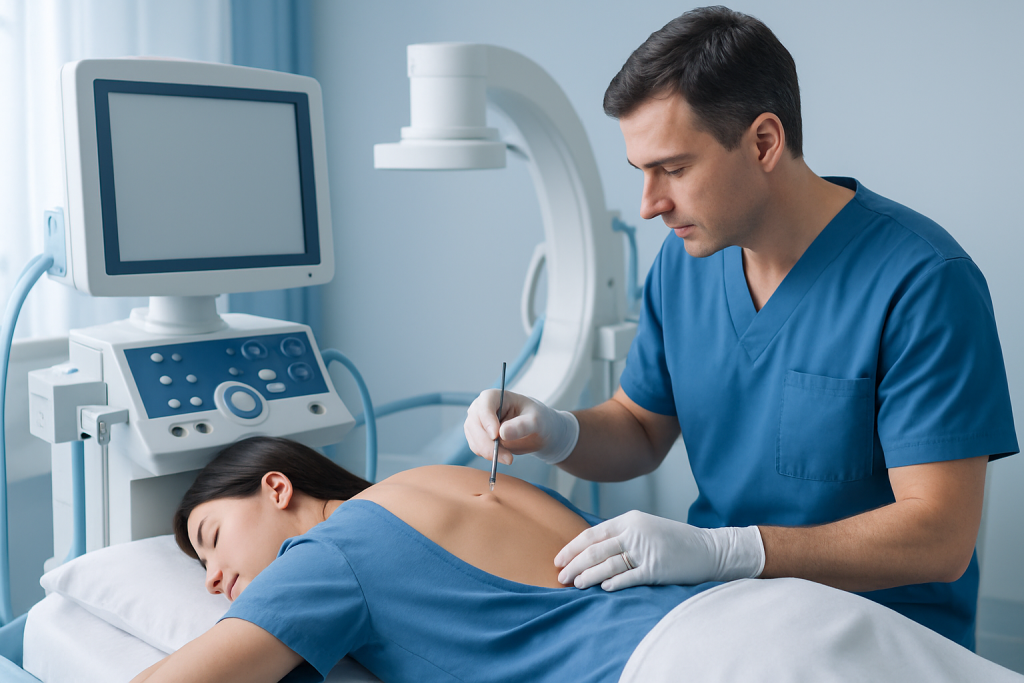
People may use the term “back dermals” to describe dermal fillers, soft-tissue implants, or other aesthetic methods that change the contour of the back. In practical terms, the goal is often to add shape in selected areas, refine asymmetry, or create a smoother transition between the shoulders, waist, and upper back.
Because the wording is not a formal medical diagnosis, the exact procedure should always be clarified during consultation. A qualified doctor will explain what is actually being proposed, whether it involves injectable products, surgical implants, or another technique, and what kind of result can realistically be expected.
This distinction matters. Different treatments carry different recovery times, risks, and long-term considerations, so patients benefit from understanding the actual method rather than relying on a general label.
Possible Reasons Someone Seeks Treatment

People usually consider back contour enhancement for aesthetic reasons. Some want a more defined silhouette, while others hope to correct areas that appear flat, uneven, or affected by previous weight changes or surgery.
In some cases, the request is about proportion rather than size. A patient may feel that the back does not match the chest, hips, or shoulders and wants a more harmonious shape in clothing and photographs. Others may simply prefer a more sculpted appearance in the upper or mid-back.
Good candidates tend to have clear, realistic goals. The doctor’s role is to match those goals with a technique that suits the person’s frame and to explain where subtle improvement is more appropriate than a dramatic change.
Causes & Risk Factors
There is no single medical cause behind wanting back dermals, but several factors can influence whether treatment is considered. Natural body shape, age-related changes in skin tone and elasticity, and patterns of fat distribution all affect the back’s appearance.
Previous surgery, injury, weight fluctuations, or scarring can also leave the back looking uneven. In those situations, a patient may ask about aesthetic correction, but the specialist must first determine whether a cosmetic procedure is appropriate and safe for the tissue involved.
Risk factors for complications are usually related to general health and the planned technique. These can include smoking, poor wound healing, active skin infections, uncontrolled chronic illness, allergies to materials or medications, and inability to follow aftercare instructions. A thorough medical history helps reduce avoidable problems.
- Skin that is thin, scarred, or repeatedly irritated
- Recent sunburn, rash, or infection in the treatment area
- Bleeding disorders or medicines that affect clotting
- Smoking or nicotine use, which can slow healing
- Travel plans that do not allow enough recovery time
Diagnosis and Treatment Planning
There is no test that “diagnoses” a need for back dermals. Instead, the consultation functions as the key assessment. The doctor examines the back, discusses the person’s concerns, checks general health, and decides whether the desired change is technically feasible.
Planning may include photographs, measurements, and a discussion of where shape should be added or refined. If the treatment involves injections or a surgical procedure, the specialist will review the expected duration of results, the type of anesthesia if needed, and whether more than one session may be required.
For patients traveling from abroad, this stage is especially important. The consultation should cover how long the person needs to stay locally, what kind of activity restriction may follow, and which symptoms would require urgent review before the return flight.
Treatment Options
The exact treatment depends on what the doctor is referring to by “back dermals.” In some settings, minimally invasive fillers may be discussed for selected contour refinements. In others, a surgeon may recommend an implant-based approach or a different body-contouring procedure altogether.
Every option has trade-offs. Injectable treatments may offer less downtime but may also provide more limited or temporary change. Surgical options may create more durable contouring, but they usually involve anesthesia, incisions, and a longer recovery period.
Before choosing a method, patients should ask how the result is achieved, how long it lasts, whether touch-ups are likely, and what happens if the contour is not exactly as expected. A responsible clinic will explain these points in plain language and avoid promising a perfect or identical outcome for every patient.
- Non-surgical contouring with fillers or similar products
- Implant-based or surgically placed augmentation
- Combination planning with other body-contouring procedures
- Revision treatment if prior work has healed unevenly
Recovery, Prevention & Self-care
Recovery depends on the procedure chosen, but most back treatments require at least some temporary changes to routine. The back is constantly in use for sitting, sleeping, twisting, and lifting, so healing can be affected by pressure and friction from everyday activities.
Patients are often advised to rest the area, avoid strenuous exercise for a period set by the doctor, and keep follow-up appointments. Clothing choices may matter too; loose, soft fabrics can reduce irritation while the tissues settle.
Self-care is largely about protecting the result and supporting healing. That includes keeping the area clean as instructed, watching for changes in swelling or redness, avoiding nicotine, and not resuming exercise or travel too soon. For people returning to another country, arranging follow-up care before departure is a practical part of recovery planning.
- Follow all wound or skin-care instructions exactly as given
- Avoid pressure on the treated area while healing
- Do not massage or manipulate the area unless instructed
- Pause smoking and limit alcohol if the doctor advises it
- Attend all scheduled follow-up visits, including remote check-ins if offered
When to See a Doctor
Anyone considering back dermals should speak with a qualified doctor before making a decision. A consultation is the right place to discuss goals, understand the actual procedure being offered, and make sure the treatment fits the person’s health and anatomy.
After treatment, it is wise to contact the clinic if pain becomes worse instead of improving, if swelling is increasing rather than settling, or if there is unusual redness, drainage, fever, or a change in skin color. These symptoms do not always mean something serious, but they do deserve medical review.
Patients who are traveling should be especially careful not to ignore concerning symptoms because they are far from the treating team. Clear discharge instructions, emergency contact details, and a realistic recovery timeline help the person know when to wait, when to call, and when to seek in-person care. At Acibadem Health Point, multidisciplinary specialists and JCI-accredited hospitals diagnose and treat body-contouring concerns for international patients in a coordinated way.
Living With the Decision
Choosing an aesthetic procedure is often as much about timing and confidence as it is about appearance. People do best when they take time to understand what the treatment can and cannot change, especially if they are planning care across borders and want the result to fit their daily life once they return home.
A thoughtful plan includes the consultation, the procedure itself, and the recovery phase after the first appointment is over. For back contouring, that means considering clothing, movement, sleep, exercise, and follow-up from the start rather than treating them as afterthoughts.
When the discussion is honest and the goals are realistic, back dermals or related contouring options can be approached with more confidence and less uncertainty. A qualified specialist can help decide whether the best outcome comes from fillers, implants, another aesthetic method, or simply a different plan altogether.
Frequently asked questions
What are back dermals exactly?
The term is not a formal diagnosis, so it can mean different aesthetic treatments used to improve the look of the back. In a consultation, the doctor should clarify whether this refers to fillers, implants, or another contouring method. Understanding the exact technique is important because recovery and risks differ.
Are back dermals the same as back implants?
Not always. Some people use the phrase loosely, but back implants are only one possible option. A clinic should explain the specific treatment being recommended and why it fits the patient’s goals.
How long does recovery take?
Recovery varies with the procedure. Minimally invasive options may involve shorter downtime, while surgical treatments usually need more time for healing and activity restriction. The treating doctor should give a personalized timeline before the patient travels or returns to work.
Can someone fly after treatment?
Sometimes yes, but only when the doctor says it is safe. The timing depends on swelling, pain, wound care needs, and the type of procedure performed. International patients should plan their trip around follow-up and recovery, not the flight schedule alone.
What are the most common risks?
Common risks include swelling, bruising, uneven results, infection, and the possibility that the result does not match expectations. If surgery or implants are involved, there may also be risks related to anesthesia, scarring, or implant-related complications. A full consultation helps reduce surprises.
How can a patient prepare well?
Preparation starts with choosing a qualified specialist and being honest about medical history, medications, and smoking. It also helps to arrange time off, loose clothing, and a follow-up plan before leaving the clinic. Patients who travel from abroad should ask how aftercare will work once they are home.
References
- American Society of Plastic Surgeons
- International Society of Aesthetic Plastic Surgery
- U.S. Food and Drug Administration
- Mayo Clinic
This article is for general information only and is not a substitute for professional medical advice. Please consult a qualified doctor about your individual situation.
More from the Health Library



Related Specialists

Dr. Serkan Tokgönül
Aesthetic Plastic & Reconstructive Surgery
Dr. Ömercan Yağız Öksüz
Aesthetic Plastic & Reconstructive Surgery
Prof. Dr. Mehmet Veli Karaaltın
Aesthetic Plastic & Reconstructive Surgery
Dr. Nezail Demirciler
Plastic, Reconstructive and Aesthetic Surgery