

Facial Fat Transfer or Dermal Fillers: Which One Fits a Shorter Medical Trip?

Key Takeaways
- Dermal fillers usually suit shorter trips because treatment is quick and recovery is often minimal.
- Facial fat transfer can offer longer-lasting volume, but it usually involves a procedure, healing time, and follow-up planning.
- The right choice depends on facial goals, available time abroad, and whether the patient wants a temporary or more durable result.
- Both options should be discussed with a qualified specialist who can assess facial anatomy, medical history, and realistic expectations.
- Travel patients should plan for consultation, treatment, and at least some flexibility in the schedule for review or unexpected swelling.
Medically reviewed by the Acıbadem clinical team — July 13, 2026
Facial fat transfer and dermal fillers can both restore volume and soften facial contours, but they differ in treatment time, recovery, and how long results may last. For someone planning a shorter medical trip, the best choice often depends on how much downtime is acceptable and whether a temporary or longer-lasting result is preferred.
Overview
When a person is planning facial rejuvenation around a brief trip abroad, the question is often not only “Which treatment works?” but also “Which treatment fits the time available?” Facial fat transfer and dermal fillers both add volume to areas that have become hollow, flattened, or tired-looking, yet they are very different in how they are performed and how the body responds afterward.
Dermal fillers are injectable gels placed in selected areas to replace volume and support the skin. Facial fat transfer, sometimes called fat grafting, uses a patient’s own fat, usually taken from another area of the body, then prepared and placed into the face. One is typically a clinic-based procedure with limited downtime; the other is a minor surgical procedure that usually needs more planning and recovery time.
For international patients, the practical details matter as much as the aesthetic goal. A shorter medical trip may favor a treatment that can be completed in a day and followed by a light recovery period. A longer stay, or a patient who is comfortable with a more involved procedure, may make facial fat transfer a reasonable option. The right answer depends on facial anatomy, desired longevity, and the amount of post-treatment care a person can manage away from home.
How Each Treatment Works
Dermal fillers are commonly made from hyaluronic acid or other biocompatible materials. They are placed with a needle or cannula into targeted facial areas such as the cheeks, temples, lips, nasolabial folds, or under-eye region. The appointment is generally brief, and the result is visible soon after treatment, although mild swelling can temporarily change the final appearance for a few days.
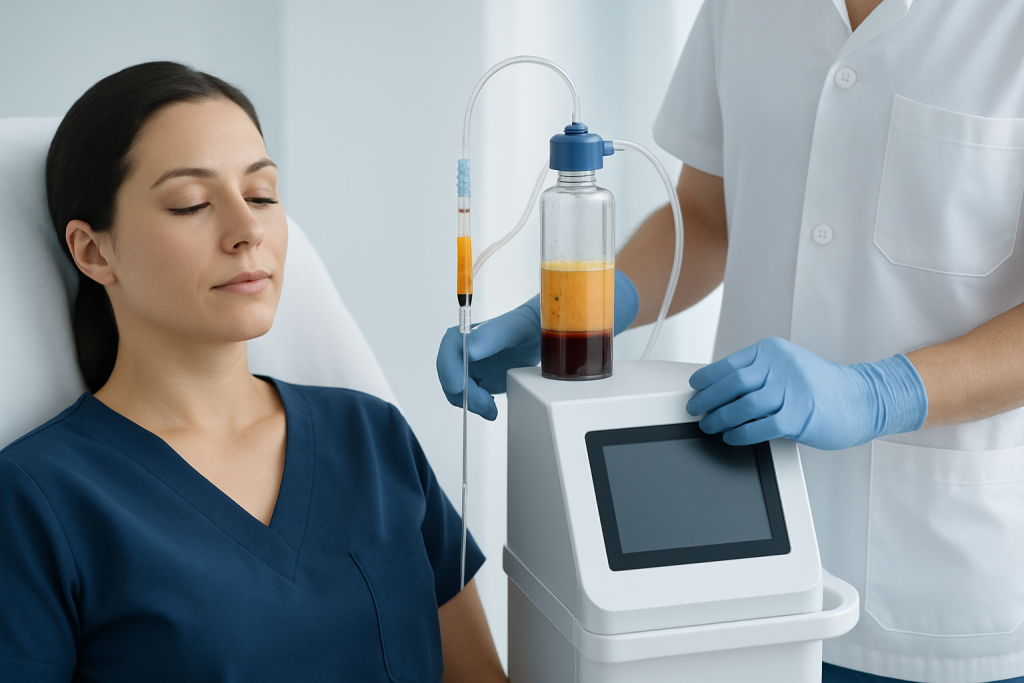
Facial fat transfer follows a different path. Fat is first harvested from another area of the body, such as the abdomen or thighs, using a small liposuction technique. The collected fat is then processed and carefully injected into the face. Because some of the transferred fat may be naturally reabsorbed, the final result depends on how much survives and integrates with surrounding tissue.
For a short medical trip, that difference is important. Fillers are usually easier to schedule around travel because they require less procedural preparation and no donor-site healing. Fat transfer may still be suitable, but it involves a larger treatment footprint, more recovery variables, and a more careful follow-up plan.
Symptoms and Signs That Volume Loss Is Becoming Noticeable

People seek these treatments for different reasons, but the common theme is a change in facial fullness. Over time, the face may appear more tired, less lifted, or less balanced, even when a person feels well. Hollowing in the cheeks or temples, deeper folds around the mouth, and thinning lips are frequent concerns.
Some people also notice that makeup sits differently on the skin, shadows become more pronounced in certain lighting, or old photographs no longer match their current appearance. These changes can be subtle at first, which is why a specialist assessment can help identify where volume restoration may be most effective.
It is useful to remember that not every “flat” or “aged” look is caused only by volume loss. Skin quality, bone structure, weight changes, and natural facial expression patterns all influence appearance. A good treatment plan tries to correct the main issue without making the face look overfilled or unfamiliar.
Causes & Risk Factors
Facial volume loss often develops gradually with age. Natural changes in fat distribution, collagen reduction, and shifts in skin elasticity can make the midface, under-eye area, and jawline appear less defined. Weight loss may also reveal hollows that were not obvious before.
Other factors can influence whether facial rejuvenation is appropriate or how it should be planned. Smokers may heal differently from non-smokers. People with certain autoimmune conditions, bleeding disorders, or a tendency to form keloid scars may need a more cautious discussion. Previous facial procedures, allergies, and medications that affect blood clotting are also important.
For international patients, the travel timeline itself becomes part of the planning. Recent long-haul flight, limited ability to rest after arrival, or an immediately packed itinerary can make a more involved procedure less practical. The safest choice is often the one that matches the body’s healing needs, not only the calendar.
Diagnosis and Consultation Before Treatment
There is no single test that determines whether facial fat transfer or fillers is best. The decision begins with a specialist consultation, where the face is examined in motion and at rest. The doctor usually reviews the patient’s goals, medical history, previous aesthetic treatments, allergies, and any conditions that may affect healing.
In many cases, the most useful part of the consultation is not just choosing a product or procedure, but mapping the face. The clinician may explain where volume loss is localized, where support is needed, and which areas should be left alone to maintain natural proportions. Good planning can prevent an overcorrected result and reduce the chance of needing multiple adjustments later.
For a shorter trip, consultation timing matters. Some patients can be assessed and treated in a single visit if their needs are straightforward and they are medically suitable. Others may need pre-travel planning, photo review, or a follow-up discussion to make sure the chosen approach is realistic for the amount of time they have abroad.
Treatment Options: Facial Fat Transfer vs Dermal Fillers
Dermal fillers are often the more travel-friendly option. They can be used to soften folds, improve cheek contours, and restore selected areas without surgery. Recovery is usually brief, though temporary swelling, bruising, or tenderness can occur. Many patients can return to light activities quickly, which makes fillers attractive when the trip is short and the schedule is tight.
Facial fat transfer is often chosen by people who want a potentially longer-lasting result and are comfortable with a more involved process. Because the body’s own fat is used, the outcome can feel natural when the grafts settle well. However, the procedure requires both donor-site and facial healing, and some swelling may last longer than with fillers.
The choice is not only about duration of effect. It is also about predictability, reversibility, and how much downtime a patient can manage while away from home. Fillers are generally easier to adjust or dissolve in some situations, while fat transfer is more permanent in intention but less immediate in its final appearance. For patients making decisions from another country, the right option is often the one that combines a sensible recovery period with the desired degree of improvement.
Common considerations include:
- How soon the patient needs to resume travel or work
- Whether a temporary or longer-lasting change is preferred
- How much swelling or bruising can be managed discreetly
- Whether the patient wants to avoid donor-site healing
- How important it is to be able to fine-tune the result later
Prevention & Self-care: Planning Recovery on a Short Trip
Good self-care starts before the appointment. Patients traveling for aesthetic treatment should leave enough time in the itinerary for consultation, the procedure itself, and a period of observation afterward. A rushed schedule can make it harder to manage swelling, arrange follow-up, or ask questions once the treatment is complete.
After fillers, patients are usually advised to follow simple measures such as avoiding pressure on the treated areas, limiting intense exercise briefly, and watching for normal short-term swelling or bruising. After fat transfer, recovery can be more involved and may include caring for the donor site as well as the face. Sleeping position, activity level, and general rest can make a noticeable difference during the first days.
It also helps to think ahead about visibility. Some travelers prefer to schedule treatment near the end of a trip so they can recover privately on the way home. Others want to remain nearby for review in case the specialist recommends a check-in. The most practical plan is the one that leaves room for healing without creating unnecessary stress.
When to See a Doctor
Anyone considering facial fat transfer or dermal fillers should have a consultation with a qualified aesthetic or plastic surgery specialist, especially if the treatment is being planned around a short medical trip. A doctor can explain which option fits the patient’s facial structure, medical history, and travel constraints.
After treatment, patients should seek medical advice if swelling becomes severe, pain is unusual, skin color changes unexpectedly, or there are signs of infection. Most after-effects are mild and temporary, but it is important not to assume that all bruising or discomfort is normal if something feels different from the expected recovery pattern.
For international patients, it is wise to choose a clinic that can provide clear instructions before departure and support if questions arise after returning home. At Acibadem Health Point, multidisciplinary specialists and JCI-accredited hospitals diagnose and treat patients seeking facial rejuvenation, including those traveling from abroad, with a focus on coordinated care and safe follow-up.
Frequently asked questions
Which option is better for a short medical trip: facial fat transfer or fillers?
Dermal fillers usually fit a shorter trip more easily because the procedure is quick and recovery is often minimal. Facial fat transfer can still be appropriate, but it generally needs more planning and healing time.
Are facial fillers temporary?
Yes, most fillers are temporary, although how long they last varies by product, treatment area, and the body’s individual response. This temporary nature can be useful for patients who want flexibility or are trying a treatment for the first time.
Does facial fat transfer last longer than fillers?
It often can, because the transferred fat becomes part of the body’s own tissue if it survives. Even so, some fat is usually reabsorbed, so the final result may vary from person to person.
Is there more downtime with fat transfer than with fillers?
Usually yes. Fat transfer involves both harvesting fat and treating the face, so swelling and recovery are often more involved than with fillers.
Can both treatments look natural?
Yes, both can look natural when carefully planned and performed by an experienced specialist. The result depends on facial balance, the amount of volume added, and how closely the treatment matches the patient’s features.
Can a patient travel soon after treatment?
Many patients can travel after fillers with proper guidance, but it is still sensible to allow time for swelling and review. After fat transfer, travel may be possible, but the timing should be discussed with the surgeon because recovery needs can be greater.
References
- American Society of Plastic Surgeons
- International Society of Aesthetic Plastic Surgery
- Mayo Clinic
- National Health Service
This article is for general information only and is not a substitute for professional medical advice. Please consult a qualified doctor about your individual situation.
More from the Health Library



Related Specialists

Dr. Serkan Tokgönül
Aesthetic Plastic & Reconstructive Surgery
Dr. Ömercan Yağız Öksüz
Aesthetic Plastic & Reconstructive Surgery
Prof. Dr. Mehmet Veli Karaaltın
Aesthetic Plastic & Reconstructive Surgery
Dr. Nezail Demirciler
Plastic, Reconstructive and Aesthetic Surgery