Amaurosis Fugax

Key Takeaways
- Amaurosis fugax is a sudden, temporary loss of vision in one eye that often resolves on its own.
- It may be linked to reduced blood flow, carotid artery disease, emboli, migraine, or other vascular conditions.
- Because it can signal a higher stroke risk, it should be assessed promptly by a doctor.
- Diagnosis may include eye examination, blood tests, carotid imaging, and heart evaluation.
- Treatment focuses on the underlying cause and reducing future vascular risk.
- Healthy lifestyle steps and follow-up care are important, especially after an episode that happens while traveling or away from home.
Amaurosis fugax is a temporary loss of vision in one eye that usually lasts seconds to minutes and then clears. It is often a warning sign of reduced blood flow and deserves prompt medical evaluation, even when sight returns fully.
Overview
Amaurosis fugax is a medical term for a brief, temporary loss of vision in one eye. Some people describe it as a curtain, shade, gray veil, or dimming that appears suddenly and then clears completely. The episode may last only a few seconds or several minutes.
Although the vision often returns before the person reaches medical care, the event should not be brushed aside. In many cases, amaurosis fugax is related to a short interruption in blood flow to the retina or optic nerve. That makes it an important clue that the body may be dealing with an underlying circulation problem elsewhere.
For patients who are far from home, this can feel especially unsettling. A brief eye symptom may seem minor, yet it can be the first sign of a condition that benefits from timely testing and coordinated follow-up. An eye doctor, neurologist, or vascular specialist may all be involved depending on the suspected cause.
Symptoms
The hallmark symptom is sudden, painless vision loss in one eye. The change is usually temporary and may affect all of the vision in that eye or only part of it. Many people notice that the vision returns as abruptly as it disappeared.
Descriptions vary, but common ways patients explain the episode include:
- A curtain dropping over the eye
- A gray or black shade moving across vision
- Blurred or dim vision that clears quickly
- Partial loss of the visual field in one eye
Some people also have warning signs of a broader vascular problem, such as weakness, speech difficulty, facial droop, dizziness, or severe headache. These symptoms need urgent attention because they may point to a transient ischemic attack or stroke rather than an isolated eye event.
Causes & Risk Factors

Amaurosis fugax is most often caused by a temporary reduction of blood flow to the retina, usually from a small clot or plaque fragment traveling through the circulation. A common source is the carotid artery in the neck, where atherosclerosis can narrow the vessel and send debris toward the eye.
Other possible causes include inflammation of the blood vessels, cardiac conditions that produce emboli, low blood flow from systemic illness, and, less commonly, migraine-related visual symptoms. In older adults, giant cell arteritis is an especially important diagnosis to consider because it can threaten both vision and overall health if not treated promptly.
Risk factors are often the same ones seen in other vascular diseases. They may include:
- High blood pressure
- High cholesterol
- Diabetes
- Smoking
- Heart rhythm problems such as atrial fibrillation
- Carotid artery disease
- Older age
Travel does not cause amaurosis fugax, but being away from home can delay assessment, especially if the symptom disappears before care is sought. A temporary episode that already resolved can still be medically meaningful.
Diagnosis
Diagnosis begins with a careful history. The doctor will ask what the vision loss looked like, how long it lasted, whether one eye or both were affected, and whether any neurologic symptoms occurred at the same time. These details help separate amaurosis fugax from migraine aura, retinal problems, optic nerve disease, or stroke-related events.
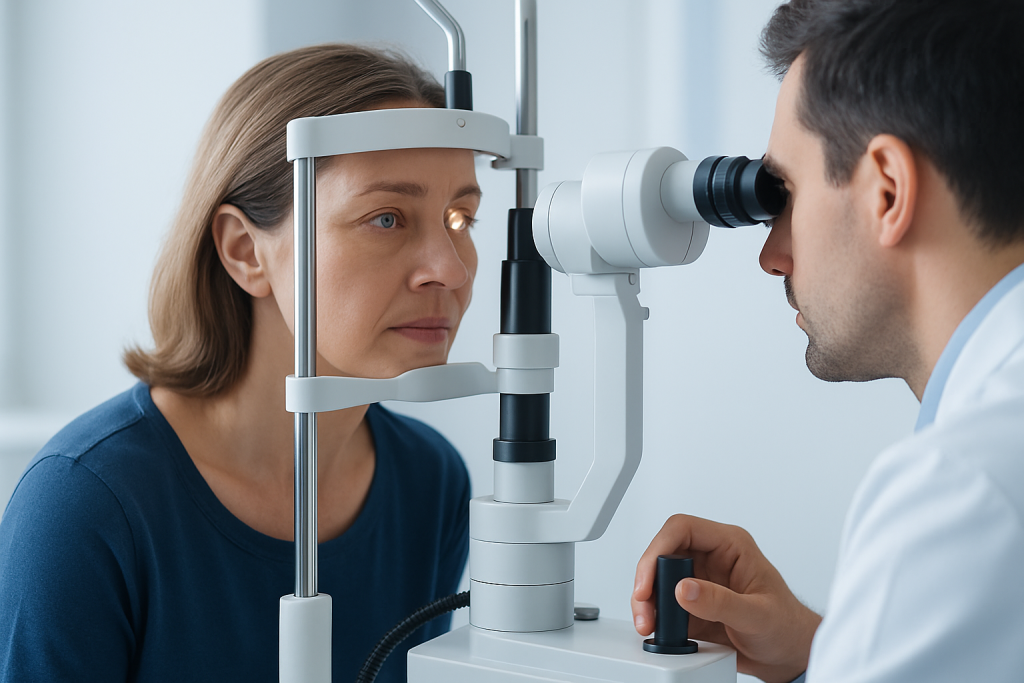
An eye examination is usually performed to look for signs of retinal injury, vessel abnormalities, or other ocular causes. Depending on the situation, the workup may also include blood pressure measurement, blood tests, carotid imaging, electrocardiography, and sometimes echocardiography to look for a heart source of emboli.
In older adults or when symptoms suggest inflammation, tests for giant cell arteritis may be ordered urgently. The exact testing plan depends on the person’s age, health history, and whether the episode is most likely eye-related, vascular, or neurologic. When patients are traveling internationally, it can help to bring a list of medicines, prior imaging reports, and any known conditions to streamline evaluation.
Treatment Options
Treatment is directed at the cause rather than the symptom itself. If a clot or artery plaque is suspected, doctors may recommend measures to reduce future clotting risk, control cholesterol and blood pressure, and address narrowing in the carotid arteries. In some cases, procedures may be considered when severe carotid disease is found.
If a heart rhythm problem is contributing, treatment may involve medication or other cardiac management. If giant cell arteritis is suspected, prompt anti-inflammatory treatment is essential to protect vision. If the episode is related to migraine or another non-vascular cause, the care plan will differ accordingly.
Because amaurosis fugax can precede stroke in some patients, the broader goal is prevention. That may include long-term management of vascular risk factors, medicines recommended by a doctor, and follow-up with eye and vascular specialists. Patients should not start or stop prescription therapy on their own after a transient visual event.
Prevention & Self-care
Not every episode can be prevented, but many underlying risk factors can be improved. The most useful steps are often the everyday ones that support blood vessel health: not smoking, managing blood pressure, controlling diabetes, and following treatment for cholesterol or heart disease.
Practical self-care also includes noticing patterns. If a person has repeated episodes, the timing, duration, and associated symptoms should be written down and shared with the doctor. That record can help identify whether the problem is vascular, inflammatory, migraine-related, or something else.
For patients recovering while abroad or planning travel after an episode, a few habits can make follow-up easier:
- Keep copies of test results and imaging reports
- Carry an updated medication list
- Know which symptoms would require urgent reassessment
- Arrange follow-up before leaving the treatment center or country
These steps do not replace medical care, but they can reduce confusion and speed communication between clinicians in different locations.
When to See a Doctor
Any sudden, temporary loss of vision in one eye should be evaluated promptly, even if it completely resolves. A person should seek urgent medical care if the episode is new, if it happened more than once, or if there are any associated neurologic symptoms.
Emergency care is especially important if vision loss comes with weakness, trouble speaking, facial droop, severe headache, chest pain, or confusion. These features may suggest stroke or another serious vascular event.
Older adults, people with known carotid disease, and anyone with symptoms suggestive of giant cell arteritis need particular attention. In international-patient settings, timely assessment matters because a short visit can still uncover a problem that benefits from immediate treatment and arranged follow-up. Acibadem Health Point’s multidisciplinary specialists and JCI-accredited hospitals evaluate and treat this condition for international patients as part of coordinated care.
Frequently asked questions
Is amaurosis fugax the same as blindness?
It is usually a temporary loss of vision in one eye, not permanent blindness. Even though the vision returns, it still needs medical attention because it can be a warning sign of circulation problems.
Does amaurosis fugax mean a stroke will happen?
Not everyone with amaurosis fugax has a stroke, but the episode can indicate a higher stroke risk. That is why doctors take it seriously and look for the underlying cause quickly.
Can migraine cause symptoms that look like amaurosis fugax?
Yes, migraine can cause visual disturbances, but the pattern is often different and may involve both eyes or shimmering shapes. A doctor can help distinguish migraine-related symptoms from reduced blood flow to the eye.
What tests are commonly done after a brief episode of vision loss?
Doctors often start with an eye exam and may add blood pressure checks, blood tests, carotid imaging, and heart testing. The exact workup depends on age, symptoms, and medical history.
If the vision returns to normal, is medical care still necessary?
Yes. The symptom may have resolved, but the cause could still be present and may need treatment to prevent a more serious event later.
Can lifestyle changes help after amaurosis fugax?
Yes, especially when the cause is vascular. Not smoking, controlling blood pressure, managing cholesterol and diabetes, and attending follow-up visits can all support prevention.
References
- American Academy of Ophthalmology
- National Eye Institute
- Mayo Clinic
- American Heart Association
- National Institute of Neurological Disorders and Stroke
This article is for general information only and is not a substitute for professional medical advice. Please consult a qualified doctor about your individual situation.