Acute Coronary Syndrome: Symptoms, Causes and Treatment

Key Takeaways
- Acute coronary syndrome includes unstable angina and certain types of heart attack.
- Chest pressure, shortness of breath, sweating, nausea, and pain radiating to the arm, jaw, or back can be warning signs.
- Diagnosis usually combines symptom assessment, an ECG, blood tests, and imaging when needed.
- Treatment may involve medicines, coronary procedures, cardiac monitoring, and lifestyle changes after discharge.
- Anyone with possible symptoms should seek emergency help rather than waiting to see if they improve.
Medically reviewed by the Acıbadem clinical team — August 19, 2026
Acute coronary syndrome is an umbrella term for urgent conditions caused by a sudden reduction in blood flow to the heart. Recognizing symptoms early and seeking immediate medical care can protect heart muscle and improve recovery.
Overview
Acute coronary syndrome describes a group of urgent heart conditions that happen when blood flow to part of the heart muscle suddenly becomes too low. This most often occurs because a plaque in a coronary artery becomes unstable or ruptures, leading to a clot that narrows or blocks the vessel.
The term is used because the initial symptoms and early treatment approach can be similar even though the final diagnosis may be unstable angina, a non-ST-elevation myocardial infarction, or a ST-elevation myocardial infarction. In practical terms, it signals that the heart may be in danger and needs prompt medical evaluation.
For many patients, the first decision is not about a long-term treatment plan but about where to go right away. Emergency care is the priority, because restoring blood flow sooner can limit heart damage and reduce the chance of complications.
Symptoms
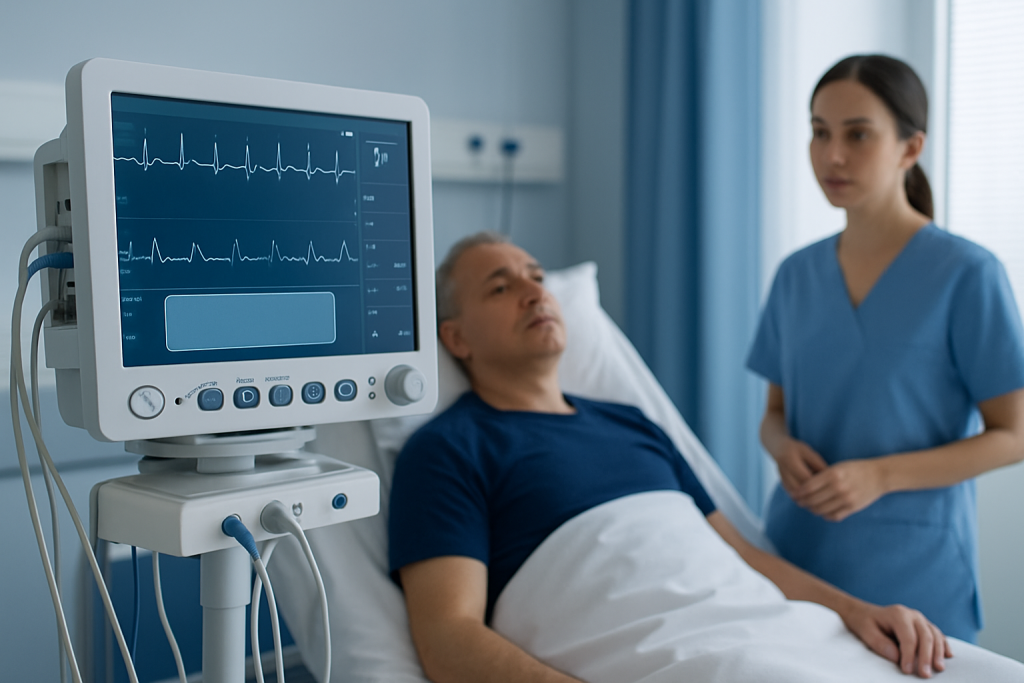
Acute coronary syndrome does not always feel dramatic, and symptoms can vary from person to person. The most familiar warning sign is chest discomfort that may feel like pressure, squeezing, fullness, heaviness, or burning rather than sharp pain.
Symptoms may also spread beyond the chest. Some people feel pain or discomfort in the arm, shoulder, neck, jaw, upper back, or upper abdomen. Shortness of breath, sweating, nausea, lightheadedness, or an unusual sense of fatigue can accompany these symptoms, especially in older adults and people with diabetes.
Not everyone has the same pattern. Women, older adults, and people with multiple medical conditions may have more subtle symptoms such as indigestion-like discomfort, weakness, or breathlessness without obvious chest pain. Any sudden or unexplained combination of these symptoms deserves urgent attention.
Causes & Risk Factors

Most cases begin with atherosclerosis, which is the buildup of fatty deposits in the coronary arteries over time. If a plaque becomes irritated or tears, the body may form a clot at that site, partially or completely blocking blood flow to the heart muscle.
Several factors can make this process more likely. These include high blood pressure, high cholesterol, smoking, diabetes, obesity, physical inactivity, chronic kidney disease, a family history of early heart disease, and advancing age. Stress and stimulant drug use can also contribute in some cases.
It is helpful to think of risk as cumulative rather than all-or-none. A person may feel well for years and still develop acute coronary syndrome if hidden coronary disease is present. That is why regular prevention-focused care matters, especially for those traveling internationally who may have inconsistent access to prior records or routine checkups.
Diagnosis
Doctors evaluate acute coronary syndrome quickly because time matters. The first steps usually include a review of symptoms, vital signs, a physical examination, and an electrocardiogram, or ECG, which records the heart’s electrical activity.
Blood tests are used to look for cardiac troponin, a marker that rises when heart muscle is injured. Depending on the findings, the medical team may order repeat ECGs, chest imaging, echocardiography, or coronary angiography to see whether a coronary artery is narrowed or blocked.
When a patient is receiving care in another country, clear communication is especially important. Sharing prior heart history, current medicines, allergies, and any previous stents or bypass surgery can help the team choose the safest and fastest path forward.
Treatment Options
Treatment depends on how severe the blockage is and how the patient is responding. Initial care often includes close monitoring, oxygen if needed, and medicines that help reduce clotting, ease chest pain, and lower the heart’s workload. Some patients need anticoagulants or antiplatelet medicines, while others may require additional therapies based on their ECG and blood test results.
If blood flow is significantly blocked, doctors may recommend coronary angioplasty with stent placement, which opens the artery and supports it from inside. In some situations, especially when several arteries are affected or the anatomy is complex, coronary artery bypass surgery may be the better option.
After the urgent phase, the focus shifts to preventing another event and helping the heart recover. That may include medicines for cholesterol, blood pressure, and heart rhythm control, along with a supervised cardiac rehabilitation plan. For international patients, discharge planning should also address follow-up timing, travel safety, and how to obtain medication refills once home.
Prevention & Self-care
Prevention begins with the same habits that protect overall heart health. Not smoking, managing blood pressure and cholesterol, controlling diabetes, staying physically active, and choosing a heart-conscious eating pattern can all lower risk over time.
After an episode of acute coronary syndrome, self-care becomes part of the treatment plan. Patients are usually advised to take prescribed medicines consistently, attend follow-up visits, and gradually return to activity as their cardiology team recommends. Cardiac rehabilitation can be especially helpful because it combines monitored exercise, education, and practical support.
- Keep a written list of medicines, doses, and allergy information.
- Know the warning signs that should prompt immediate emergency help.
- Ask the treating team before long flights, strenuous exercise, or major travel changes.
- Use a blood pressure or glucose log if the doctor recommends home monitoring.
When to See a Doctor
Possible symptoms of acute coronary syndrome should be treated as an emergency, not as something to watch for a day or two. Anyone with new chest pressure, shortness of breath, faintness, or pain spreading to the arm, jaw, or back should call emergency services right away.
Even if symptoms improve, medical assessment is still important, because unstable angina and heart attack can come and go. It is safer to be checked promptly than to wait for a clearer pattern.
After the emergency phase, regular cardiology follow-up is important to review recovery, medicines, and risk-factor control. Acibadem Health Point’s multidisciplinary specialists and JCI-accredited hospitals diagnose and treat acute coronary syndrome for international patients with coordinated care before and after the hospital stay.
Living After an Acute Coronary Syndrome Event
Recovery is not only about healing the heart muscle; it is also about regaining confidence in daily life. Many patients need time to adjust to new medicines, new routines, and the emotional impact of a sudden cardiac event. Clear instructions from the care team can make that transition feel more manageable.
Questions about travel, exercise, work, and intimacy are common after discharge. These topics are best addressed directly with the cardiologist, since the right answer depends on the type of event, the procedure performed, and the patient’s overall health. A staged return to normal activity is usually safer than trying to resume everything at once.
For patients who return home abroad, continuity matters. A discharge summary, test results, and a simple follow-up plan can help local doctors continue care smoothly and reduce the chance of missed information.
Frequently asked questions
Is acute coronary syndrome the same as a heart attack?
Not exactly. Acute coronary syndrome is a broader term that includes unstable angina and certain kinds of heart attack. Because the symptoms overlap and the situation can become serious quickly, it is treated as an emergency.
Can acute coronary syndrome happen without chest pain?
Yes. Some people, especially women, older adults, and people with diabetes, may have shortness of breath, nausea, sweating, fatigue, or discomfort in the back, jaw, or arm instead of classic chest pain. Any sudden unexplained symptoms should be checked urgently.
What tests are usually done first?
The initial workup often includes an ECG and blood tests for cardiac troponin. Doctors may repeat these tests or add imaging and coronary angiography depending on the findings and the patient’s condition.
Will everyone need a stent?
No. Some patients improve with medicines and close monitoring, while others need a stent or bypass surgery if blood flow is significantly blocked. The choice depends on the coronary anatomy, symptoms, and test results.
How long does recovery take?
Recovery varies widely depending on how much heart muscle was affected and whether a procedure was needed. Many people need several weeks or longer to rebuild stamina, adjust medicines, and complete cardiac rehabilitation under medical guidance.
What should a traveler do if symptoms start abroad?
They should seek emergency care immediately and not try to fly or wait for a scheduled appointment. If possible, they should share a medication list, prior heart history, and any recent test results with the treating team.
References
- American Heart Association
- European Society of Cardiology
- National Heart, Lung, and Blood Institute
- World Health Organization
This article is for general information only and is not a substitute for professional medical advice. Please consult a qualified doctor about your individual situation.
Persistent digestive symptoms? Get evaluated in Turkey
JCI-accredited · board-certified surgeons · reply within 24h
Add us as a Preferred Source to see more of our trusted health content across Google Search, AI Overviews and Discover.