Pots Syndrome

Key Takeaways
- POTS syndrome affects how the body regulates heart rate and blood flow when changing position.
- Common symptoms include dizziness, palpitations, fatigue, brain fog, and exercise intolerance.
- Diagnosis usually involves a careful history, blood pressure and heart rate measurements, and sometimes specialized testing.
- Treatment often combines fluid and salt strategies, compression, graded activity, and targeted medicines when needed.
- Because symptoms can overlap with other conditions, a doctor’s evaluation is important before assuming POTS.
POTS syndrome, or postural orthostatic tachycardia syndrome, is a form of autonomic dysfunction that can make everyday standing, walking, and concentrating feel unexpectedly difficult. With the right evaluation and a personalized plan, many people learn to manage symptoms and return to a steadier daily routine.
Overview
POTS syndrome, short for postural orthostatic tachycardia syndrome, describes a pattern in which the heart rate rises too much when a person stands up. The body is trying to compensate for a change in blood flow, but the response is out of balance, so standing can feel tiring, shaky, or surprisingly hard.
It is best understood as a problem of autonomic regulation rather than a single heart disease. The autonomic nervous system helps control heart rate, blood pressure, digestion, temperature, and other automatic functions. When this system does not adapt smoothly to posture changes, symptoms may appear in clusters and may vary from day to day.
POTS can affect teenagers and adults, and the experience is highly individual. Some people mainly notice lightheadedness after standing in a warm room, while others deal with a broader set of symptoms that interrupt work, travel, exercise, and social plans. A clear diagnosis matters because several other conditions can look similar and because treatment is most effective when matched to the person’s specific pattern.
Symptoms
The hallmark of POTS is a noticeable increase in heart rate after standing, often accompanied by a sense that the body is struggling to settle. People may describe feeling as if they have stood up too quickly, even when they have not moved much at all.
Symptoms can build quickly or come and go. They often become more obvious with heat, dehydration, prolonged standing, illness, or after a period of inactivity. Many people notice that mornings, busy travel days, or crowded environments are especially challenging.
- Dizziness or lightheadedness on standing
- Rapid heartbeat or palpitations
- Fatigue that feels out of proportion to activity
- Brain fog, slowed thinking, or trouble concentrating
- Trembling, nausea, headache, or chest discomfort
- Shortness of breath, weakness, or near-fainting
Some people also report digestive symptoms, sleep disturbance, temperature sensitivity, or anxiety-like sensations. These can be part of the condition itself, but they may also reflect overlapping issues, which is one reason a careful assessment is useful.
Causes & Risk Factors

POTS does not usually have one single cause. Instead, it appears to develop from different pathways that affect circulation and autonomic control. In some people, the body may pool too much blood in the legs and abdomen when standing; in others, there may be lower blood volume, a stronger-than-usual heart rate response, or altered nerve signaling.
Possible triggers and associated factors include recent viral illness, autoimmune conditions, connective tissue disorders, prolonged bed rest, significant stress on the body, or major life changes such as surgery or childbirth. Some people recognize symptoms after a long period of relative health, while others have a gradual onset that is easy to overlook at first.
Risk factors can include being female, especially during adolescence or early adulthood, though POTS can affect anyone. It is also more likely to be considered when symptoms persist without a clear explanation and when standing reliably makes the person feel worse while lying down or sitting brings relief.
Diagnosis
Diagnosis starts with listening carefully to the story. Doctors usually want to know what happens to the heart rate and symptoms when the person stands, how long symptoms have been present, whether fainting occurs, and what makes things better or worse. Because the experience can be subtle in a clinic setting, details from daily life are often very valuable.
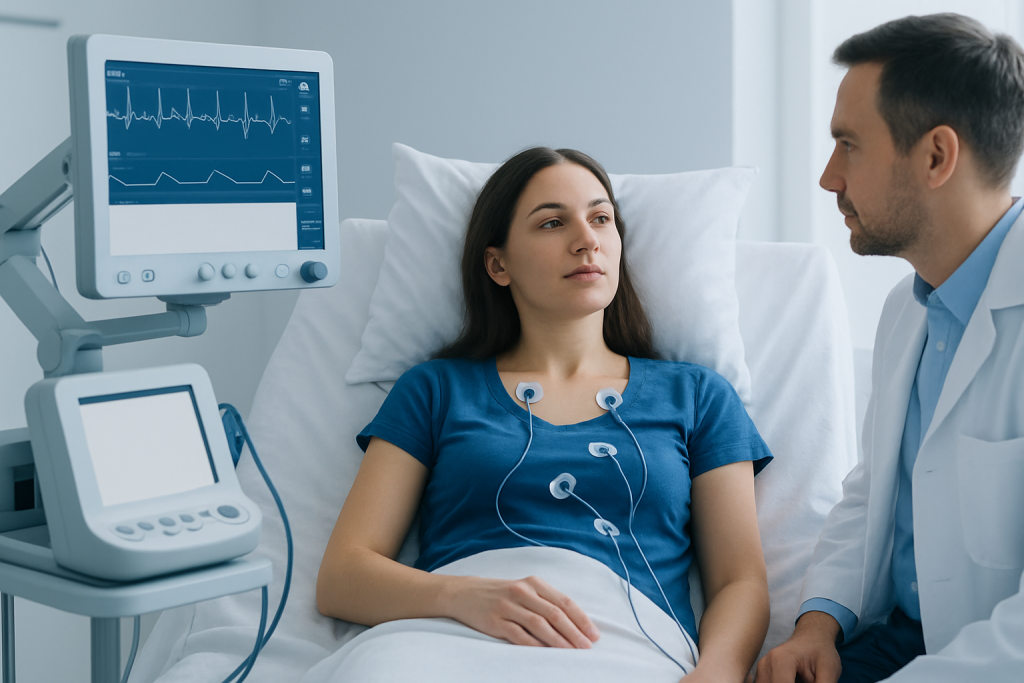
In many cases, the evaluation includes pulse and blood pressure measurements lying down and after standing. Some patients may have a tilt-table test or other autonomic testing if the diagnosis is not straightforward or if another condition needs to be ruled out. Blood tests or heart rhythm tests may also be used to check for anemia, thyroid disorders, dehydration, or cardiac causes of similar symptoms.
A diagnosis of POTS is usually made only after excluding other reasons for tachycardia and orthostatic symptoms. This careful approach is helpful because treatment decisions depend on knowing whether the main issue is volume depletion, deconditioning, medication effects, an arrhythmia, or true autonomic dysfunction.
Treatment Options
Treatment is typically layered rather than based on one single remedy. The first goal is to reduce symptom triggers and improve the body’s ability to tolerate standing. Many people begin with non-drug measures, then add medicine if symptoms remain disruptive.
Practical measures may include increasing fluids, using salt as advised by a clinician, and wearing compression garments to limit blood pooling in the legs. Regular, carefully paced physical activity is often helpful, especially programs that begin with recumbent or low-upright exercise and progress slowly. The goal is not to push through severe symptoms, but to rebuild tolerance in a sustainable way.
For some patients, doctors may consider medicines that help control heart rate, support blood vessel tone, or improve blood volume. The choice depends on the person’s symptom pattern, blood pressure, other health conditions, and medication tolerance. Follow-up is important because POTS management often requires adjustment over time, especially if symptoms change after illness, travel, or changes in activity level.
Prevention & Self-care
Not every flare can be prevented, but many people learn which habits make standing and daily activity more manageable. Consistency usually helps more than dramatic changes, especially when the body is sensitive to hydration, heat, and sudden posture shifts.
Simple routines can make a meaningful difference: rising slowly from bed, drinking regularly through the day, avoiding long periods of standing still, and planning rest breaks during errands or sightseeing. Some people also do better when they limit heavy meals before active periods, since digestion can add to lightheadedness.
For international patients, self-care also means planning around the realities of travel. Long flights, unfamiliar climates, jet lag, and busy schedules can all increase symptoms, so it is sensible to discuss travel timing, mobility, and medication plans before departure. A written list of triggers, current treatments, and emergency contacts can be useful if care is needed away from home.
- Keep a symptom diary to spot patterns
- Stay hydrated, especially in heat or during travel
- Choose gradual exercise over sudden intense effort
- Use cooling strategies if warm environments worsen symptoms
- Ask a doctor before making major changes to salt intake, supplements, or medications
Living With POTS Across Borders
For people seeking assessment or treatment abroad, POTS can be frustrating because the symptoms may be invisible to others while still affecting every part of the day. Clear communication helps: bringing previous test results, a medication list, and notes about standing symptoms can make the first consultation more efficient.
It is also useful to think about recovery in practical terms. After testing or treatment, some patients do best with a plan that includes hydration guidance, graded activity, and a follow-up pathway once they return home. Remote review of records and coordinated care with local doctors can help keep progress steady.
Acibadem Health Point’s multidisciplinary specialists and JCI-accredited hospitals can help diagnose and treat this condition for international patients, with attention to both the medical details and the logistics of cross-border care.
When to See a Doctor
A medical evaluation is appropriate if standing regularly causes dizziness, racing heart, faintness, or exhaustion that interferes with daily life. It is especially important to seek care when symptoms are persistent, getting worse, or affecting school, work, driving, or basic routines.
Prompt assessment is also wise if there is actual fainting, chest pain, shortness of breath, unusual palpitations, unexplained weight loss, blood in stool, severe dehydration, or a recent infection followed by ongoing symptoms. These features may point to conditions that need direct treatment.
Even when symptoms have been present for a long time, a diagnosis can still be worthwhile. Understanding the cause often reduces uncertainty and opens the door to a plan that is more realistic, safer, and easier to maintain.
Frequently asked questions
Is POTS syndrome a heart condition?
POTS affects the heart rate, but it is usually considered an autonomic nervous system disorder rather than a primary heart disease. The heart itself may be structurally normal. A doctor may still order heart tests to rule out other causes of similar symptoms.
Can POTS go away on its own?
Some people improve over time, while others have ongoing symptoms that need long-term management. The course varies widely from person to person. Early recognition and a good treatment plan can make day-to-day life easier.
What makes POTS symptoms worse?
Heat, dehydration, prolonged standing, sudden position changes, illness, and long periods of inactivity can all trigger symptoms. Stress and poor sleep may also make the body less tolerant of standing. Identifying personal triggers is often very helpful.
How is POTS different from simple dehydration?
Dehydration can cause lightheadedness and a fast heart rate, but POTS is more persistent and is linked to an abnormal heart-rate response when standing. The two can overlap, which is why a clinician may check hydration status as part of the evaluation. Treating dehydration alone is not always enough if POTS is present.
Can exercise help when standing feels difficult?
Yes, but the approach usually needs to be gentle and gradual. Many people start with recumbent or low-impact exercise before progressing to more upright activity. A clinician or rehabilitation specialist can help tailor the plan to the person’s tolerance.
What should someone bring to an appointment for suspected POTS?
A symptom diary, medication list, previous test results, and notes about triggers are very useful. It also helps to describe what happens when standing versus lying down, how long symptoms have been present, and whether fainting has ever occurred. These details can speed up the diagnostic process.
References
- National Institute of Neurological Disorders and Stroke
- Mayo Clinic
- Cleveland Clinic
- Johns Hopkins Medicine
- National Health Service
This article is for general information only and is not a substitute for professional medical advice. Please consult a qualified doctor about your individual situation.