

Achilles Tendinitis: Symptoms, Causes and Treatment

Key Takeaways
- Achilles tendinitis often develops from repeated strain rather than a single injury.
- Pain is usually felt at the back of the heel or lower calf, especially with movement or first steps.
- Diagnosis is mainly based on history and examination, with imaging used when needed.
- Treatment usually focuses on rest from aggravating activity, heel support, and progressive rehabilitation.
- Early care can help reduce the risk of long-lasting symptoms or tendon rupture.
Medically reviewed by the Acıbadem clinical team — August 19, 2026
Achilles tendinitis is an overuse condition that affects the tendon connecting the calf muscles to the heel. With the right diagnosis, activity changes, and guided rehabilitation, most people can improve and return to walking, exercise, and sport more comfortably.
Overview
Achilles tendinitis is a painful irritation of the Achilles tendon, the strong band of tissue that links the calf muscles to the heel bone. It is common in people who run, jump, hike, or suddenly increase their activity, but it can also appear in anyone whose daily routine places repeated stress on the tendon.
The condition is usually an overuse problem. Instead of calming down between loads, the tendon becomes irritated and may begin to stiffen or thicken. Some people notice pain only during exercise, while others feel it when getting out of bed, climbing stairs, or standing after sitting for a long time.
Although the name sounds simple, the experience can be frustrating because Achilles pain often interrupts movement in a very practical way: walking to work, going up stairs, training for a trip, or simply keeping up with a busy day. The encouraging part is that most cases improve with structured treatment, patience, and a gradual return to activity.
Symptoms
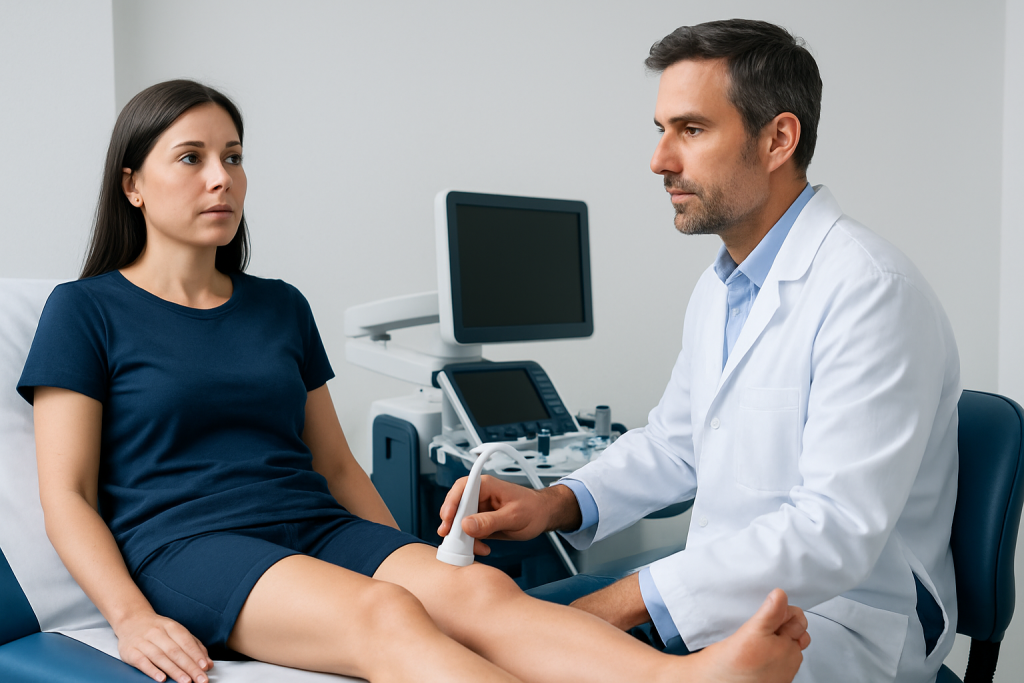
The most typical sign is pain or tenderness along the back of the heel or lower calf. The discomfort may start mildly and become more noticeable with walking, running, uphill movement, or pushing off the foot. Some people also describe stiffness, especially after rest or on first steps in the morning.
Symptoms can vary depending on whether the pain is higher up in the tendon or closer to where it attaches to the heel bone. In either case, the area may feel tight, swollen, warm, or sensitive when touched. Shoes with a stiff heel counter can sometimes make the pain more obvious.
Common features include:
- Pain during or after activity
- Morning stiffness or stiffness after sitting
- Tenderness along the tendon
- Swelling or thickening
- Reduced comfort when climbing stairs or standing on tiptoe
If the tendon suddenly gives way, with a sharp pop and difficulty walking, that is a different and more urgent problem that may suggest a rupture rather than tendinitis.
Causes & Risk Factors
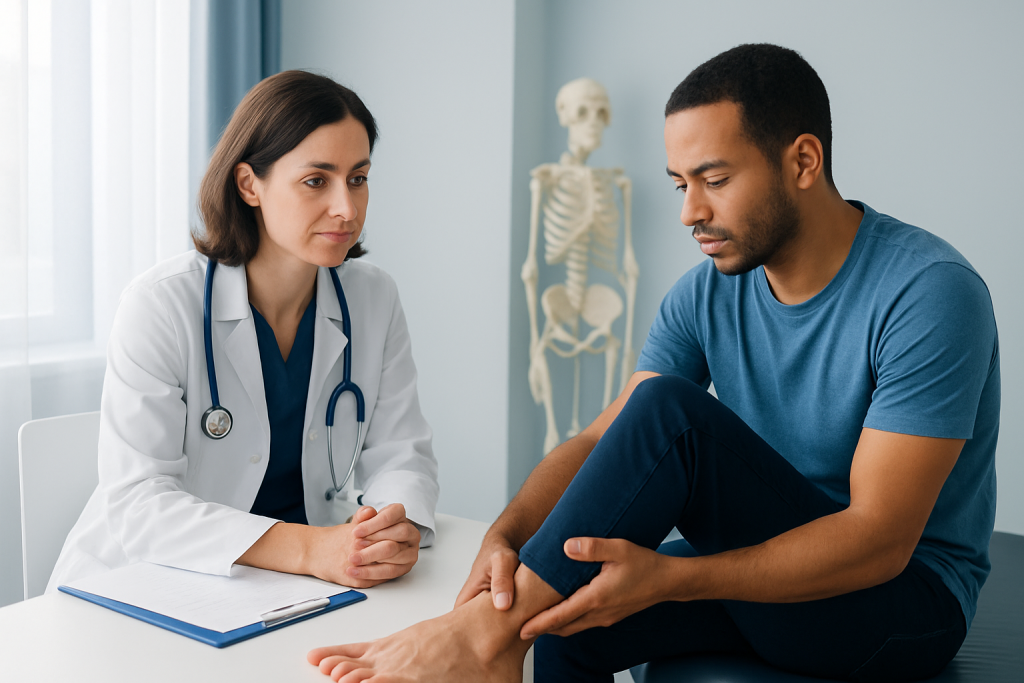
Achilles tendinitis usually develops when the tendon is asked to do more than it can comfortably handle. Repeating the same loading pattern day after day, or changing training too quickly, can create small injuries faster than the tendon can repair them. That is why symptoms often appear after a new exercise plan, a period of inactivity followed by intense activity, or a change in footwear.
Several factors can raise the chance of developing Achilles pain. These include tight calf muscles, poor ankle flexibility, flat feet or high arches, running on hard or uneven surfaces, and activities that involve repeated jumping or sprinting. Age can also play a role, because tendons gradually become less adaptable over time.
Other contributors may include obesity, certain inflammatory conditions, and some medicines that affect tendon health. However, most cases are not caused by one single event. They are usually the result of a mix of load, movement pattern, and tissue recovery.
People who travel frequently for sports events or work may notice that long periods of sitting followed by sudden bursts of walking, sightseeing, or exercise can irritate a sensitive tendon. That pattern is worth paying attention to, especially when routines change across time zones and surfaces.
Diagnosis
Diagnosis begins with a detailed conversation about the pain: when it started, what makes it better or worse, and how it affects walking or exercise. A clinician will also examine the heel, calf, and ankle, checking for tenderness, swelling, stiffness, and the way the foot moves.
In many cases, the history and physical examination are enough to identify Achilles tendinitis. Imaging is not always needed, but it can be helpful if the symptoms are unusual, long-lasting, or severe. Ultrasound may show tendon thickening or irritation, while MRI is sometimes used when the diagnosis is uncertain or another problem is suspected.
The main goal of evaluation is to separate tendinitis from other causes of heel pain, such as bursitis, plantar fasciitis, or, in more serious cases, a partial tear or rupture. A careful diagnosis matters because each condition has a different recovery plan.
For international patients, the diagnostic process may also include reviewing prior scans, training records, or previous treatments brought from home. That broader picture can help a specialist understand what has already been tried and what recovery environment will be most realistic after travel.
Treatment Options
Treatment usually starts with reducing the activities that are provoking the tendon, but not necessarily stopping all movement. A completely inactive approach is rarely the best answer. Instead, the tendon is usually guided through a period of relative rest, followed by controlled loading that helps it recover strength and tolerance.
Supportive measures may include ice after activity, temporary changes in footwear, heel lifts, and anti-inflammatory medicine when appropriate and recommended by a doctor. Physical therapy is often central to care. A therapist can teach stretching and strengthening exercises, especially gradual calf strengthening, which is one of the most important parts of recovery.
Some people benefit from a walking boot or a short period of protected weight-bearing if pain is limiting daily function. In persistent cases, a clinician may discuss other treatments, but surgery is generally reserved for uncommon situations that do not improve with comprehensive non-surgical care.
Rehabilitation is usually stepwise. The tendon is asked to do a little more only when symptoms are settling, which helps avoid the cycle of overdoing it, flaring up, and starting over. This same principle is especially useful for patients planning to return to work or sport after treatment away from home.
- Activity modification rather than complete inactivity
- Calf stretching and progressive strengthening
- Shoe adjustments or heel support
- Physical therapy and return-to-sport planning
- Selective use of medication or protective devices under medical guidance
Prevention & Self-care
Prevention focuses on keeping the tendon’s workload in step with what it can tolerate. A gradual increase in running distance, jumping volume, hills, or speed work is usually safer than a sudden jump in intensity. Warm-up routines and calf flexibility work can also help prepare the tendon for activity.
Footwear matters more than many people expect. Shoes that fit well, support the activity, and are not overly worn can reduce unnecessary stress. For some people, temporary heel lifts or orthotic support may ease strain, especially during the early recovery phase.
Self-care also means listening to early warning signs. Pain that eases with rest but returns the next day may be a sign that the tendon is not tolerating current demands. Adjusting activity early is often easier than waiting until every step hurts.
Useful habits include:
- Increase training gradually
- Cross-train to reduce repetitive strain
- Choose supportive, activity-appropriate shoes
- Keep calf muscles flexible and strong
- Allow recovery time between intense sessions
For people recovering while abroad or between countries, it helps to keep a simple record of symptoms, exercises, and activity changes. That makes follow-up easier if care continues with a different clinician after travel.
When to See a Doctor
Medical evaluation is a good idea when heel pain lasts more than a short time, keeps returning, or limits walking, exercise, or work. A doctor should also be consulted if pain is getting worse despite rest, or if the tendon area becomes visibly swollen and increasingly tender.
Prompt care is important if there is a sudden sharp pain, a popping sensation, or difficulty pointing the foot downward or standing on tiptoe. Those symptoms may suggest a tendon tear or rupture, which needs faster assessment.
People with diabetes, inflammatory arthritis, or a history of tendon problems should not ignore ongoing Achilles pain, because these factors can affect healing. The same is true if a new medication or a recent increase in physical activity seems to have triggered the symptoms.
If treatment is needed during international travel, a specialist can usually review the timeline, examine the tendon, and help create a recovery plan that fits the patient’s itinerary. Acibadem Health Point’s multidisciplinary specialists and JCI-accredited hospitals can diagnose and treat Achilles tendinitis for international patients, with follow-up planning that supports continuity of care.
Living With Recovery
Recovery from Achilles tendinitis is often less about one dramatic fix and more about steady progress. The tendon usually responds best when pain levels, strengthening, and activity changes are balanced carefully over time. Small improvements in walking comfort and morning stiffness are often the first signs that treatment is working.
It can be tempting to return to full sport as soon as symptoms ease, but tendons often need longer than muscles to regain full load tolerance. A gradual return plan helps reduce setbacks and makes it more likely that activity can be sustained once it resumes.
Patients who need to continue treatment across borders may find it helpful to keep copies of imaging reports, exercise instructions, and treatment notes. That simple habit can make conversations with future clinicians clearer and can reduce duplication when follow-up care is arranged in another country.
Frequently asked questions
Is Achilles tendinitis the same as Achilles tendonitis?
Yes. Both terms are used, although tendinitis is more commonly written in many patient materials. The condition refers to irritation and pain in the Achilles tendon.
Can Achilles tendinitis heal without surgery?
In most cases, yes. Treatment usually relies on activity changes, physical therapy, and a gradual return to loading, while surgery is only considered for uncommon, stubborn cases.
Should exercise stop completely if the Achilles tendon hurts?
Not always. Many people do better with relative rest rather than full inactivity, meaning they reduce the activity that triggers pain while keeping up safe movement and rehabilitation.
How long does recovery usually take?
Recovery time varies depending on how long symptoms have been present and how the tendon responds to rehabilitation. Improvement is often gradual, so patience and consistency are important.
What shoes are best during recovery?
Supportive shoes that reduce strain on the back of the heel are usually more comfortable than flimsy or very worn footwear. A clinician or physical therapist may suggest a heel lift or other temporary support if needed.
Can Achilles tendinitis come back?
Yes, especially if training increases too quickly or calf strength and flexibility are not restored. A guided rehabilitation plan and sensible activity progression help lower the chance of recurrence.
References
- Mayo Clinic
- American Academy of Orthopaedic Surgeons
- National Health Service
- Cleveland Clinic
- Orthopaedic Research Society
This article is for general information only and is not a substitute for professional medical advice. Please consult a qualified doctor about your individual situation.
Joint and spine care in Turkey — expert assessment & treatment
JCI-accredited · board-certified surgeons · reply within 24h
Add us as a Preferred Source to see more of our trusted health content across Google Search, AI Overviews and Discover.
More from the Health Library



Related Specialists

Prof. Dr. Ahmet Alanay
Orthopedic Surgery & Traumatology
Dr. Sinan Aksu
Orthopedic Surgery & Traumatology
Dr. Sirri Baştürk
Orthopedic Surgery & Traumatology
Prof. Dr. Korhan Özkan
Orthopedic Surgery & Traumatology