Heating Pad For Cramps

Key Takeaways
- Heat can help relax tight muscles and may ease cramp pain for some people.
- A heating pad should be warm, not hot, to reduce the risk of skin burns.
- Cramps that are severe, frequent, or unusual deserve medical evaluation.
- Heat is supportive care, not a substitute for diagnosing the cause of pain.
- People with nerve problems, reduced sensation, or pregnancy-related concerns should ask a clinician before using heat.
A heating pad for cramps can be a simple, comforting way to reduce pain from menstrual cramps or muscle tension. Used correctly, heat may help the body relax and make everyday discomfort easier to manage while the underlying cause is being addressed.
Overview
For many people, a heating pad for cramps is one of the simplest ways to make pain feel more manageable. The warmth can soothe tense muscles, improve comfort, and create a brief pause from the squeezing, aching, or heavy sensation that often comes with menstrual cramps or other muscle spasms.
Heat is not a cure for the underlying reason cramps happen, but it can be a useful part of day-to-day care. It may be especially helpful when pain is mild to moderate, when someone wants a non-medicine option, or when cramps appear at predictable times and need a practical, at-home response.
For Myomectomy Recovery for International Patients: The Usual Travel Timeline" class="ahp-ilk">international patients or travelers, heat therapy also has a practical advantage: it is portable, familiar, and easy to use while resting in a hotel room, recovering after a procedure, or waiting for a follow-up appointment. Still, if cramps are new, severe, or changing in pattern, they should be assessed rather than simply covered up with warmth.
Symptoms That May Respond to Heat
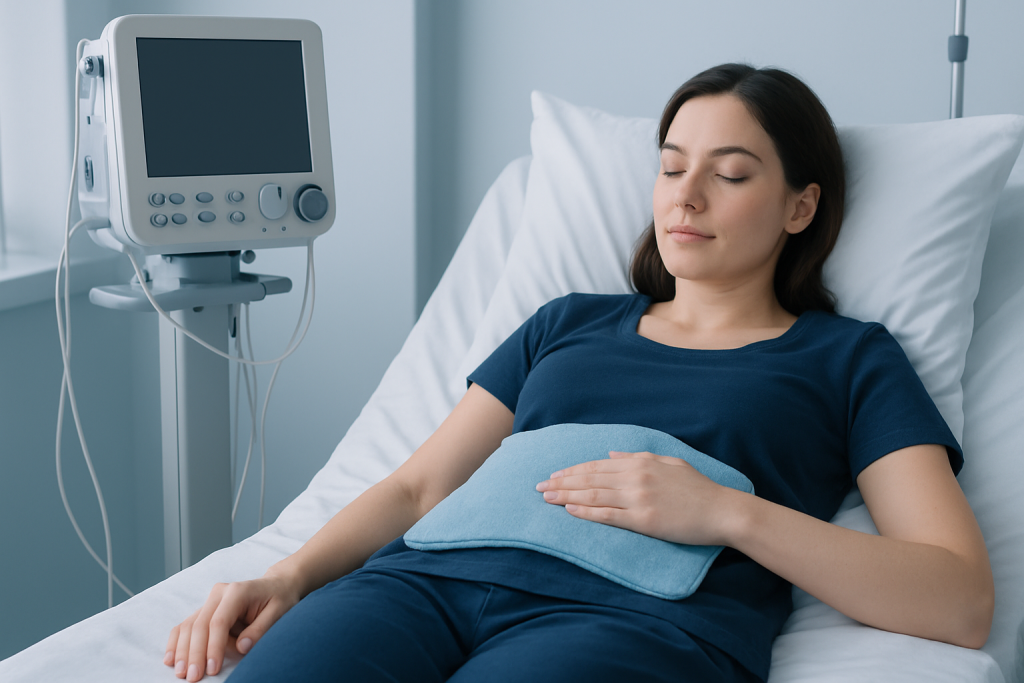
Heat is most often used for cramps that feel like tightness, pressure, or a dull ache. Menstrual cramps commonly create pain in the lower abdomen, lower back, or hips, and warmth may help those muscles loosen enough for the discomfort to become less distracting.
Some people also use a heating pad for other cramp-like pain, such as muscle spasms after exercise or tension in the lower back. In these situations, heat may feel especially soothing when the muscles are stiff rather than swollen or freshly injured.
Heat is usually not the best choice for every type of pain. If the area is red, very swollen, bruised, or painful after a recent injury, cold therapy or medical assessment may be more appropriate. Pain that comes with fever, vomiting, fainting, heavy bleeding, or a sudden change in pattern deserves prompt attention.
Causes & Risk Factors
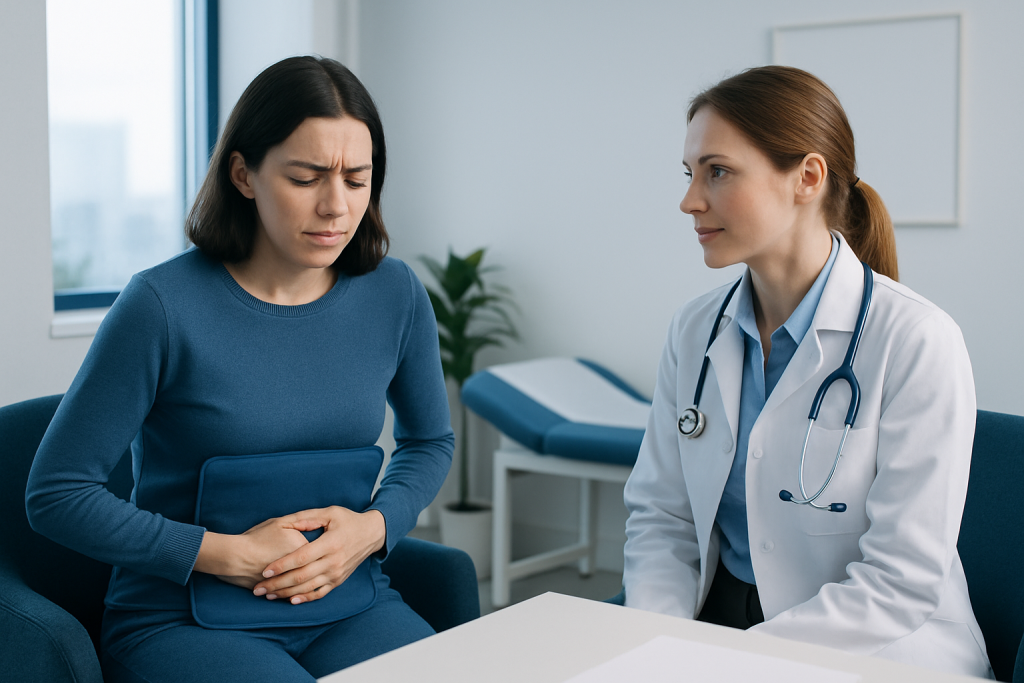
Cramps happen when muscles contract and do not fully relax for a period of time. In menstrual cramps, the uterus contracts to help shed its lining, and those contractions can cause pain in the pelvis and lower back. In muscle cramps elsewhere in the body, overuse, dehydration, fatigue, poor posture, or electrolyte imbalance may contribute.
Certain factors can make cramping more likely or more noticeable. These include stress, limited sleep, a sedentary routine, intense physical activity, and underlying conditions such as endometriosis, fibroids, adenomyosis, irritable bowel syndrome, or urinary problems. The same heating pad may feel helpful in these situations, but the cause should still be identified when symptoms are persistent.
People with reduced sensation, diabetes-related nerve changes, fragile skin, or circulation problems need extra caution with heat. They may not notice when a pad is too hot or has been used too long, which increases the risk of skin injury.
Diagnosis
If cramps are occasional and clearly linked to menstruation or exercise, a doctor may not need extensive testing right away. In that setting, the first step is often a conversation about where the pain is located, how long it lasts, what triggers it, and whether heat, rest, movement, or medication helps.
When cramps are severe, recurring, or unusual, clinicians may suggest an exam or tests to look for a specific cause. For menstrual or pelvic pain, this can include a pelvic examination, pregnancy testing when relevant, blood tests, urine tests, or imaging such as ultrasound. For muscle cramps, the evaluation may focus on hydration, medications, nerve symptoms, and metabolic causes.
Keeping a simple symptom record can be useful, especially for people arranging care across countries. Notes about timing, bleeding, bowel changes, fever, travel, activity, and what relieves the pain can help the clinician decide whether heat alone is reasonable or whether a deeper workup is needed.
Treatment Options
A heating pad for cramps is usually part of supportive care rather than the only treatment. The most helpful plan depends on the cause, but common approaches include rest, hydration, gentle movement, over-the-counter pain relief when appropriate, and heat applied to the painful area.
Safe heat use matters as much as the choice to use it. The pad should feel comfortably warm, not sharply hot, and it should never be placed directly on bare skin for long periods. Short sessions with a layer of clothing or cloth between the skin and the heat source can lower the risk of burns while still providing comfort.
For menstrual cramps that do not improve with basic measures, a clinician may discuss additional options such as anti-inflammatory medicines, hormonal treatment, or evaluation for conditions like endometriosis or fibroids. For other cramp types, treatment may focus on correcting hydration, reviewing medications, addressing constipation, or treating the underlying muscle or nerve issue.
Some people combine heat with breathing exercises, light stretching, or a warm shower. That combination can be especially helpful when pain leads to guarding or stiffness, because the goal is not only to dull the sensation but also to let the body unclench.
Prevention & Self-care
People who regularly rely on a heating pad for cramps often benefit from building a broader self-care routine. Regular meals, adequate fluid intake, moderate physical activity, and enough sleep can make cramping episodes less disruptive for some people.
For menstrual cramps, some find that tracking cycles helps them prepare in advance with heat, rest, and any clinician-recommended medicine. Gentle movement, stretching the hips and lower back, and using a comfortable seated or lying position may also reduce the sense of pressure.
- Use a heating pad on a low or medium setting.
- Limit each session and check the skin regularly.
- Do not fall asleep with the pad in place unless it is specifically designed for that purpose and the instructions allow it.
- Avoid using heat on numb, irritated, or injured skin.
- Keep the pad clean and in good repair.
For people recovering while traveling, a disposable heat patch or rechargeable pad may be convenient, but the same safety rules apply. If the pain is worsening instead of settling, it is better to pause self-care and seek medical guidance.
When to See a Doctor
Medical review is a good idea when cramps are severe enough to interrupt work, sleep, travel, or daily activities, or when they are getting worse over time. Pain that does not improve with ordinary measures such as heat, rest, hydration, or clinician-approved medicine should not be dismissed as routine.
Anyone with pelvic pain plus heavy bleeding, pain during sex, fever, fainting, vomiting, or possible pregnancy should seek prompt evaluation. The same is true for cramps that come with blood in the urine or stool, major changes in bowel habits, leg swelling, weakness, or numbness.
For international patients, it can be helpful to seek care before traveling home if symptoms are unstable, or to arrange follow-up soon after arrival if treatment has already begun. Acibadem Health Point’s multidisciplinary specialists and JCI-accredited hospitals can help diagnose and treat cramps and related conditions for international patients in a coordinated way.
Whether the pain turns out to be menstrual, muscular, digestive, or related to another condition, the most useful care plan is one that matches the cause. Heat can still play a role, but it works best when the diagnosis is clear and the treatment approach is tailored to the person.
Frequently asked questions
Can a heating pad help with menstrual cramps?
Yes, many people find that warmth eases menstrual cramps by relaxing the lower abdominal muscles and reducing the feeling of tightness. It is a supportive measure, so it may be used along with rest, hydration, and any medicines recommended by a doctor.
How long should a heating pad be used for cramps?
It is safest to use heat in short sessions and to check the skin frequently. The pad should feel warm rather than hot, and it should not be left on long enough to cause redness, discomfort, or sleep-related burns.
Is heat better than ice for cramps?
Heat is often preferred for muscle tightness and menstrual cramping because it helps muscles relax. Ice is usually more useful for recent injuries, swelling, or bruising, so the best choice depends on the type of pain.
Can a heating pad treat the cause of cramps?
No, a heating pad does not treat the underlying cause. It may relieve symptoms while a clinician evaluates whether the cramps are related to menstruation, muscle strain, digestive issues, or another condition.
Are there times when heat should be avoided?
Yes, heat should be avoided on numb skin, open wounds, swollen injuries, or areas that are already red and inflamed. People with reduced sensation, circulation problems, or pregnancy-related concerns should ask a clinician before using it.
When should cramps be checked by a doctor?
Cramps should be evaluated if they are severe, recurring, unusual, or accompanied by heavy bleeding, fever, vomiting, fainting, or possible pregnancy. New pain that changes a person’s usual pattern also deserves medical attention.
References
- American College of Obstetricians and Gynecologists
- Mayo Clinic
- NHS
- Cleveland Clinic
- Merck Manual Consumer Version
This article is for general information only and is not a substitute for professional medical advice. Please consult a qualified doctor about your individual situation.
More from the Health Library


Related Specialists

Prof. Dr. A. Taner Usta
Gynecology & Obstetrics
Prof. Dr. Ahmet Tayyar
Gynecology & Obstetrics
Prof. Dr. Ahmet Cem Batukan
Gynecology & Obstetrics
Dr. Sevgi Selen
Gynecology & Obstetrics