Blighted Ovum

Key Takeaways
- A blighted ovum is an early pregnancy loss and not a viable pregnancy.
- It is often diagnosed on ultrasound when a gestational sac is seen without an embryo.
- The most common cause is a random chromosomal problem that prevents normal development.
- Treatment may involve expectant care, medication, or a procedure, depending on the situation and the person’s preferences.
- Most people recover physically and can go on to have healthy future pregnancies.
A blighted ovum, also called an anembryonic pregnancy, is an early pregnancy loss in which a gestational sac develops but an embryo does not. It is often discovered during the first ultrasound and can be emotionally difficult, but it is usually not caused by anything the pregnant person did or did not do.
Overview
A blighted ovum, more commonly called an anembryonic pregnancy, is one of the earliest forms of pregnancy loss. In this situation, fertilization and implantation have occurred, and a pregnancy sac begins to form, but the embryo either never develops or stops developing very early. On ultrasound, the sac may be visible before the loss is recognized.
For many people, the diagnosis arrives during what should have been a hopeful first scan. That moment can feel confusing because pregnancy symptoms may still be present, and a positive pregnancy test may have already confirmed the news. Understanding what the term means can make the next steps feel less abrupt and help the person and their care team decide on the most suitable way to proceed.
Although the name sounds technical, the concept is straightforward: the pregnancy did begin, but it did not progress normally. This is a medical event, not a sign of failure or something that could have been prevented by ordinary activity, travel, exercise, or emotional stress.
Symptoms
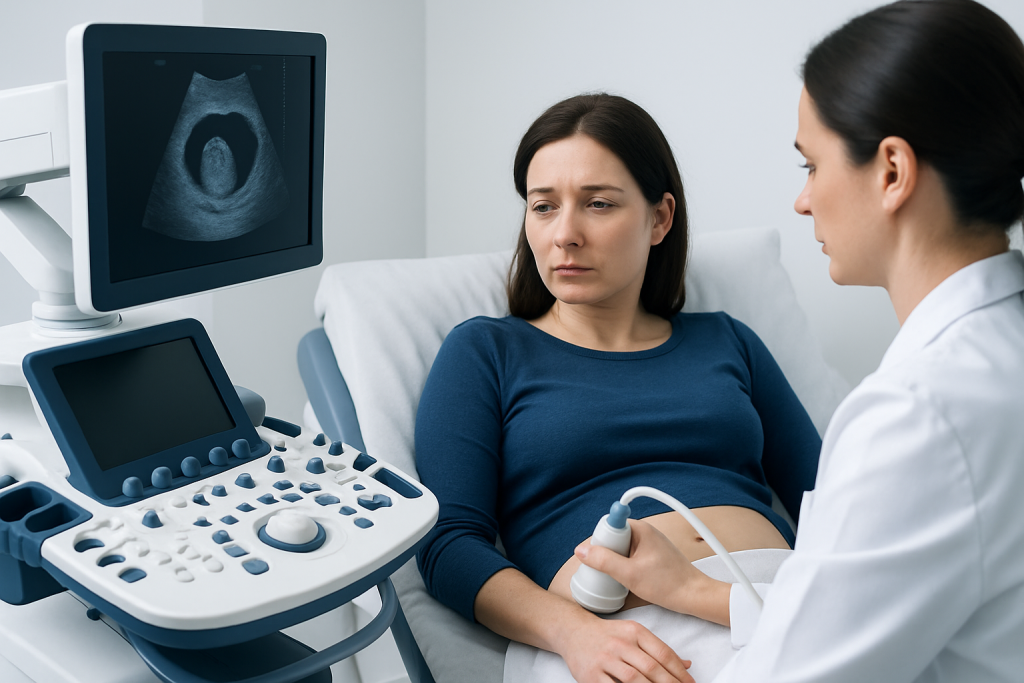
Some people with a blighted ovum notice no warning signs at all until an ultrasound is performed. Others may have symptoms that resemble those of a normal early pregnancy, such as breast tenderness, nausea, or fatigue, because pregnancy hormones can remain present for a time even when the embryo is no longer developing.
When symptoms do appear, they may include light vaginal spotting, bleeding, or cramping. In some cases, pregnancy symptoms begin to fade, but this does not happen in every person and is not a reliable way to tell what is happening inside the uterus.
- Positive pregnancy test followed by an ultrasound showing a gestational sac without a visible embryo
- Vaginal spotting or bleeding
- Cramping or pelvic discomfort
- Symptoms of early pregnancy that seem to lessen over time
Because these signs are also seen in pregnancies that continue normally, they are not enough to confirm the diagnosis. Ultrasound assessment and, at times, repeat testing are used to make sure the findings are accurate before any treatment plan is chosen.
Causes & Risk Factors

The most common reason for a blighted ovum is a chromosomal abnormality in the fertilized egg. In simple terms, the embryo does not receive the correct genetic instructions needed for early development. This usually happens by chance and is not something a person can control.
Other factors may contribute to early pregnancy loss in general, but many cases of anembryonic pregnancy happen without a clearly identifiable cause. Age can play a role in the broader risk of miscarriage, and some underlying health conditions may affect pregnancy health, but a blighted ovum often occurs even in people with no known risk factors.
It is also important to know what does not usually cause this condition. Normal exercise, sexual activity, work, stress, routine travel, and ordinary daily movement are not responsible for a blighted ovum. Many people feel compelled to search for an explanation, but in most cases the problem begins very early and randomly at the genetic level.
Diagnosis
Diagnosis usually starts with a routine early pregnancy ultrasound. If a gestational sac is seen but an embryo is not visible when one would normally be expected, the clinician may recommend a repeat scan after a short interval. This step matters because very early pregnancies can sometimes be simply too early to measure clearly.
Blood tests that measure human chorionic gonadotropin (hCG) may also be used. In a normal early pregnancy, hCG typically rises in a predictable way, but patterns can vary, so ultrasound remains the key tool for confirming an anembryonic pregnancy.
Care teams are careful not to label a pregnancy loss too soon. Clear diagnostic criteria and follow-up imaging help distinguish a true blighted ovum from a pregnancy that is earlier than expected, reducing the risk of uncertainty or premature intervention. For Myomectomy Recovery for International Patients: The Usual Travel Timeline" class="ahp-ilk">international patients, this may mean coordinating records, scan timing, and follow-up care across more than one clinic or country.
Treatment Options
Once the diagnosis is confirmed, the person and clinician usually discuss three main approaches: expectant management, medication, or procedural treatment. The best option depends on symptoms, how far the pregnancy has progressed, medical history, and personal preference.
Expectant management means waiting for the body to pass the pregnancy tissue naturally. Some people prefer this approach because it avoids procedures and medication, though it can take time and may involve unpredictable bleeding and cramping.
Medication may be recommended to help the uterus empty more predictably. A procedure, often performed in a clinic or hospital setting, can remove the pregnancy tissue more quickly. This may be chosen when bleeding is heavy, when infection is a concern, or when a person prefers a faster resolution. Each option has benefits and possible downsides, and the right choice is often the one that aligns best with the person’s health status and circumstances.
Emotional support is part of treatment too. Even when the loss occurs very early, it can still feel significant. Some people want clear medical explanations, while others need time, privacy, and a calm conversation before deciding how to move forward.
Prevention & Self-care
There is usually no specific way to prevent a blighted ovum because the most common cause is a random chromosomal problem. That said, general pre-pregnancy and early-pregnancy health measures can support overall reproductive health and help create the best possible conditions for a future pregnancy.
Helpful self-care steps may include taking prenatal vitamins as advised, managing chronic conditions such as thyroid disease or diabetes, avoiding tobacco and recreational drugs, limiting alcohol, and keeping routine prenatal appointments. These measures do not prevent every early loss, but they are sensible parts of pregnancy preparation and care.
After a diagnosis, self-care also means allowing time for both physical and emotional recovery. Rest, hydration, and watching for concerning symptoms are important. People who are traveling for care may also need a practical plan for recovery, follow-up ultrasound, and access to medical advice after returning home.
- Ask the care team which symptoms are expected and which are not
- Keep follow-up appointments, especially if the diagnosis was made on an early scan
- Arrange support for transportation, rest, and daily tasks if treatment is planned
- Discuss future pregnancy timing only after the clinician confirms recovery is complete
When to See a Doctor
Medical review is important whenever there is vaginal bleeding in pregnancy, pelvic pain, or a positive pregnancy test with uncertain scan findings. A clinician can determine whether the pregnancy is simply too early to confirm or whether the signs point to a miscarriage such as a blighted ovum.
Urgent care is needed for heavy bleeding, severe pain, dizziness, fainting, fever, or foul-smelling discharge. These symptoms can suggest complications that should be assessed promptly, regardless of the final diagnosis.
People who have been told they may have an anembryonic pregnancy should also seek follow-up if they are unsure about the plan, if symptoms change, or if they need help choosing between waiting, medication, or a procedure. Clear guidance can make the experience more manageable, especially for those coordinating care from another country. At Acibadem Health Point, multidisciplinary specialists and JCI-accredited hospitals support the diagnosis and treatment of this condition for international patients in a coordinated way.
Recovery and Future Pregnancies
Recovery after a blighted ovum is usually physical as well as emotional. Bleeding and cramping generally lessen over time, though the duration depends on the management method used. A clinician may advise when normal activities can resume and whether any temporary restrictions are needed.
Many people want to know when they can try for another pregnancy. The answer depends on the person’s recovery, test results, and overall health. A doctor can help decide when it is appropriate to begin trying again and whether any additional evaluation is useful, especially if there have been repeated losses.
Having one blighted ovum does not mean future pregnancies will be unsuccessful. In many cases, people later have healthy pregnancies. When needed, a fertility or women’s health specialist can review the history, explain next steps in plain language, and help create a plan that feels medically sound and emotionally manageable.
Frequently asked questions
What is the difference between a blighted ovum and a miscarriage?
A blighted ovum is a type of miscarriage, usually occurring very early in pregnancy. The pregnancy sac forms, but the embryo does not develop or is no longer visible on ultrasound. The term describes the specific pattern seen on imaging.
Can pregnancy symptoms continue with a blighted ovum?
Yes. Pregnancy hormones may remain present for a while, so nausea, breast tenderness, and fatigue can continue even after the embryo has stopped developing. Symptoms alone cannot confirm whether the pregnancy is viable.
Does a blighted ovum mean something is wrong with the mother?
Usually, no. Most cases are caused by a random chromosomal problem in the fertilized egg, not by anything the pregnant person did. In many situations, there is no preventable cause to identify.
How is a blighted ovum confirmed?
It is usually confirmed by ultrasound, sometimes with repeat imaging to be certain the pregnancy is not simply earlier than expected. Blood tests may be used as support, but ultrasound is the main diagnostic tool.
What happens after the diagnosis is made?
The care team usually discusses waiting for the body to pass the tissue naturally, using medication, or having a procedure to complete the miscarriage. The choice depends on symptoms, medical history, and personal preference.
Can someone get pregnant again after a blighted ovum?
Yes, many people go on to have healthy pregnancies afterward. A clinician may suggest waiting until recovery is complete and may review any additional testing only if there have been repeated losses or other concerns.
References
- American College of Obstetricians and Gynecologists
- Mayo Clinic
- National Health Service
- Cleveland Clinic
- World Health Organization
This article is for general information only and is not a substitute for professional medical advice. Please consult a qualified doctor about your individual situation.
More from the Health Library



Related Specialists

Prof. Dr. A. Taner Usta
Gynecology & Obstetrics
Prof. Dr. Ahmet Tayyar
Gynecology & Obstetrics
Prof. Dr. Ahmet Cem Batukan
Gynecology & Obstetrics
Dr. Sevgi Selen
Gynecology & Obstetrics