Mastectomy with Reconstruction
Mastectomy with reconstruction removes breast tissue affected by cancer or risk and rebuilds the breast in the same or a later operation. It aims to treat disease while preserving body image and…

Quick answer
Mastectomy with reconstruction removes breast tissue affected by cancer or risk and rebuilds the breast in the same or a later operation. It aims to treat disease while preserving body image and supporting recovery.
Medically reviewed by the Acıbadem clinical team — June 12, 2026
Mastectomy with Reconstruction: Understanding the Decision and What It Can Mean for You
Facing breast cancer surgery, or even a high-risk breast condition, often brings more than medical questions. Many people are trying to understand what the operation will change, how they will feel afterward, and what life may look like when the immediate treatment is over. For some, the thought of losing one or both breasts can be deeply distressing. For others, the priority is removing disease as safely as possible and then making a careful decision about rebuilding the breast.
Mastectomy with reconstruction addresses both of those concerns. It removes breast tissue that needs to come out and, in the same operation or later, restores the shape of the breast using reconstructive techniques. The goal is not only to treat disease, but also to support identity, comfort, and recovery in a way that feels medically appropriate and personally meaningful.
At Acibadem, this treatment is planned with close coordination between breast surgeons, plastic and reconstructive surgeons, oncology specialists, radiologists, pathologists, and dedicated nursing teams. That collaboration matters because the best plan is not the same for every patient. It depends on the type of breast disease, the stage of cancer if present, the need for radiation or chemotherapy, body type, skin quality, and the patient’s own preferences about timing and reconstruction options.
What Mastectomy with Reconstruction Is
A mastectomy is surgery to remove breast tissue. It may be recommended when a person has breast cancer, certain precancerous changes, or a very high inherited risk of developing breast cancer. Reconstruction is the process of rebuilding the breast shape after mastectomy. It can be done immediately, during the same operation, or delayed until a later date after other treatments are completed.
There are several ways to reconstruct the breast. Some procedures use an implant-based approach, where a breast implant is placed directly or after gradual expansion of the skin. Others use autologous reconstruction, which means the breast is rebuilt with the patient’s own tissue, often taken from the abdomen, back, thigh, or buttock. In some cases, surgeons use a combination of implant and tissue techniques.
Reconstruction can also include the later creation of the nipple and areola, if desired. The process is individualized and may involve one operation or multiple stages. In cancer care, reconstruction is coordinated with the treatment plan so that it supports both oncologic safety and functional recovery.
It is important to understand that reconstruction does not replace the removed breast tissue. Rather, it helps recreate breast contour and symmetry. Sensation may change, and the reconstructed breast may not feel exactly the same as the original breast. A careful discussion with the surgical team helps set realistic expectations before treatment begins.
Who May Need It, How It Is Diagnosed, and What Usually Leads to the Decision
Mastectomy with reconstruction is considered for patients in several situations. The most common is breast cancer, especially when the tumor is large relative to the breast size, there are multiple areas of disease, the cancer involves the skin or nipple, or breast-conserving surgery is not likely to provide the safest result. Some patients choose mastectomy because of a strong family history or a confirmed hereditary mutation that places them at high risk. Others may have recurrent cancer or abnormal tissue that requires removal after prior treatment.
Symptoms vary. Some patients notice a lump, thickening, nipple changes, discharge, skin dimpling, breast pain, or a change in shape. Others have no symptoms at all and receive a diagnosis through screening mammography, ultrasound, MRI, or biopsy after a suspicious finding. In high-risk patients, the decision may come after genetic counseling and advanced imaging rather than after a visible symptom.
The diagnostic pathway typically includes breast imaging, tissue sampling when needed, and pathology review to confirm whether the lesion is invasive cancer, ductal carcinoma in situ, atypical hyperplasia, or another condition. Additional scans may be used if there is concern about spread or if surgical planning requires more detail. In a multidisciplinary setting, the surgical team reviews the imaging, pathology, and any planned systemic therapy together before deciding whether immediate reconstruction is appropriate.
Patients often arrive at this decision after conversations about the tradeoffs between breast-conserving treatment and mastectomy, the role of radiation, and the likelihood of needing additional surgery. Some prefer the most conservative cancer operation possible, while others choose mastectomy because it better fits their medical situation or personal priorities. Reconstruction should always be discussed early, because it can influence incision planning, skin preservation, and whether immediate or delayed reconstruction is the better option.
Conditions and Indications This Treatment Addresses
Mastectomy with reconstruction may be recommended for a range of breast conditions. The exact treatment plan depends on pathology, imaging, genetic risk, and the overall cancer strategy.
- Invasive breast cancer, when the disease requires removal of the entire breast for local control.
- Ductal carcinoma in situ, especially when the area is extensive, multifocal, or not suitable for breast-conserving surgery.
- Locally recurrent breast cancer after prior lumpectomy or radiation.
- High-risk genetic mutations such as inherited changes that significantly raise the lifetime risk of breast cancer.
- Extensive atypia or preinvasive disease in selected cases where the surgical team recommends more definitive management.
- Symmetry procedures after prior treatment, when a patient needs mastectomy on one side and chooses reconstruction to restore balance.
- Occasionally, non-cancerous but serious breast conditions when surgery is part of a broader risk-reduction strategy recommended by the care team.
For some patients, reconstruction is part of immediate cancer surgery. For others, it is delayed until after chemotherapy or radiation. The timing matters because cancer treatment can affect wound healing, skin quality, and the choice of reconstructive method.
How the Treatment Is Performed
Before surgery, the team reviews imaging, pathology, medical history, medications, and previous operations. If reconstruction is being considered, the patient meets both the breast surgeon and the reconstructive surgeon so that the cancer operation and the rebuilding plan are aligned. This is also the time to discuss whether one or both breasts are involved, whether lymph node surgery is needed, and whether nipple-sparing, skin-sparing, or more traditional mastectomy is appropriate.
Preparation may include blood tests, cardiac or anesthetic evaluation if needed, and instructions about fasting, medications, and smoking cessation. Patients are also counseled about drains, wound care, activity limitations, and what to expect from the first days after surgery. If a patient is likely to need radiation, the team may recommend a reconstructive approach that better fits that treatment sequence.
On the day of surgery, the patient receives anesthesia and the surgical team proceeds with the mastectomy. The surgeon removes the breast tissue while preserving as much healthy skin as safely possible. Depending on the cancer location and treatment plan, the nipple and areola may be preserved or removed. If lymph node evaluation is required, it is often performed during the same operation.
Reconstruction then begins either immediately or in a later stage. If an implant-based method is used, the surgeon may place a tissue expander or a permanent implant. If more space or tissue support is needed, a mesh or biologic material may be used to help create a stable pocket. If autologous reconstruction is chosen, tissue is carefully transferred from another area of the body and shaped into a breast mound. Microsurgical techniques may be used in selected cases to reconnect blood vessels and support tissue survival.
Advanced imaging, surgical planning tools, and pathology support help guide the operation. Intraoperative assessment may be used to evaluate tissue margins, and careful specimen handling allows the pathologist to confirm that the cancer has been removed as intended. The aim is to balance oncologic safety with the best achievable reconstructive result.
The total operating time depends on the type of mastectomy, whether lymph nodes are involved, and the reconstructive method chosen. A simple mastectomy with implant reconstruction is generally shorter than a complex autologous reconstruction, which may take longer because of tissue harvesting and microsurgical work. After surgery, patients recover in a monitored setting, where pain control, drain management, and early mobilization are emphasized.
Recovery begins immediately. Most patients can sit up, walk with assistance, and start gentle movement exercises soon after surgery, depending on the reconstructive approach. The care team provides instructions on incision care, arm movement, drain output, signs of complications, and follow-up visits. Because reconstruction is often staged, later procedures may be needed to refine the shape, adjust the opposite breast for symmetry, or create the nipple and areola.
Why Acting Early Matters and the Risks of Delay
When breast cancer is present, timing can affect both treatment options and outcomes. Delaying surgery may allow the disease to grow or spread, which can limit the ability to preserve skin, choose immediate reconstruction, or avoid more extensive treatment later. In some cases, waiting too long can mean a larger operation, more complex reconstruction, or a greater likelihood of chemotherapy or radiation before surgery.
For high-risk patients considering preventive mastectomy, delay can also increase anxiety and may leave a person carrying a significant cancer risk longer than necessary. That does not mean every patient should rush. It means the decision should be made after a thoughtful evaluation, not after a long period of uncertainty without a plan.
There are practical reasons not to postpone discussion as well. Reconstruction decisions are easiest to make before surgery, because the choice of incision, skin preservation, and tissue handling depends on the plan. If radiation is likely, the reconstructive strategy may change. If a patient has diabetes, is a smoker, has a history of blood clots, or takes medications that affect healing, the surgical team may want time to optimize those factors before the operation. Early consultation gives room for that preparation.
In short, acting early can preserve more treatment options. It helps the team match the surgical approach to the disease, reduce avoidable complications, and avoid decisions made under pressure after pathology is known.
Benefits of Treatment
The main benefits of mastectomy with reconstruction relate to cancer control, body contour, and emotional recovery. The exact benefit profile depends on the diagnosis and the reconstructive method used.
| Benefit | What It Means for You |
|---|---|
| Removal of diseased or high-risk breast tissue | Helps address the underlying condition with a definitive surgical approach when mastectomy is the recommended treatment. |
| Restoration of breast shape | Can help you feel more balanced in clothing and may reduce the distress of losing a breast mound. |
| Ability to coordinate cancer and reconstructive care | Allows both the oncologic and cosmetic aspects of treatment to be planned together, which can simplify decision-making. |
| Potential to avoid or reduce visible asymmetry | May make it easier to live with changes after surgery, especially when only one breast is affected. |
| Flexible timing options | Immediate or delayed reconstruction lets the team adapt to radiation, chemotherapy, and healing needs. |
| Personalized approach | Different reconstructive methods can be matched to your anatomy, treatment plan, and goals. |
Recovery Timeline
Recovery varies depending on the extent of surgery, whether lymph nodes were removed, and whether reconstruction used implants or your own tissue. The following timeline reflects a typical course, but your surgeon may adjust it based on your treatment plan.
| Time Period | What Patients Can Expect |
|---|---|
| Day 1 | Hospital monitoring, pain control, drainage management, and help with getting out of bed and moving safely. |
| First Week | Fatigue, swelling, tightness, and limited arm movement are common. Drain care and wound instructions are usually part of home recovery. |
| First Month | Gradual improvement in comfort and mobility. Follow-up visits assess healing, drain removal, and any need for further adjustments. |
| Longer Term | Swelling continues to settle, scars mature, and additional reconstructive stages may be planned if needed. Return to full activity depends on the operation performed and your surgeon’s guidance. |
Factors That Influence Outcomes and a Good Result
A good result depends on much more than the operation itself. The diagnosis, the stage of disease, the quality of tissue, and the overall treatment sequence all matter. In cancer care, the first priority is safe removal of the disease with clear margins when possible. The reconstruction then has to work within that framework.
The type of mastectomy is important. Skin-sparing and nipple-sparing approaches may offer better cosmetic potential in selected patients, but they are not appropriate for everyone. Tumor location, nipple involvement, breast size, and the relationship of the cancer to the skin all influence that decision. If radiation is expected, the risk of firmness, delayed healing, or changes in appearance may be higher, and the reconstructive plan should reflect that.
Medical factors also affect healing. Smoking, poorly controlled diabetes, obesity, anemia, previous chest radiation, and certain medications can increase the chance of wound complications or implant-related issues. A careful preoperative assessment helps identify these risks and may improve the safety of surgery.
Surgical experience matters as well. Reconstruction after mastectomy is a technically demanding field, especially when autologous tissue or staged reconstruction is involved. Outcomes are generally better when the surgeons involved regularly work together and have access to pathology, imaging, anesthesia, and postoperative support that are coordinated rather than fragmented.
Equally important is the patient’s own goal setting. Some patients want the most natural-looking result possible, even if it requires more than one operation. Others prefer a shorter operation and a simpler recovery. A good result is not identical for every person. It is one that fits the medical situation, respects the patient’s values, and is achieved with a thoughtful balance of safety, appearance, and recovery burden.
Why International Patients Choose Acibadem
International patients often seek breast cancer surgery abroad because they want expert care without losing the sense that decisions are being made carefully and personally. At Acibadem, mastectomy with reconstruction is planned within a multidisciplinary framework, bringing together breast surgeons, reconstructive surgeons, oncologists, radiologists, pathologists, and nursing teams who understand both disease control and the importance of reconstruction timing.
The hospitals are JCI-accredited, which is meaningful for patients who want care delivered in a setting shaped by internationally recognized safety and quality standards. For many patients from the United States, that matters not because it is a label, but because it reflects a structured culture of patient safety, communication, and accountability.
Technology is part of the experience, but it is used in service of decision-making rather than as a headline. Modern breast imaging, pathology review, surgical planning tools, and operative techniques help the team evaluate disease extent, preserve healthy tissue when appropriate, and select the reconstructive approach most likely to fit the patient’s anatomy and treatment sequence. When lymph node evaluation or microsurgical reconstruction is needed, those capabilities support more precise surgical care.
International patient services are also important. For someone traveling from abroad, the path from inquiry to consultation to surgery can feel complicated. Acibadem Health Point supports this process with multilingual communication, coordination of records, help with scheduling, and practical assistance for travel and hospital logistics. That kind of support can make it easier to focus on the medical decision itself.
Just as important, treatment planning is personalized. Some patients arrive wanting immediate reconstruction; others are still deciding. Some will need chemotherapy or radiation first. Some have already had surgery elsewhere and want a second opinion. A careful review of pathology, imaging, and prior treatments helps the team recommend an approach that is medically appropriate rather than one that simply follows a template.
A Reassuring Next Step
Mastectomy with reconstruction is a major decision, but it does not have to be made alone or without clarity. For many patients, the right plan emerges from a detailed conversation about the diagnosis, the urgency of treatment, the role of reconstruction, and the recovery that follows. When the surgical and reconstructive teams work together, patients can often move forward with a plan that addresses disease while also respecting how they want to live after surgery.
If you are considering surgery for breast cancer, high-risk breast disease, or a second opinion about reconstruction, it may help to speak with a team that can review your records carefully and explain the options in plain language. Whether you are exploring immediate reconstruction, delayed reconstruction, or a different surgical approach altogether, a consultation can clarify what is medically appropriate for your situation.
Note: This information is general in nature and is not a substitute for professional medical advice, diagnosis, or treatment. Always discuss your individual case with a qualified healthcare provider.
Preparation
- Before surgery, patients have a detailed breast evaluation, imaging, and preoperative tests to plan the mastectomy and reconstruction approach. The surgical team reviews medicines, smoking status, allergies, and whether reconstruction will be immediate or delayed.
Aftercare
- After surgery, patients are monitored for pain, wound healing, drains, and signs of infection or bleeding. Follow-up visits help guide scar care, arm movement, and any next steps in cancer treatment or reconstruction revision.
Doctors Performing This Treatment

Prof. Dr. Abdullah Büyükçelik
Medical Oncology
Prof. Dr. Ahmet Öztürk
Hematology
Prof. Dr. Ali Arican
Medical Oncology
Prof. Dr. Ayşen Timurağaoğlu
Hematology
Prof. Dr. Aziz Yazar
Medical Oncology
Prof. Dr. Başak Oyan Uluç
Medical Oncology
Prof. Dr. Bülent Karabulut
Medical Oncology
Prof. Dr. Bülent Orhan
Medical Oncology
Prof. Dr. Eren Erken
Hematology
Prof. Dr. Ersin Özaslan
Medical Oncology
Prof. Dr. Faysal Dane
Medical Oncology
Prof. Dr. Gökhan Demir
Medical Oncology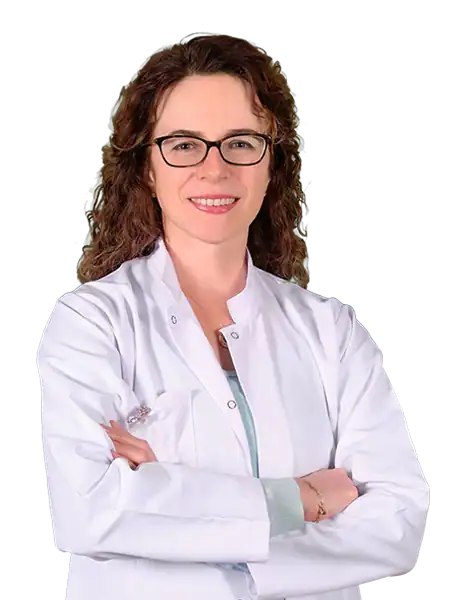
Prof. Dr. Gül Başaran
Medical Oncology
Prof. Dr. Gülsan Sucak
Hematology
Prof. Dr. Handan Onur Topuzlu
Medical Oncology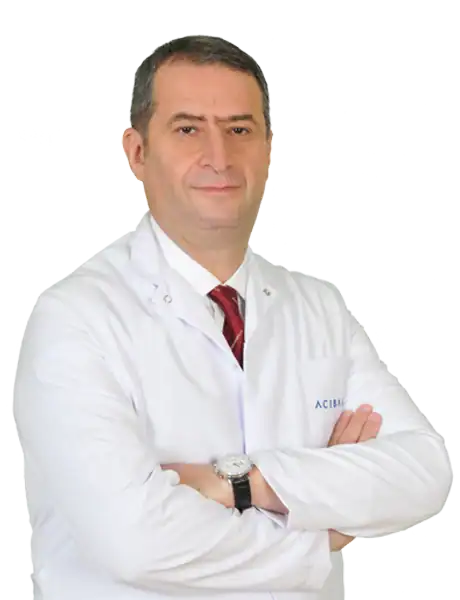
Prof. Dr. Hüseyin Engin
Medical Oncology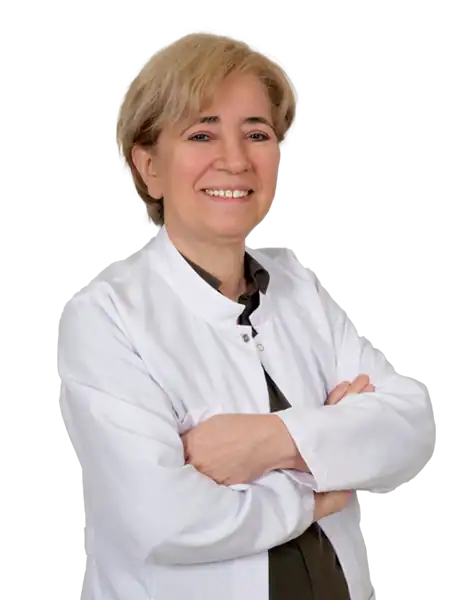
Prof. Dr. Meliha Nalçacı
Hematology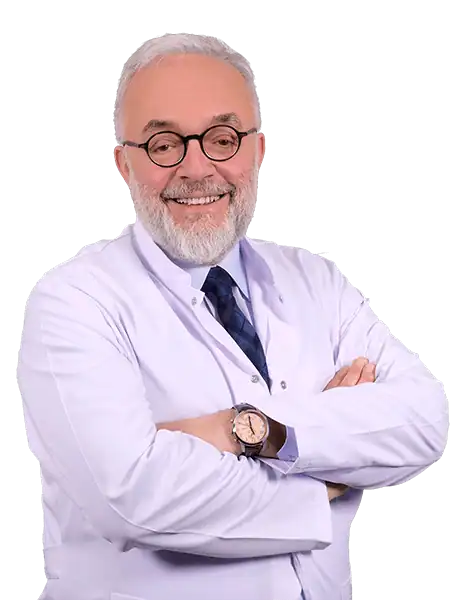
Prof. Dr. Mustafa Çetiner
Hematology
Prof. Dr. Okan Kuzhan
Medical Oncology
Prof. Dr. S. Sami Kartı
Hematology
Prof. Dr. Salim Başol Tekin
Hematology
Prof. Dr. Siret Ratip
Hematology
Prof. Dr. Soner Solmaz
Hematology
Prof. Dr. Taner Korkmaz
Medical OncologyMedical Units
Available at These Hospitals