Wisdom Tooth Pain: Causes and Treatment

Key Takeaways
- Wisdom tooth pain is commonly related to partial eruption, crowding, or impaction.
- Swelling, jaw stiffness, bad taste, and gum tenderness can accompany the pain.
- A dentist may use an exam and dental X-rays to see the position of the tooth and surrounding tissue.
- Treatment may include cleaning, symptom relief, antibiotics in selected cases, or extraction when the tooth is causing ongoing problems.
- Good oral hygiene and timely dental review can reduce the chance of complications.
Medically reviewed by the Acıbadem clinical team — August 19, 2026
Wisdom tooth pain often starts when the last molars do not have enough space to emerge normally or become irritated as they erupt. A dental evaluation can identify whether the pain is temporary inflammation or a sign of infection, impaction, or decay.
Overview
Wisdom tooth pain usually appears during the years when the third molars begin to emerge at the back of the mouth. For some people, the process is smooth and barely noticeable. For others, the tooth tries to come through in a space that is too narrow, and the surrounding gum becomes sore, swollen, or difficult to clean.
The pain may be short-lived, or it may keep returning whenever the area becomes irritated. What matters most is not just the discomfort itself, but the reason behind it. A wisdom tooth can hurt because it is erupting, trapped under the gum, pressing on another tooth, or developing decay in a hard-to-reach position.
In practice, the decision about care is often straightforward once the tooth is examined. Dentists look for signs of inflammation, infection, crowding, and damage to nearby teeth. For international patients planning treatment away from home, this is especially useful because it helps create a clear plan before travel, and it can avoid repeated dental visits later.
Symptoms
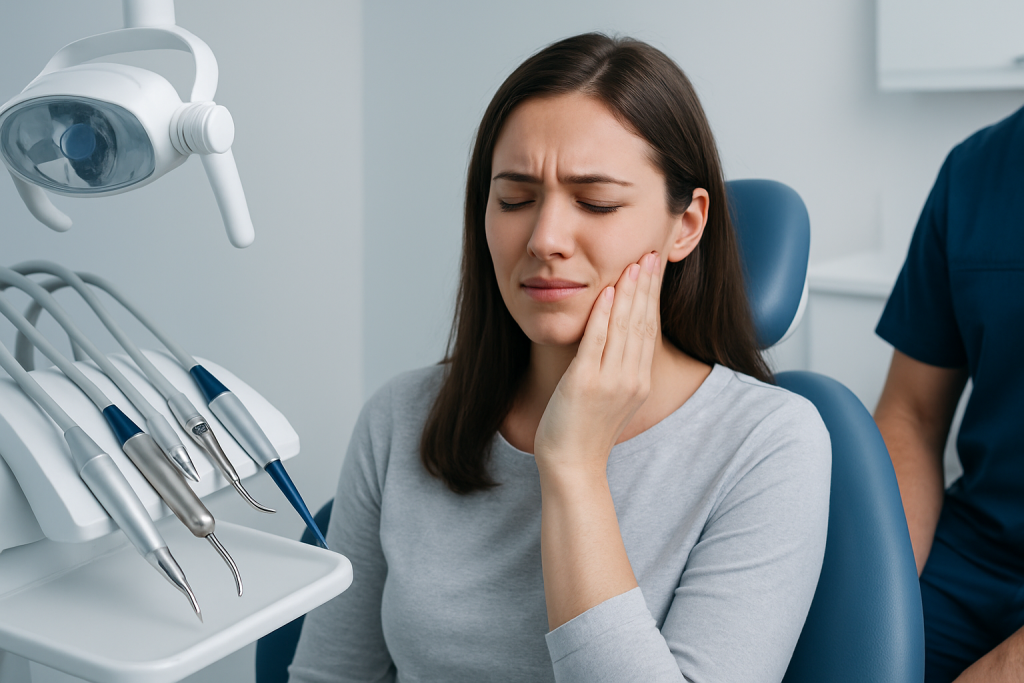
Wisdom tooth pain is not always a sharp ache. It may begin as a dull pressure at the back of the jaw, then turn into tenderness when chewing, brushing, or opening the mouth widely. Some people feel pain only on one side, while others notice it on both lower or upper back corners.
Other common signs can include:
- Swollen or red gum tissue around the tooth
- Jaw stiffness or discomfort when opening the mouth
- Bad taste or bad breath if food and bacteria collect around the gum flap
- Headache or ear-area discomfort that seems to come from the jaw
- Difficulty chewing on the affected side
If the tooth is infected, the area may feel more sensitive and the cheek or gum may appear puffy. Some patients also notice that the pain comes and goes, which can make it easy to dismiss until it begins interfering with sleep or eating.
Causes & Risk Factors

The most common reason wisdom teeth hurt is simple anatomy: there is often not enough room for them to emerge properly. When the tooth is partially trapped, it can press against nearby teeth or remain covered by a flap of gum tissue that traps debris and bacteria.
Several patterns may contribute to pain:
- Impaction: the tooth is angled, stuck, or unable to fully erupt
- Pericoronitis: inflammation of the gum tissue around a partially erupted wisdom tooth
- Decay: wisdom teeth are hard to clean and can develop cavities
- Pressure on neighboring teeth: crowding or contact can cause soreness
- Gum irritation: repeated biting or food trapping can inflame the area
Risk is higher in people whose jaws have limited space, whose wisdom teeth emerge at awkward angles, or who already have tight dental alignment. A past history of gum problems or difficulty cleaning the back teeth can also make symptoms more likely. In some patients, pain begins during travel or a stressful period simply because routine oral care becomes harder to maintain.
Diagnosis
Diagnosis usually starts with a careful mouth examination. The dentist checks how much of the tooth has erupted, whether the gum is inflamed, and whether the pain could be coming from a cavity, an abscess, or another nearby tooth. This first look often gives useful clues, but imaging is frequently needed to see the full picture.
Dental X-rays are commonly used to assess the angle of the wisdom tooth, its roots, and its relationship to nerves, sinuses, and neighboring molars. This is particularly important when extraction is being considered, because the dentist can plan the procedure more safely and explain what to expect afterward.
For patients arranging care from another country, a clear diagnosis can make the whole process smoother. It helps the dental team decide whether treatment can wait, whether a simple cleaning and monitoring plan is enough, or whether the tooth should be removed before it causes repeated flare-ups.
Treatment Options
Treatment depends on what is causing the pain. If the tooth is erupting normally and the symptoms are mild, the dentist may recommend careful monitoring and short-term comfort measures. When inflammation or infection is present, the area may need professional cleaning and closer follow-up.
Possible treatments may include:
- Removing trapped food and bacteria around the gum flap
- Rinsing the area with antiseptic or saltwater guidance
- Dental treatment for decay in the wisdom tooth or the tooth beside it
- Medication prescribed by the dentist in selected cases, especially if infection is present
- Extraction when the tooth is impacted, repeatedly painful, decayed beyond repair, or harming nearby teeth
Wisdom tooth removal is one of the most common solutions when the problem keeps returning. The exact approach depends on how the tooth sits in the jaw, how close it is to nerves or sinuses, and whether the person is having acute pain or planning elective treatment. A dentist or oral surgeon will usually explain the expected recovery, temporary dietary changes, and follow-up needs in advance so the patient can plan time off and travel arrangements more realistically.
Prevention & Self-care
Not every case of wisdom tooth pain can be prevented, but good oral hygiene can reduce irritation and lower the chance of a flare-up. Cleaning the back teeth carefully is especially important because the area around partially erupted wisdom teeth can trap plaque and food more easily than other parts of the mouth.
Practical self-care steps include:
- Brushing gently but thoroughly around the back molars
- Using floss or interdental cleaning aids if the area can be reached comfortably
- Rinsing after meals to help clear debris
- Choosing softer foods when chewing is uncomfortable
- Avoiding habits that worsen irritation, such as repeated poking of the sore gum
If a patient is preparing to travel for dental treatment, it helps to keep the mouth as calm as possible beforehand and to follow the dentist’s instructions carefully. The goal is not to force the tooth to settle on its own, but to avoid making inflammation worse while the care plan is being arranged.
When to See a Doctor
Wisdom tooth pain deserves a dental evaluation if it lasts more than a few days, returns repeatedly, or begins to interfere with eating, sleeping, or opening the mouth. A dentist can determine whether the tooth is simply erupting or whether there is a problem that needs treatment sooner rather than later.
Prompt review is especially important if there is swelling, fever, difficulty swallowing, a bad taste with pus, or pain that spreads into the jaw or face. These signs may suggest infection or a more advanced inflammatory process that should not be ignored.
Patients who are considering treatment abroad should seek an assessment early enough to allow planning, imaging, and recovery time. Acibadem Health Point’s multidisciplinary specialists and JCI-accredited hospitals diagnose and treat wisdom tooth problems for international patients, with care plans designed to support safe treatment and follow-up.
Recovery and Follow-up
If the wisdom tooth is removed, recovery usually involves a short period of swelling, tenderness, and limited chewing while the area heals. The dentist or oral surgeon will explain how to protect the extraction site, keep it clean, and recognize normal healing versus a problem that needs review.
Follow-up matters because healing is not only about the first few days. Patients may need advice on when to return to a regular diet, how to clean the area without disturbing it, and whether the neighboring teeth need additional care if they were affected by crowding or decay.
For international patients, follow-up planning is especially valuable. The dental team can help estimate whether care should be completed before travel, whether a check-up is needed before departure, and what symptoms should prompt a local review after returning home.
Frequently asked questions
Why do wisdom teeth hurt more than other teeth?
Wisdom teeth often erupt at the back of the mouth where space is limited and cleaning is harder. That combination makes them more likely to cause pressure, gum inflammation, or infection. When a tooth is partly trapped, discomfort can become more noticeable.
Can wisdom tooth pain go away on its own?
Mild discomfort may settle for a while if the tooth is erupting normally and the gum irritation is temporary. However, pain that keeps returning often means there is an ongoing problem such as impaction, decay, or inflammation. A dental exam is the best way to tell the difference.
How does a dentist know if the wisdom tooth needs removal?
The dentist looks at symptoms, the condition of the gum, and dental X-rays. Removal is more likely if the tooth is impacted, repeatedly painful, causing decay, or affecting nearby teeth. If the tooth is healthy and can be cleaned properly, monitoring may be enough.
What helps with wisdom tooth pain at home?
Gentle cleaning, rinsing after meals, and eating softer foods can reduce irritation. These measures may ease discomfort but do not replace dental treatment if infection or impaction is present. It is best to avoid poking the area or trying to drain anything at home.
Is wisdom tooth pain always a sign of infection?
No. Pain can come from normal eruption, pressure from an impacted tooth, or gum irritation without infection. Still, swelling, pus, fever, or worsening pain should be checked by a dentist promptly.
Can wisdom tooth pain affect travel plans?
It can, especially if the pain is unpredictable or if extraction is being considered. Planning an evaluation early helps patients understand whether treatment should happen before travel and how much recovery time may be needed. This is often the easiest way to avoid dental problems interrupting a trip.
References
- American Dental Association
- NHS
- Mayo Clinic
- Cleveland Clinic
This article is for general information only and is not a substitute for professional medical advice. Please consult a qualified doctor about your individual situation.
Explore treatments in Turkey — costs, top hospitals & a free quote
JCI-accredited · board-certified surgeons · reply within 24h
Add us as a Preferred Source to see more of our trusted health content across Google Search, AI Overviews and Discover.