Which Healthcare Professional Should You See For Blood Pressure?

Key Takeaways
- Blood pressure concerns are best assessed with proper measurement, not a single reading taken in a stressful moment.
- A clinician may look for causes such as lifestyle factors, medications, kidney disease, sleep issues, or hormonal conditions.
- Treatment usually combines home monitoring, healthy habits, and medicine when needed.
- Very high or very low readings need prompt medical review, especially if symptoms are present.
- Follow-up matters because blood pressure can change over time and treatment often needs adjustment.
Medically reviewed by the Acıbadem clinical team — August 19, 2026
A healthcare professional for blood pressure can help identify whether readings are truly abnormal, explain why they are happening, and guide the next steps for safe treatment. This article outlines when to seek care, how blood pressure is evaluated, and what patients can do to support healthier numbers over time.
Overview
When people search for a healthcare professional for blood pressure, they are usually looking for more than a number on a cuff. They want someone who can tell the difference between a temporary spike and a pattern that needs attention, then explain the result in plain language. That role is often filled by a primary care doctor, cardiologist, internist, or another clinician trained to evaluate blood pressure in context.
Blood pressure is one of the most important measures of cardiovascular health because it reflects how strongly blood moves through the arteries. If it stays too high for too long, it can strain the heart, brain, kidneys, and blood vessels. If it is too low, it may reduce blood flow and cause symptoms such as dizziness or fainting. The right healthcare professional looks at the whole picture: symptoms, home readings, medical history, medications, sleep, stress, and other risk factors.
For international patients, this evaluation often starts before travel is even arranged. A clear plan can help determine whether care should begin with routine monitoring, a detailed workup, or timely treatment. That preparation is especially helpful when someone is coming from another country and wants both answers and a safe follow-up plan for returning home.
Symptoms
High blood pressure is often called silent because many people feel well even when their readings are elevated. That is why it may go unnoticed until it is found during a routine check or after it has already affected the heart, kidneys, or eyes. A healthcare professional does not rely on symptoms alone, but symptoms can still provide helpful clues.
Possible signs that may prompt evaluation include headaches, shortness of breath, chest discomfort, blurry vision, nosebleeds, or a feeling of pounding in the chest. These symptoms do not always mean blood pressure is the cause, yet they should be taken seriously if they are new, repeated, or severe. In some cases, very high blood pressure can lead to urgent symptoms that need immediate medical attention.
Low blood pressure may bring a different set of concerns. People may notice lightheadedness, weakness, fainting, confusion, nausea, or cold, clammy skin. A healthcare professional will consider whether the low reading is a one-time event, a medication effect, or part of another condition such as dehydration or infection.
Causes & Risk Factors

Blood pressure changes for many reasons, and a thoughtful clinician tries to separate everyday influences from persistent medical causes. Common contributors to high blood pressure include high salt intake, excess body weight, inactivity, smoking, alcohol use, stress, and poor sleep. Family history also matters, because blood pressure patterns often run in families.
Some medical conditions can raise blood pressure or make it harder to control. These include kidney disease, diabetes, thyroid disorders, sleep apnea, and certain hormone-related conditions. Some medicines, including some pain relievers, decongestants, steroid treatments, and stimulants, may also affect blood pressure in some people.
Low blood pressure can arise from dehydration, blood loss, heart rhythm problems, medication effects, endocrine disorders, or nervous system conditions. A healthcare professional will ask about symptoms, fluid intake, recent illness, and changes in medication because these details often reveal why blood pressure has shifted.
- Family history of hypertension or heart disease
- Older age
- Kidney or endocrine disorders
- Sleep apnea or poor sleep quality
- Medication or supplement effects
Diagnosis
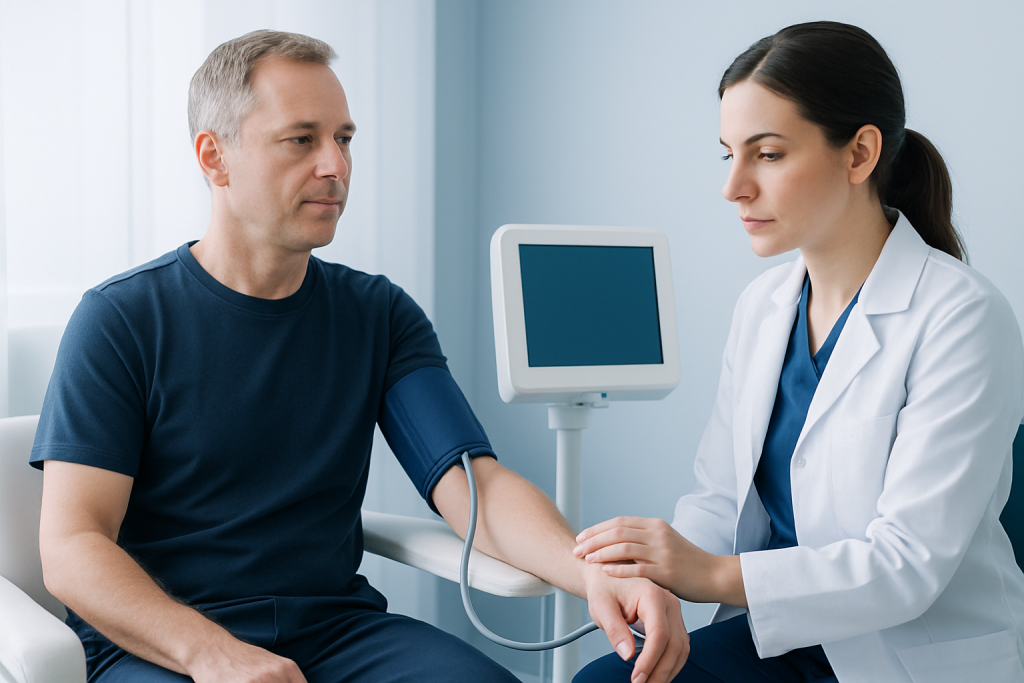
Accurate diagnosis begins with accurate measurement. A healthcare professional will usually check blood pressure more than once and may use both office and home readings to avoid being misled by stress, pain, caffeine, or a rushed visit. The goal is to understand the person’s usual pattern, not a single moment in the clinic.
During the appointment, the clinician may ask about symptoms, lifestyle habits, medical history, family history, and current medicines. They may also examine the heart, lungs, and pulse, and look for signs of conditions that can influence blood pressure. If the numbers suggest a broader problem, further tests may be recommended.
Those tests can include blood work, urine tests, an electrocardiogram, or additional heart and kidney studies when needed. Some patients may be asked to keep a home blood pressure log or use ambulatory monitoring over 24 hours. This is especially useful when readings vary widely, when white-coat effect is suspected, or when treatment decisions depend on a more complete pattern.
Treatment Options
Treatment depends on whether the issue is high blood pressure, low blood pressure, or a blood pressure pattern that changes between settings. A healthcare professional usually starts by identifying the cause, then chooses the simplest safe plan. For many patients with high blood pressure, the first steps involve lifestyle changes together with close monitoring.
Lifestyle-based treatment may include reducing sodium, increasing physical activity, improving sleep, managing weight, limiting alcohol, and quitting smoking. When medicine is needed, a clinician selects it based on age, kidney function, other medical conditions, and how the person responds over time. The aim is not just to lower numbers, but to protect long-term organ health.
For low blood pressure, treatment is more individualized. Some people need medication review, more fluids, slower position changes, compression garments, or treatment of the underlying condition. If a patient is traveling for care, a specialist may also consider how treatment will be continued safely after returning home, including follow-up testing and medication coordination with the local doctor.
Prevention & Self-care
Blood pressure care works best when patients have practical tools they can use every day. Home monitoring is one of the most useful habits, especially when readings are taken at the same time, with proper cuff size, after resting quietly. A healthcare professional can teach the right technique so the numbers are dependable and easy to interpret.
Food choices, movement, sleep, and stress management all shape blood pressure over time. Many patients do well with a heart-friendly eating pattern, regular walking or other aerobic activity, and attention to sleep quality. It also helps to review over-the-counter medicines and supplements, since some can raise blood pressure or interfere with treatment.
For international patients, self-care should fit the realities of travel. Keeping a medication list, carrying a blood pressure log, and arranging a clear follow-up plan before leaving can make ongoing care smoother. A few well-organized steps often prevent confusion later, especially when treatment needs to be adjusted by a doctor in another country.
- Check blood pressure the same way each time
- Bring a written list of medicines and supplements
- Stay hydrated unless a doctor has advised otherwise
- Follow the agreed plan for diet, activity, and medication
- Arrange follow-up with a qualified clinician after travel or treatment changes
When to See a Doctor
A healthcare professional should be consulted if blood pressure readings are repeatedly high or low, even when symptoms are mild or absent. Persistent changes deserve assessment because blood pressure is influenced by many treatable factors, and early care can reduce the chance of complications later on. Anyone newly diagnosed with hypertension or hypotension should also review the plan with a clinician rather than relying only on internet advice.
Urgent medical attention is important if very high blood pressure is accompanied by chest pain, severe headache, shortness of breath, weakness on one side of the body, confusion, vision changes, or fainting. Similarly, very low blood pressure with collapse, severe dizziness, or signs of shock needs prompt evaluation. In these situations, seeking immediate help is safer than waiting to see if the reading improves.
Patients traveling for care may benefit from choosing a center that can explain findings clearly and plan for continuity once they are home. At Acibadem Health Point, multidisciplinary specialists and JCI-accredited hospitals diagnose and treat blood pressure-related conditions for international patients with a focus on coordinated, physician-led care. The important next step is to speak with a qualified doctor who can interpret the readings in context and recommend the right follow-up.
Frequently asked questions
Which healthcare professional is best for blood pressure problems?
A primary care doctor often starts the evaluation, and a cardiologist or internist may be involved if the readings are difficult to control or if another condition is suspected. The best choice depends on the person’s symptoms, medical history, and how severe the blood pressure issue is. Many patients benefit from a team approach rather than a single visit.
Can one high reading mean a person has hypertension?
Not necessarily. Blood pressure can rise temporarily because of stress, pain, exercise, caffeine, or a rushed measurement. A healthcare professional usually confirms the pattern with repeat office readings, home monitoring, or ambulatory monitoring before making a diagnosis.
What tests might a doctor order for blood pressure concerns?
The exact tests vary, but they may include blood tests, urine tests, an ECG, or home and 24-hour blood pressure monitoring. These tests help the clinician look for organ effects, medication issues, or underlying causes such as kidney or hormone-related conditions. Not every patient needs every test.
Can lifestyle changes really help blood pressure?
Yes, lifestyle changes are often an important part of treatment, especially early on. Eating in a heart-friendly way, moving regularly, sleeping well, and limiting alcohol can all support better blood pressure control. A doctor may still recommend medicine if the numbers remain high or the risk level is greater.
What should someone bring to a blood pressure appointment?
It helps to bring a list of medicines, supplements, recent blood pressure readings, and any notes about symptoms. If the person uses a home cuff, bringing it to the appointment can allow the clinician to check whether it is accurate. This is especially useful for patients traveling from abroad who need a clear plan for follow-up.
When is low blood pressure a concern?
Low blood pressure is more concerning when it causes symptoms such as fainting, severe dizziness, confusion, or weakness. It can also matter if it appears suddenly or happens with illness, dehydration, or new medication use. A healthcare professional can help decide whether it is harmless for that person or needs treatment.
References
- World Health Organization
- American Heart Association
- National Heart, Lung, and Blood Institute
- Mayo Clinic
- NICE Guidelines
This article is for general information only and is not a substitute for professional medical advice. Please consult a qualified doctor about your individual situation.
Explore treatments in Turkey — costs, top hospitals & a free quote
JCI-accredited · board-certified surgeons · reply within 24h
Add us as a Preferred Source to see more of our trusted health content across Google Search, AI Overviews and Discover.